HomeBricks & MortarIndia Steel Market Faces Costlier Construction Inputs

India Steel Market Faces Costlier Construction Inputs

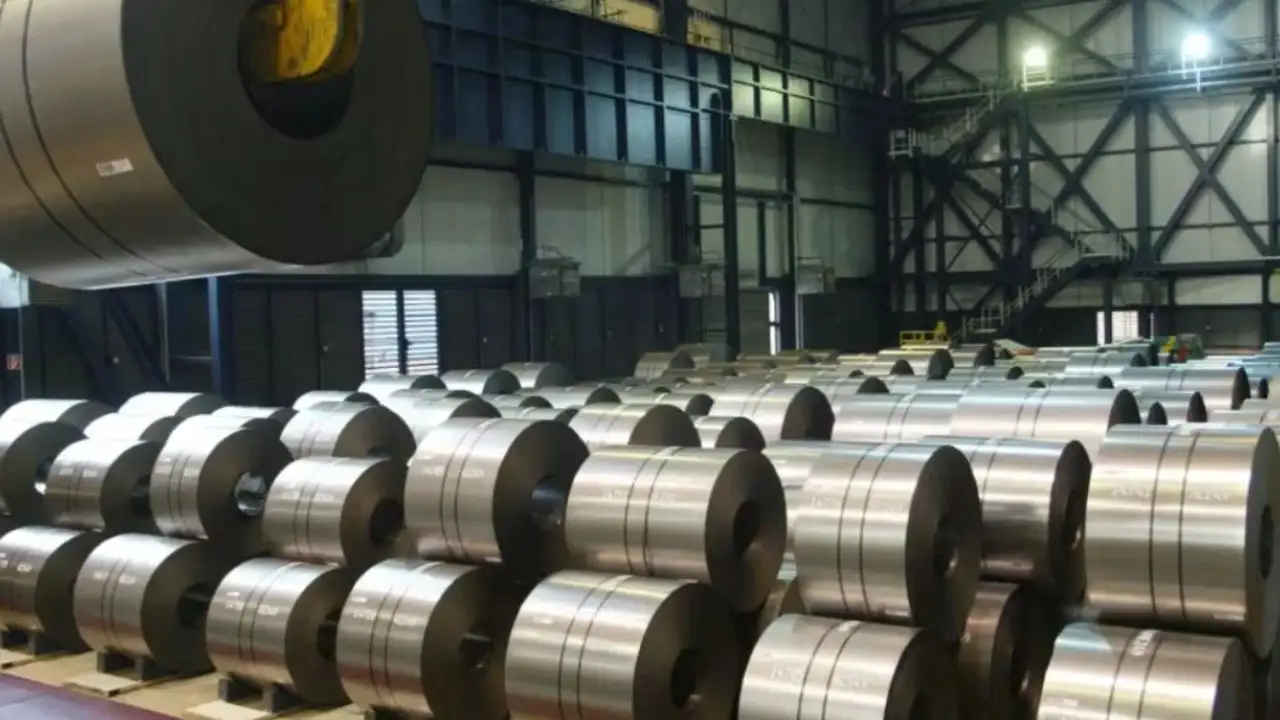
India’s steel industry strengthened production in September, but sharply higher domestic prices are adding pressure on construction and infrastructure costs. Raw steel output reached 14.1 million tonnes, up 3.4% from a year earlier, while finished steel production also increased. The combination of rising output and higher prices highlights the growing tension between India’s infrastructure ambitions and the cost of building roads, housing and urban assets.

For the first six months of FY2026-27, crude steel production rose 2.9% year on year to 85.1 million tonnes. Hot metal output increased 2.5% to 48.3 million tonnes, while finished steel production climbed 3.7% to 81.8 million tonnes. However, the production increase has been accompanied by a substantial rise in steel prices. TMT bars, widely used in buildings and infrastructure, reached ₹65,298 per tonne in September, up 12.6% from August and 21% from a year earlier. Flat steel products recorded even stronger annual increases. HR coil prices rose 26.8% year on year to ₹76,085 per tonne, while CR coil climbed 28.8% to ₹84,972. Galvanised plain sheets rose 27.7% to ₹94,148 per tonne.

The India steel market is therefore entering a more complicated phase. Higher production indicates continued industrial capacity and demand, but expensive inputs can increase project costs for developers, contractors and public agencies. In housing, sustained material inflation can also make affordability harder to maintain, particularly for lower- and middle-income buyers. The industry remains concentrated among large producers. The seven biggest manufacturers contributed 47.7 million tonnes of crude steel during April-September, accounting for more than half of national output. Smaller and other producers supplied the remainder, while the public sector represented 15.5% of crude steel production. Trade flows add another layer. India remained a net importer of finished steel during the first half of the financial year. Imports increased 23.8% year on year, while exports rose 26.2%. The simultaneous increase in both flows points to an evolving market in which domestic demand, product availability and international pricing are influencing supply decisions.

For urban India, the implications extend beyond steel companies. Metro systems, bridges, industrial parks, housing and renewable-energy infrastructure all require large volumes of steel. Rising prices can increase capital expenditure and potentially delay projects where budgets are tightly controlled. The India steel market will therefore be closely watched as capacity expands and infrastructure investment continues. The longer-term challenge is to increase material availability without allowing construction costs to undermine affordable housing and efficient public infrastructure. Greater use of recycled steel, energy-efficient production and lower-carbon technologies could also help reduce the environmental burden of future urban expansion.

Also Read : UltraTech Pushes Cleaner Power For Cement Production
India Steel Market Faces Costlier Construction Inputs
RELATED ARTICLES

LEAVE A REPLY

Please enter your comment!
Please enter your name here

- Advertisment -spot_img

Most Popular

Recent Comments

UltraTech Pushes Cleaner Power For Cement Production

UltraTech Pushes Cleaner Power For Cement Production

UltraTech has taken its captive clean-power capacity beyond 2 GW after commissioning a 116.55-MW wind project in Barmer, Rajasthan, alongside a 10-MW waste heat...

Heidelberg Cement India Stays Near Yearly Low

Heidelberg Cement India Stays Near Yearly Low

Heidelberg Cement India’s shares remained close to their one-year trough on October 6, extending a second consecutive session of near-low trading. The stock was...
JSW Cement Capacity Expands Across Northern Markets

JSW Cement Capacity Expands Across Northern Markets

A new grinding unit at Nagaur, Rajasthan, has taken JSW Cement’s total grinding capacity to 25.1 million tonnes a year, expanding its ability to...

Max Estates Drives NCR Housing Demand Higher

Max Estates Drives NCR Housing Demand Higher

Delhi-NCR’s premium housing market is showing renewed buying momentum, with Max Estates recording around ₹3,200 crore in pre-sales during the first half of FY27....

Experion Housing Investment Expands Beyond Delhi NCR

Experion Housing Investment Expands Beyond Delhi NCR

A ₹10,000 crore housing investment planned by Experion Developers over the next five years is set to expand its luxury residential pipeline across Delhi-NCR,...