Home Blog Page 386

SVPI Airport Sees Strong Growth in Traffic, with Major Upgrades Ahead

0
SVPI Airport Sees Strong Growth in Traffic, with Major Upgrades Ahead

SVPI Airport Sees Strong Growth in Traffic, with Major Upgrades Ahead

Sardar Vallabhbhai Patel International (SVPI) Airport, managed by Adani Airport Holdings Limited (AAHL), has witnessed impressive growth in both passenger and cargo traffic, marking a significant milestone in India’s aviation sector. The airport, located in Ahmedabad, reported an 18% year-on-year increase in passenger traffic for the third quarter (Q3) of FY25, reaching over 3.5 million flyers, compared to 3 million passengers in the same quarter of the previous year. This surge in traffic is a clear indicator of the growing demand for air travel from Ahmedabad, one of India’s rapidly developing cities.

The growth was not limited to passenger numbers. SVPI Airport also saw a 15% increase in aircraft traffic movements (ATMs), with more than 27,000 flights operating through the airport during Q3. One of the standout achievements was recorded on December 22, 2024, when the airport saw its highest passenger movement of the year, with 44,253 passengers and 324 ATMs. This exceptional performance highlighted the airport’s capacity to handle a significant volume of traffic, setting a new benchmark for the region. As the demand for air travel continues to rise, SVPI Airport has been working diligently to expand and improve its infrastructure. Recent upgrades include the extension of the Terminal-2 check-in hall, the introduction of an inter-terminal electric shuttle service, and the provision of Wi-Fi coupon dispensers for international travellers. In response to growing demand, new international flights to destinations such as Da Nang, Kuwait, and Kolhapur have been added, further improving connectivity for passengers. Additionally, domestic flight services to Kochi and Kolkata have also been expanded.

The cargo sector at SVPI Airport has experienced remarkable growth, with a 17% increase in cargo volume in Q3 FY25. Over 17,900 metric tonnes (MT) of cargo were handled, including more than 1,850 MT of international cargo. This marks a staggering 300% increase in international cargo volumes compared to the previous year. The airport’s efficient handling of cargo, particularly in international freight, has positioned it as a key logistics hub in the region.

Adani Airport Holdings is committed to transforming SVPI Airport into the premier gateway for both passenger and cargo traffic in western India. The group’s expertise in transport and logistics is evident in their efforts to create a robust hub-and-spoke model, enhancing connectivity between major cities in India and the world. Sustainability has been a key focus at SVPI Airport, and in December 2024, the airport was recognised for its exceptional energy conservation efforts. It received a prestigious Certificate of Merit at the National Energy Conservation Awards (NECA) 2024, marking a significant achievement in sustainable airport operations. Looking ahead, SVPI Airport plans further expansions to accommodate growing passenger and cargo volumes. The next phase of development will focus on enhancing infrastructure, introducing new international routes, and improving the overall passenger experience with state-of-the-art facilities. These upgrades are part of the airport’s strategy to meet the future demands of air travel, ensuring that SVPI Airport continues to thrive as a leading aviation hub in India.

How AI and Blockchain Are Changing Real Estate

    0
    How AI and Blockchain Are Changing Real Estate
    How AI and Blockchain Are Changing Real Estate

    How AI and Blockchain Are Changing Real Estate

    In an era where technology is redefining every industry, the real estate investment sector is no exception. ARMOUR Residential REIT Inc., a key player in residential mortgage investments, is leading this transformation by adopting cutting-edge technologies that are reshaping how investments in real estate are approached. With its pioneering integration of Artificial Intelligence (AI), blockchain, and smart contracts, ARMOUR is setting new standards in the way residential mortgage-backed securities are evaluated, transactions are recorded, and loan servicing is managed. These advancements are not only enhancing profitability but also transforming investor experiences in a digitally driven landscape.

    One of ARMOUR’s most notable innovations is the use of AI-driven analytics. By leveraging AI to assess residential mortgage-backed securities, ARMOUR improves decision-making processes, allowing for more accurate evaluations and reducing the risks traditionally associated with these investments. The AI system analyses vast datasets to predict market trends and identify investment opportunities, enabling ARMOUR to make data-driven decisions that enhance portfolio management and ensure better returns. For investors, this means a reduced margin for error and more informed investment strategies, which translates into more consistent profits in an increasingly volatile market.

    Furthermore, ARMOUR is embracing blockchain technology to address transparency and trust issues that often plague real estate investments. By employing blockchain, the company guarantees secure, tamper-proof transaction records that are fully accessible to investors. This technology eliminates the risk of fraud, enhances accountability, and ensures that all transactions are recorded in a transparent and auditable manner. This is especially crucial in an industry that has often struggled with transparency, making ARMOUR’s approach a game-changer in building investor confidence and security in real estate markets.

    In addition to AI and blockchain, ARMOUR is also exploring the use of smart contracts to streamline the loan servicing process. These self-executing contracts, which are automatically triggered when predefined conditions are met, can dramatically speed up processes and reduce human errors. This level of automation not only saves time but also improves operational efficiency across the board. By reducing reliance on manual interventions, ARMOUR can offer faster, more reliable services to both institutional and retail investors.

    However, while these technological advancements promise considerable benefits, there are challenges that come with them. For one, the reliance on cutting-edge technology demands a level of digital literacy and adaptation from both investors and companies. Additionally, as with any emerging technology, regulatory issues surrounding AI, blockchain, and smart contracts could create hurdles, particularly when it comes to data privacy and cross-border transactions. Furthermore, the ever-changing dynamics of the real estate market could pose risks, as AI predictions may not always account for sudden market shifts. Therefore, while the future looks promising, investors must be aware of these potential challenges when considering their digital investments.

    In terms of sustainability, these innovations also have a significant impact. The implementation of AI and smart contracts can improve the efficiency of resource management, reducing waste and unnecessary overheads. Blockchain, with its transparency features, can also contribute to sustainability by ensuring that real estate transactions are conducted in an ethical manner, preventing fraud and ensuring that projects adhere to environmentally-friendly practices. As the world becomes increasingly focused on sustainable investment options, these technologies align perfectly with the growing demand for ethical, transparent, and efficient investment strategies in the real estate sector.

    Ultimately, ARMOUR Residential REIT’s bold adoption of advanced technologies marks a major shift in the real estate investment landscape. With its commitment to transparency, efficiency, and sustainability, ARMOUR is not only enhancing investor experiences but is also setting a benchmark for the future of residential real estate investment. As the sector continues to evolve, investors can expect to see more firms embracing these technologies, making real estate investments more accessible, transparent, and profitable than ever before.

    FDI Drives Vietnam’s Industrial Real Estate in 2025

      0
      FDI Drives Vietnam’s Industrial Real Estate in 2025
      FDI Drives Vietnam’s Industrial Real Estate in 2025

      FDI Drives Vietnam’s Industrial Real Estate in 2025

      The industrial real estate sector in Vietnam is primed for a stellar performance in 2025, backed by a combination of rising foreign direct investment (FDI), ongoing infrastructure development, and robust logistics improvements. These elements are expected to bolster the growth of the sector, positioning it as one of the most attractive investment opportunities for the year ahead. As investors continue to look for stability amidst global economic uncertainties, the industrial real estate market stands out as a resilient performer, especially with Vietnam’s strategic position as a preferred manufacturing hub in Asia.

      According to Dang Tran Phuc, Chairman of AzFin Vietnam, the combination of a recovering real estate market, the resolution of longstanding legal challenges, and an increase in supply makes 2025 a promising year for industrial real estate stocks. Phuc advised investors to focus on companies with large cash reserves and land ready for lease, suggesting that these firms will be better poised to capitalise on profit growth. He also cautioned against firms that have exhausted their leasable land, as they are less likely to sustain high dividends and growth in the long term. These considerations are crucial for ensuring that investors maximise returns in a market that, while growing, is also increasingly competitive.

      Notable players in the industrial real estate market are already seeing positive forecasts for 2025. Kinh Bac City Development Holding Corporation (KBC), a leading developer of industrial zones across key locations like Bac Giang, Haiphong, and Ho Chi Minh City, is set to see significant growth. After a lackluster performance in 2024, KBC is expected to double its revenue in 2025, driven by increasing demand for industrial zone leasing. This trend is largely due to continued FDI inflows and Vietnam’s growing prominence as an alternative to China for manufacturing and distribution. Similarly, Southern-based Sonadezi Chau Duc JSC (SZC) is poised for strong growth in 2025, with leasing rates expected to rise by 12% due to improvements in local transport infrastructure and competitive leasing prices in Ba Ria-Vung Tau province.

      However, while the outlook for the sector is positive, there are inherent challenges that could influence the pace of growth. The differentiation among companies in the sector is clear, with larger, well-established firms like KBC and IDICO Corporation (IDC) set to benefit from their expansive land holdings and ongoing projects. On the other hand, smaller companies may face difficulties in maintaining growth if they cannot secure additional land for development or if they remain reliant on irregular gains from asset sales. IDC, for example, is expecting steady growth, with its industrial zone segment driving the bulk of profit due to the handover of clean land and the completion of new legal processes for upcoming projects. These moves highlight the ongoing importance of infrastructure development in shaping the future of industrial real estate in the region.

      Sustainability has also emerged as a key theme for the future of industrial real estate, particularly in the context of global trade and manufacturing shifts. As FDI continues to flow into Vietnam, investors and developers are increasingly focusing on green initiatives that ensure long-term sustainability. Eco-friendly construction practices, energy-efficient industrial buildings, and renewable energy adoption are becoming integral components of industrial zone developments. These green initiatives not only cater to the growing demand for environmentally responsible projects but also align with global trends aimed at reducing the carbon footprint of industrial operations. For instance, industrial parks are being designed with green certifications and sustainable infrastructure to attract international businesses that prioritise sustainability in their operations.

      In conclusion, the industrial real estate market in Vietnam presents a bright future in 2025, underpinned by rising FDI, strong infrastructure support, and a keen focus on sustainability. With major players like KBC and IDC leading the charge, the sector is poised for significant growth, benefiting both local and international investors. However, as the market matures, it is essential for companies to embrace sustainable development and ensure that the benefits of this growth are shared across the sector. As the global supply chain shifts and Vietnam becomes a key player in the industrial real estate market, the focus on green initiatives and infrastructure will be crucial in driving sustained growth in the coming years.

      Metro Brands Promoters Acquire Three Luxury Apartments for INR 243 Crore in Palais Royale

      Metro Brands Promoters Acquire Three Luxury Apartments for INR 243 Crore in Palais Royale
      Metro Brands Promoters Acquire Three Luxury Apartments for INR 243 Crore in Palais Royale

      Metro Brands Promoters Acquire Three Luxury Apartments for INR 243 Crore in Palais Royale

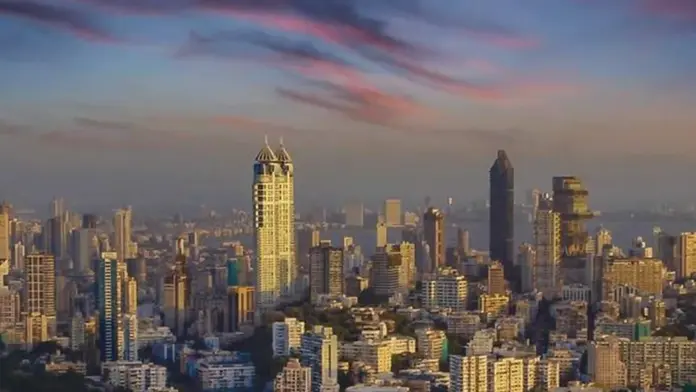
      The promoter group behind Metro Brands, one of India’s leading footwear retailers, has significantly expanded its luxury real estate holdings with a strategic acquisition in Mumbai’s high-end property market. The group recently purchased three premium sea-view apartments in the prestigious Palais Royale tower for a staggering INR 243 crore. This acquisition marks an important milestone, bringing their total investment in the tower to nearly INR 405 crore. The transaction highlights the sustained demand for ultra-luxury properties in Mumbai, a city known for its appeal to affluent buyers from diverse sectors, including business, entertainment, and beyond.

      The newly acquired units, spanning an impressive 23,000 square feet, are located on the 61st and 62nd floors of Palais Royale, one of India’s tallest and most expensive residential buildings. Each of the three apartments was purchased for approximately INR 81 crore, with prices ranging from INR 1.05 to 1.07 lakh per square foot. At these prices, the properties rank among the most expensive in India, further emphasizing the growing trend of high-net-worth individuals investing in luxurious living spaces. Additionally, an INR 12.15 crore stamp duty was paid to officially register the properties, underscoring the scale and financial significance of this investment.

      This purchase follows a similar transaction just weeks earlier, when other family members of the Metro Brands promoters, Zia Malik Lalji and Alisha Rafiq Malik, acquired two other units in the same tower for a total of INR 162 crore. These significant investments come after the promoters raised INR 749.7 crore through the sale of a stake in Metro Brands earlier this year. This move reinforces their financial robustness and ability to tap into the growing luxury real estate market in Mumbai, which remains a prime destination for global and domestic investors alike.

      Mumbai’s luxury real estate market, long known for its high-profile transactions, continues to draw significant attention. Palais Royale, which was originally acquired by Pune-based Honest Shelters in 2019 for INR 700 crore, stands as a symbol of Mumbai’s ultra-luxury property landscape. Despite facing legal challenges in the past, the project is now nearing completion, further enhancing its appeal to high-net-worth individuals. As the city remains one of the most expensive real estate markets in the world, the demand for premium and exclusive properties continues to rise.

      However, the increasing focus on high-end developments in Mumbai also raises important civic concerns. While ultra-luxury projects contribute to the city’s status as a global financial hub, there is an ongoing need to address housing affordability for its growing population. As the city expands vertically with towering skyscrapers, issues related to urban sustainability, such as the environmental impact of construction and the strain on infrastructure, must be considered. These challenges highlight the need for a balanced approach to urban development, one that addresses the needs of both affluent buyers and the broader population, including those in the lower-income segments.

      Sustainability also plays a crucial role in shaping the future of luxury real estate in Mumbai. As developers focus on building high-end residences, there is a growing trend toward incorporating energy-efficient systems and eco-friendly building practices. The integration of sustainable technologies in new developments, such as water recycling systems, solar panels, and green building certifications, is becoming increasingly important. In an age where environmental concerns are front and centre, luxury real estate developers in Mumbai are looking for ways to reduce their carbon footprint while offering buyers the comfort and exclusivity they seek. Sustainable design will not only address the environmental impact of such high-end developments but also improve the quality of life for residents in the long run, creating a more eco-conscious urban landscape.

      In conclusion, the acquisition of three opulent sea-view apartments in Palais Royale by the promoters of Metro Brands demonstrates both their growing investment in luxury real estate and the enduring appeal of Mumbai’s high-end property market. While this expansion highlights the city’s position as a prime destination for affluent buyers, it also brings to light important issues related to urban growth, sustainability, and housing affordability. As Mumbai’s skyline continues to evolve, finding a balance between luxury developments and broader civic needs will be key to ensuring the city remains a vibrant and sustainable place for all its residents.

      Mumbai’s real estate market achieved over 141,000 property registrations in 2024

      Mumbai’s real estate market achieved over 141,000 property registrations in 2024
      Mumbai’s real estate market achieved over 141,000 property registrations in 2024

      Mumbai’s real estate market achieved over 141,000 property registrations in 2024

      Mumbai’s real estate sector has recorded a remarkable milestone, with more than 141,000 property registrations in 2024, reflecting a consistent surge in demand. This marks a notable increase from the previous year’s registrations, which were just under 127,000. A closer look at the numbers reveals that December 2024 saw 12,415 property registrations, a slight rise from 12,285 in the same month last year. This uptick in registrations can be attributed to an ongoing strong demand for housing, particularly in premium segments, further solidifying Mumbai’s position as India’s real estate powerhouse.

      The rise in property registrations is a testament to the robust housing demand within the city. Residential properties accounted for a substantial 80% of the total registrations in December, indicating that homebuyers are still flocking to the market. According to Prashant Sharma, President of NAREDCO Maharashtra, this growth underscores the sustained buyer confidence in Mumbai’s real estate market, driven by the city’s status as an economic and commercial hub. Mumbai’s real estate market continues to attract both end-users and investors alike, drawn to the city’s high standard of living and excellent connectivity, which offer promising returns on investment.

      One of the key drivers behind the growth in property registrations is the rising demand for premium properties, particularly in the central and suburban areas. Shishir Baijal, Chairman and Managing Director of Knight Frank India, attributes this trend to the growing preference for larger, more luxurious homes. This shift towards premium housing is part of a broader transformation within the real estate market, where buyers are increasingly looking for homes that provide both comfort and a higher standard of living. The increasing number of registrations in the central suburbs reflects the market’s maturity, as well-planned developments cater to modern-day homebuyers’ aspirations for better quality and spacious living.

      From an economic standpoint, the surge in property registrations, particularly in the premium segment, is also indicative of Mumbai’s growing economic resilience. With over 141,000 registrations in 2024, the city’s real estate sector continues to be a significant contributor to the broader economy, driving key sectors such as construction, finance, and retail. As Mumbai continues to expand, these residential developments are contributing to the city’s urban growth, offering employment opportunities and infrastructure upgrades that benefit the population at large.

      However, the growth of luxury and premium properties has raised questions about the affordability of housing for Mumbai’s middle and lower-income populations. As the demand for high-end homes rises, the challenge of addressing housing shortages for the city’s less affluent residents remains a pressing civic issue. While the real estate market in Mumbai shows no signs of slowing, developers and policymakers must balance the growing demand for luxury homes with the urgent need for affordable housing. In this context, sustainability plays a crucial role in shaping the future of Mumbai’s housing market.

      With urban expansion continuing at a rapid pace, the focus on sustainable real estate development has never been more important. Developers are increasingly integrating energy-efficient designs, sustainable building materials, and green technologies into new projects. These developments aim not only to address the environmental concerns but also to provide long-term cost savings for residents. As Mumbai grows, sustainable housing solutions will be essential in mitigating the environmental impact of rapid urbanisation, while ensuring that future generations of residents benefit from greener and more energy-efficient living spaces.

      In conclusion, Mumbai’s real estate market in 2024 has been nothing short of impressive, with strong demand for both residential and premium properties. As the city continues to grow, it faces the dual challenge of meeting the needs of its diverse population while ensuring that sustainability remains a key consideration in future developments. The record-breaking number of property registrations further affirms Mumbai’s status as a thriving economic hub and a key player in India’s real estate sector.

      Varun Dhawan and Natasha Dhawan’s Luxury Home for ₹44 Crore in Juhu

      Varun Dhawan and Natasha Dhawan's Luxury Home for ₹44 Crore in Juhu
      Varun Dhawan and Natasha Dhawan's Luxury Home for ₹44 Crore in Juhu

      Varun Dhawan and Natasha Dhawan’s Luxury Home for ₹44 Crore in Juhu

      In a significant development within Mumbai’s luxury real estate sector, Bollywood actor Varun Dhawan and his wife, Natasha Dhawan, have acquired a premium apartment in the upscale Juhu locality for a staggering ₹44.52 crore. The high-profile transaction underscores the continued appeal of Mumbai’s Juhu area as a prime residential destination, especially among celebrities. The property in question is situated on the seventh floor of an under-construction building named Twenty, which is being developed by D’Decor Exports Private Limited. The project’s proposed completion date is set for May 31, 2025, as per the details available on the MahaRERA website.

      This sprawling apartment spans over 5,100 square feet of RERA carpet area and includes four designated parking spaces. The luxurious abode is priced at more than ₹87,000 per square foot, reflecting the exclusivity and high demand for real estate in Juhu. The substantial price tag highlights the continuing trend of robust demand for luxury homes, particularly in high-end areas of Mumbai, where affluent buyers are willing to pay a premium for spacious, well-located residences.

      The Dhawans’ acquisition of this property is a testament to the growing prominence of Juhu, which has long been a sought-after address for Bollywood’s A-listers. The locality’s central location, proximity to the beach, and thriving cultural scene make it an ideal choice for those in the entertainment industry seeking both privacy and luxury. Despite the pandemic-induced slowdown in some sectors, Juhu has continued to maintain its status as one of the most desirable residential areas in Mumbai, largely due to its strong market fundamentals and enduring appeal to high-net-worth individuals.

      While the news of Varun Dhawan’s real estate investment makes headlines in the celebrity world, it is essential to examine the broader implications of such high-value transactions on Mumbai’s housing market. The luxury housing segment in Mumbai has been resilient, continuing to attract both Indian and international investors. The increasing preference for larger homes with modern amenities is driven by evolving lifestyles and the shift towards more spacious, comfortable living spaces. The continued demand for luxury properties also speaks volumes about the growing affluence among certain segments of Mumbai’s population. With celebrities like Varun Dhawan investing heavily in the city’s premium real estate, Juhu and similar neighbourhoods continue to see prices soar, making luxury homes more of a symbol of success and status.

      From a broader urban perspective, this acquisition also contributes to the ongoing trend of modern, high-rise residential developments in Mumbai. As the city struggles with housing shortages, developments like Twenty cater to the top end of the market, highlighting a growing disparity between the luxury housing market and the affordable housing needs of the general population. While these luxury apartments offer state-of-the-art facilities and expansive living spaces, the demand for affordable homes in Mumbai remains a pressing civic issue. The government and developers alike face challenges in addressing the housing needs of the city’s middle and lower-income groups.

      In terms of sustainability, the construction of luxury apartments like those in Twenty raises questions about the environmental impact of urban expansion in Mumbai. As the city grows vertically, developers are increasingly focusing on incorporating sustainable features into their projects, such as energy-efficient designs, water conservation systems, and green building certifications. However, for high-end developments, the emphasis on luxury amenities often overshadows sustainability initiatives. Nevertheless, as environmental consciousness increases across all sectors, future developments in the luxury housing market may witness more sustainable practices integrated into their design and construction.

      Varun Dhawan’s luxury real estate purchase is emblematic of the changes unfolding in Mumbai’s real estate landscape, where the demand for exclusivity and luxury continues to thrive amidst an evolving urban and economic environment. The acquisition not only underscores the appeal of Mumbai’s premium properties but also highlights the larger trends shaping the city’s real estate market as a whole.

      Luxury, Sustainability, and Change in 2025 Real Estate

        0
        Luxury, Sustainability, and Change in 2025 Real Estate
        Luxury, Sustainability, and Change in 2025 Real Estate

        Luxury, Sustainability, and Change in 2025 Real Estate

        As India’s real estate market enters 2025, the sector is poised for a transformative shift driven by the confluence of evolving buyer preferences, technological innovation, and a heightened focus on sustainability. With rapid urbanisation taking place alongside shifting consumer demands, the industry is increasingly aligning itself with global trends that prioritise green development, smart technologies, and affordable living solutions. The year ahead is expected to bring a moderation in price growth, but it will also witness a deeper shift towards sustainability and technological integration.

        After a dramatic surge in 2024, with an average 21% price increase in the housing sector, the primary housing market in 2025 is expected to experience a more tempered single-digit price rise. Analysts suggest that while demand remains robust, developers are likely to ramp up the supply of residential properties to meet this need. Experts believe that the anticipated reduction in the Reserve Bank of India’s repo rate could result in lower home loan interest rates, stimulating further demand. With fiscal incentives anticipated in the upcoming budget, especially for the affordable housing sector, the market’s focus will be on meeting the demands of a wider demographic, making homes more accessible while keeping affordability intact.

        Sustainability is taking centre stage in 2025’s real estate landscape. The growing focus on climate change and environmental responsibility has prompted developers and stakeholders to prioritise green building practices and energy-efficient designs. Mohit Bansal, CEO of GMI Infra, highlights the importance of this paradigm shift, stating that sustainability is no longer just an option but an essential requirement. As urban growth accelerates, more communities are expected to be designed with eco-friendly features, including solar panels, waste management systems, and energy-efficient buildings. This shift aligns with India’s broader environmental goals and reflects a deepened awareness of reducing the sector’s carbon footprint. With government policies, incentives, and regulations increasingly supporting sustainable practices, the focus on greener buildings is expected to escalate.

        Technology is another critical enabler driving the real estate transformation in 2025. Artificial intelligence (AI) and blockchain technology are revolutionising the way properties are bought, sold, and managed. AI-driven analytics are providing deeper insights into property values, market trends, and risk assessments, while blockchain ensures more secure and transparent transactions. Additionally, the integration of smart home technologies and the Internet of Things (IoT) is enhancing the appeal of residential properties, particularly among tech-savvy buyers. These technologies not only add convenience but also promote greater energy efficiency and sustainability, contributing to the long-term viability of real estate developments.

        In addition to these overarching trends, Tier-2 and Tier-3 cities are emerging as important growth centres in India’s real estate market. With improving infrastructure, government support, and affordability, these cities are witnessing a wave of real estate development. These regions are increasingly seen as attractive alternatives to overcrowded metropolitan cities, offering both premium and affordable housing options. As hybrid work models continue to gain traction, many urban professionals are seeking out homes in these cities, where they can enjoy a better quality of life at more competitive prices. This shift is supported by increased government investment in infrastructure and urban planning, further contributing to the sustainable and inclusive growth of these emerging markets.

        The real estate sector in 2025 will undoubtedly be shaped by a combination of sustainability, technological advancements, and evolving buyer preferences. With a stronger focus on environmental responsibility, cutting-edge innovation, and the rise of Tier-2 cities as growth hubs, the future of real estate looks set to be more inclusive, sustainable, and efficient than ever before. As urbanisation continues at a rapid pace, the need for sustainable development and affordable housing solutions will be key drivers of success in the industry.

        Flex Spaces Fuel Pune’s Real Estate Growth in 2024

        0
        Flex Spaces Fuel Pune’s Real Estate Growth in 2024
        Flex Spaces Fuel Pune’s Real Estate Growth in 2024

        Flex Spaces Fuel Pune’s Real Estate Growth in 2024

        Pune’s real estate market surged to unprecedented heights in 2024, with both its office and residential sectors reaching new benchmarks, according to the latest report from Knight Frank India. The city’s performance was characterised by an exceptional increase in office space transactions and residential sales, underscoring the city’s transformation into a key real estate hub.

        The office space market in Pune recorded a historic 8 million square feet in transactions, marking an impressive 19% year-on-year (YoY) growth. This achievement was largely driven by strong leasing activity in the first half of the year, which carried forward into a steady second half. Notably, the rise of flexible workspaces has been a defining trend, with flex spaces accounting for 35% of the total office space transactions. This reflects the increasing preference for hybrid work models that combine remote and in-office work. As a result, office rental rates also saw a 5% YoY increase, reaching INR 77 per square foot per month, signalling a healthy demand for quality office spaces in the city.

        The residential real estate market followed suit, with sales of over 52,000 units—marking a significant milestone for Pune, which had not seen such high figures since 2010. Residential prices rose by 6% YoY, averaging INR 4,778 per square foot, driven by a surge in demand. The INR 5–10 million segment was the most dominant, comprising 45% of all sales. However, premium housing segments also showed impressive growth, with sales in the INR 20–50 million and INR 100–200 million categories rising by 68% and 122%, respectively. This shift towards premium and luxury homes reflects the evolving preferences of the city’s growing professional class and its increasing urban sophistication.

        One of the standout features of Pune’s real estate growth in 2024 was the surge in new residential project launches. With 59,548 units introduced to the market, representing a 40% YoY increase, the city showcased its ability to meet the growing demand from IT professionals and other end-users. This growth was supported by enhanced infrastructure development, including better road connectivity, transport systems, and the overall urbanisation of the city. These developments not only cater to the increasing population but also help elevate Pune’s standing as a desirable destination for both residents and investors.

        The sustainability angle cannot be ignored when assessing Pune’s real estate boom. With an emphasis on hybrid workspaces and green building certifications, Pune’s market is increasingly aligning with global trends towards more sustainable urban development. In addition to expanding commercial and residential spaces, developers are incorporating eco-friendly practices in construction and planning. As demand for sustainable housing solutions grows, Pune’s developers are adapting to incorporate features such as energy-efficient buildings, water conservation systems, and green certifications. This shift towards a greener urban landscape is essential for the long-term sustainability of Pune’s real estate growth, ensuring that future developments align with global environmental standards.

        Pune’s remarkable performance in 2024 reflects not only its evolving real estate landscape but also its growing role in India’s urban transformation. With a robust office market, rising residential sales, and a shift towards more sustainable building practices, Pune is poised for continued growth in the coming years. As infrastructure improves and new opportunities for both work and living emerge, Pune’s real estate market stands as a model for other cities across India.

        CREDAI Maharashtra collaborates with SuperHumanRace to track real estate emissions

        CREDAI Maharashtra collaborates with SuperHumanRace to track real estate emissions
        CREDAI Maharashtra collaborates with SuperHumanRace to track real estate emissions

        CREDAI Maharashtra collaborates with SuperHumanRace to track real estate emissions

        In a groundbreaking move aimed at fostering sustainability in the real estate sector, CREDAI Maharashtra has partnered with SuperHumanRace, a leading technology company, to develop Regional Emissions Inventories for Maharashtra’s growing real estate industry. This strategic collaboration is designed to empower developers to adopt environmentally sustainable practices while enhancing their market competitiveness. The MoU was signed in the presence of industry leaders, including Pramod Khairnar, President of CREDAI Maharashtra, Aalok A. Deshmukh, Managing Director of SuperHumanRace, and Gagandeep Bhullar, CEO of SuperHumanRace.

        Pramod Khairnar highlighted the importance of the initiative, stating, “Maharashtra’s real estate sector is pivotal to India’s urban transformation. This collaboration comes at a crucial juncture, ensuring that growth is not just economically viable, but also environmentally sustainable.” The need for such measures becomes evident when considering India’s ambitious urbanisation targets, which are central to its goal of becoming the world’s third-largest economy by 2027. However, rapid urbanisation, while essential for economic growth, brings with it substantial environmental challenges. As cities are projected to contribute to 70% of India’s GDP by 2030, they will also be responsible for over 30% of the country’s emissions. Khairnar underscored the urgency of integrating low-carbon infrastructure into the development process to mitigate these risks.

        The collaboration between CREDAI Maharashtra and SuperHumanRace aims to address this very challenge by enabling the tracking and reduction of emissions within the real estate value chain. According to Aalok A. Deshmukh, “The creation of transparent, connected emissions inventories is a critical step in quantifying and addressing the carbon risks tied to urban expansion.” Through this partnership, the developers will have access to actionable data, which will allow them to implement sustainable procurement practices, identify carbon hotspots, and prepare for impending carbon regulations. Such actions will help mitigate the escalating risks posed by carbon emissions and ensure that Maharashtra’s real estate sector remains competitive in a rapidly evolving global market.

        The implementation of advanced AI and machine learning technologies by SuperHumanRace is expected to play a key role in streamlining this process. By automating the collection and analysis of emissions data, the initiative will provide real-time insights across the state’s real estate landscape. This technology-driven approach is essential, given the vast scope of data and the complexity of relationships within the real estate sector. Additionally, as the sector braces for stricter environmental regulations, including potential carbon taxes, this collaboration will help developers and construction material manufacturers mitigate costs and enhance their sustainability efforts.

        This partnership also addresses broader civic and environmental concerns. As urbanisation accelerates, the demand for carbon-neutral construction practices becomes even more critical. The real estate industry, which is a significant consumer of resources and a major emitter of greenhouse gases, must evolve to meet both national and international sustainability goals. With rising global awareness of climate change, India’s real estate market is now at a crossroads—adopting green building standards and embracing low-carbon technologies is no longer optional but essential. Through this collaboration, CREDAI Maharashtra and SuperHumanRace are setting the stage for a greener, more sustainable future for real estate development in the state, with the potential to serve as a model for other regions.

        Mumbai’s real estate market soared in 2024 with 96,000+ residential units sold

        Mumbai’s real estate market soared in 2024 with 96,000+ residential units sold
        Mumbai’s real estate market soared in 2024 with 96,000+ residential units sold

        Mumbai’s real estate market soared in 2024 with 96,000+ residential units sold

        Mumbai’s real estate market has witnessed a remarkable surge in 2024, achieving record-breaking performance levels across both the residential and office space sectors. According to Knight Frank India’s mid-year report, the city sold 96,187 residential units, marking an unprecedented 13-year high and an 11% year-on-year increase. This boom was particularly pronounced in the second half of the year, which saw 48,928 units sold. The festive season, coupled with the introduction of new projects, played a pivotal role in stimulating demand. In response, developers launched 96,470 new residential units, the highest level of new supply since 2014, while average residential prices increased by 5%.

        Peripheral areas such as Thane and the Central Suburbs dominated both the launches and sales, drawing buyers with competitive pricing and enhanced amenities. While properties priced below Rs 5 million remained the most popular, a noticeable shift towards higher price brackets was observed. Sales in the Rs 10–20 million segment rose to 20%, compared to 17% in 2023. Additionally, the Rs 20–50 million segment saw a growth from 6% to 10%, with premium properties seeing impressive sales figures. Notably, the ultra-luxury segment priced above Rs 500 million experienced a significant downturn, with a 60% decline in sales.

        The remarkable performance of Mumbai’s residential market is underpinned by a combination of factors, including strong demand for premium housing and transformative infrastructure projects. Gulam Zia, Senior Executive Director at Knight Frank India, highlighted several key initiatives driving this growth, such as the Mumbai Coastal Road, Metro Line 3, and the Mumbai Trans Harbour Link. These projects have not only enhanced the city’s connectivity but also significantly boosted its appeal as a prime location for real estate investment. This infrastructure-driven growth has made it increasingly attractive to buyers across all segments of the market.

        On the commercial real estate front, Mumbai’s office leasing market has also recorded its highest performance in over a decade. The city achieved a 40% year-on-year increase in leasing activity, with transactions reaching 10.4 million square feet. India-facing businesses have been the dominant players in this growth, accounting for 77% of the total leasing transactions. With the supply of new office space increasing by 89% to 5.8 million square feet, Mumbai’s office market is seeing a robust surge in demand. Improved metro connectivity, particularly the BKC metro line, has played a crucial role in enhancing accessibility and attracting more occupiers. Office rents have risen by 3.5%, reaching an average transacted rent of Rs 118 per square foot per month.

        From a sustainability perspective, Mumbai’s real estate market is increasingly aligning with eco-friendly development principles. Developers are incorporating energy-efficient technologies, sustainable building practices, and green certifications into both residential and commercial projects. This focus on sustainability is not only beneficial for the environment but also for investors, as eco-conscious buildings are seen as more attractive and future-proof in the long run. Moreover, with infrastructure projects like the Coastal Road and Trans Harbour Link focusing on enhancing environmental sustainability, Mumbai’s real estate market is on track to balance growth with eco-conscious urban development, ensuring that the city’s real estate boom also supports the broader goals of sustainable development.