Home Blog Page 387

Varun Dhawan and Natasha Dhawan’s Luxury Home for ₹44 Crore in Juhu

Varun Dhawan and Natasha Dhawan's Luxury Home for ₹44 Crore in Juhu

Varun Dhawan and Natasha Dhawan’s Luxury Home for ₹44 Crore in Juhu

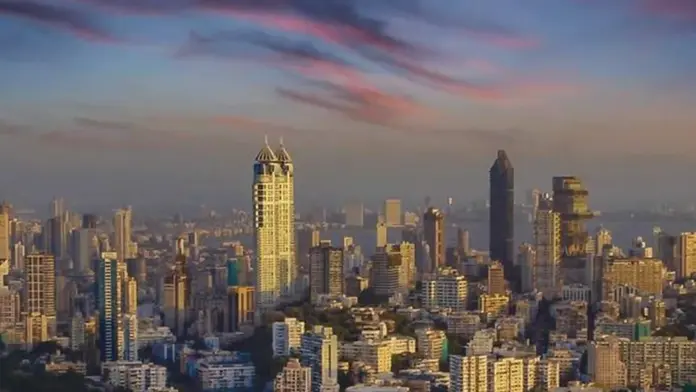
In a significant development within Mumbai’s luxury real estate sector, Bollywood actor Varun Dhawan and his wife, Natasha Dhawan, have acquired a premium apartment in the upscale Juhu locality for a staggering ₹44.52 crore. The high-profile transaction underscores the continued appeal of Mumbai’s Juhu area as a prime residential destination, especially among celebrities. The property in question is situated on the seventh floor of an under-construction building named Twenty, which is being developed by D’Decor Exports Private Limited. The project’s proposed completion date is set for May 31, 2025, as per the details available on the MahaRERA website.

This sprawling apartment spans over 5,100 square feet of RERA carpet area and includes four designated parking spaces. The luxurious abode is priced at more than ₹87,000 per square foot, reflecting the exclusivity and high demand for real estate in Juhu. The substantial price tag highlights the continuing trend of robust demand for luxury homes, particularly in high-end areas of Mumbai, where affluent buyers are willing to pay a premium for spacious, well-located residences.

The Dhawans’ acquisition of this property is a testament to the growing prominence of Juhu, which has long been a sought-after address for Bollywood’s A-listers. The locality’s central location, proximity to the beach, and thriving cultural scene make it an ideal choice for those in the entertainment industry seeking both privacy and luxury. Despite the pandemic-induced slowdown in some sectors, Juhu has continued to maintain its status as one of the most desirable residential areas in Mumbai, largely due to its strong market fundamentals and enduring appeal to high-net-worth individuals.

While the news of Varun Dhawan’s real estate investment makes headlines in the celebrity world, it is essential to examine the broader implications of such high-value transactions on Mumbai’s housing market. The luxury housing segment in Mumbai has been resilient, continuing to attract both Indian and international investors. The increasing preference for larger homes with modern amenities is driven by evolving lifestyles and the shift towards more spacious, comfortable living spaces. The continued demand for luxury properties also speaks volumes about the growing affluence among certain segments of Mumbai’s population. With celebrities like Varun Dhawan investing heavily in the city’s premium real estate, Juhu and similar neighbourhoods continue to see prices soar, making luxury homes more of a symbol of success and status.

From a broader urban perspective, this acquisition also contributes to the ongoing trend of modern, high-rise residential developments in Mumbai. As the city struggles with housing shortages, developments like Twenty cater to the top end of the market, highlighting a growing disparity between the luxury housing market and the affordable housing needs of the general population. While these luxury apartments offer state-of-the-art facilities and expansive living spaces, the demand for affordable homes in Mumbai remains a pressing civic issue. The government and developers alike face challenges in addressing the housing needs of the city’s middle and lower-income groups.

In terms of sustainability, the construction of luxury apartments like those in Twenty raises questions about the environmental impact of urban expansion in Mumbai. As the city grows vertically, developers are increasingly focusing on incorporating sustainable features into their projects, such as energy-efficient designs, water conservation systems, and green building certifications. However, for high-end developments, the emphasis on luxury amenities often overshadows sustainability initiatives. Nevertheless, as environmental consciousness increases across all sectors, future developments in the luxury housing market may witness more sustainable practices integrated into their design and construction.

Varun Dhawan’s luxury real estate purchase is emblematic of the changes unfolding in Mumbai’s real estate landscape, where the demand for exclusivity and luxury continues to thrive amidst an evolving urban and economic environment. The acquisition not only underscores the appeal of Mumbai’s premium properties but also highlights the larger trends shaping the city’s real estate market as a whole.


Luxury, Sustainability, and Change in 2025 Real Estate

    0
    Luxury, Sustainability, and Change in 2025 Real Estate
    Luxury, Sustainability, and Change in 2025 Real Estate

    Luxury, Sustainability, and Change in 2025 Real Estate

    As India’s real estate market enters 2025, the sector is poised for a transformative shift driven by the confluence of evolving buyer preferences, technological innovation, and a heightened focus on sustainability. With rapid urbanisation taking place alongside shifting consumer demands, the industry is increasingly aligning itself with global trends that prioritise green development, smart technologies, and affordable living solutions. The year ahead is expected to bring a moderation in price growth, but it will also witness a deeper shift towards sustainability and technological integration.

    After a dramatic surge in 2024, with an average 21% price increase in the housing sector, the primary housing market in 2025 is expected to experience a more tempered single-digit price rise. Analysts suggest that while demand remains robust, developers are likely to ramp up the supply of residential properties to meet this need. Experts believe that the anticipated reduction in the Reserve Bank of India’s repo rate could result in lower home loan interest rates, stimulating further demand. With fiscal incentives anticipated in the upcoming budget, especially for the affordable housing sector, the market’s focus will be on meeting the demands of a wider demographic, making homes more accessible while keeping affordability intact.

    Sustainability is taking centre stage in 2025’s real estate landscape. The growing focus on climate change and environmental responsibility has prompted developers and stakeholders to prioritise green building practices and energy-efficient designs. Mohit Bansal, CEO of GMI Infra, highlights the importance of this paradigm shift, stating that sustainability is no longer just an option but an essential requirement. As urban growth accelerates, more communities are expected to be designed with eco-friendly features, including solar panels, waste management systems, and energy-efficient buildings. This shift aligns with India’s broader environmental goals and reflects a deepened awareness of reducing the sector’s carbon footprint. With government policies, incentives, and regulations increasingly supporting sustainable practices, the focus on greener buildings is expected to escalate.

    Technology is another critical enabler driving the real estate transformation in 2025. Artificial intelligence (AI) and blockchain technology are revolutionising the way properties are bought, sold, and managed. AI-driven analytics are providing deeper insights into property values, market trends, and risk assessments, while blockchain ensures more secure and transparent transactions. Additionally, the integration of smart home technologies and the Internet of Things (IoT) is enhancing the appeal of residential properties, particularly among tech-savvy buyers. These technologies not only add convenience but also promote greater energy efficiency and sustainability, contributing to the long-term viability of real estate developments.

    In addition to these overarching trends, Tier-2 and Tier-3 cities are emerging as important growth centres in India’s real estate market. With improving infrastructure, government support, and affordability, these cities are witnessing a wave of real estate development. These regions are increasingly seen as attractive alternatives to overcrowded metropolitan cities, offering both premium and affordable housing options. As hybrid work models continue to gain traction, many urban professionals are seeking out homes in these cities, where they can enjoy a better quality of life at more competitive prices. This shift is supported by increased government investment in infrastructure and urban planning, further contributing to the sustainable and inclusive growth of these emerging markets.

    The real estate sector in 2025 will undoubtedly be shaped by a combination of sustainability, technological advancements, and evolving buyer preferences. With a stronger focus on environmental responsibility, cutting-edge innovation, and the rise of Tier-2 cities as growth hubs, the future of real estate looks set to be more inclusive, sustainable, and efficient than ever before. As urbanisation continues at a rapid pace, the need for sustainable development and affordable housing solutions will be key drivers of success in the industry.

    Flex Spaces Fuel Pune’s Real Estate Growth in 2024

    0
    Flex Spaces Fuel Pune’s Real Estate Growth in 2024
    Flex Spaces Fuel Pune’s Real Estate Growth in 2024

    Flex Spaces Fuel Pune’s Real Estate Growth in 2024

    Pune’s real estate market surged to unprecedented heights in 2024, with both its office and residential sectors reaching new benchmarks, according to the latest report from Knight Frank India. The city’s performance was characterised by an exceptional increase in office space transactions and residential sales, underscoring the city’s transformation into a key real estate hub.

    The office space market in Pune recorded a historic 8 million square feet in transactions, marking an impressive 19% year-on-year (YoY) growth. This achievement was largely driven by strong leasing activity in the first half of the year, which carried forward into a steady second half. Notably, the rise of flexible workspaces has been a defining trend, with flex spaces accounting for 35% of the total office space transactions. This reflects the increasing preference for hybrid work models that combine remote and in-office work. As a result, office rental rates also saw a 5% YoY increase, reaching INR 77 per square foot per month, signalling a healthy demand for quality office spaces in the city.

    The residential real estate market followed suit, with sales of over 52,000 units—marking a significant milestone for Pune, which had not seen such high figures since 2010. Residential prices rose by 6% YoY, averaging INR 4,778 per square foot, driven by a surge in demand. The INR 5–10 million segment was the most dominant, comprising 45% of all sales. However, premium housing segments also showed impressive growth, with sales in the INR 20–50 million and INR 100–200 million categories rising by 68% and 122%, respectively. This shift towards premium and luxury homes reflects the evolving preferences of the city’s growing professional class and its increasing urban sophistication.

    One of the standout features of Pune’s real estate growth in 2024 was the surge in new residential project launches. With 59,548 units introduced to the market, representing a 40% YoY increase, the city showcased its ability to meet the growing demand from IT professionals and other end-users. This growth was supported by enhanced infrastructure development, including better road connectivity, transport systems, and the overall urbanisation of the city. These developments not only cater to the increasing population but also help elevate Pune’s standing as a desirable destination for both residents and investors.

    The sustainability angle cannot be ignored when assessing Pune’s real estate boom. With an emphasis on hybrid workspaces and green building certifications, Pune’s market is increasingly aligning with global trends towards more sustainable urban development. In addition to expanding commercial and residential spaces, developers are incorporating eco-friendly practices in construction and planning. As demand for sustainable housing solutions grows, Pune’s developers are adapting to incorporate features such as energy-efficient buildings, water conservation systems, and green certifications. This shift towards a greener urban landscape is essential for the long-term sustainability of Pune’s real estate growth, ensuring that future developments align with global environmental standards.

    Pune’s remarkable performance in 2024 reflects not only its evolving real estate landscape but also its growing role in India’s urban transformation. With a robust office market, rising residential sales, and a shift towards more sustainable building practices, Pune is poised for continued growth in the coming years. As infrastructure improves and new opportunities for both work and living emerge, Pune’s real estate market stands as a model for other cities across India.

    CREDAI Maharashtra collaborates with SuperHumanRace to track real estate emissions

    CREDAI Maharashtra collaborates with SuperHumanRace to track real estate emissions
    CREDAI Maharashtra collaborates with SuperHumanRace to track real estate emissions

    CREDAI Maharashtra collaborates with SuperHumanRace to track real estate emissions

    In a groundbreaking move aimed at fostering sustainability in the real estate sector, CREDAI Maharashtra has partnered with SuperHumanRace, a leading technology company, to develop Regional Emissions Inventories for Maharashtra’s growing real estate industry. This strategic collaboration is designed to empower developers to adopt environmentally sustainable practices while enhancing their market competitiveness. The MoU was signed in the presence of industry leaders, including Pramod Khairnar, President of CREDAI Maharashtra, Aalok A. Deshmukh, Managing Director of SuperHumanRace, and Gagandeep Bhullar, CEO of SuperHumanRace.

    Pramod Khairnar highlighted the importance of the initiative, stating, “Maharashtra’s real estate sector is pivotal to India’s urban transformation. This collaboration comes at a crucial juncture, ensuring that growth is not just economically viable, but also environmentally sustainable.” The need for such measures becomes evident when considering India’s ambitious urbanisation targets, which are central to its goal of becoming the world’s third-largest economy by 2027. However, rapid urbanisation, while essential for economic growth, brings with it substantial environmental challenges. As cities are projected to contribute to 70% of India’s GDP by 2030, they will also be responsible for over 30% of the country’s emissions. Khairnar underscored the urgency of integrating low-carbon infrastructure into the development process to mitigate these risks.

    The collaboration between CREDAI Maharashtra and SuperHumanRace aims to address this very challenge by enabling the tracking and reduction of emissions within the real estate value chain. According to Aalok A. Deshmukh, “The creation of transparent, connected emissions inventories is a critical step in quantifying and addressing the carbon risks tied to urban expansion.” Through this partnership, the developers will have access to actionable data, which will allow them to implement sustainable procurement practices, identify carbon hotspots, and prepare for impending carbon regulations. Such actions will help mitigate the escalating risks posed by carbon emissions and ensure that Maharashtra’s real estate sector remains competitive in a rapidly evolving global market.

    The implementation of advanced AI and machine learning technologies by SuperHumanRace is expected to play a key role in streamlining this process. By automating the collection and analysis of emissions data, the initiative will provide real-time insights across the state’s real estate landscape. This technology-driven approach is essential, given the vast scope of data and the complexity of relationships within the real estate sector. Additionally, as the sector braces for stricter environmental regulations, including potential carbon taxes, this collaboration will help developers and construction material manufacturers mitigate costs and enhance their sustainability efforts.

    This partnership also addresses broader civic and environmental concerns. As urbanisation accelerates, the demand for carbon-neutral construction practices becomes even more critical. The real estate industry, which is a significant consumer of resources and a major emitter of greenhouse gases, must evolve to meet both national and international sustainability goals. With rising global awareness of climate change, India’s real estate market is now at a crossroads—adopting green building standards and embracing low-carbon technologies is no longer optional but essential. Through this collaboration, CREDAI Maharashtra and SuperHumanRace are setting the stage for a greener, more sustainable future for real estate development in the state, with the potential to serve as a model for other regions.

    Mumbai’s real estate market soared in 2024 with 96,000+ residential units sold

    Mumbai’s real estate market soared in 2024 with 96,000+ residential units sold
    Mumbai’s real estate market soared in 2024 with 96,000+ residential units sold

    Mumbai’s real estate market soared in 2024 with 96,000+ residential units sold

    Mumbai’s real estate market has witnessed a remarkable surge in 2024, achieving record-breaking performance levels across both the residential and office space sectors. According to Knight Frank India’s mid-year report, the city sold 96,187 residential units, marking an unprecedented 13-year high and an 11% year-on-year increase. This boom was particularly pronounced in the second half of the year, which saw 48,928 units sold. The festive season, coupled with the introduction of new projects, played a pivotal role in stimulating demand. In response, developers launched 96,470 new residential units, the highest level of new supply since 2014, while average residential prices increased by 5%.

    Peripheral areas such as Thane and the Central Suburbs dominated both the launches and sales, drawing buyers with competitive pricing and enhanced amenities. While properties priced below Rs 5 million remained the most popular, a noticeable shift towards higher price brackets was observed. Sales in the Rs 10–20 million segment rose to 20%, compared to 17% in 2023. Additionally, the Rs 20–50 million segment saw a growth from 6% to 10%, with premium properties seeing impressive sales figures. Notably, the ultra-luxury segment priced above Rs 500 million experienced a significant downturn, with a 60% decline in sales.

    The remarkable performance of Mumbai’s residential market is underpinned by a combination of factors, including strong demand for premium housing and transformative infrastructure projects. Gulam Zia, Senior Executive Director at Knight Frank India, highlighted several key initiatives driving this growth, such as the Mumbai Coastal Road, Metro Line 3, and the Mumbai Trans Harbour Link. These projects have not only enhanced the city’s connectivity but also significantly boosted its appeal as a prime location for real estate investment. This infrastructure-driven growth has made it increasingly attractive to buyers across all segments of the market.

    On the commercial real estate front, Mumbai’s office leasing market has also recorded its highest performance in over a decade. The city achieved a 40% year-on-year increase in leasing activity, with transactions reaching 10.4 million square feet. India-facing businesses have been the dominant players in this growth, accounting for 77% of the total leasing transactions. With the supply of new office space increasing by 89% to 5.8 million square feet, Mumbai’s office market is seeing a robust surge in demand. Improved metro connectivity, particularly the BKC metro line, has played a crucial role in enhancing accessibility and attracting more occupiers. Office rents have risen by 3.5%, reaching an average transacted rent of Rs 118 per square foot per month.

    From a sustainability perspective, Mumbai’s real estate market is increasingly aligning with eco-friendly development principles. Developers are incorporating energy-efficient technologies, sustainable building practices, and green certifications into both residential and commercial projects. This focus on sustainability is not only beneficial for the environment but also for investors, as eco-conscious buildings are seen as more attractive and future-proof in the long run. Moreover, with infrastructure projects like the Coastal Road and Trans Harbour Link focusing on enhancing environmental sustainability, Mumbai’s real estate market is on track to balance growth with eco-conscious urban development, ensuring that the city’s real estate boom also supports the broader goals of sustainable development.

    Pune’s office market grew by 19% in 2024, with 80 lakh square feet leased

    0
    Pune's office market grew by 19% in 2024, with 80 lakh square feet leased
    Pune's office market grew by 19% in 2024, with 80 lakh square feet leased

    Pune’s office market grew by 19% in 2024, with 80 lakh square feet leased

    In an impressive display of resilience, Pune’s office real estate market has registered a remarkable 19% growth in 2024. The city saw a total of 80 lakh square feet of office space leased during the year, according to recent data from Knight Frank India. This growth was primarily driven by a robust first half of the year, followed by a steady demand in the second half, despite global macroeconomic challenges. Leasing activity for the second half of 2024 accounted for 36 lakh square feet, highlighting the sustained demand across the city’s office real estate market.

    One of the key drivers behind this uptick has been the shift towards Grade A office spaces, with developers pivoting towards high-quality offerings. Bharat Agarwal, President of Naredco Pune, noted that the increasing demand from technology firms has been a major contributor to the market’s performance. He explained that the migration towards Grade A office space is expected to continue, as these modern, tech-friendly spaces offer the amenities that large corporations are seeking. However, Agarwal did caution that global policy changes, such as those in the US, could have short-term impacts on demand. Despite these concerns, Pune’s office space market seems well-positioned for continued growth.

    The city’s commercial leasing activity mirrored the larger national trend, where leasing in the top seven cities surged to an all-time high of 7.7 crore square feet, marking a 22.6% increase. Global firms have played a pivotal role in driving leasing activity, with India remaining a key focus for multinationals expanding their global capability centres. Samantak Das, Chief Economist at JLL, observed that global capability centres accounted for a significant 35.9% of India’s office leasing market in 2024. In Pune, flexible office spaces accounted for 35% of all leasing transactions, underscoring a shift in how companies approach office space solutions.

    As Pune continues to grow, the demand for Grade A office spaces is expected to surge, with projections estimating that the city may exceed 10 crore square feet of such spaces in 2025. The city is already witnessing rental growth, with office rents increasing from Rs 73.5 per square foot per month in 2023 to Rs 77 per square foot in 2024. This moderate increase in rental values signals a recovery of sorts, as the market continues to outpace pre-pandemic levels. However, it is the increasing market share of co-working spaces and flexible offices that provides an intriguing glimpse into the future of office leasing in Pune.

    Sustainability has increasingly become a focal point in the development of commercial office spaces, especially in cities like Pune. The growing emphasis on eco-friendly, energy-efficient buildings is set to shape the office leasing market in the years to come. Developers are now looking to integrate sustainable design features, such as solar panels, energy-efficient lighting, and smart building technology, into their office complexes. This shift not only aligns with global environmental goals but also helps companies reduce their carbon footprint. As Pune continues to develop into a leading business hub, the incorporation of sustainable practices into its office real estate will likely become a key selling point for tenants.

    NewMalayalam Steel Secures INR 13 Crore Orders

    NewMalayalam Steel Secures INR 13 Crore Orders
    NewMalayalam Steel Secures INR 13 Crore Orders

    NewMalayalam Steel Secures INR 13 Crore Orders

    In a significant boost to its growth trajectory, NewMalayalam Steel Limited (NSE: NMSTEEL), a leader in the manufacturing of galvanized pipes, tubes, and sheets, has announced that it has secured a slew of orders from domestic entities, valued at INR 13.85 crore. These orders, which were acquired over a span of just seven days, further consolidate the company’s position in the competitive steel industry and underscore its commitment to quality and customer satisfaction.

    This surge in orders has brought the total value of NewMalayalam Steel’s order book to INR 13.85 crore, reflecting the growing demand for its high-quality steel products. The company’s strategic focus on expanding its market footprint and strengthening its relationships with clients appears to be paying off. By consistently delivering products that meet the evolving needs of its customers, NewMalayalam Steel has not only captured significant market share but also enhanced its earnings visibility, which bodes well for its future growth prospects. Vazhappily Davis Varghese, the Managing Director of NewMalayalam Steel, expressed his enthusiasm regarding the recent developments, stating, “We are thrilled to have earned the trust and partnership of these esteemed entities.

    These orders reaffirm our unwavering commitment to quality, reliability, and customer satisfaction. Our focus remains on ensuring timely delivery and nurturing strong, long-term relationships with all our stakeholders.” The rising demand for NewMalayalam Steel’s products is indicative of the company’s promising growth prospects. With an expanded order book and a steadfast dedication to delivering top-notch products, the company is poised to leverage this surge in demand, positioning itself for sustained success and solidifying its reputation as a key player in the steel industry.

    Cement Sector Eyes 18% GST in Upcoming Budget

    Cement Sector Eyes 18% GST in Upcoming Budget
    Cement Sector Eyes 18% GST in Upcoming Budget

    Cement Sector Eyes 18% GST in Upcoming Budget

    In a strategic push to reduce costs and stimulate growth in the cement industry, JK Lakshmi Cement has advocated for a reduction in the Goods and Services Tax (GST) on cement from 28 percent to 18 percent. This demand, articulated by Arun Shukla, the President and Director of JK Lakshmi Cement, highlights the pressing need to enhance cement consumption, which is considered vital for the development of India’s infrastructure.

    With the country witnessing an increasing demand for cement, particularly driven by large-scale infrastructure projects, the cement industry is grappling with the high taxation on this essential material. According to Shukla, a reduction in GST could significantly lower the cost of cement, thereby making it more accessible for builders and consumers, and potentially fuelling a greater push towards the construction of vital infrastructure across the country. Shukla pointed out that cement is integral to building world-class infrastructure and, by extension, plays a key role in supporting India’s economic growth. He emphasised that cement concrete roads, which last longer and incur lower long-term maintenance costs, are a perfect example of where such policy changes could lead to substantial savings.

    Reducing the tax burden could not only encourage the use of cement in more projects but also align with the government’s vision for sustainable and economically viable development. JK Lakshmi Cement, which currently has an annual capacity of 18 million tonnes, is also planning an expansion to 30 million tonnes by 2030, in line with the expected growth in demand, which is projected to rise at an annual rate of 7-8 percent. In such a scenario, lowering GST on cement could provide a much-needed incentive to boost production and consumption, ensuring that the sector remains competitive and efficient. As the industry continues to call for policy intervention in the upcoming Budget, stakeholders are hopeful that this step could lead to a more robust and affordable cement market, positioning India’s infrastructure development for a sustainable future.

    Demarcation Process for Rayagada Railway Division in Odisha Progresses

      0
      Demarcation Process for Rayagada Railway Division in Odisha Progresses
      Demarcation Process for Rayagada Railway Division in Odisha Progresses

      Demarcation Process for Rayagada Railway Division in Odisha Progresses

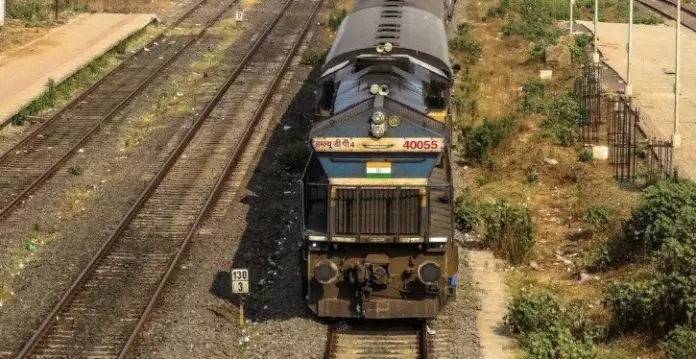
      The process of demarcating the areas for the new Rayagada railway division in Odisha is currently underway, with an official notification to be issued once the area identification is completed. Railway sources confirmed that the demarcation is in progress, but the division has not yet been officially notified.

      The Eastern Coast Railway (ECoR) zone, headquartered in Bhubaneswar, currently oversees three railway divisions: Khurda Road, Sambalpur, and Waltair. The new Rayagada railway division, once operational, will be carved out of the Waltair division. It will be the fourth division within the ECoR zone and the 70th railway division in the country.

      On January 6, 2025, Prime Minister Narendra Modi laid the foundation stone for a building that will house the office of the Divisional Railway Manager (DRM) for Rayagada. However, there was some confusion in the media about this event. Sources clarified that while Prime Minister Modi inaugurated the office building’s foundation for Rayagada, the actual formal establishment of the division itself is still in progress. It is important to note that the Prime Minister had previously inaugurated the Jammu railway division, making it the 69th division in India. The Rayagada division will be developed following similar processes to those used for the Jammu division. Once completed, the new division is expected to enhance railway connectivity and infrastructure in the region, providing a boost to the local economy and improving transportation services in Odisha. The construction of the DRM office building is expected to be an important step in this development. The formal notification for Rayagada’s division is eagerly anticipated and is expected to improve regional railway management and service delivery.

      Delhi Reduces Groundwater Extraction from 127% to 99% in a Decade

        0
        Delhi Reduces Groundwater Extraction from 127% to 99% in a Decade
        Delhi Reduces Groundwater Extraction from 127% to 99% in a Decade

        Delhi Reduces Groundwater Extraction from 127% to 99% in a Decade

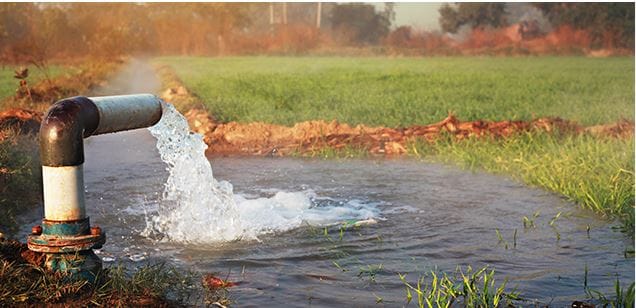
        The Central Ground Water Authority (CGWA) has informed the National Green Tribunal (NGT) that groundwater extraction in Delhi has significantly decreased from 127% in 2013 to 99% in 2023. This reduction is part of broader efforts to address water scarcity and improve groundwater management across India.

        The NGT had earlier taken suo motu cognisance of a report from the United Nations predicting critically low groundwater availability in several regions of India by 2025. In response, the CGWA has outlined the measures taken in collaboration with the Union Ministry of Jal Shakti (MoJS) to curb excessive extraction and enhance groundwater levels. These measures include the promotion of artificial recharge, rainwater harvesting, sustainable agricultural practices, and community participation. According to the CGWA’s action-taken report submitted in January 2025, the reduction in groundwater extraction across many states and Union Territories (UTs) shows positive signs of improvement. The reduction in Delhi’s extraction rate, from 127% to 99%, highlights the progress made in managing groundwater resources more sustainably in the National Capital Territory (NCT). Furthermore, groundwater recharge from various sources has increased significantly, rising from 146.42 billion cubic metres (BCM) in 2013 to 170.4 BCM in 2023. This increase in recharge is a crucial step in reversing the trend of declining water levels in many parts of the country.

        In addition, the overall groundwater extraction rate in India has reduced from 62.7% in 2013 to 59% in 2023, indicating that national efforts are yielding results. However, the CGWA has acknowledged that some states are still facing higher-than-recommended extraction rates, which poses a challenge to the sustainability of water resources. One of the key challenges in water management has been the illegal extraction of groundwater. The CGWA reported that it collected around Rs 41.74 crore in environmental compensation from violators involved in illegal groundwater extraction activities across the country. The authority is also addressing contamination issues by constructing arsenic-safe and fluoride-free wells in states like West Bengal, Bihar, Uttar Pradesh, and Rajasthan.

        Additionally, the report highlighted positive changes in water table levels across various states. Notably, water levels in Chhattisgarh, Odisha, and Uttar Pradesh have seen a 50% increase, while Kerala and Tamil Nadu experienced 74% and 72% increases, respectively. In Gujarat and West Bengal, the water table levels rose by 61% and 59%, respectively, reflecting the success of groundwater recharge initiatives. The CGWA continues to monitor groundwater levels quarterly through a network of approximately 27,000 monitoring wells across India. Despite the challenges, the CGWA remains optimistic that coordinated efforts with state governments will further help restore groundwater levels and ensure sustainable water availability in the future. In light of a recent United Nations study, which predicted critically low groundwater availability in parts of the Indo-Gangetic basin by 2025, the CGWA’s efforts take on even greater significance. By implementing measures that promote responsible extraction and enhance recharge capabilities, the government hopes to mitigate the risks of severe water scarcity in the coming years.