Home Blog Page 389

CII Proposes Key Measures to Boost India’s Growth for Union Budget 2025-26

    0
    CII Proposes Key Measures to Boost India's Growth for Union Budget 2025-26
    CII Proposes Key Measures to Boost India's Growth for Union Budget 2025-26

    CII Proposes Key Measures to Boost India’s Growth for Union Budget 2025-26

    As India prepares for its Union Budget 2025-26, the Confederation of Indian Industry (CII) has submitted a set of strategic recommendations to guide the government’s policy decisions and drive the country’s economic growth. The proposals cover critical areas such as green financing, tax reforms, digital infrastructure, and job creation, aiming to align India’s financial and developmental goals with emerging priorities.

    A key focus of the CII’s recommendations is reforming the Priority Sector Lending (PSL) framework, which mandates that banks provide a certain percentage of loans to sectors crucial for socio-economic development. CII Director General Chandrajit Banerjee has called for a recalibration of the PSL framework to reflect India’s changing economic landscape. For instance, agriculture’s contribution to GDP has fallen from over 30% in the 1990s to just 14% today, yet it continues to receive a large share of PSL funding. CII has proposed redirecting funds towards emerging sectors such as green energy, digital infrastructure, healthcare, and advanced manufacturing, which are expected to drive future growth. “PSL allocations should reflect GDP contributions and sectoral growth potential,” Banerjee said. The inclusion of green projects, electric vehicles, and climate-resilient agriculture as priorities for PSL funding is part of CII’s push for sustainable development. With a growing focus on sustainability, CII has also recommended prioritising green financing for projects that promote clean energy and environmental resilience. Additionally, the need to develop digital infrastructure, including artificial intelligence and advanced data networks, has been emphasised. These technological advancements will not only help modernise India’s economy but will also be pivotal in maintaining global competitiveness.

    Given the persistent inflationary pressures, CII is calling for targeted government interventions to boost disposable incomes and stimulate consumer spending. Key measures include reducing excise duties on fuel, which have been driving inflation, and lowering personal income tax rates, especially for those earning up to Rs 20 lakh annually. These tax reforms aim to address the disparity between the personal tax rate and corporate tax rates, thereby improving purchasing power. In addition, CII has suggested increasing wages under the MGNREGS scheme and enhancing PM-KISAN benefits to provide relief to rural and farming communities. Furthermore, the introduction of consumption vouchers for low-income groups would provide immediate support for specific goods and services, helping to revive demand in the economy.

    CII also places a strong emphasis on employment generation, proposing a National Employment Policy to consolidate various employment schemes. Specific suggestions include the establishment of a Universal Labour Information Management System (ULIMS) to provide detailed insights into job opportunities, skills demand, and training programs. This system would be integrated with the National Career Service (NCS) to help connect job seekers with employers. Moreover, CII advocates for tax incentives for businesses that create new jobs and for targeted support for labour-intensive sectors such as construction, textiles, and tourism. In addition, CII is calling for measures to increase female workforce participation through gender-sensitive policies and support for the care economy.

    With household savings declining in recent years, CII has recommended reforms to encourage greater savings in the economy. These include reducing the tax rate on interest income from bank deposits and lowering the lock-in period for fixed deposits with preferential tax treatment. These measures would help channel more savings into productive investments, supporting long-term economic growth. CII’s comprehensive proposals for the Union Budget 2025-26 outline a clear path for achieving India’s economic aspirations, with a focus on sustainable growth, digital transformation, and social welfare. By recalibrating financial frameworks like PSL, boosting domestic consumption, and supporting job creation, these recommendations aim to unlock India’s demographic dividend and propel it towards a more prosperous future. As the government considers these suggestions, the coming Budget will be a crucial turning point in shaping India’s next phase of growth.
    Nuvoco Vistas Successfully Secures Vadraj Cement Assets in Insolvency Resolution Process

    Nuvoco Vistas Successfully Secures Vadraj Cement Assets in Insolvency Resolution Process
    Nuvoco Vistas Successfully Secures Vadraj Cement Assets in Insolvency Resolution Process

    Nuvoco Vistas Successfully Secures Vadraj Cement Assets in Insolvency Resolution Process

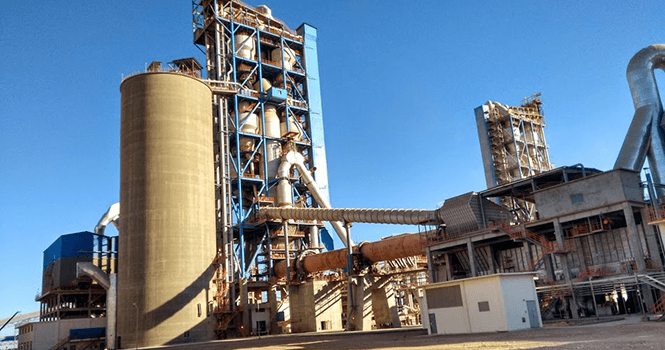
    Nuvoco Vistas Corporation Ltd., India’s fifth-largest cement manufacturer and a key player in the East, has successfully emerged as the Resolution Applicant in the ongoing Corporate Insolvency Resolution Process (CIRP) of Vadraj Cement Limited (VCL). The Committee of Creditors (CoC) has approved Nuvoco’s Resolution Plan, and a Letter of Intent (LOI) has been issued, marking a significant step forward in the deal. The acquisition will be executed through Vanya Corporation Private Limited, a wholly owned subsidiary of Nuvoco Vistas. The company plans to fund the transaction without significantly increasing its consolidated debt levels, with investments being spread out over 15 months. These funds will be primarily directed towards refurbishing assets and improving operational efficiency across VCL’s plants. Nuvoco aims to commence production at VCL’s facilities by the third quarter of FY27, contingent upon receiving approval from the Hon’ble National Company Law Tribunal (NCLT).

    The acquisition includes VCL’s 3.5 MMTPA clinker unit located in Kutch, Gujarat, and a 6 MMTPA grinding unit in Surat, Gujarat. The deal also adds high-quality limestone reserves and a captive jetty in Kutch, ensuring a steady and sustainable supply of raw materials and enhancing logistical efficiency. As a result of the acquisition, Nuvoco’s cement production capacity will increase to approximately 31 MMTPA, with the capacity distribution as 19 MMTPA in the East, 6 MMTPA in the North, and 6 MMTPA in the West. This expansion will strengthen Nuvoco’s position as India’s fifth-largest cement group, solidifying its long-term market dominance. The transaction is expected to generate significant synergies with Nuvoco’s existing plants in Nimbol and Chittorgarh, Rajasthan. These synergies will enhance operational efficiency, optimise logistics, streamline processes, and improve competitiveness, providing Nuvoco with enhanced market access and a more robust supply chain across key regions.

    Jayakumar Krishnaswamy, Managing Director of Nuvoco Vistas Corp. Ltd., stated, “This deal represents a pivotal moment in Nuvoco’s growth trajectory. It consolidates our position as a leading player in the Indian cement industry and strengthens our market presence. This acquisition aligns perfectly with our existing operations, expanding our geographic footprint and operational capabilities. We are confident this strategic investment will enhance our portfolio, diversify our offerings, and deliver increased value to our customers in an increasingly competitive market.”

    Maharashtra Plans to Develop Vadhavan as the ‘Fourth Mumbai’ with Major Infrastructure Upgrades

    Maharashtra Plans to Develop Vadhavan as the 'Fourth Mumbai' with Major Infrastructure Upgrades
    Maharashtra Plans to Develop Vadhavan as the 'Fourth Mumbai' with Major Infrastructure Upgrades

    Maharashtra Plans to Develop Vadhavan as the ‘Fourth Mumbai’ with Major Infrastructure Upgrades

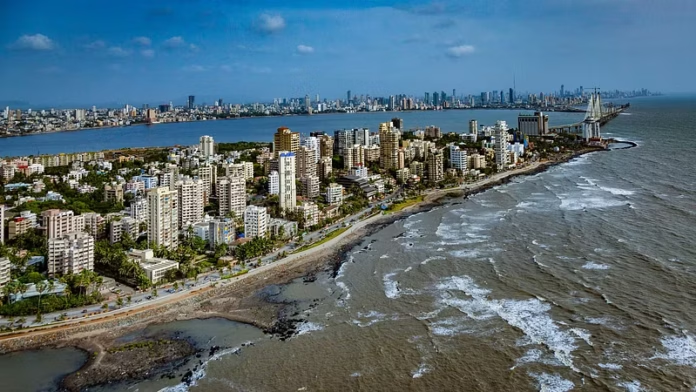
    Maharashtra’s economic growth, the state government has unveiled plans to develop Vadhavan, a city located in the Palghar District, into a major urban centre dubbed the “fourth Mumbai.” The plan includes the development of large-scale infrastructure projects, positioning Vadhavan as a future hub for trade, transport, and urban expansion.

    Vadhavan, situated along the western coast and facing the Arabian Sea, is poised to become a vital commercial and transportation node, helping alleviate the strain on Mumbai’s existing infrastructure. Maharashtra Chief Minister Devendra Fadnavis, in a recent high-level meeting, emphasised the importance of this development, stating that Vadhavan would evolve into a new economic powerhouse with world-class infrastructure.

    One of the primary drivers of this development is the Vadhavan Port project, which was approved by the Government of India last year. The port will be a major Greenfield deep draft facility, built to handle large volumes of cargo and container traffic. The project, with an estimated total cost of Rs 76,220 crore, is set to include nine container terminals, four multipurpose berths, and specialised facilities for liquid cargo, Ro-Ro (roll-on/roll-off) operations, and even a Coast Guard berth. The construction of the Vadhavan Port will involve significant land reclamation and the creation of 1,448 hectares of sea area, alongside the building of a 10.14-km offshore breakwater. The port is expected to handle 298 million metric tonnes (MMT) of cargo annually, with a container handling capacity of 23.2 million TEUs (Twenty-foot Equivalent Units). This state-of-the-art port will support trade across Maharashtra, Gujarat, Madhya Pradesh, and North India, positioning Vadhavan as a key logistical hub. Adding to the infrastructure momentum, the Maharashtra government plans to enhance Vadhavan’s connectivity through a dedicated coastal road and a high-speed bullet train corridor. Both projects will link Vadhavan to Mumbai, improving access to and from the new city. The bullet train will facilitate quick travel between Vadhavan and major urban centres, while the coastal road will enable easy transport of goods to and from the new port, streamlining logistics operations.

    These projects are expected to significantly reduce travel times and improve overall connectivity for the region, providing an efficient network for both people and goods, which will be crucial for the development of Vadhavan as a major urban centre. As part of the ambitious plans to turn Vadhavan into a bustling metropolis, the Maharashtra government is also planning the construction of a new airport. The proposed airport will further strengthen Vadhavan’s connectivity, not just with Mumbai but with international destinations as well. CM Fadnavis has highlighted the urgency of finalising the airport plans to ensure the timely completion of all infrastructure projects required to support Vadhavan’s growth. The airport will be crucial for both passenger travel and the movement of goods, further supporting the commercial potential of the region.

    With these transformative infrastructure developments on the horizon, the real estate sector in Vadhavan is expected to see a significant uptick. Developers are likely to capitalise on the growing demand for residential, commercial, and industrial spaces in the region. As the port and transport infrastructure expand, Vadhavan will not only attract businesses and trade-related activities but will also provide ample opportunities for residential developments and commercial establishments. For investors and real estate developers, Vadhavan presents an exciting opportunity, as the government’s vision for the “fourth Mumbai” promises to unlock enormous potential for property development and urban growth. With better infrastructure, improved accessibility, and a flourishing port and airport, Vadhavan is well-positioned to become a vibrant urban centre in Maharashtra. As the Maharashtra government moves forward with its plans for Vadhavan, the region is poised to experience a transformative shift. With the development of world-class infrastructure, including the Vadhavan Port, bullet train, coastal road, and new airport, Vadhavan will emerge as a central economic hub, relieving pressure on Mumbai while creating new opportunities for trade, business, and real estate development. The vision for the “fourth Mumbai” is ambitious but holds immense promise, not only for Maharashtra but for India’s broader economic future.

    Microcap Stock Mach Conferences Soars 15% on Adani Cement Partnership News

    Microcap Stock Mach Conferences Soars 15% on Adani Cement Partnership News
    Microcap Stock Mach Conferences Soars 15% on Adani Cement Partnership News

    Microcap Stock Mach Conferences Soars 15% on Adani Cement Partnership News

    Mach Conferences & Events Limited (MCEL) saw a significant surge in its stock price during Monday’s trading session, with shares jumping by 15.32 percent to reach an intraday high of ₹281.90, compared to the previous closing price of ₹244.45. The stock opened at ₹263 and is currently trading around ₹270, reflecting a strong market response to the company’s announcement of a new partnership with Adani Cement.

    This collaboration is poised to enhance MCEL’s standing as a prominent event management service provider. As part of the partnership, MCEL has secured a high-profile project that will involve logistics, accommodations, and sightseeing arrangements for over 1,200 participants across Delhi, Agra, and Gujarat, with completion expected this financial year. The partnership marks a key milestone as MCEL continues to strengthen its B2C vertical. The company is also focusing on expanding its technological capabilities, with plans to hire a Chief Technology Officer (CTO) and build a dedicated tech team. However, management has taken a measured approach to expansion, ensuring a balance between profitability and growth, while capitalizing on a robust order book.

    MCEL’s ability to manage large-scale, high-value events has been evident, as seen in its successful execution of a banking event in Istanbul with 550 participants, generating ₹13.5 crores, and a health insurance conference in Vietnam for 850 attendees, valued at ₹5.5 crores. The company’s strategic expansion efforts also include the opening of a new office in Kolkata, aimed at improving visibility and operational efficiency in eastern India.

    Technical Issues Lead to Shutdown at Cement Plant in Fujairah

    Technical Issues Lead to Shutdown at Cement Plant in Fujairah
    Technical Issues Lead to Shutdown at Cement Plant in Fujairah

    Technical Issues Lead to Shutdown at Cement Plant in Fujairah

    A cement plant in Fujairah has temporarily suspended its operations following a technical malfunction that caused thick smoke to rise from its chimney. This incident sparked concerns about its potential environmental impact, prompting an immediate inspection by the Fujairah Environment Authority (FEA) to assess whether the facility was adhering to local environmental regulations and standards.

    The technical malfunction, which occurred at the plant, raised alarms among local authorities, who were concerned about the possibility of pollutants being released into the environment. In response to these concerns, the cement plant management swiftly initiated safety protocols, including halting all operations. This decisive action was taken to prevent any further environmental risks and to allow for a thorough inspection and assessment of the plant’s infrastructure. As part of the regulatory process, the Fujairah Environment Authority conducted a detailed inspection to evaluate the environmental risks and confirm that the plant was in compliance with the stringent environmental laws governing industrial operations in the region. The facility has also been required to submit a comprehensive plan to address the technical malfunction, including a timeline for the necessary repairs and improvements.

    The plan will outline the preventive measures that will be implemented to avoid similar malfunctions in the future and minimize any potential impact on the environment. The plant’s response is in line with the UAE’s commitment to environmental sustainability and industrial safety. Local authorities are working closely with the cement plant’s management to ensure that the situation is fully rectified and that operations can resume once the necessary repairs and preventive measures are in place. This collaboration highlights the importance of ongoing monitoring and compliance with environmental standards in safeguarding both public health and the environment. Authorities will continue to monitor the plant’s progress and ensure that all regulatory requirements are met before operations resume. The incident serves as a reminder of the critical need for continuous maintenance and adherence to safety protocols to minimize environmental risks associated with industrial operations.

    Dharamshala Hoteliers Call for Urgent Infrastructure Improvements to Boost Tourism

      0
      Dharamshala Hoteliers Call for Urgent Infrastructure Improvements to Boost Tourism
      Dharamshala Hoteliers Call for Urgent Infrastructure Improvements to Boost Tourism

      Dharamshala Hoteliers Call for Urgent Infrastructure Improvements to Boost Tourism

      Hoteliers in Dharamshala have raised serious concerns about the declining tourism in Himachal Pradesh, particularly in the Kangra-Chamba region, due to inadequate infrastructure and poor connectivity. In a recent dinner meeting with the Member of Parliament (MP) for Kangra-Chamba, Rajeev Bhardwaj, the Hotel & Restaurant Association of Dharamshala presented a memorandum highlighting the region’s struggle to compete with neighbouring tourist destinations like Uttarakhand and Jammu & Kashmir.

      Ashwani Bamba, the president of the association, expressed the frustration of local hoteliers who believe that the region’s rich cultural and natural offerings, such as the Dalai Lama’s presence and numerous temples, are being overlooked by tourists due to the area’s poor infrastructure. He pointed out that the region faces a significant drop in tourism during the winter months, largely due to the lack of adequate transportation and infrastructure.

      Kangra has long struggled with accessibility issues, particularly for tourists coming from major cities. The absence of a fast and efficient railway system is a major barrier, and the association is pushing for the upgrading of the Kangra-Pathankot-Joginder Nagar narrow gauge railway line to a broad gauge. This upgrade would help facilitate smoother and faster transportation for visitors, opening up the region to more tourists throughout the year. Despite its stunning natural attractions, including the Inderhara glacier, the tourism potential of the region remains underutilised due to the accessibility challenges. The association has proposed the creation of a ropeway connecting key locations, such as Bhagsunag, Truind, and Inderhara, to enhance connectivity and attract winter tourism. The ropeway, they argue, would provide tourists with an easy, scenic route to the Dholadhar ranges, allowing visitors of all ages to explore the snow-capped mountains safely and conveniently.

      Given that the state of Himachal Pradesh is currently facing a financial crunch, the association has asked MP Rajeev Bhardwaj to intervene and help secure central funding for critical infrastructure projects under the Swadesh Darshan 2.0 and PRASHAD schemes. The hoteliers are requesting funding for the construction of essential facilities such as parking spaces, public conveniences, resting areas, and beautification of key tourist destinations. Although Dharamshala is part of the Smart City programme, the association claims that the city still lacks many basic amenities such as parking, sewage systems, signages, community centres, and smart mobility solutions. The association has urged the MP to push for the development of the Dharamshala Tourism Circle under the Swadesh Darshan 2.0 scheme to ensure the region’s holistic, sustainable growth.

      In addition to requesting central government funding, the association also asked MP Bhardwaj to use funds under the Member of Parliament Local Area Development Scheme (MPLADS) for creating basic infrastructure in the region. The hoteliers believe that these funds could be instrumental in addressing immediate infrastructure needs, providing a more attractive and convenient destination for tourists. The meeting underscored the growing concerns of the local tourism industry and the need for significant investment in infrastructure and connectivity. With its rich cultural heritage and stunning natural beauty, Dharamshala and the Kangra-Chamba region have immense potential to become a year-round tourist destination. However, as Ashwani Bamba pointed out, unless the region’s infrastructure issues are addressed, it risks losing out to neighbouring states that are investing heavily in improving their tourism infrastructure. As the memorandum has been handed over to MP Rajeev Bhardwaj, the hope is that his intervention will help secure the funding and resources necessary to transform the region into a sustainable and attractive tourist hub for the long term.

      Coastal Land Scam Exposed in Mumbai, 102 Forged Property Maps Linked to Illegal Constructions

      Coastal Land Scam Exposed in Mumbai, 102 Forged Property Maps Linked to Illegal Constructions
      Coastal Land Scam Exposed in Mumbai, 102 Forged Property Maps Linked to Illegal Constructions

      Coastal Land Scam Exposed in Mumbai, 102 Forged Property Maps Linked to Illegal Constructions

      A special investigation team (SIT) has uncovered a major land scam in Mumbai, revealing the manipulation of property records to convert environmentally sensitive Coastal Regulation Zone (CRZ) and No Development Zone (NDZ) lands into developable plots. The scam, which involves the alteration of at least 102 property maps, has resulted in the arrest of four individuals, including two retired government employees, and is linked to illegal construction along Mumbai’s coastline.

      The investigation, initiated by the Bombay High Court, was prompted by a complaint filed in 2021 by Vaibhav Thakur, a farmer from Erangal in Malad. Thakur, who owns ancestral farmland, discovered that government records had been tampered with to classify CRZ and NDZ areas as developable zones. Despite his initial complaint, including reports to the Brihanmumbai Municipal Corporation (BMC) and the Goregaon police, little progress was made in addressing the issue. Further revelations came in 2021 when Deputy Superintendent of Land Records, Nitin Salunkhe, lodged a second FIR, uncovering that between 2012 and 2020, maps and official documents were forged to regularize illegal constructions in eco-sensitive areas. The issue gained significant attention in the Maharashtra state assembly in 2022, prompting the government to establish an inquiry committee. These findings were eventually presented to the High Court, which ordered the formation of the SIT to investigate the matter.

      Under the leadership of Joint Commissioner of Police (Crime), Lakhmi Gautam, the SIT has made several arrests, including contractor Narshim Puttawallu, 50, retired City Survey Office officials Devdas Jadhav and Marade, and real estate agent Imam Shaikh. These individuals are accused of collaborating with government officials to manipulate over 100 property maps, incorporating false information such as fabricated City Survey numbers, non-existent constructions, and altered property boundaries. The forged documents were used to gain approvals for construction projects, which were then sold based on fraudulent claims, leading to significant ecological damage and loss of revenue for the government.

      The investigation uncovered that 102 maps out of 884 permanent enumeration maps from 1955 to 1984 were forged. These maps depicted constructions that did not exist prior to 1964, further compounding the illegal activity. As a result of the SIT’s findings, the Maharashtra government has instructed the Principal Secretary of Urban Development and the Director of Land Records in Pune to take action against the responsible parties for the manipulation of public records. The illegal constructions on CRZ and NDZ lands have caused severe ecological damage and significant financial losses to the state, with a senior police official confirming the serious impact on the region’s environmental balance. The SIT has also summoned 18 BMC and Land Records Department officials for questioning. However, the investigation was temporarily delayed due to the election process. The authorities have vowed to continue their investigation and ensure that all those responsible are held accountable for their role in this land scam.


      Environmentalists Call for Action to Halt Stone Quarrying Near Bhayandarpada Skyscrapers

        0
        Environmentalists Call for Action to Halt Stone Quarrying Near Bhayandarpada Skyscrapers
        Environmentalists Call for Action to Halt Stone Quarrying Near Bhayandarpada Skyscrapers

        Environmentalists Call for Action to Halt Stone Quarrying Near Bhayandarpada Skyscrapers

        Environmentalists have raised urgent concerns about the safety of several skyscrapers located in Bhayandarpada, a residential area near Ghodbunder in Thane. The green groups, led by the Watchdog Foundation and NatConnect Foundation, have written to Maharashtra Chief Minister Devendra Fadnavis, calling for immediate intervention to stop the ongoing stone quarrying activity in the region. The activists warn that the constant quarrying and blasting in the area pose a significant threat to the structural integrity of the surrounding buildings.

        The quarry site is located alarmingly close to residential properties, just 30 metres away from the nearest building, violating a National Green Tribunal (NGT) order issued in September 2020. The NGT had set strict guidelines requiring a 200-metre buffer zone between stone quarries and residential or public structures, with a minimum distance of 100 metres from areas where blasting occurs. According to the activists, the current quarrying operations flout these regulations, putting residents at serious risk.

        The continuous quarrying and blasting activities have caused high vibrations in the area, which threaten the stability of nearby skyscrapers. Advocate Godfrey Pimenta, director of the Watchdog Foundation, explained that even a minor seismic event or tremor could trigger a landslide or building collapse. He likened the potential effect to a “house of cards” that could crumble under the slightest pressure. The green groups fear that the buildings, already compromised by the ongoing disturbances, are at high risk of structural failure. In addition to the physical risks posed by the quarrying, residents are also exposed to pollution. The high noise levels and dust pollution from the blasting and excavation work are further contributing to the deteriorating living conditions in the area. As B N Kumar, director of NatConnect Foundation, pointed out, this pollution adds another layer of concern for residents who already face risks to their safety. The activists have called for an immediate official inspection of the quarry site to assess the damage and risks it poses. They have urged the state authorities to issue a stop-work order for the quarry and initiate legal proceedings against those responsible for the violations of the NGT guidelines. The activists are also pressing for measures to safeguard the well-being of residents, including securing their homes from potential structural damage.

        While the Maharashtra Chief Minister’s office has yet to respond to the letters sent by the green groups, the activists are prepared to take further action if necessary. They are considering filing Right to Information (RTI) requests with the Thane authorities to gain a clearer understanding of the permissions granted to the quarries operating in the area. Their aim is to uncover any irregularities in the approvals and hold the responsible parties accountable. For the residents of Bhayandarpada, the threat posed by quarrying activities is all too real. The fear of a potential landslide or building collapse is a constant worry for families living in the affected skyscrapers. Just recently, a similar situation occurred in Belapur, Navi Mumbai, where a building suffered a cave-in due to heavy drilling at a nearby construction site. The residents of Bhayandarpada are now understandably anxious that they could face the same fate unless urgent action is taken.

        As the situation develops, the green groups are calling for swift and decisive action to protect the lives and properties of the residents. The activists’ appeal to the Chief Minister underscores the critical need for a comprehensive approach to managing urban development and ensuring the safety of communities living near such hazardous operations. The stone quarrying activities in Bhayandarpada represent a pressing environmental and safety issue that demands immediate attention. With the potential for landslides and building collapses, along with severe noise and air pollution, the residents of the area are living under constant threat. By urging the Chief Minister’s intervention, environmentalists hope to bring about the necessary legal and regulatory measures to protect lives and ensure that urban development in Mumbai’s peripheries is carried out safely and sustainably.

        Macrotech Expands Its Reach with 8 New Projects

        0
        Macrotech Expands Its Reach with 8 New Projects
        Macrotech Expands Its Reach with 8 New Projects

        Macrotech Expands Its Reach with 8 New Projects

        Macrotech Developers, widely recognised as Lodha Group, has reported impressive pre-sales of ₹4,500 crore for the third quarter of FY25, marking a 32% year-on-year growth from ₹3,400 crore in the same period last year. This record-breaking performance reflects the company’s robust strategy and effective execution across its diversified portfolio. The pre-sales numbers, according to company officials, have reached their highest ever and are indicative of the market’s growing confidence in the brand’s offerings. Furthermore, collections for Q4FY25 reached over ₹4,200 crore, registering a significant 66% increase compared to ₹2,500 crore during the same period last year.

        In a further display of its strong market position, Macrotech Developers expanded its footprint in the Bengaluru real estate market with the addition of a new project valued at ₹2,800 crore. This move is in line with the company’s larger strategic focus on consolidating its presence in key metropolitan regions. As of now, the company boasts five locations in Bengaluru, positioning itself for considerable pre-sales growth in the city from FY26 onwards. Bengaluru, with its rapidly expanding tech industry and urban infrastructure, offers immense growth potential for Macrotech as it moves beyond its established bases in Mumbai and Pune.

        The company’s expansion strategy continues to unfold with the addition of eight new projects in FY25 across the Mumbai Metropolitan Region (MMR), Pune, and Bengaluru, contributing a total gross development value (GDV) of over ₹19,500 crore. This substantial increase in its project pipeline is expected to bring the company closer to achieving its full-year guidance of 90% growth. Moreover, Macrotech’s continued focus on strengthening its land bank, including the recent acquisition of 33 acres for its Digital Infrastructure business in Delhi NCR, aligns with the company’s vision for sustainable and diversified growth.

        While the financial growth is commendable, Macrotech Developers has also made significant strides in reducing its net debt by over ₹600 crore, bringing the figure down to ₹4,300 crore. This achievement is a testament to the company’s ability to generate strong cash flows and efficiently manage its liabilities. With a debt-to-equity ratio now well below 0.5x, Macrotech’s financial health remains robust, enabling it to focus on further expansion and development with reduced financial pressure.

        Sustainability continues to be a key focus for the company. By expanding its digital infrastructure and diversifying into industrial and warehousing spaces, Macrotech is adapting to the evolving needs of urban growth. Additionally, with strategic projects like those in Bengaluru, the company is not only tapping into new revenue streams but is also contributing to the sustainability of urban growth by focusing on reducing the housing deficit in these fast-growing markets. Macrotech’s emphasis on creating mixed-use developments, alongside residential projects, also aligns with its broader goals of fostering sustainable urban development while supporting job creation and improving access to housing.

        In summary, Macrotech Developers’ record pre-sales performance in Q3 FY25, coupled with its expansion into new markets and reduction in debt, demonstrates the company’s capacity to thrive in a competitive real estate landscape. The company’s commitment to sustainability and urban development continues to resonate well with investors, consumers, and industry stakeholders alike. With Bengaluru set to play an increasingly significant role in its future growth, Macrotech’s strategic focus on high-value projects and financial prudence positions it well for long-term success.

        Realty Sector Pushes for Tax Benefits and Rental Housing Growth

          0
          Realty Sector Pushes for Tax Benefits and Rental Housing Growth
          Realty Sector Pushes for Tax Benefits and Rental Housing Growth

          Realty Sector Pushes for Tax Benefits and Rental Housing Growth

          In a significant move ahead of the 2024 Union Budget, the real estate sector has called on the government to prioritise the expansion of rental housing and provide more substantial tax benefits for home loans. This appeal was made during a pre-Budget consultation meeting with Finance Minister Nirmala Sitharaman on Monday, where industry leaders, including Niranjan Hiranandani, Managing Director of Hiranandani Group and Chairman of the National Real Estate Development Council (NAREDCO), voiced their concerns.

          Hiranandani, while addressing the gathering, highlighted the increasing need for a more balanced focus in the housing sector. “Until now, the conversation has predominantly centred around ownership housing. It’s high time we look at the critical issue of rental housing as well, which has been largely neglected,” he remarked. He stressed that providing affordable and quality rental options is crucial for meeting the demands of an increasingly mobile workforce and the growing urban population.

          The real estate sector’s call for change follows the government’s previous initiatives, where Finance Minister Nirmala Sitharaman had announced plans in the last Budget to facilitate rental housing for industrial workers. This included provisions for dormitory-type accommodation to be developed under public-private partnerships, supported by viability gap funding. While this was a step in the right direction, the realty sector believes that more comprehensive measures are necessary to address the broader rental housing challenge across urban India.

          From a financial perspective, the industry is urging the government to enhance tax benefits related to home loans. The current tax reliefs are deemed insufficient to incentivise both homebuyers and developers to address the growing housing demand, particularly in tier-2 and tier-3 cities. These changes could include higher deductions for home loan interest, which would encourage more people to take the step towards homeownership, thus easing the pressures on both the rental and ownership housing markets. Experts argue that increasing the scope of tax benefits would make home loans more accessible and affordable, especially for first-time homebuyers in the middle-income bracket.

          Sustainability remains a central concern in the real estate sector’s plea. The lack of affordable rental housing and insufficient tax benefits not only hampers the growth of the realty sector but also exacerbates urban sprawl, leading to unsustainable development. If rental housing was given a larger focus, it could reduce the pressure on greenfield developments, promote higher-density living in urban centres, and significantly reduce commuting times, thereby lowering carbon footprints. This would also support the government’s larger goals of sustainable urbanisation as outlined in its Smart Cities Mission and the National Urban Transport Policy.

          In conclusion, the real estate sector’s request to shift focus towards rental housing, coupled with the demand for enhanced tax benefits for home loans, represents a push for balanced, inclusive, and sustainable growth. As India continues to urbanise, the need for equitable solutions that provide access to both homeownership and quality rental accommodation becomes more pressing. By addressing these issues in the upcoming Budget, the government can foster a more resilient real estate market and contribute to the broader vision of a sustainable, inclusive, and prosperous India.