Home Blog Page 388

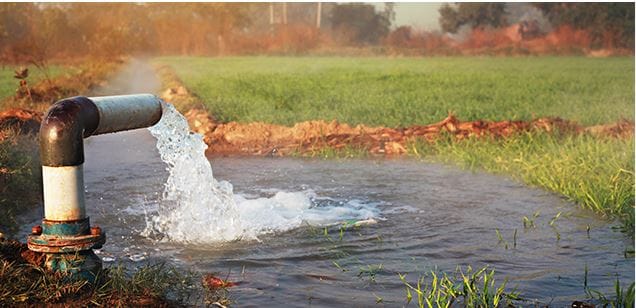
Delhi Reduces Groundwater Extraction from 127% to 99% in a Decade

    0
    Delhi Reduces Groundwater Extraction from 127% to 99% in a Decade
    Delhi Reduces Groundwater Extraction from 127% to 99% in a Decade

    Delhi Reduces Groundwater Extraction from 127% to 99% in a Decade

    The Central Ground Water Authority (CGWA) has informed the National Green Tribunal (NGT) that groundwater extraction in Delhi has significantly decreased from 127% in 2013 to 99% in 2023. This reduction is part of broader efforts to address water scarcity and improve groundwater management across India.

    The NGT had earlier taken suo motu cognisance of a report from the United Nations predicting critically low groundwater availability in several regions of India by 2025. In response, the CGWA has outlined the measures taken in collaboration with the Union Ministry of Jal Shakti (MoJS) to curb excessive extraction and enhance groundwater levels. These measures include the promotion of artificial recharge, rainwater harvesting, sustainable agricultural practices, and community participation. According to the CGWA’s action-taken report submitted in January 2025, the reduction in groundwater extraction across many states and Union Territories (UTs) shows positive signs of improvement. The reduction in Delhi’s extraction rate, from 127% to 99%, highlights the progress made in managing groundwater resources more sustainably in the National Capital Territory (NCT). Furthermore, groundwater recharge from various sources has increased significantly, rising from 146.42 billion cubic metres (BCM) in 2013 to 170.4 BCM in 2023. This increase in recharge is a crucial step in reversing the trend of declining water levels in many parts of the country.

    In addition, the overall groundwater extraction rate in India has reduced from 62.7% in 2013 to 59% in 2023, indicating that national efforts are yielding results. However, the CGWA has acknowledged that some states are still facing higher-than-recommended extraction rates, which poses a challenge to the sustainability of water resources. One of the key challenges in water management has been the illegal extraction of groundwater. The CGWA reported that it collected around Rs 41.74 crore in environmental compensation from violators involved in illegal groundwater extraction activities across the country. The authority is also addressing contamination issues by constructing arsenic-safe and fluoride-free wells in states like West Bengal, Bihar, Uttar Pradesh, and Rajasthan.

    Additionally, the report highlighted positive changes in water table levels across various states. Notably, water levels in Chhattisgarh, Odisha, and Uttar Pradesh have seen a 50% increase, while Kerala and Tamil Nadu experienced 74% and 72% increases, respectively. In Gujarat and West Bengal, the water table levels rose by 61% and 59%, respectively, reflecting the success of groundwater recharge initiatives. The CGWA continues to monitor groundwater levels quarterly through a network of approximately 27,000 monitoring wells across India. Despite the challenges, the CGWA remains optimistic that coordinated efforts with state governments will further help restore groundwater levels and ensure sustainable water availability in the future. In light of a recent United Nations study, which predicted critically low groundwater availability in parts of the Indo-Gangetic basin by 2025, the CGWA’s efforts take on even greater significance. By implementing measures that promote responsible extraction and enhance recharge capabilities, the government hopes to mitigate the risks of severe water scarcity in the coming years.


    Arkade Developers Targets Rs 21.5 Billion Turnover

    Arkade Developers Targets Rs 21.5 Billion Turnover
    Arkade Developers Targets Rs 21.5 Billion Turnover

    Arkade Developers Targets Rs 21.5 Billion Turnover

    In a significant development within the Mumbai real estate sector, Arkade Developers has announced plans to redevelop three prominent housing projects across key locations in Mumbai, which collectively span an area of 20,232 square metres (around five acres). The projects, located in Andheri East, Malad West, and Borivali West, are expected to generate a saleable carpet area of approximately 5.85 lakh square feet. This redevelopment initiative is projected to bring in an estimated turnover of Rs 21.5 billion. The new projects are part of Arkade Developers’ broader strategy to bolster its presence in the highly competitive Mumbai Metropolitan Region (MMR).

    Arkade Developers, which has built a reputation for its strong project execution and quality, sees the redevelopment initiative as a strategic move to cater to the growing demand for housing in these key localities of Mumbai. The company’s chairman and managing director, Amit Jain, pointed out that these developments are a part of a much larger pipeline. With more than eight upcoming projects across the MMR, Arkade Developers is positioning itself as a major player in the region’s real estate market. Jain is optimistic about the potential of the Mumbai housing market, especially considering the rising demand for quality housing amidst Mumbai’s ever-expanding population.

    The redevelopment of existing housing projects is increasingly seen as an essential strategy to meet the housing demands of the city. While the market in Mumbai continues to grow, the shift towards redevelopment also addresses some pressing concerns regarding urban renewal. By focusing on improving the livability and infrastructure of older residential complexes, developers like Arkade are contributing to the rejuvenation of densely populated areas. However, with this growth comes an imperative to ensure sustainable development practices that can help mitigate the ecological impact of such large-scale urban projects.

    Sustainability is a key concern in today’s rapidly urbanising landscape, particularly in cities like Mumbai, where space is limited and demand for housing is at an all-time high. As part of its ongoing redevelopment initiatives, Arkade Developers is expected to incorporate environmentally friendly building practices. This includes energy-efficient design, the use of sustainable materials, and waste management systems aimed at reducing the carbon footprint of these large residential projects. Given the ecological challenges posed by urbanisation, developers must strike a balance between meeting housing demands and ensuring that the environmental impact is kept to a minimum. This can be achieved through smart urban planning, incorporating green spaces, and building structures that promote energy conservation.

    In conclusion, the redevelopment projects led by Arkade Developers represent more than just an economic opportunity; they signal a shift towards responsible and sustainable urban development in Mumbai. As more developers follow suit, Mumbai’s housing market could become a beacon for the future of urban planning, where growth is measured not only by the volume of construction but also by the quality of life it offers residents and its contribution to the environment.

    ASK Property, India Sotheby’s Launch Rs 1,000 Crore Fund

      0
      ASK Property, India Sotheby’s Launch Rs 1,000 Crore Fund
      ASK Property, India Sotheby’s Launch Rs 1,000 Crore Fund

      ASK Property, India Sotheby’s Launch Rs 1,000 Crore Fund

      In a strategic move to capitalise on the burgeoning luxury housing sector in India, ASK Property Fund, in collaboration with India Sotheby’s International Realty, has announced the launch of the ASK Curated Luxury Assets Fund. With an ambitious target of Rs 1,000 crore, this equity fund aims to invest in premium residential projects across top-tier cities and high-demand second-home destinations. The announcement marks a significant milestone for the Indian real estate industry, as this is the first fund of its kind in the country dedicated to luxury residential investments.

      ASK Property Fund, the real estate private equity arm of the Blackstone-backed ASK Asset & Wealth Management Group, is already an established name in the sector, having raised over Rs 7,200 crore since its inception in 2009. The new luxury real estate fund is registered with the Securities and Exchange Board of India (SEBI) as a Category II Alternative Investment Fund (AIF) under the SEBI (Alternative Investment Funds) Regulations, 2012. The goal of this fund is to generate superior risk-adjusted returns for its investors by making selective investments in high-end residential projects, primarily targeting key cities, holiday homes, and even religious and second-home micro-markets.

      The fund will cater to a wide range of investors, from family offices and high-net-worth individuals (HNWIs) to pension funds, banks, and other sophisticated institutional investors. The collaboration between ASK Property Fund and India Sotheby’s brings together two highly respected players in the real estate market. As Amit Bhagat, co-founder and CEO of ASK Property Fund, mentioned, the partnership leverages Sotheby’s strong brand presence and deep expertise in luxury real estate. He is confident that the fund will appeal to investors looking for both growth and stability in the ever-growing luxury housing market in India.

      While this luxury-focused fund is expected to attract significant interest from affluent investors, it also raises important questions about the sustainability and broader impact of luxury housing development in urban areas. The luxury housing segment, often criticised for contributing to social inequality, could also play a role in urban renewal by driving demand for high-quality infrastructure, amenities, and architectural innovation. This focus on high-end residential projects can lead to the revitalisation of urban spaces, but it is essential that developers also focus on sustainable building practices. Incorporating energy-efficient designs, green spaces, and eco-friendly materials can not only reduce the carbon footprint of these developments but also create long-term value for both residents and investors.

      In the context of India’s growing urbanisation, the launch of such a fund highlights a shift towards institutionalising investments in real estate, providing a new avenue for both local and international investors. With the growing affluence of India’s population, particularly in cities like Mumbai, Delhi, and Bengaluru, luxury real estate continues to emerge as a stable and attractive asset class. This fund not only presents an opportunity for investors to tap into this lucrative market but also reflects India’s evolving landscape of investment in residential real estate. As more wealth is concentrated in the hands of a growing number of high-net-worth individuals, the demand for premium residential spaces is expected to remain robust, making this a timely and strategic move for all involved.

      Boral’s Carbon-Reducing Upgrade at Berrima Cement Works Marks Milestone in Decarbonisation Efforts

      Boral's Carbon-Reducing Upgrade at Berrima Cement Works Marks Milestone in Decarbonisation Efforts
      Boral's Carbon-Reducing Upgrade at Berrima Cement Works Marks Milestone in Decarbonisation Efforts

      Boral’s Carbon-Reducing Upgrade at Berrima Cement Works Marks Milestone in Decarbonisation Efforts

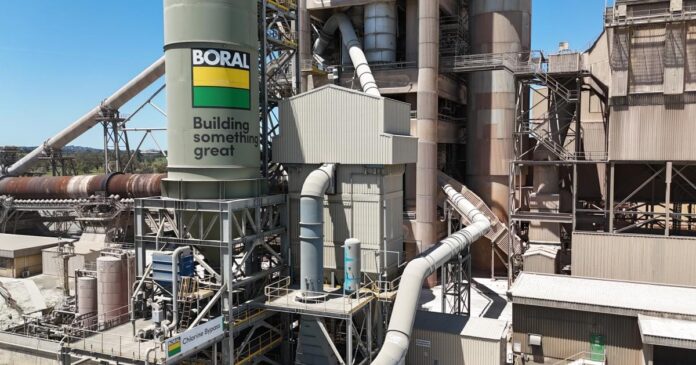
      Boral Limited has officially launched an upgraded carbon-reducing technology at its Berrima Cement Works, a critical development in the company’s journey toward achieving net-zero emissions. The upgraded facility, located in the Southern Highlands region of New South Wales (NSW), was inaugurated by the Federal Minister for Climate Change and Energy, Chris Bowen MP, highlighting its importance in Australia’s cement manufacturing industry.

      Berrima Cement Works supplies approximately 40 percent of the cement used in NSW and the Australian Capital Territory (ACT). The recent upgrade is a vital step in Boral’s ongoing decarbonisation efforts, marking a shift away from emissions-intensive fuels. One of the key improvements is the installation of the Chlorine Bypass, a technology that reduces the build-up of chlorides and other alternative fuel by-products. This will enable Boral to increase its use of alternative fuels to 60 percent over the next three years, building on the 30 percent coal substitution already achieved. Vik Bansal, CEO of Boral, emphasized the significance of the facility, stating, “The Berrima Cement Works have helped shape Australia’s infrastructure for nearly a century. While cement remains essential to construction, we recognise its carbon intensity. The Chlorine Bypass Facility is a testament to our commitment to reducing our environmental impact and ensuring sustainable operations.”

      The upgrade not only positions Boral’s cement manufacturing operations for a more sustainable future but also serves as a critical regional employer, with 115 operational and administrative staff at the site, contributing to the local economy and supporting jobs in logistics, contracting, and supply chains. This investment aligns with Boral’s ongoing strategy to meet its decarbonisation goals and comply with government regulations, reaffirming its commitment to reducing emissions while continuing to support Australia’s infrastructure needs.

      India White Cement Market to Grow at 7.8% CAGR Through 2029, Says Market Insights Research

      India White Cement Market to Grow at 7.8% CAGR Through 2029, Says Market Insights Research
      India White Cement Market to Grow at 7.8% CAGR Through 2029, Says Market Insights Research

      India White Cement Market to Grow at 7.8% CAGR Through 2029, Says Market Insights Research

      The India White Cement Market is poised for significant growth, with a projected compound annual growth rate (CAGR) of 7.8 percent from 2023 to 2029. Valued at USD 828 million in 2023, the market’s expansion is driven by several key factors, including the increasing demand from the construction sector, a rise in infrastructure projects, and a growing preference for white cement in high-end decorative applications. These trends are reshaping the landscape of the industry, presenting numerous opportunities for businesses within the sector.

      White cement’s appeal is largely rooted in its aesthetic qualities, which make it the preferred choice for premium construction and decorative applications. As the demand for visually appealing structures rises, the need for white cement, particularly in the creation of intricate facades, flooring, and architectural elements, has been increasing. Additionally, the growing emphasis on infrastructure development in India, fueled by both public and private investments, further accelerates demand for high-quality construction materials, including white cement. A key player in this evolving market is Prudential, which stands out for its innovative product offerings and robust market penetration strategies. The company’s focus on enhancing product quality and meeting specific customer needs has contributed to its success in tapping into the premium segment of the market.

      Market Insights Research’s comprehensive report provides a detailed micro-level analysis of the India White Cement Market. It explores key business segments, emerging opportunities, and overall market development, blending both qualitative and quantitative data. This approach ensures a well-rounded view of the market, helping stakeholders stay ahead of trends and make informed decisions. For industry professionals and potential entrants into the market, the research highlights the potential growth opportunities in this dynamic space. By understanding market dynamics and consumer preferences, businesses can position themselves to capitalize on the growing demand for white cement, ultimately benefiting from this upward trajectory in the coming years.

      JK Lakshmi Cement Targets 30 Million Tonnes Capacity by 2030, Advocates for GST Reduction to 18%

      JK Lakshmi Cement Targets 30 Million Tonnes Capacity by 2030, Advocates for GST Reduction to 18%
      JK Lakshmi Cement Targets 30 Million Tonnes Capacity by 2030, Advocates for GST Reduction to 18%

      JK Lakshmi Cement Targets 30 Million Tonnes Capacity by 2030, Advocates for GST Reduction to 18%

      At the ‘Bihar Business Connect 2024’ meet, JK Lakshmi Cement President and Director, Arun Shukla, urged the government to consider reducing the Goods and Services Tax (GST) on cement from the current 28 percent to 18 percent in the upcoming Budget. This reduction, according to Shukla, would significantly boost the consumption of cement, a vital component for infrastructure development across India.

      Shukla emphasized that cement plays a pivotal role in driving economic growth, particularly in the construction of world-class infrastructure. He further stressed the long-term benefits of cement concrete roads, citing their cost-effectiveness and superior durability compared to bitumen roads. In a bid to capitalize on the growing demand for cement, JK Lakshmi Cement is investing ₹5 billion in a new manufacturing facility in Madhubani, Bihar, which is expected to be operational within the next year. Shukla commended the Bihar government for its proactive support and fiscal incentives, describing the collaboration as “amazing.”

      As part of its expansion strategy, JK Lakshmi Cement, a member of the JK Organisation, has set an ambitious target to increase its annual cement production capacity from 18 million tonnes to 30 million tonnes by 2030. The company is on track to add 12 million tonnes in various regions, in response to an expected annual demand growth of 7-8 percent. In addition to its cement operations, the JK Organisation is exploring potential investments in other sectors, including tyre and paper manufacturing, reflecting its diversified growth strategy.

      Tetracore Energy to Supply 400,000m³/day of CNG to Dangote Cement

      Tetracore Energy to Supply 400,000m³/day of CNG to Dangote Cement
      Tetracore Energy to Supply 400,000m³/day of CNG to Dangote Cement

      Tetracore Energy to Supply 400,000m³/day of CNG to Dangote Cement

      Tetracore Energy has secured a significant agreement with Dangote Cement to supply up to 400,000m³/day of compressed natural gas (CNG) for the company’s logistics operations. This strategic partnership is set to transform Dangote Cement’s logistics fleet, ensuring a more sustainable, efficient, and cost-effective fuel supply. As part of the deal, Tetracore Energy will deploy its mobile refilling units and establish mother stations across Nigeria, creating a nationwide network to seamlessly meet Dangote Cement’s CNG needs.

      This collaboration is a critical step in Dangote Cement’s efforts to reduce its dependence on conventional fuels, such as diesel, while embracing more environmentally friendly alternatives. By transitioning to CNG, Dangote Cement not only aligns itself with global sustainability initiatives but also enhances the efficiency of its operations. CNG is a cleaner, greener option compared to diesel, as it emits fewer harmful pollutants and greenhouse gases, making it an ideal choice for logistics fleets aiming to minimize their environmental impact. For Tetracore Energy, this partnership marks a major milestone in the company’s expansion plans, demonstrating the scalability of its mobile refilling technology and the ability to cater to large, industrial clients across the country.

      By providing a reliable supply of CNG through its refilling units and stations, Tetracore Energy is playing a key role in transforming Nigeria’s energy landscape and supporting the growing demand for cleaner energy solutions in the transport sector. The agreement is expected to yield long-term cost savings for Dangote Cement by reducing fuel costs and optimizing logistics operations. It also aligns with the company’s broader goal of improving the sustainability of its business practices. Ultimately, this partnership between Tetracore Energy and Dangote Cement is a significant development in Nigeria’s energy and cement sectors, fostering a greener, more efficient future for the logistics and transportation industries.

      NCB Signs MoUs to Propel Decarbonisation and Innovation in India’s Cement Industry

      NCB Signs MoUs to Propel Decarbonisation and Innovation in India’s Cement Industry
      NCB Signs MoUs to Propel Decarbonisation and Innovation in India’s Cement Industry

      NCB Signs MoUs to Propel Decarbonisation and Innovation in India’s Cement Industry

      In a strategic move towards achieving sustainability, the National Council for Cement and Building Materials (NCB), under the Ministry of Commerce & Industry, has signed two pivotal Memoranda of Understanding (MoUs) aimed at fostering decarbonisation and innovation in India’s cement sector.

      The first MoU, signed with the Global Cement and Concrete Association (GCCA) India, sets the stage for collaborative research focused on decarbonisation efforts in the cement industry. The goal of this partnership is to achieve a “Net Zero” cement sector by 2070, a significant step towards reducing the carbon footprint of one of the country’s largest industrial sectors. The second MoU was signed with AIC-Plasmatech Innovation Foundation and focuses on implementing Thermal Plasma Torch Technology in cement production. This cutting-edge technology is expected to improve sustainability and operational efficiency in cement manufacturing, marking a key advancement in the industry’s move towards greener practices.

      These MoUs were signed during the 18th NCB International Conference and Exhibition on Cement and Concrete, a forum that brought together experts from the industry to discuss challenges and innovations in cement and concrete production. With these agreements, NCB aims to lead the charge in reducing the environmental impact of India’s cement industry, aligning with global sustainability targets and driving the sector towards a cleaner, more efficient future.

      Microsoft to Invest $80 Billion in AI Infrastructure to Drive Global Expansion

        0
        Microsoft to Invest $80 Billion in AI Infrastructure to Drive Global Expansion
        Microsoft to Invest $80 Billion in AI Infrastructure to Drive Global Expansion

        Microsoft to Invest $80 Billion in AI Infrastructure to Drive Global Expansion

        The artificial intelligence (AI) landscape, Microsoft has unveiled its bold vision for the fiscal year 2025, detailing significant investments aimed at enhancing AI infrastructure, skilling, and accessibility worldwide. The tech giant’s strategic focus is on building AI-powered data centres, developing AI curriculums, and driving the widespread adoption of AI technology.

        At the heart of Microsoft’s AI vision for 2025 is its $80 billion investment in AI-enabled data centres. These facilities will serve as the foundation for Microsoft’s AI-driven cloud applications, enabling the company to train and deploy AI models at an unprecedented scale. The data centres will play a key role in powering the company’s various AI applications, from Microsoft 365 to cloud services. The investment also includes a focus on developing data centres globally, with over half of the funding dedicated to expanding infrastructure in the US. “By investing heavily in AI infrastructure, we aim to create the foundation for the next generation of AI applications,” Microsoft said in its blog post. The company’s decision to focus on data centres highlights the growing demand for AI-powered services and the need for scalable, secure infrastructure to support this transformation. Alongside its infrastructure investment, Microsoft is prioritising AI skilling programmes to ensure that AI technology is accessible to everyone. The company is keen on addressing the skills gap in AI and has partnered with the US National AI Consortium for Community Colleges to provide industry-aligned AI curriculums. The aim is to create a skilled workforce capable of meeting the demands of the rapidly growing AI sector.

        Recognising that AI will play a central role in future employment, Microsoft anticipates that within the next 25 years, AI could create billions of new AI-enabled jobs across industries such as services, manufacturing, transportation, agriculture, and government. By investing in AI education, Microsoft hopes to equip individuals with the skills required to thrive in an AI-driven world. The company’s skilling efforts also extend to faculty training through AI Bootcamps, enabling teachers to impart in-demand AI skills to students. Additionally, Microsoft is providing career guidance and supporting young professionals in developing their AI skills via the “Microsoft Copilot for Career Navigators” initiative. As part of its ongoing commitment to make AI accessible worldwide, Microsoft has expanded its AI infrastructure efforts beyond the US to include 40 countries, including emerging economies in the Global South. The company’s collaboration with UAE-based AI company G42 aims to introduce AI infrastructure in Kenya, marking a significant step towards AI’s globalisation.

        In 2023, Microsoft announced an initial investment of over $35 billion in 14 countries to build secure AI and cloud data centres, and now that number has expanded significantly, underlining the company’s commitment to spreading the benefits of AI infrastructure to more regions. These investments will help bridge the digital divide and bring the power of AI to countries and communities previously underserved by technology. Microsoft’s investment in AI infrastructure, skilling, and global accessibility represents a comprehensive approach to shaping the future of artificial intelligence. By building the necessary infrastructure and training the next generation of AI professionals, the company is positioning itself as a leader in driving AI adoption worldwide. As AI continues to evolve, Microsoft’s strategy will play a pivotal role in ensuring that the benefits of this transformative technology are available to all, creating new opportunities and enhancing productivity across industries.


        Cement Supply Boost for Manipur as 2,390 Million Tonnes Delivered to Khongsang Railway Station

        Cement Supply Boost for Manipur as 2,390 Million Tonnes Delivered to Khongsang Railway Station
        Cement Supply Boost for Manipur as 2,390 Million Tonnes Delivered to Khongsang Railway Station

        Cement Supply Boost for Manipur as 2,390 Million Tonnes Delivered to Khongsang Railway Station

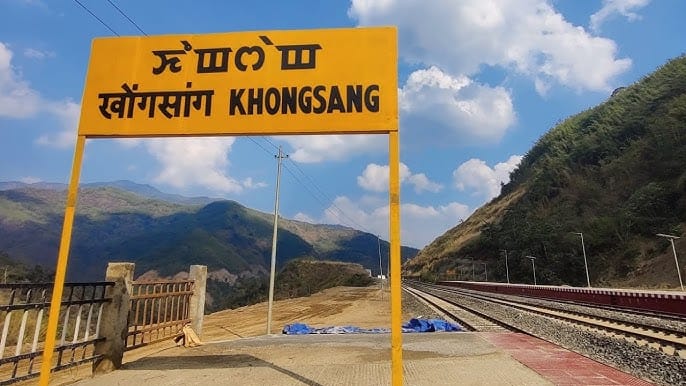
        In a significant boost to Manipur’s infrastructure, over 2,350 million tonnes (MT) of cement were delivered to the Khongsang railway station via a goods train. Chief Minister N Biren Singh shared the news in a post on X, highlighting that this delivery would greatly improve the availability of essential commodities across the state.

        Located approximately 109 km from Imphal in Tamenglong district, Khongsang is the only railway station serving the hill districts of Manipur. The cement, now at Khongsang Railway Station, will be transferred onto trucks for distribution to various parts of the state, officials confirmed. This delivery comes at a time when frequent disruptions along the primary transportation route from Imphal to Dimapur in Nagaland—via National Highway-2—have posed significant challenges. Rail connectivity is now playing a crucial role in ensuring a steady supply of goods to Manipur, reducing reliance on road transport and mitigating the impact of these disruptions.

        Chief Minister Singh expressed confidence that continued rail transport of essential goods would significantly ease logistical challenges and improve the state’s supply chain. “With more goods steadily being transported by train, this development is set to significantly ease the supply of essential commodities in Manipur,” he said in his update.