Home Blog Page 395

India’s Smart Infrastructure Revolution Shaping Sustainable Cities for the Future

    0
    India’s Smart Infrastructure Revolution Shaping Sustainable Cities for the Future
    India’s Smart Infrastructure Revolution Shaping Sustainable Cities for the Future

    India’s Smart Infrastructure Revolution Shaping Sustainable Cities for the Future

    India is at the forefront of a transformative urban development movement, with its focus now squarely on creating sustainable cities that are not only efficient but also resilient and environmentally responsible. As urbanisation is set to add over 400 million people to India’s cities by 2050, the nation faces a critical challenge: how to accommodate this influx while ensuring the quality of life remains high and cities remain environmentally sustainable. India’s smart infrastructure revolution is helping address these challenges by integrating advanced technologies and focusing on long-term sustainability goals.

    Smart infrastructure, in contrast to traditional urban development, is driven by innovations such as artificial intelligence (AI), the Internet of Things (IoT), and renewable energy solutions. This approach optimises resource usage, enhances efficiency, and addresses key environmental and economic challenges. Dr. Manvendra Deswal, former head of India’s Smart Cities Mission, underscores that smart infrastructure is about “livability and sustainability.” For a country like India, where population growth and urban expansion are rapid, the focus on decarbonisation and resource efficiency is crucial for ensuring the resilience of cities in the face of climate change. A central component of this infrastructure overhaul is the shift to renewable energy. Currently, renewable sources account for 25% of India’s energy mix, with the country aiming for a significant increase in the coming years. Innovations in clean technology, such as robotic cleaning systems for solar panels and digital twin technologies to optimise energy use, are at the forefront of this transition. Prashant Mathur, CEO of Saatvik Solar, highlights the importance of these technologies in reducing reliance on fossil fuels and improving the sustainability of India’s energy infrastructure. Public-private partnerships (PPPs) play a key role in making such projects feasible, with stakeholders from both sectors collaborating to drive renewable energy adoption and ensure long-term sustainability.

    One of the most visible examples of smart infrastructure is India’s airports. The Noida International Airport is becoming a model for integrating smart technologies into large-scale infrastructure projects. Live data systems are used to optimise passenger flow and resource allocation, not only improving efficiency but also reducing energy consumption. Similarly, Raman Kapil, President & COO of Tata Projects, notes how the creation of smarter buildings, energy-efficient systems, and better resource management is crucial to the vision of sustainable cities that focus on quality of life. Despite the progress, challenges remain. There are still gaps in knowledge, resistance to change, and hurdles related to the interoperability of technologies. However, the rise of public-private partnerships is bridging the gap, offering a way forward to address these issues while fostering innovation. For citizens, the shift towards smarter infrastructure will bring tangible benefits, including cleaner air, more efficient public transportation, and better access to services like healthcare and education.

    Additionally, embracing renewable energy and clean technologies will help reduce cities’ carbon footprints, improving air quality and contributing to a healthier environment. India’s smart infrastructure revolution is setting the stage for a greener and more sustainable urban future. By integrating advanced technologies, prioritising renewable energy, and fostering cross-sector collaboration, the country is positioning itself as a global leader in sustainable urbanisation. As this transformation progresses, India aims to create cities that not only function more efficiently but also provide a higher quality of life, all while contributing to environmental sustainability. The smart infrastructure revolution is more than just a technological upgrade; it is a blueprint for a greener, more resilient, and livable future for all Indians.

    Maharashtra RERA Revises Criteria for Self-Regulatory Organisations to Boost Developer Compliance

      0
      Maharashtra RERA Revises Criteria for Self-Regulatory Organisations to Boost Developer Compliance
      Maharashtra RERA Revises Criteria for Self-Regulatory Organisations to Boost Developer Compliance

      Maharashtra RERA Revises Criteria for Self-Regulatory Organisations to Boost Developer Compliance

      Maharashtra’s real estate sector has undergone a significant shift with the Maharashtra Real Estate Regulatory Authority (MahaRERA) revising the eligibility criteria for Self-Regulatory Organisations (SROs). This update, which lowers the minimum threshold for forming an SRO in areas outside the Mumbai Metropolitan Region (MMR) from 500 to 200 projects, aims to strengthen developer compliance and improve access to regulatory guidance. The move is seen as an effort to foster a more organised and transparent real estate industry.

      Since its inception, MahaRERA has worked diligently to streamline the real estate sector by ensuring that developers adhere to the regulatory framework. The registration of projects has been a mandatory requirement for developers, yet there has been a persistent challenge in ensuring timely submission of necessary documents and adherence to regulations. This delay in project registration and renewals has been a significant hurdle for the sector, affecting the overall growth and credibility of real estate development in Maharashtra. The role of Self-Regulatory Organisations (SROs) has become increasingly pivotal in this scenario. SROs are officially recognised bodies that serve as a bridge between MahaRERA and developers, assisting in ensuring that regulations are followed. These organisations not only provide guidance but also help developers with the submission of documentation and compliance with necessary regulatory processes. With the new guidelines, the recognition of additional SROs is expected, particularly in regions outside MMR. This will encourage a broader range of developers to engage with these organisations, ultimately improving compliance rates across the state.

      The reduction in the eligibility threshold for forming SROs is seen as a strategic move to make these organisations more accessible, especially for developers in areas outside the bustling MMR. The real estate sector outside MMR has faced challenges in compliance due to a lack of adequate resources and guidance. By lowering the threshold from 500 projects to 200, MahaRERA is providing more developers the opportunity to benefit from SRO support. This, in turn, is expected to ensure that even smaller developers adhere to the same regulatory standards as larger ones. The initiative to formally recognise SROs was first introduced by MahaRERA in 2019. The intention behind the move was to provide a structured regulatory framework where developers could gain insights and clarity about the laws governing their projects. Since then, SROs have played a vital role in enhancing the transparency and credibility of the industry, acting as a key point of contact for developers in ensuring compliance.

      At present, seven SROs are recognised by MahaRERA, including well-known organisations like CREDAI Maharashtra, NAREDCO West Foundation, and Builders Association of India. Developers wishing to register their projects must be members of one of these recognised SROs. This requirement has fostered a sense of accountability among developers, as they know that an SRO representative will closely monitor their progress, provide guidance, and liaise directly with MahaRERA. The updated criteria signal MahaRERA’s continued commitment to improving the regulatory landscape of the state’s real estate sector. By encouraging more developers to join recognised SROs, the authority is setting the stage for a more compliant, transparent, and efficient real estate market. With more organisations eligible for recognition, the flow of information between developers and regulators is expected to become smoother, helping to expedite processes like project registration and renewals, and further elevating the sector’s standards. As Maharashtra looks towards a growing urban landscape, these regulatory efforts are crucial in ensuring that the real estate sector remains sustainable, responsible, and accountable. With these changes, the state is poised to create a more robust regulatory framework that benefits both developers and residents alike, building trust and stability in Maharashtra’s real estate market.

      Indore Metro Set to Begin Operations in Early 2025, Promising a Revolution in Urban Transport

        0
        Indore Metro Set to Begin Operations in Early 2025, Promising a Revolution in Urban Transport
        Indore Metro Set to Begin Operations in Early 2025, Promising a Revolution in Urban Transport

        Indore Metro Set to Begin Operations in Early 2025, Promising a Revolution in Urban Transport

        Indore, the largest city in Madhya Pradesh, is on the verge of a major shift in its public transportation landscape with the anticipated launch of the Indore Metro by January or February 2025. The final regulatory approval from the Commissioner of Metro Rail Safety (CMRS) is expected shortly, marking the final hurdle before the metro system opens to the public. This marks a significant milestone in modernising the city’s transport system, addressing congestion, and offering residents an efficient, sustainable mode of travel.

        The Indore Metro project, which has been in development for several years, is now nearing completion. The first phase, which spans a 5.90-kilometre corridor, will connect Gandhi Nagar station to the third station on the Super Corridor. Successful trial runs for this section were completed in September 2024, and with the CMRS approval imminent, the project is set to transform the city’s daily commute. The first phase will feature three-coach trains with a capacity of up to 300 passengers, including 50 seats. Although the population density along this initial route is relatively low, authorities are confident that ridership will increase significantly once the metro system is fully operational and the network expands. The metro offers a fast, air-conditioned, and eco-friendly alternative to the city’s overcrowded roads and frequent traffic jams.

        The metro stations have been designed to accommodate future growth, with provisions for trains of up to six coaches. Initially, the metro will operate with three-coach trains, but as ridership increases, additional coaches can be added. This flexibility ensures the metro system can expand in line with Indore’s growing population and urban development. The ₹7,500 crore metro project, overseen by the Madhya Pradesh Metro Rail Corporation Limited (MPMRCL), is part of a larger plan to enhance urban mobility in the city. Once completed, the metro network will stretch 31.5 kilometres, forming a ring-shaped corridor across Indore. While the first phase represents just a fraction of the overall plan, it marks a key step toward modernising the city’s transport infrastructure. Indore’s metro system is expected to deliver multiple benefits for residents, including reduced traffic congestion, improved air quality, and an enhanced quality of life. By providing a reliable, efficient public transport option, the metro will help reduce the number of cars on the road, cutting down on pollution and road accidents. Commuters can look forward to faster and more predictable travel, making daily life easier and less stressful.

        While the metro system is expected to start operations in early 2025, the network’s full expansion will take time. The initial 5.90-kilometre corridor will be operational at first, with further extensions to follow in the coming years. This phased approach will allow authorities to monitor the system’s performance and gradually increase services to meet growing demand. Indore’s metro project is not just about improving transport; it is also a cornerstone of the city’s broader urban development plans. As the metro network expands, Indore will benefit from enhanced connectivity, reduced congestion, and a more sustainable urban environment. The metro is set to become a model for other Indian cities seeking to modernise their public transport systems and move toward a greener, more sustainable future. With the launch of the metro system, Indore is taking a significant step toward transforming its transport infrastructure, creating a cleaner, more efficient, and sustainable urban environment for its growing population. The city is poised to become a prime example of how smart urban planning can improve the daily lives of residents while supporting long-term sustainability.

        GTRI Calls for In-Depth Assessment of Steel Industry

        GTRI Calls for In-Depth Assessment of Steel Industry
        GTRI Calls for In-Depth Assessment of Steel Industry

        GTRI Calls for In-Depth Assessment of Steel Industry

        The Global Trade Research Initiative (GTRI) has called for a thorough evaluation of the Indian steel industry before any decisions are made regarding the imposition of a safeguard duty on steel imports. GTRI, an economic think tank, released a report on Thursday highlighting concerns about the current safeguard investigation being conducted by the Ministry of Commerce into the rise of imports of certain steel products. According to the GTRI, the ongoing investigation suffers from significant technical weaknesses, such as focusing on products with minimal import surges and the inappropriate application of global safeguard measures.

        The think tank has emphasised the need for a comprehensive study on the state of the Indian steel industry. The assessment should address the potential effects of both existing and proposed import measures on the costs of steel, economic growth, and job creation. GTRI Founder, Ajay Srivastava, underscored that any new policy decisions must be made based on an informed understanding of these factors. “We urge the government to carry out a study to understand the real impact of these measures and only take action after a careful assessment,” Srivastava said. One of the key issues raised in the GTRI report pertains to the complexity and inefficiency of India’s current import system for steel products. The existing regulatory framework, which includes Quality Control Orders (QCO), Steel Import Monitoring System (SIMS), and No Objection Certificates (NOC), has been criticised as overly bureaucratic, causing unnecessary delays and difficulties for steel importers.

        GTRI suggests that streamlining the process, perhaps through collaboration with international labs for quality control, would enhance efficiency and ease compliance. The Directorate General of Trade Remedies (DGTR) initiated its investigation last month into the alleged surge of imports of ‘Non-Alloy and Alloy Steel Flat Products’. These products are essential to numerous industries such as construction, automotive, and manufacturing. The investigation follows a petition by the Indian Steel Association, which includes major steel players like ArcelorMittal Nippon Steel, JSW Steel, and Jindal Steel & Power, seeking the imposition of safeguard duties.

        However, small and medium enterprises (SMEs) in the engineering sector have voiced concerns over the proposed safeguard duties. They argue that additional duties would raise the cost of steel imports, making domestic products less competitive and threatening the viability of India’s engineering exports. S.C. Ralhan, Chairman of the Hand Tool Association, highlighted the challenges faced by MSME exporters, citing liquidity issues and the rising costs of steel in the domestic market. GTRI further noted that the current safeguard investigation risks being counterproductive. Since many steel imports come from Free Trade Agreement (FTA) partners or China, the think tank has recommended that any safeguard measures be tailored specifically to these countries through FTA-specific safeguards or anti-dumping measures. Applying broad global safeguard measures, the report warns, could lead to disputes at the World Trade Organization (WTO).

        The safeguard duty is proposed for steel flat products, which play a crucial role in the Indian economy, being essential inputs for a wide array of sectors. The GTRI has urged the government to reconsider its approach, particularly given India’s strong steel production capacity. The country’s crude steel production has surged from 109.14 million tons in 2019-20 to an estimated 144.04 million tons in 2023-24, with consumption rising in tandem from 100.17 million tons to 136.25 million tons over the same period. In FY2024, India met 94% of its steel demand through domestic production, with imports accounting for only 6%. This highlights the country’s growing self-reliance in steel production and calls into question the need for further protectionist measures, as advocated by some industry players.

        Steel Stock Soars After New Plant Inauguration

        Steel Stock Soars After New Plant Inauguration
        Steel Stock Soars After New Plant Inauguration

        Steel Stock Soars After New Plant Inauguration

        Goodluck India Ltd., a prominent name in India’s engineering sector, has recently marked a significant milestone with the inauguration of its new manufacturing plant in Sikandarabad Industrial Area, Bulandshahr, Uttar Pradesh, on 1st January 2025. The new facility is set to enhance the company’s production capabilities, specifically focusing on the manufacturing of hydraulic pipes—an integral component in industries such as construction, agriculture, automotive, and oil & gas.

        The hydraulic pipes segment, crucial for fluid transmission in high-pressure systems, has seen an upward trajectory in demand due to India’s rapid industrialisation. As infrastructure projects, mechanised farming, and industrial expansion gain momentum across the country, the need for high-quality hydraulic pipes is expected to surge. The new plant is a strategic move by Goodluck India to capitalise on this growing demand, positioning the company to cater effectively to both domestic and international markets.

        The company’s expansion aligns with its long-term growth strategy, designed to enhance production capacity and meet the evolving needs of its diverse clientele. The hydraulic pipes produced at this plant will be used in critical applications, including hydraulic pumps, engines, and machinery that require reliable and high-performance fluid transmission systems. Industry experts believe that the commencement of commercial production at the Sikandarabad plant will significantly bolster Goodluck India’s position in the market. With hydraulic pipes playing a crucial role in power generation and industrial applications, Goodluck India is well-poised to leverage its enhanced manufacturing capabilities and drive growth in this high-potential segment.

        In addition to its new venture in hydraulic tubes, Goodluck India is known for its wide range of products, including cold rolled coils, GI pipes, fabricated structures, and automobile tubes. The company’s commitment to quality and innovation has helped it build a robust reputation, further solidifying its standing as a leader in the Indian engineering sector. With the inauguration of this new facility, Goodluck India is not just expanding its production capacity but is also positioning itself for sustained growth, thereby contributing to India’s industrial and infrastructural advancement in the coming years.

        Peripheral Roads to Demarcate Abadi Plots for Villages Along Noida Expressway

        0
        Peripheral Roads to Demarcate Abadi Plots for Villages Along Noida Expressway
        Peripheral Roads to Demarcate Abadi Plots for Villages Along Noida Expressway

        Peripheral Roads to Demarcate Abadi Plots for Villages Along Noida Expressway

        Uttar Pradesh government has initiated a project to construct peripheral roads around 20 villages along the Noida Expressway. This initiative, which is part of the broader effort to tackle encroachment and clarify land boundaries, aims to demarcate developed residential or “abadi” plots, preventing illegal occupation of Noida Authority land.

        The move is part of a larger package of recommendations submitted by a committee formed by the UP government in February 2024. This committee was tasked with addressing the long-standing demands of farmers whose land was acquired for industrial projects. Farmers have been seeking additional compensation, improved rehabilitation, and residential plots within the areas from which their land was taken. In August 2024, the committee delivered its report, proposing that the Noida Authority conduct physical surveys and demarcate the boundaries of these villages. The goal is to establish clear and legal limits for the abadi land, using satellite imagery dating back to 2011. Recent surveys in villages such as Shahpur Govardhan and Jhatta have shown that the boundaries of these villages have expanded significantly—by up to 2 times—since the original cutoff date of June 30, 2011.

        To address this issue, the Noida Authority is conducting an extensive survey of the villages in question, using satellite imagery to accurately map their current boundaries. This initiative also includes addressing the issue of leaseback regularisation. Previously, the leaseback regularisation limit was increased from 450 sqm to 1,000 sqm, and this will now be enforced as part of the boundary demarcation process. The construction of peripheral roads will benefit villages situated along the Noida Expressway, as well as those located in newly developed zones. These roads will not only mark the boundaries but also enhance accessibility and infrastructure in these peripheral areas. However, villages that are already surrounded by developed sectors will not require new roads.

        Lokesh M, CEO of the Noida Authority, explained that the purpose of these measures is to ensure that the villages develop in a sustainable manner, safeguard the interests of farmers, and prevent encroachment on Noida Authority land. This initiative is a direct response to the ongoing farmers’ protests, which have been demanding better compensation and additional land allocations for residential use. Since 2019, farmers have been involved in an ongoing protest, seeking increased abadi land quotas, as well as improvements in rehabilitation, job opportunities, healthcare facilities, and better commercial use of residential plots. To oversee the implementation of these recommendations, the government formed another committee in December 2024.

        Authorities have also instructed the land records department, work circle, and planning departments to expedite the survey work for the boundaries and the peripheral areas, ensuring that these changes are put into practice swiftly. This initiative marks a crucial step in addressing the land-related issues of villages along the Noida Expressway. By constructing peripheral roads and clearly demarcating boundaries, the Noida Authority aims to promote orderly development, prevent encroachment, and meet the demands of farmers who have long been advocating for better compensation and infrastructure. These steps are expected to bring about significant improvements in both land management and community welfare in the region.

        Maharashtra RERA Eases Criteria for Self-Regulatory Organisations to Improve Developer Compliance

          0
          Maharashtra RERA Eases Criteria for Self-Regulatory Organisations to Improve Developer Compliance
          Maharashtra RERA Eases Criteria for Self-Regulatory Organisations to Improve Developer Compliance

          Maharashtra RERA Eases Criteria for Self-Regulatory Organisations to Improve Developer Compliance

          Maharashtra Real Estate Regulatory Authority (MahaRERA) has announced a key revision in the eligibility criteria for establishing Self-Regulatory Organisations (SROs). The change, which lowers the threshold for SRO formation from 500 to 200 projects outside the Mumbai Metropolitan Region (MMR), is expected to enhance accessibility to regulatory guidance and encourage stricter compliance with real estate laws.

          The new guidelines are part of MahaRERA’s broader strategy to ensure that developers across the state adhere to necessary regulations, helping streamline project registration, documentation, and overall compliance. Until now, developers outside MMR faced challenges in accessing timely support and guidance, a gap that this policy revision seeks to address. The revised criteria make it easier for smaller organisations to form SROs, thus broadening the scope of regulatory assistance for developers. Since its inception, MahaRERA has required that all real estate developers register their projects. However, despite this mandate, numerous developers have failed to meet registration deadlines or provide the necessary paperwork, resulting in significant delays in the processing of project registrations, renewals, and required corrections. The revision to the SRO criteria aims to counter these delays by enabling organisations to offer expert advice to developers, ensuring they comply with regulatory procedures.

          SROs were first introduced by MahaRERA in 2019 as official entities that represent developers in the state. These organisations assist builders by guiding them through the regulatory framework, ensuring they meet the required compliance standards. Developers must be members of one of the recognised SROs when registering projects with MahaRERA. This system was created to streamline the process and prevent developers from bypassing regulations through intermediaries or agents. Currently, there are seven SROs officially recognised by MahaRERA, including well-known associations such as NAREDCO West Foundation, CREDAI-MCHI, CREDAI Maharashtra, and the Builders Association of India. The primary role of these organisations is to act as intermediaries between MahaRERA and developers, ensuring that any gaps or issues in project registrations are promptly addressed.

          By reducing the eligibility threshold for SRO formation outside MMR, MahaRERA aims to foster more participation from regional organisations. This is expected to lead to better regulatory compliance among developers, particularly in non-MMR areas, where the real estate market has been less regulated. As more developers join SROs, the overall quality and transparency of the industry are expected to improve. This strategic revision has the potential to benefit not just developers but also homebuyers, as it promotes a more regulated environment. With the additional support of SROs, developers will be better equipped to comply with the regulations, ultimately leading to smoother project executions and a more reliable housing market. Maharashtra RERA’s move to ease SRO criteria is a significant step towards improving regulatory compliance in the state’s real estate sector. By broadening the access to regulatory guidance and encouraging greater participation from developers, MahaRERA is taking a proactive approach to enhancing the transparency and efficiency of the housing market. This change is likely to foster a more compliant, well-regulated environment, benefiting both developers and homeowners alike.

          Chic Republic Opens Sixth Ashley Furniture HomeStore in Phuket

          Chic Republic Opens Sixth Ashley Furniture HomeStore in Phuket
          Chic Republic Opens Sixth Ashley Furniture HomeStore in Phuket

          Chic Republic Opens Sixth Ashley Furniture HomeStore in Phuket

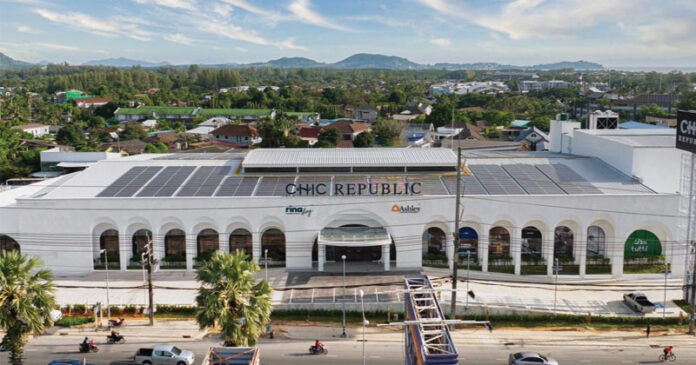
          Chic Republic Public Company Limited (Chic Republic) celebrated the opening of its newest Ashley Furniture HomeStore in Phuket on December 19, marking an important milestone in the company’s expansion across Thailand. Located at the Chic Republic Phuket showroom, this 7,707 sq. ft. store is the retailer’s sixth Ashley Furniture HomeStore in the country. The grand opening event was attended by Phuket Governor Mr. Sophon Suwannarat, alongside Chic Republic executives and employees.

          This new outlet further strengthens Chic Republic’s presence in Thailand, which already boasts five other stores across the region. As a part of its ongoing growth strategy, the company continues to capitalize on the demand for high-quality home furnishings in one of Southeast Asia’s most vibrant real estate markets. “We are honored to bring Ashley Furniture HomeStore to Phuket, one of Thailand’s fastest growing real estate markets,” said Mr. Kijja Pattamasattayasonthi, Managing Director of Chic Republic. “This new store allows us to be closer to our customers and provide a world-class experience for our guests.”

          The Phuket showroom promises an enhanced shopping experience with an array of lifestyle vignettes that include lighting, rugs, and wall art, offering customers a comprehensive view of how the products can be integrated into their homes. Among the extensive product selection are bedroom, dining room, upholstery, leather, occasional tables, home office furniture, youth bedroom furniture, recliners, mattresses, and various home accessories. Incorporating advanced technology into the store layout, the showroom aims to deliver an efficient and interactive customer experience, setting a new standard for home furniture retail in the region.

          As part of its community outreach, Chic Republic also donated to the Muslim Wittaya Phuket School, supporting the purchase of necessary educational resources and materials. This gesture reflects the company’s ongoing commitment to contributing to the local community and fostering positive development. The Ashley Furniture HomeStore in Phuket will be open daily from 10:00 a.m. to 9:00 p.m. Customers are encouraged to stay connected with the store through social media channels on Facebook and Instagram for the latest product offerings, promotions, and events.

          Presti Unveils Upgraded Generative AI for Furniture Imagery

          Presti Unveils Upgraded Generative AI for Furniture Imagery
          Presti Unveils Upgraded Generative AI for Furniture Imagery

          Presti Unveils Upgraded Generative AI for Furniture Imagery

          Presti, an AI-driven startup focused on the furniture industry, has unveiled its latest generative AI tool designed to create high-quality lifestyle imagery, eliminating the need for traditional photoshoots or complex 3D software. The newly enhanced AI promises to empower furniture retailers and manufacturers—whether small or large—by enabling them to produce detailed, photorealistic visuals with minimal technical expertise.

          The upgraded AI comes with a host of exciting new features that significantly improve the quality of generated imagery. Key enhancements include a longer context window for understanding detailed descriptions, resulting in more accurate and contextually rich visuals. Additionally, the AI’s ability to handle spatial concepts like depth of field has been improved, allowing the creation of photography-like images where products are in focus while the background and foreground are beautifully blurred, lending a natural, realistic look to the images.

          Another noteworthy feature is the AI’s capability to generate text within the images themselves. This feature opens up more opportunities for brands to incorporate integrated messaging directly into their visuals, further enhancing the appeal of their marketing materials. In addition, the AI now offers the option to add photorealistic humans to the generated images, providing businesses with greater flexibility in presenting their products within lifelike environments, accompanied by people to give a more dynamic and relatable feel.

          Hamza Bennis, Co-founder of Presti, expressed his enthusiasm about the release, stating, “This new release opens up more possibilities for our users, giving them the tools to create professional-grade lifestyle imagery while preserving the integrity of their products.” This breakthrough allows furniture businesses to streamline their creative processes, enhancing their marketing strategies and expanding their visual content libraries with ease and efficiency. Retailers no longer need to rely on costly photoshoots or elaborate 3D modelling software, as the generative AI offers an intuitive and cost-effective alternative to traditional methods. By providing an accessible, user-friendly platform for producing high-quality visuals, Presti is set to revolutionise the way furniture businesses approach product imagery, making it easier than ever for them to engage with consumers through captivating and realistic lifestyle content.

          City Cement to Acquire Umm Al Qura Stake Through Capital Increase

          City Cement to Acquire Umm Al Qura Stake Through Capital Increase
          City Cement to Acquire Umm Al Qura Stake Through Capital Increase

          City Cement to Acquire Umm Al Qura Stake Through Capital Increase

          In a strategic move to expand its foothold in the Saudi cement industry, City Cement Company has announced plans to acquire the entire stake of Umm Al Qura Cement Company through a capital increase. This acquisition is part of an agreement that will see City Cement issue new shares to acquire all outstanding shares of Umm Al Qura Cement.

          This acquisition follows the announcement of a share-swap deal in October 2024. Under the terms of this deal, shareholders of Umm Al Qura Cement will receive newly issued shares in City Cement. As a result, Umm Al Qura’s shareholders will collectively own 30.4% of City Cement’s total capital after the capital increase. The move marks a significant step in City Cement’s expansion strategy, solidifying its position within the Saudi cement market. The transaction will be executed in compliance with the regulations outlined by the Capital Market Authority (CMA) of Saudi Arabia, specifically adhering to the Merger and Acquisition Regulations and the Rules on the Offer of Securities and Continuing Obligations.

          Notably, the deal involves a related party, Al Abdullatif Holding Group Company, which holds a substantial stake in both companies. Al Abdullatif currently owns 24.53% of City Cement and 8.7% of Umm Al Qura Cement. The involvement of a related party adds an additional layer of scrutiny to the deal, which will be evaluated by relevant regulatory bodies. Once the necessary regulatory approvals are secured, City Cement will issue a shareholders’ circular, providing further details on the capital increase, including any associated risks and other important information for investors. This circular will serve as an important document for stakeholders as the company moves forward with the transaction. The acquisition is seen as a positive development for City Cement, helping to strengthen its position in a competitive market while enhancing its overall production capacity. However, analysts will be closely watching the integration process and the impact of the capital increase on City Cement’s stock performance in the coming months.