Home Blog Page 396

China Struggles to Meet Steel Clean-Up Target

China Struggles to Meet Steel Clean-Up Target

China Struggles to Meet Steel Clean-Up Target

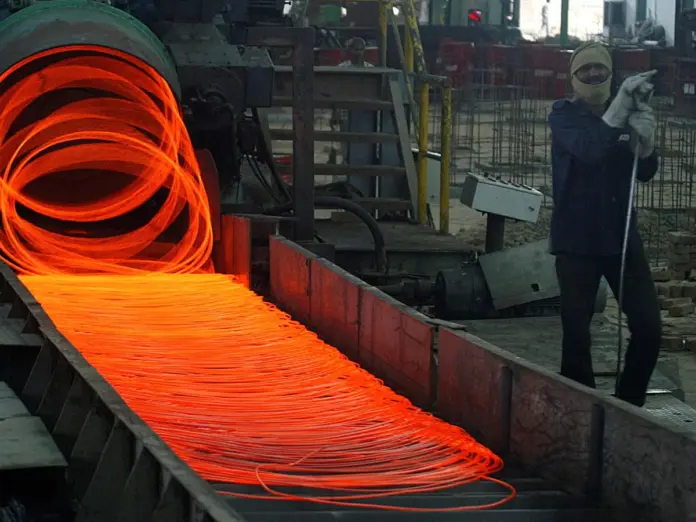
China, the world’s largest steel producer and the largest emitter of carbon dioxide, is poised to miss its ambitious target for cleaning up its steel industry, a critical part of its broader climate strategy. Efforts to transition to more environmentally friendly steel production methods have encountered significant hurdles, particularly in the face of stagnating adoption rates for newer, cleaner production technologies and a broader economic slowdown that has dampened demand for steel.

As part of its ongoing push to reduce emissions and improve environmental sustainability, China had set a target for electric arc furnaces (EAF) to contribute more than 15% of the nation’s total steel production by the end of 2025. These furnaces are seen as a cleaner alternative to traditional blast furnaces, which rely heavily on coal and generate substantial carbon emissions. However, usage rates for electric-arc furnaces have failed to reach the necessary pace, as adoption has stalled in recent months. The primary challenges that have hindered progress include the ongoing property crisis and weak demand in the construction sector. China’s real estate sector, which is a major consumer of steel, continues to struggle with slow recovery, exacerbating the pressure on steelmakers. Lower demand for new infrastructure and construction projects has led to a sharp decline in steel prices, making it financially difficult for steelmakers to invest in expensive upgrades to their production processes.

The slowdown in the property sector has also contributed to a general reduction in steel consumption across the economy. As demand falters, many steel manufacturers have been unable to justify the capital investment needed to upgrade to the cleaner, more energy-efficient technologies that would help them meet the government’s 2025 target. While China has made significant strides in other areas of its climate strategy, such as boosting renewable energy capacity, the country’s steel sector remains a major challenge. Steel production accounts for a significant portion of China’s overall carbon emissions, and reducing emissions from this sector is crucial to meeting national climate goals.

Experts have cautioned that, while the target may now be out of reach for 2025, the Chinese government is likely to adjust its strategies and provide further support to steelmakers in the coming years. This could include additional incentives for adopting electric-arc furnace technologies or extending deadlines to help manufacturers cope with the ongoing economic challenges. Nonetheless, the road ahead for the steel industry remains uncertain as China works to balance its economic priorities with its climate objectives.
Kenya Shuts Down Mining at East African Portland Cement

Kenya Shuts Down Mining at East African Portland Cement

Kenya Shuts Down Mining at East African Portland Cement

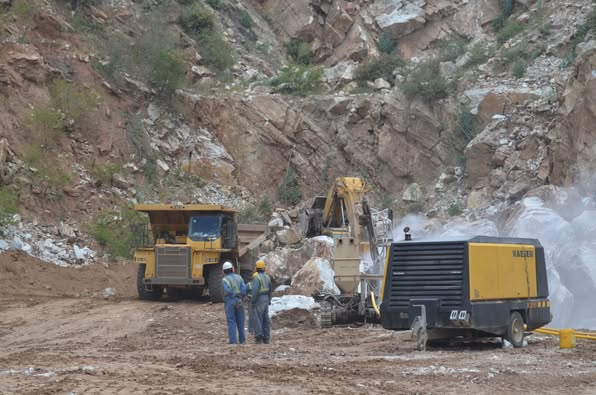
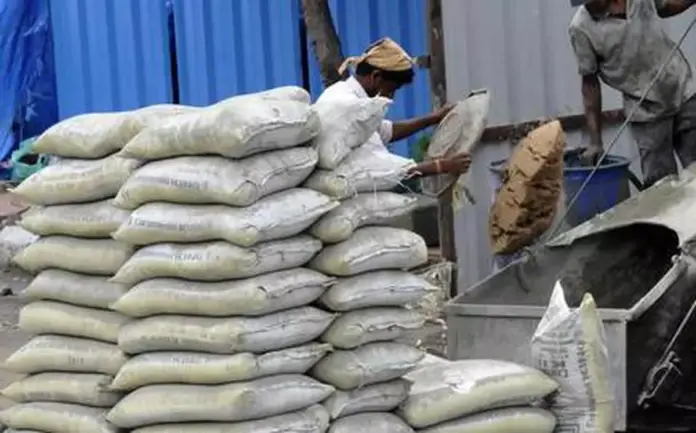
In a decisive move, Kenya’s Ministry of Mining has ordered the immediate shutdown of all mining operations at the East African Portland Cement Company (EAPCC), following a significant debt of US$4 million owed to the government. The cement producer, which has long been a dominant player in Kenya’s construction sector, is also facing legal issues, with accusations of operating without proper authorisation since 2016. The company’s quarries, primarily located in the Kajiado and Sultan Hamud regions, are now under police scrutiny to ensure compliance with the government’s shutdown order.

The EAPCC, which runs quarries at Portland and Sparetech in Kajiado and Kibini in Sultan Hamud, has been a key supplier of limestone for the cement industry. However, the company has come under intense scrutiny for several violations, including failing to adhere to safety regulations and a lack of basic operational requirements. According to reports, the company’s quarries have been operating without essential safety equipment, placing both workers and the environment at risk. In addition, there have been accusations of unregistered vehicles transporting limestone, an issue that not only breaches operational standards but also raises concerns about the company’s accountability and environmental responsibility.

The shutdown order is a response to the growing concerns over these safety and regulatory issues. The government has made it clear that EAPCC’s operations cannot continue unless it clears the outstanding debt and addresses its legal and operational shortcomings. With police now stationed at the company’s quarries, authorities are enforcing the suspension, ensuring that all mining activities cease immediately. EAPCC’s financial and operational troubles are indicative of the larger challenges facing the cement sector in the region. As one of the largest cement producers in East Africa, the company’s issues are likely to have a ripple effect on the local market. The shutdown has raised questions about the long-term sustainability of EAPCC, especially as the company grapples with both financial distress and increasing regulatory scrutiny.

This move by the government highlights the importance of adherence to environmental and safety standards, as well as the need for transparency in the mining industry. With mounting debts and operational challenges, the company will need to act swiftly to resolve its issues, or it risks further regulatory action, which could have far-reaching consequences for the cement industry and construction sector in Kenya.

Shree Cement Stock Gains 3.29% After Six-Day Decline, Reaches INR 26,120 High

Shree Cement Stock Gains 3.29% After Six-Day Decline, Reaches INR 26,120 High

Shree Cement Stock Gains 3.29% After Six-Day Decline, Reaches INR 26,120 High

Shree Cement Ltd. experienced a strong recovery on January 2, 2025, with its stock rising by 3.29 percent, reaching an intraday high of INR 26,120. This marked a significant reversal after six consecutive days of decline, signaling a potential shift in its price trend. The stock outperformed its sector by 1.48 percent, indicating positive momentum and investor optimism in the short term.

Currently, Shree Cement’s stock is trading above its 50-day, 100-day, and 200-day moving averages, suggesting a generally positive long-term trend. However, it remains below its 5-day and 20-day moving averages, which points to possible short-term volatility. This mixed technical picture indicates that while the stock might be poised for recovery, caution is warranted for near-term fluctuations. Over the past month, Shree Cement’s stock has seen a slight decline of 1.75 percent, compared to the Sensex’s smaller drop of 1.39 percent. This performance comes amid broader market uncertainty, with investors closely monitoring the company’s next moves.

Despite the recent uptick, the overall market conditions and the state of the cement industry remain key factors influencing the stock’s future performance. MarketsMOJO has issued a “Strong Sell” call on Shree Cement, signaling caution for investors. Given the uncertainties surrounding the stock’s performance, it is advisable for investors to stay informed about both market conditions and developments within the cement sector, which could significantly impact Shree Cement’s stock price in the short and long term.

India’s First Glass Bridge Opens in Tamil Nadu

India's First Glass Bridge Opens in Tamil Nadu

India’s First Glass Bridge Opens in Tamil Nadu

In an ambitious move to enhance the tourism appeal of Kanyakumari, Tamil Nadu has inaugurated the state’s first-ever glass bridge. Located off the coast of the iconic Kanyakumari, this 77-meter-long and 10-meter-wide bridge offers a unique experience to visitors, connecting two monumental landmarks: the Vivekananda Rock Memorial and the towering 133-feet high Thiruvalluvar statue. This groundbreaking structure is poised to redefine the tourism landscape in the region, offering not only a spectacular view of the surrounding sea but also a fresh perspective on two of India’s most revered figures in history.

A Visionary Step for Tourism

The glass bridge, inaugurated by Tamil Nadu Chief Minister M. K. Stalin, stands as a testament to the state’s commitment to boosting tourism and creating world-class infrastructure. The bridge is designed to provide a thrilling, once-in-a-lifetime experience for visitors, who can walk above the serene waters of the Arabian Sea while enjoying unobstructed views of the nearby monuments. As the first-ever glass bridge in India, it positions Kanyakumari as an emerging tourist hotspot, attracting both domestic and international travelers eager to witness this architectural marvel.

Kanyakumari, located at the southernmost tip of India, is already known for its rich history, natural beauty, and spiritual significance. The region attracts millions of visitors every year, particularly those interested in exploring the spiritual and cultural heritage of the Vivekananda Rock Memorial and the Thiruvalluvar statue. The addition of the glass bridge is expected to elevate the experience of these landmarks and offer visitors an entirely new vantage point.

The Design and Engineering Marvel

The glass bridge is not only a visual spectacle but also an engineering feat. With a bowstring arch structure, the bridge is designed to withstand the harsh coastal conditions, including the salty sea breeze that could potentially affect its durability. The structural integrity of the bridge has been a key consideration in its design. Made from toughened glass, the bridge offers a transparent floor that allows visitors to see the ocean beneath their feet, creating an exhilarating sense of walking on air.

At 77 meters in length and 10 meters in width, the bridge spans the distance between the Vivekananda Rock Memorial and the Thiruvalluvar statue, offering sweeping views of both monuments and the vast expanse of the ocean. The Thiruvalluvar statue, a tribute to the revered poet-saint, stands as a towering figure against the backdrop of the sea, while the Vivekananda Memorial, dedicated to the great spiritual leader Swami Vivekananda, is a place of deep historical and spiritual importance. The glass bridge allows visitors to walk across and experience these symbols of India’s cultural and philosophical heritage in a truly extraordinary manner.

Economic and Tourism Impact

This innovative project, completed at a cost of Rs 37 crore, is expected to significantly contribute to the region’s tourism economy. The glass bridge is more than just a tourist attraction; it is a game-changer that can draw larger crowds, increase the average duration of stays, and improve the overall footfall to Kanyakumari. With its striking design and unique features, the bridge has the potential to become a must-visit destination for tourists from all over the world.

Tourism is a major driver of the local economy, and the glass bridge will add a new dimension to the offerings in Kanyakumari, attracting adventure seekers, photography enthusiasts, and history buffs alike. The region’s tourism sector is expected to see a significant boost, with visitors flocking to see the bridge as part of their itinerary. In addition, local businesses, including hotels, restaurants, and souvenir shops, are likely to benefit from the increased influx of tourists.

A Symbol of Progress

Beyond its economic and tourism-related benefits, the glass bridge is also a symbol of progress and innovation. The project highlights Tamil Nadu’s commitment to enhancing its tourism infrastructure, ensuring that visitors have access to cutting-edge experiences while also preserving the cultural and historical significance of the region. By introducing the first-ever glass bridge in the country, Tamil Nadu is setting a new benchmark for tourism development, encouraging other states to explore similar projects that can offer modern, sustainable, and exciting experiences to tourists.

Infrastructure Output Slows to 4.3 % in November, Cement Production Surges

Infrastructure Output Slows to 4.3% in November, Cement Production Surges

Infrastructure Output Slows to 4.3 percent in November, Cement Production Surges

India’s infrastructure output showed signs of slowdown in November 2024, with the growth rate dropping to 4.3 percent compared to 7.9 percent in November 2023, according to the latest official data released on Tuesday. Despite this deceleration, the growth was notably higher than the 3.7 percent observed in October 2024, marking a four-month high in monthly production growth.

While most of the core sectors experienced moderated growth, cement production stood out with a substantial 13 percent increase. This surge was attributed to a low base effect from the previous year, which allowed for a strong performance in the cement sector. On the other hand, the output of crude oil and natural gas contracted, and several other sectors showed slower growth compared to the same period last year. Notable trends for November included:

  • Coal production saw a 7.5 percent rise.
  • Refinery products grew by 2.9 percent.
  • Fertilizer output rose by 2 percent.
  • Steel production increased by 4.8 percent.
  • Electricity generation expanded by 3.8 percent.

For the first eight months of the current fiscal year (April-November 2024), the core sector growth stands at 4.2 percent, which is significantly lower than the 8.7 percent recorded during the same period last year. The eight core infrastructure sectors—coal, crude oil, natural gas, refinery products, fertilizer, steel, cement, and electricity—collectively account for 40.27 percent of the Index of Industrial Production (IIP), an important measure of overall industrial performance in India. Aditi Nayar, chief economist at ICRA Ltd, pointed out that the sequential improvement in November’s core sector growth was mainly driven by the sharp rise in cement production. She stated, “We expect the IIP to grow by 5-7 percent in November 2024, partly benefiting from the uptick in core sector growth.”

AVG Logistics Secures $10.5 Million Cement Sector Order

AVG Logistics Secures $10.5 Million Cement Sector Order

AVG Logistics Secures $10.5 Million Cement Sector Order

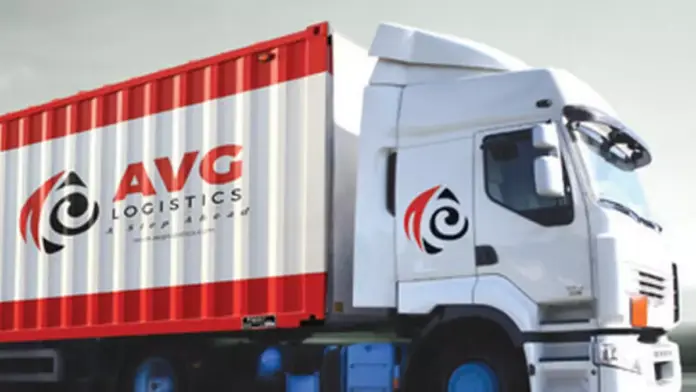
AVG Logistics, a leading player in logistics and supply chain management, has secured a major order worth US$10.5 million from a prominent cement manufacturing company. This strategic win marks a significant milestone in the company’s ongoing expansion strategy, underscoring its growing presence in the cement industry.

Under the terms of the contract, AVG Logistics will utilise its expertise in managing complex logistics networks to provide tailored solutions aimed at addressing the specific challenges faced by the cement supply chain. These include the efficient transportation of raw materials to the manufacturing facilities and the seamless delivery of finished cement products to distributors and consumers. The logistics company aims to optimise operations across the entire cement supply chain, ensuring timely deliveries, reducing costs, and enhancing overall operational efficiency. The cement sector is known for its logistical complexities, with heavy reliance on transportation infrastructure, timely supply, and large-scale deliveries.

Speaking about the development, AVG Logistics highlighted its experience in dealing with large-scale projects and its capability to offer innovative solutions to cater to the unique needs of the cement industry. The new order comes at a time when demand for efficient logistics services in the cement sector is growing, driven by increasing infrastructure activities across India and other emerging markets. This new contract is expected to strengthen AVG Logistics’ position in the cement industry and further enhance its reputation as a reliable logistics partner for large-scale manufacturing and distribution businesses.

Cement Industry’s Deal-Making Pace to Slow in 2025

Cement Industry’s Deal-Making Pace to Slow in 2025

Cement Industry’s Deal-Making Pace to Slow in 2025

India’s cement sector is poised to maintain its consolidation momentum into the New Year, after a year of intense deal-making in 2024. However, experts predict that while consolidation will continue, the pace of acquisitions may slow down, and deal sizes could be smaller.

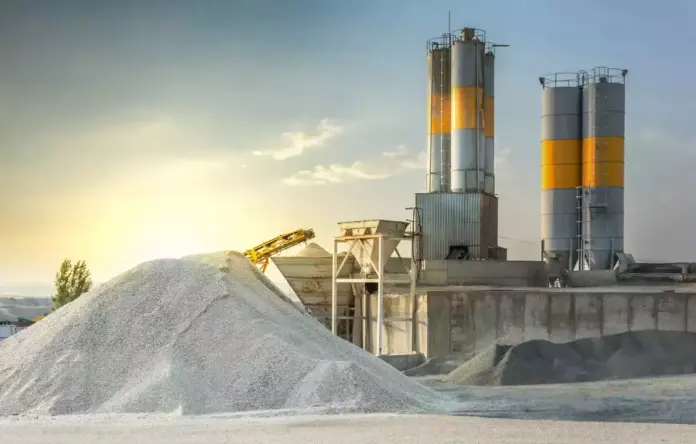
The rapid consolidation in 2024 saw major cement producers, including UltraTech Cement and Adani Cement, orchestrating high-profile buyouts that reshaped the landscape of India’s cement industry. A total of four large deals, with a combined capacity of approximately 34 million tonnes, were made last year, representing significant shifts in market dynamics. Currently, India has an annual cement production capacity of 641 million tonnes. Leading the way, UltraTech Cement and Adani Cement spearheaded the acquisitions, with Adani Cement buying Penna Cement and Orient Cement, while UltraTech, owned by Aditya Birla Group, acquired India Cements and took a small promoter stake in Star Cement, based in Meghalaya. Adani Cement’s goal is to reach a capacity of 140 million tonnes by 2028, while UltraTech plans to surpass 200 million tonnes by 2026-27.

Experts note that despite the consolidation trend, the scale of deals could be lower in 2025. “It may not be as aggressive as what happened in 2024, but some form of consolidation will continue,” stated Parvez Qazi, an analyst at Nuvama Institutional Equities. In 2024, the focus of deal-making was primarily on southern markets, which account for nearly a third of India’s cement production. However, 2025 could see more regional expansion, with experts predicting that companies may target acquisitions outside the southern states. One potential target is Jaiprakash Associates, which has assets under the National Company Law Tribunal (NCLT) in the central region. Additionally, Heidelberg Cement, with operations in India, could be acquired by larger cement producers like Adani Group. Further consolidation could also be spurred by the government’s increased spending on infrastructure, which is expected to drive growth in cement volumes in 2025. The rebound in cement sales following a challenging 2024, which was marked by elections, extreme weather conditions, and a high base from the previous year, is also anticipated to support further industry expansion.

Rural Development Ministry Aims to Sanction 10 Lakh PMAY-G Houses in January 2025

    0
    Rural Development Ministry Aims to Sanction 10 Lakh PMAY-G Houses in January 2025
    Rural Development Ministry Aims to Sanction 10 Lakh PMAY-G Houses in January 2025

    Rural Development Ministry Aims to Sanction 10 Lakh PMAY-G Houses in January 2025

    The Ministry of Rural Development has announced plans to sanction 10 lakh houses under the Pradhan Mantri Awas Yojana-Gramin (PMAY-G) in January 2025, as part of its broader target for the financial year 2024-25. These sanctions are aligned with the government’s efforts to create poverty-free villages and ensure housing for all.

    Rural Development Minister Shivraj Singh Chouhan shared that the ministry will focus on setting monthly targets to ensure timely implementation of various rural development schemes, with the aim of fulfilling Prime Minister Narendra Modi’s vision of a poverty-free India. The ministry’s action plan for January involves not only sanctioning the 10 lakh houses but also disbursing the first installment to beneficiaries. The ministry’s efforts will span across multiple schemes, including the Mahatma Gandhi National Rural Employment Guarantee Scheme (MGNREGS), Pradhan Mantri Gram Sadak Yojana (PMGSY), and the National Rural Livelihood Mission (NRLM). Chouhan stressed the importance of timely delivery and transparency to ensure all eligible families receive benefits under these schemes. The government has recently increased the budget for PMAY-G, with a record ₹54,500 crore allocated for the financial year 2024-25. Additionally, the scheme’s eligibility rules have been revised to ensure more families can benefit, supporting the broader goal of providing affordable housing for rural India.

    Looking forward, the Rural Development Ministry plans to set monthly targets and monitor progress regularly to ensure the successful completion of its goals. In the 2024-25 period, the target is to build an additional two crore houses under PMAY-G by 2029. In the first half of 2024-25, 31.65 lakh houses were sanctioned, and 4.19 lakh houses were completed, with a focus on fulfilling the housing needs of rural populations. Through these continued efforts, the Rural Development Ministry is working to significantly enhance living standards and help achieve the government’s goal of a poverty-free, well-housed India.

    PM Modi Directs Immediate Overhaul of National Highway Construction and Maintenance

      0
      PM Modi Directs Immediate Overhaul of National Highway Construction and Maintenance
      PM Modi Directs Immediate Overhaul of National Highway Construction and Maintenance

      PM Modi Directs Immediate Overhaul of National Highway Construction and Maintenance

      Prime Minister Narendra Modi has mandated urgent reforms within the national highway sector, following concerns about substandard construction and systemic inefficiencies. During a high-level review meeting, Modi instructed the Ministry of Road Transport and Highways (MoRTH) and the National Highways Authority of India (NHAI) to take swift action to rectify issues hampering highway construction and maintenance across India.

      The meeting focused on several alarming issues plaguing the sector, including substandard construction quality, insufficient project reports, and contractors submitting underpriced bids to win contracts. These problems have led to the deterioration of newly constructed roads, frequent mishaps at under-construction tunnels and bridges, and roads developing ruts and potholes soon after inauguration. Notable stretches like the Sohna-Dausa section of the Delhi-Mumbai Expressway, the Amritsar-Jamnagar, and Eastern Peripheral Expressways have all faced significant quality concerns, inconveniencing thousands of commuters.

      As a result, the NHAI has had to debar several contractors, with penalties such as banning seven contractors for periods ranging from one to 24 months and imposing fines totaling ₹23 crore over the past six to seven months. Prime Minister Modi emphasized the importance of adopting a more stringent approach to selecting contractors and consultants for highway projects. He called for a shift towards engaging quality-conscious builders who prioritize long-term durability over cost-cutting strategies. This, he noted, would help prevent the recurrence of roads deteriorating shortly after completion, which undermines public confidence and increases future maintenance costs.

      In a bid to further streamline the construction process, PM Modi directed that the practice of dividing NH corridors into smaller packages just below ₹1,000 crore be halted. This practice was previously used to bypass the requirement for Cabinet approval. Instead, the government will now send complete corridor projects for Cabinet approval, ensuring more thorough oversight and accountability before work commences. This reform aims to improve the quality and accountability of large-scale highway projects. The meeting also addressed the growing issue of arbitration cases in the highway sector. Over the past two decades, approximately 750 arbitration cases have been filed, involving claims amounting to around ₹1 lakh crore, many of which remain unresolved. PM Modi directed the ministry to prepare a detailed report on these cases, outlining the parties involved, claims, and arbitrators, to better understand the scope of the issue and prevent future disputes.

      PM Modi’s directives signal a firm commitment to overhauling India’s highway sector, with a focus on ensuring safer, durable, and high-quality roads. By addressing key issues such as contractor practices, project approvals, and arbitration cases, the government aims to establish a new benchmark for road infrastructure development in India. These reforms are expected to improve the overall quality of highways, reducing maintenance costs and enhancing road safety for all commuters. As these changes are implemented, India’s road transport sector is set to experience significant improvements, offering better roads and infrastructure that meet global standards. With these reforms, the government hopes to provide the nation with a robust and sustainable road network that will foster long-term economic growth and development.

      Delhi BJP MPs Propose Major Road Projects to Ease Traffic and Cut Pollution

        0
        Delhi BJP MPs Propose Major Road Projects to Ease Traffic and Cut Pollution
        Delhi BJP MPs Propose Major Road Projects to Ease Traffic and Cut Pollution

        Delhi BJP MPs Propose Major Road Projects to Ease Traffic and Cut Pollution

        Delhi has presented four major infrastructure proposals to Union Transport Minister Nitin Gadkari, aimed at tackling the city’s growing traffic congestion and air pollution. These proposals, discussed during a recent meeting between the MPs and Gadkari, focus on improving traffic flow, enhancing connectivity, and reducing the environmental impact of the city’s transport network.

        One of the key proposals is the construction of an underground tunnel connecting Shiv Murti to Nelson Mandela Marg. This tunnel would significantly reduce travel time between Indira Gandhi International Airport and central Delhi, bringing it down to just 7-8 minutes. The tunnel would offer an alternative to the heavily congested roads surrounding the airport, alleviating traffic bottlenecks and improving overall vehicle movement in the area. Another major proposal involves the extension of the Delhi-Katra Expressway, which would link the expressway to both the Kundli-Manesar-Palwal (KMP) Expressway and Urban Extension Road (UER) 2. This extension is expected to create a direct route between Delhi and Gurgaon, bypassing the city’s congested core, thus allowing for faster and more efficient travel between the two cities. The third proposal suggests the construction of an expressway connecting UER 2 at Alipur to Tronica City in Uttar Pradesh. This new expressway would divert Haryana-bound traffic away from Delhi, thereby reducing congestion in the capital. It would also facilitate smoother commutes for those travelling to and from neighboring states.

        The fourth proposal focuses on extending UER 2 to the east, creating a direct route from Dehradun to Noida and Ghaziabad without passing through Delhi. This extension is expected to significantly reduce traffic volumes on Delhi’s roads, particularly for commuters from Uttar Pradesh, easing congestion and improving traffic flow across the city. During a press conference, Harsh Malhotra, Union Minister of State for Road Transport and Highways, emphasized the urgency of these projects in addressing both pollution and traffic congestion. Malhotra noted that the new infrastructure would help manage the growing volume of vehicles entering Delhi from neighboring states, easing congestion and reducing the number of vehicles on the city’s roads, which are major contributors to air pollution. South Delhi MP Ramvir Singh Bidhuri also underscored the importance of these proposals in alleviating pollution and traffic jams. He highlighted that the new infrastructure would help regulate the number of vehicles entering Delhi, resulting in better traffic flow and cleaner air for residents.

        Malhotra also highlighted several infrastructure achievements under the leadership of Union Minister Nitin Gadkari and Prime Minister Narendra Modi. Over the past decade, India has seen the construction of over 55,000 km of national highways, improving connectivity across the country. Malhotra pointed out the near completion of the Delhi-Dehradun Expressway, which will significantly reduce travel time between the two cities. Additionally, the Delhi-Meerut Expressway has already started easing congestion, and the Delhi-Mumbai Expressway will drastically cut down travel time between Delhi and Mumbai from 36 hours to just 12.

        These road infrastructure proposals are part of a broader vision to not only address immediate traffic issues but also support long-term urban growth. The projects aim to improve connectivity while reducing reliance on vehicles entering Delhi, fostering a more sustainable transport system. These initiatives are expected to make commuting in Delhi more efficient and sustainable, benefiting residents, commuters, and visitors alike. As the proposals progress, they will be integrated with ongoing efforts to combat pollution and congestion, both of which remain significant challenges for the city. By enhancing the city’s road infrastructure, these projects aim to ensure that Delhi remains a liveable city even as its population continues to grow. The four infrastructure proposals presented by Delhi’s BJP MPs offer a comprehensive plan to address two of the city’s most persistent issues—traffic congestion and pollution. If implemented, these projects will not only improve connectivity and reduce travel times but also contribute to the city’s environmental goals by cutting down vehicle emissions, making Delhi’s transport system more sustainable in the long run.