Home Blog Page 405

Tata Steel CEO Foresees Growth in India as Global Steel Faces Profits Decline

Tata Steel CEO Foresees Growth in India as Global Steel Faces Profits Decline

Tata Steel CEO Foresees Growth in India as Global Steel Faces Profits Decline

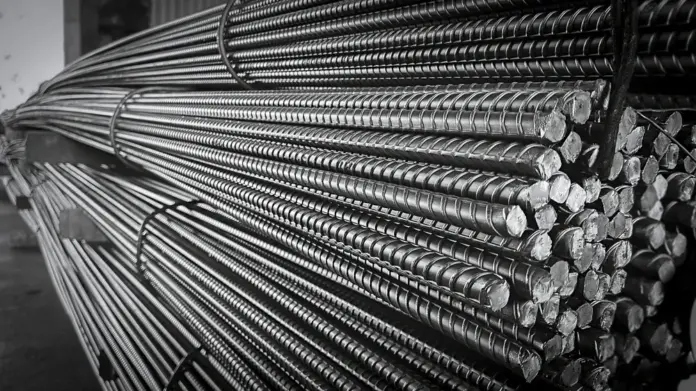
The global steel industry is grappling with significant profit challenges, primarily driven by China’s aggressive pricing strategies, according to Tata Steel’s CEO, TV Narendran. The surge in Chinese exports, along with the slow recovery of the Chinese market, has led to tighter margins across the global steel sector, especially in 2023 and 2024. Despite these hurdles, Narendran remains optimistic about India’s steel demand, which is growing at an impressive 8 per cent annually, presenting substantial opportunities for value addition and job creation within the sector.

Narendran highlighted the importance of India’s mineral-rich states, such as Jharkhand and Odisha, as key regions for steel production expansion. He emphasised that these states not only provide abundant raw materials but also present opportunities for building industries that can drive job creation and economic growth. “The growth of the steel industry in India is deeply tied to the potential of these resource-rich states,” he remarked. Tata Steel, one of the largest steel producers in India, has consistently benefited from these local advantages, with strong domestic demand contributing to the company’s profitability despite global challenges.

He also called for greater government support to shield domestic producers from unfair competition, similar to the measures undertaken by nations like the US and Canada. These protections, he argued, would enable Indian producers to maintain a competitive edge in a market that is increasingly affected by global price pressures and fluctuating demand. Tata Steel’s continued profitability in India has also been supported by its ongoing investments, including a significant ₹40,000–50,000 crore annually into the steel industry. One of the standout achievements was the commissioning of India’s largest blast furnace at Tata Steel’s Kalinganagar plant, marking a major milestone in the company’s commitment to expanding production capacity and improving efficiency.

Further reinforcing Tata Steel’s positive trajectory in India, Narendran pointed to the company’s contributions to local communities through infrastructure projects that support employee and community well-being. These initiatives include staff housing, schools, and other social infrastructure. Tata Steel is also in discussions with the newly-formed Jharkhand government to tap into the state’s resources, aiming to bolster growth in the steel and automotive sectors.


AI Revolutionises Real Estate – Discover the Future of Property Market Innovations

    0
    AI Revolutionises Real Estate – Discover the Future of Property Market Innovations
    AI Revolutionises Real Estate – Discover the Future of Property Market Innovations

    AI Revolutionises Real Estate – Discover the Future of Property Market Innovations

    The housing market is undergoing a seismic shift, with artificial intelligence (AI) at the forefront of this transformation. As technology continues to revolutionise industries, real estate is embracing AI-powered tools and systems that promise to redefine how we buy, sell, and manage properties. From smart contracts to virtual reality tours, AI is not just enhancing the efficiency of transactions but also offering greater transparency, security, and convenience for everyone involved.

    Traditionally, property appraisals have been a manual process, often subject to human error and bias. With AI, however, home valuations are becoming more accurate and consistent. Advanced AI models now factor in numerous variables, such as neighbourhood trends, infrastructure developments, and economic conditions, offering real-time, data-driven insights. This means property buyers and sellers can make more informed decisions, with valuations that are faster, unbiased, and based on comprehensive datasets.

    Another groundbreaking development in real estate is the integration of blockchain technology. Through smart contracts, the buying and selling of homes can now be completed with unprecedented speed and security. These digital contracts automatically execute predefined terms once all conditions are met, reducing the need for intermediaries and minimizing human error. Blockchain also ensures that all transactions are transparent, tamper-proof, and securely stored, significantly reducing the chances of fraud. Virtual reality is changing how we experience real estate. Potential buyers can now take immersive, 360-degree tours of properties without leaving their homes. VR allows them to explore different rooms, assess property layouts, and even interact with the surrounding neighbourhoods, all through digital simulations. This technology enhances convenience and accessibility, making it easier for long-distance buyers to evaluate properties before scheduling an in-person visit.

    One of the most valuable aspects of AI in real estate is its ability to predict market trends. By analysing massive amounts of data, AI systems can identify patterns that help forecast shifts in demand, price fluctuations, and investment opportunities. Investors and buyers now have a competitive edge, with insights that enable them to make more strategic decisions based on predictive analytics. In addition to transforming the buying and selling process, AI is also reshaping property management. Smart sensors and data analytics now enable property managers to optimise maintenance schedules, automate resource usage, and predict when repairs are needed. This not only lowers operational costs but also improves the living experience for tenants, increasing property value over time. Beyond streamlining transactions, blockchain provides an added layer of security. By decentralising property data, blockchain reduces the risk of breaches and unauthorised access, ensuring that personal and financial information remains secure. Property-related data, such as ownership and transaction history, can now be stored safely, with full transparency for all parties involved.

    Augmented reality is enhancing the property viewing experience in a new way. While VR offers immersive tours, AR enables buyers to visualise changes they could make to a property before committing to any alterations. Through AR, buyers can see how different furniture or paint colours would look in a space, helping them make better decisions about potential renovations or purchases. The mortgage approval process, often a time-consuming and complicated procedure, is being expedited by AI. Advanced algorithms now analyse credit histories, financial information, and other relevant factors with precision, enabling quicker and more personalised loan decisions. This streamlines the home-buying process and reduces the waiting time for approvals. While AI offers enormous potential, the adoption of these technologies is not without challenges. For smaller real estate firms or individual buyers, the initial costs of setting up AI tools, VR systems, and blockchain infrastructure can be significant. However, as these technologies become more widespread, the costs are expected to decrease, leading to broader adoption across the industry. Moreover, AI’s ability to predict market trends and offer insights also raises questions about data privacy and the ethical use of algorithms. Ensuring that AI systems are transparent, fair, and free from bias will be crucial for building trust in these new technologies

    Dibrugarh Civic Body Implements Digital ID System to Improve Property Tax Collection

      0
      Dibrugarh Civic Body Implements Digital ID System to Improve Property Tax Collection
      Dibrugarh Civic Body Implements Digital ID System to Improve Property Tax Collection

      Dibrugarh Civic Body Implements Digital ID System to Improve Property Tax Collection

      Dibrugarh Municipal Corporation (DMC) launched an ambitious project on January 1, 2025, aimed at revolutionising property management and tax collection in the city. The initiative will see the installation of Permanent Property Unique Identification Number (UIN) plates across 24,000 properties in 22 wards of Dibrugarh. This development comes as part of a broader strategy to digitise civic processes, ensuring transparency, efficiency, and ease of access for property owners and municipal officials alike.

      The installation of UIN plates is set to be a game-changer for Dibrugarh, simplifying property identification and streamlining the tax collection process. Each UIN plate, which will be installed on both residential and commercial properties, features a unique 9-digit identifier. This identifier will contain key details such as house ID, ward ID, road ID, property ID, and property sub ID. Embedded within the plates will also be QR codes, which will allow property owners to instantly access critical information, such as property tax, water, and sewerage tax details, directly from their smartphones. Dibrugarh Municipal Corporation initiates a digital transformation by installing unique property identification number (UIN) plates across 24,000 properties, enhancing tax collection and property management. Dibrugarh’s mayor, Saikat Patra, emphasised that this digital transformation will not only enhance the convenience for residents but also improve the efficiency of municipal administration. The QR code-enabled plates will allow municipal officials to easily verify tax payment statuses during inspections, ensuring quicker resolutions and fewer errors in property records. This system promises to reduce the manual workload on municipal staff and improve service delivery, making Dibrugarh a more efficient and tech-savvy city.

      The UIN project is part of a broader effort by Dibrugarh to modernise its infrastructure and governance, especially after the city’s elevation to Municipal Corporation status on March 6, 2024. The transition from a Municipal Board to a Municipal Corporation made Dibrugarh the second urban body in Assam, after Guwahati, to achieve this status. This upgrade is seen as a crucial step in the city’s growth, and the UIN initiative marks a significant milestone in its urban development journey. The move also aligns with Assam’s broader goals of digitalising civic processes across the state. With the launch of the UIN system, Dibrugarh is setting an example of how smaller cities can embrace technology to tackle long-standing challenges such as tax evasion and inefficient property management. The project is expected to be completed within six months, covering a total of 24,278 homes and business establishments.

      This digital initiative also holds immense potential for empowering citizens by enabling them to manage their property records and tax details digitally. In turn, the system promotes greater transparency, making it easier for residents to comply with their civic duties and for the local authorities to track payments. The QR code system offers real-time access to vital information, cutting down on time-consuming paperwork and administrative bottlenecks. Reflecting on this ambitious digital leap, Mayor Patra shared, “By embracing technology, we are not only improving efficiency but also ensuring that the civic duties of the people are simplified. Our goal is to create a more accessible and transparent system that benefits both the administration and the citizens.” Dibrugarh’s transition to a Municipal Corporation and the launch of the UIN initiative highlight the city’s commitment to embracing modernisation while maintaining its rich historical legacy. Established in 1873, Dibrugarh is one of Assam’s oldest municipal bodies, and its journey towards modern governance continues with initiatives like the UIN system that bridge the gap between tradition and innovation. With the implementation of the UIN system, Dibrugarh is poised to enhance the quality of life for its residents, providing a model for other cities in Assam and across India to follow.

      Steel Prices May Drop by 4% in 2025 Amidst Global Challenges

      Steel Prices May Drop by 4% in 2025 Amidst Global Challenges
      Steel Prices May Drop by 4% in 2025 Amidst Global Challenges

      Steel Prices May Drop by 4% in 2025 Amidst Global Challenges

      The global steel market is facing a turbulent 2025, as the simultaneous rise in Chinese steel exports and weak demand in key markets, particularly the European Union, threaten to further push prices down. China’s steel exports surged by 25 percent in 2024, reaching an impressive 115-118 million tonnes, while demand within the EU’s steel-consuming industries dropped by 3-4 percent. This has led to significant downward pressure on steel prices, particularly in the flat steel market, which saw an 11 percent year-on-year decline in prices during 2024. Many steel producers are now struggling to remain solvent, with some facing the threat of closure.

      The situation is expected to worsen in 2025. Despite a forecasted decline in steel consumption in China by 1.5 percent, the country’s steel exports are expected to stay high, at around 100 million tonnes. As a result, global steel prices will continue to be under pressure, and analysts predict that average prices for flat products in the EU could fall another 4 percent. Globally, steel consumption is expected to decrease by 0.7 percent. The decline in iron ore prices is compounding the challenges for the steel sector. In 2024, the average price of iron ore in China dropped by 10 percent, to $110 per tonne, and it is expected to fall further by 13-14 percent in 2025, possibly reaching $95 per tonne. This decline is largely due to an oversupply of raw materials and high iron ore reserves. For countries like Ukraine, which rely heavily on vertically integrated steel production that incorporates iron ore, the falling ore prices are particularly damaging. These producers are already facing reduced margins, further threatening steel exports.

      Ukraine’s steel industry, which primarily exports to the EU, has been hit hard by the weakening demand across the continent. The country has also been grappling with economic challenges, including energy price hikes that surpass European levels and rising transportation costs, which have increased by 10-15 percent due to railway tariff hikes over the past three years. These factors, combined with market volatility, are raising production costs for Ukraine’s iron and steel companies, and there are growing concerns that some plants may have to reduce output or shut down completely. In 2023, Ukrainian steelmakers managed to increase rolled steel production by 0.4 percent compared to 2022, reaching 5.37 million tonnes. However, pig iron production saw a significant decline of 6.1 percent, and steel production also dropped slightly by 0.6%. Exports of rolled steel products fell drastically from 8.34 million tonnes in 2021 to just 1.78 million tonnes in 2023. Despite these challenges, Ukrainian steelmakers are striving to maintain production levels while navigating the complex and highly competitive global steel market. As the global steel industry braces for another difficult year, it remains to be seen how domestic producers, particularly in Ukraine, will cope with continued volatility and increasing pressure from both external factors like Chinese exports and internal challenges such as rising production costs.

      Delhi’s Rapid Rail Section to Open on Jan 5 Connecting Anand Vihar and New Ashok Nagar

        0
        Delhi's Rapid Rail Section to Open on Jan 5 Connecting Anand Vihar and New Ashok Nagar
        Delhi's Rapid Rail Section to Open on Jan 5 Connecting Anand Vihar and New Ashok Nagar

        Delhi’s Rapid Rail Section to Open on Jan 5 Connecting Anand Vihar and New Ashok Nagar

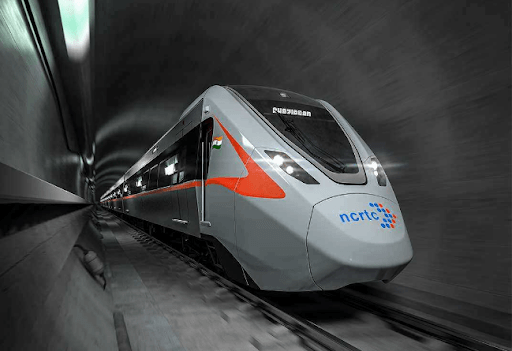
        On January 5, 2025, the much-awaited Delhi section of India’s first semi-high-speed rapid rail corridor will be inaugurated by Prime Minister Narendra Modi. This marks a significant milestone in enhancing urban transportation within the National Capital Region (NCR). The new 13-kilometre section will connect Anand Vihar and New Ashok Nagar, extending the operational length of the rapid rail corridor to 55 kilometres.

        Originally set for a December 29 launch, the inauguration was delayed due to national mourning following the passing of former Prime Minister Manmohan Singh. This section of the rapid rail corridor is part of the larger Delhi-Meerut project, designed to provide swift, reliable connectivity between Delhi and its satellite cities. The Delhi section will offer commuters seamless integration with existing metro lines, enhancing overall transport connectivity in the capital. Anand Vihar, which already serves as a major interchange for metro, Indian Railways, and buses, will become a crucial transit hub. The rapid rail will provide better access to the metro lines, with Anand Vihar connecting to both the Blue and Pink Lines, while New Ashok Nagar will link directly to the Noida section of the Blue Line.

        The corridor’s design features a 6-kilometre underground stretch starting at Vaishali station, adding to its appeal as a modern transportation network. Anand Vihar will be the only underground station in this section, while more underground stations are planned for the Meerut stretch. This rapid rail service is expected to provide a much-needed alternative to Delhi’s congested roads, offering commuters a fast and efficient mode of travel. The full 82-kilometre corridor is slated to be operational by June 2025, with the final station at Sarai Kale Khan in Delhi. Once fully operational, the Delhi-Meerut rapid rail corridor will help alleviate traffic pressure, ease daily commutes, and contribute to sustainable urban mobility in the NCR. The project’s progress, with trains already operating between Sahibabad and Meerut South, will significantly impact the region’s transport landscape, making it a cleaner and more efficient place to live.

        India Tightens Quality Control Norms for Steel to Boost Domestic Industry

        India Tightens Quality Control Norms for Steel to Boost Domestic Industry
        India Tightens Quality Control Norms for Steel to Boost Domestic Industry

        India Tightens Quality Control Norms for Steel to Boost Domestic Industry

        In a bid to protect the domestic steel industry and elevate the quality of infrastructure, the Ministry of Steel has announced an expansion of the country’s quality control norms for steel. The new plan aims to regulate all steel grades—both produced domestically and imported—by enforcing stricter compliance with the Bureau of Indian Standards (BIS) specifications.

        Currently, 1,376 steel items are covered under the Quality Control Order (QCO), and with the new policy, an additional 1,000 grades will be included. As part of the revised framework, only steel meeting the BIS standards will be permitted for market entry. For steel grades not currently under BIS regulations, a No Objection Certificate (NOC) will be required from the ministry before importation. A government official stated, “Our goal is to ensure that all steel grades conform to BIS standards within the next year. This initiative will serve as a non-tariff barrier to prevent low-quality steel from entering the market, thereby safeguarding domestic manufacturers and maintaining competitiveness.”

        ICRA’s Ritabrata Ghosh emphasized that expanding the QCO could lead to a temporary reduction in steel imports, which currently amount to about 1 million tonnes per month. However, the long-term impact will hinge on how quickly international suppliers can secure BIS certification for their products. India’s steel industry faces considerable challenges, particularly with rising import volumes. The country’s steel sector requires an estimated Rs 10 trillion in investment by 2030-31 to increase production capacity from 180 million tonnes (MT) to 300 MT. However, the influx of cheaper imports from countries like Japan, Korea, and China—which is circumventing tariffs by exporting steel via Vietnam—continues to threaten domestic producers.

        Once a net exporter of steel, India became a net importer in the last fiscal year, and the import-export gap is projected to hit an eight-year high of 11 MT in FY25. To address these challenges, the government is actively pursuing a combination of tariff and non-tariff measures. This includes a proposal to double the basic customs duty on steel imports to 15 percent, which is currently under review by the finance ministry. The Directorate General of Trade Remedies (DGTR) is also investigating the imposition of safeguard and anti-dumping duties on imports, particularly from Vietnam.

        Furthermore, a proposal for a 25 percent safeguard duty on certain steel grades, irrespective of their country of origin, is also being considered. These protective measures are intended to ensure fair pricing, curb the impact of cheap imports, and attract investments to strengthen India’s steel manufacturing capabilities, thus supporting long-term growth in the sector. By tightening quality control and advocating for stronger trade protections, India aims to revitalise its steel industry, boost infrastructure development, and create a level playing field for domestic producers.

        Air India Launches Non-Stop Delhi-Newark Flight with A350 Aircraft

          0
          Air India Launches Non-Stop Delhi-Newark Flight with A350 Aircraft
          Air India Launches Non-Stop Delhi-Newark Flight with A350 Aircraft

          Air India Launches Non-Stop Delhi-Newark Flight with A350 Aircraft

          Air India has expanded its international network with the launch of a non-stop flight between Delhi and Newark, New Jersey, which commenced operations on January 3, 2025. This new route strengthens Air India’s presence in the New York metropolitan area, complementing its non-stop flight service between Delhi and New York (JFK), which began in November 2024.

          The Delhi-Newark flight is operated by the airline’s flagship A350-900 aircraft, offering an advanced, modern travel experience. Known for its fuel efficiency, quieter engines, and spacious cabins, the A350 aircraft represents a major step forward in Air India’s efforts to modernise its fleet and offer more comfortable and eco-friendly options for passengers. This new route provides greater convenience for Indian passengers flying to the United States, eliminating the need for long layovers or connecting flights. By offering direct connections to both JFK and Newark airports, Air India now serves the entire New York metropolitan area, making it more convenient for both business and leisure travellers. The new flight is part of Air India’s broader strategy to enhance global connectivity, particularly with North America. The airline is also expanding its services to Southeast Asia and Europe, deploying its A350 and B777 aircraft on high-demand international routes. In addition, Air India is optimising flight schedules to offer better connectivity between North America, Europe, and destinations such as Australia and Southeast Asia, enhancing convenience for long-haul travellers.

          The airline’s fleet now stands at 298 aircraft, serving 55 domestic and 48 international destinations. As part of its growth strategy, Air India plans to add another 100 aircraft by 2027, further expanding its global network. In addition, Air India is integrating aircraft from Vistara, which it acquired, to enhance services on popular international routes like London and Frankfurt. While Air India faces challenges with its older Boeing 777 aircraft on long-haul routes, the introduction of the A350 and continued fleet upgrades will help the airline maintain its competitive edge. With state-of-the-art aircraft and more flexible schedules, Air India is well-positioned to offer a world-class flying experience and remain a key player in the global aviation market.

          Nitin Gadkari Unveils ₹1 Lakh Crore Infrastructure Plans to Transform Delhi

            0
            Nitin Gadkari Unveils ₹1 Lakh Crore Infrastructure Plans to Transform Delhi
            Nitin Gadkari Unveils ₹1 Lakh Crore Infrastructure Plans to Transform Delhi

            Nitin Gadkari Unveils ₹1 Lakh Crore Infrastructure Plans to Transform Delhi

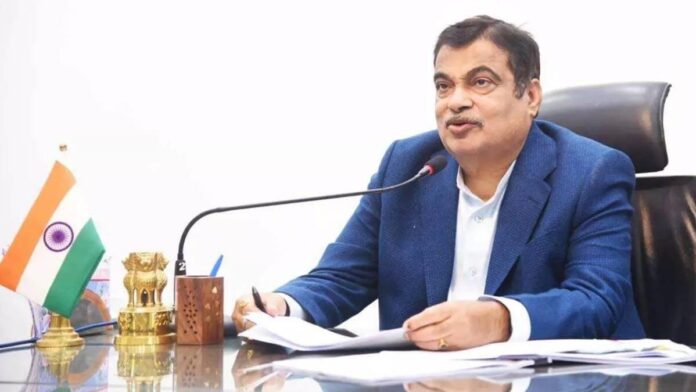
            Union Minister for Road Transport and Highways, Nitin Gadkari, has unveiled an ambitious ₹1 lakh crore infrastructure plan to transform Delhi’s urban landscape. Over the next two years, the Union government aims to address the city’s longstanding challenges, including severe traffic congestion, air pollution, and inadequate infrastructure. These initiatives will not only focus on improving Delhi’s roads but also on enhancing the overall quality of life for its residents.

            Gadkari revealed that a project worth ₹65,000 crore is already in progress, with ₹33,000 crore of work completed so far. The remaining ₹32,000 crore will fund the upcoming initiatives, which are expected to bring about significant changes in Delhi’s infrastructure. The minister stressed that the focus is on alleviating traffic woes and combating air pollution, which has long been a problem for the city. A major contributor to pollution is Delhi’s notorious traffic jams, worsened by a high number of fossil fuel-powered vehicles. The government plans to introduce electric buses, promote CNG vehicles, and implement measures to reduce emissions from traditional vehicles as part of its strategy to reduce pollution by 40% within five years. Additionally, Gadkari addressed the ongoing efforts to clean the Yamuna River as part of the Namami Gange scheme. Although progress has been slower than anticipated due to the Delhi government’s failure to contribute to funding for some projects, the central government remains committed to the initiative. Gadkari assured that the funding issue would be resolved soon, and cleaning efforts would intensify.

            Stubble burning, another major contributor to Delhi’s seasonal pollution, is also being tackled. The government has already seen a 20% reduction in stubble burning in Punjab and Haryana. In an innovative approach, 400 plants are being set up to convert stubble into valuable resources such as CNG, bio-vitamins, and ethanol. Of these, 60 plants are already operational. One plant in Panipat is expected to produce one lakh litres of ethanol, 150 tonnes of bio-vitamins, and 78,000 tonnes of aviation fuel from stubble. These efforts not only reduce pollution but also create economic opportunities by generating jobs, improving farmers’ welfare, and reducing reliance on imported fuels. The government’s strategy to convert waste into wealth aligns with a broader vision of sustainability, benefiting both the environment and the economy. As Gadkari stated, the aim is to “free Delhi from pollution in the next five years.” This comprehensive plan represents a forward-thinking approach to addressing the city’s pressing issues, setting the stage for a cleaner, more sustainable Delhi. By focusing on cleaner air, better infrastructure, and sustainable energy solutions, the ₹1 lakh crore investment will transform Delhi’s infrastructure over the next few years, providing much-needed relief to its millions of residents. The government’s commitment to resolving Delhi’s traffic congestion and pollution challenges signals a positive future for the city’s growth and livability.

            Smartworks Leases 4.7 Lakh Sq Ft Office Space in Gurugram

              0
              Smartworks Leases 4.7 Lakh Sq Ft Office Space in Gurugram
              Smartworks Leases 4.7 Lakh Sq Ft Office Space in Gurugram

              Smartworks Leases 4.7 Lakh Sq Ft Office Space in Gurugram

              Smartworks, one of India’s largest managed campus operators, has secured a 4.7 lakh square feet office space lease at DLF Commercial Building in DLF City-V, Gurugram. This new lease marks Smartworks’ fourth managed campus in the city, joining its existing campuses at Golf View Corporate Towers on Golf Course Road, RK 4 Square in Cyber City, and ASF Insignia at Vatsal Valley.

              This expansion underlines the growing demand for flexible and fully managed office spaces, which has become an integral part of India’s commercial real estate market. Neetish Sarda, the founder of Smartworks, highlighted that the company’s rapid growth in Gurugram is a direct reflection of the increasing interest from businesses seeking fully serviced office solutions that offer flexibility and operational efficiency.

              As of mid-August 2024, Smartworks has accumulated a total super built-up area of 9.12 million square feet, spread across 45 centres in 13 cities. The company’s expansion has been further supported by its plans for an initial public offering (IPO), which was approved by the Securities and Exchange Board of India (SEBI) in December 2024. The planned IPO will include a fresh issue of equity shares worth Rs 550 crore, in addition to an offer for sale (OFS) of 6.759 million shares. Smartworks is also considering raising Rs 110 crore through pre-IPO placements, with proceeds being used to repay loans and for general corporate purposes. The company’s growth trajectory has also attracted investment from prominent backers such as Singapore-based Keppel Ltd, which has invested $29 million in Smartworks since 2019. This support has played a key role in the company’s expansion and its ability to secure large office spaces across key commercial hubs in India. The increasing demand for flexible workspaces, particularly in major cities like Gurugram, demonstrates a shift towards more adaptable and service-oriented office environments. As businesses increasingly seek scalable, cost-effective solutions, Smartworks is well-positioned to capitalize on this trend, offering innovative office spaces that cater to the evolving needs of modern enterprises.

              India’s Smart Infrastructure Revolution Shaping Sustainable Cities for the Future

                0
                India’s Smart Infrastructure Revolution Shaping Sustainable Cities for the Future
                India’s Smart Infrastructure Revolution Shaping Sustainable Cities for the Future

                India’s Smart Infrastructure Revolution Shaping Sustainable Cities for the Future

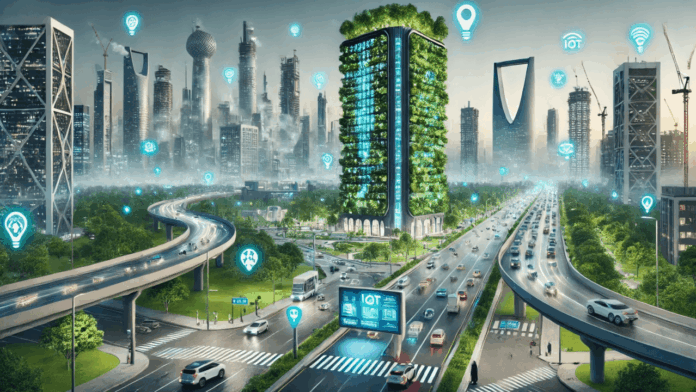
                India is at the forefront of a transformative urban development movement, with its focus now squarely on creating sustainable cities that are not only efficient but also resilient and environmentally responsible. As urbanisation is set to add over 400 million people to India’s cities by 2050, the nation faces a critical challenge: how to accommodate this influx while ensuring the quality of life remains high and cities remain environmentally sustainable. India’s smart infrastructure revolution is helping address these challenges by integrating advanced technologies and focusing on long-term sustainability goals.

                Smart infrastructure, in contrast to traditional urban development, is driven by innovations such as artificial intelligence (AI), the Internet of Things (IoT), and renewable energy solutions. This approach optimises resource usage, enhances efficiency, and addresses key environmental and economic challenges. Dr. Manvendra Deswal, former head of India’s Smart Cities Mission, underscores that smart infrastructure is about “livability and sustainability.” For a country like India, where population growth and urban expansion are rapid, the focus on decarbonisation and resource efficiency is crucial for ensuring the resilience of cities in the face of climate change. A central component of this infrastructure overhaul is the shift to renewable energy. Currently, renewable sources account for 25% of India’s energy mix, with the country aiming for a significant increase in the coming years. Innovations in clean technology, such as robotic cleaning systems for solar panels and digital twin technologies to optimise energy use, are at the forefront of this transition. Prashant Mathur, CEO of Saatvik Solar, highlights the importance of these technologies in reducing reliance on fossil fuels and improving the sustainability of India’s energy infrastructure. Public-private partnerships (PPPs) play a key role in making such projects feasible, with stakeholders from both sectors collaborating to drive renewable energy adoption and ensure long-term sustainability.

                One of the most visible examples of smart infrastructure is India’s airports. The Noida International Airport is becoming a model for integrating smart technologies into large-scale infrastructure projects. Live data systems are used to optimise passenger flow and resource allocation, not only improving efficiency but also reducing energy consumption. Similarly, Raman Kapil, President & COO of Tata Projects, notes how the creation of smarter buildings, energy-efficient systems, and better resource management is crucial to the vision of sustainable cities that focus on quality of life. Despite the progress, challenges remain. There are still gaps in knowledge, resistance to change, and hurdles related to the interoperability of technologies. However, the rise of public-private partnerships is bridging the gap, offering a way forward to address these issues while fostering innovation. For citizens, the shift towards smarter infrastructure will bring tangible benefits, including cleaner air, more efficient public transportation, and better access to services like healthcare and education.

                Additionally, embracing renewable energy and clean technologies will help reduce cities’ carbon footprints, improving air quality and contributing to a healthier environment. India’s smart infrastructure revolution is setting the stage for a greener and more sustainable urban future. By integrating advanced technologies, prioritising renewable energy, and fostering cross-sector collaboration, the country is positioning itself as a global leader in sustainable urbanisation. As this transformation progresses, India aims to create cities that not only function more efficiently but also provide a higher quality of life, all while contributing to environmental sustainability. The smart infrastructure revolution is more than just a technological upgrade; it is a blueprint for a greener, more resilient, and livable future for all Indians.