Home Blog Page 415

China’s Jiangsu Shipyard Cuts Steel for Methanol-Fueled Bulkers

0
China’s Jiangsu Shipyard Cuts Steel for Methanol-Fueled Bulkers

China’s Jiangsu Shipyard Cuts Steel for Methanol-Fueled Bulkers

China’s Jiangsu Qinfeng Shipbuilding has marked a significant milestone by cutting the first steel for a series of four new 15,000DWT methanol-fueled bulk carriers, commissioned by Wuhan Chuangxin Shipping. The vessels are part of a larger order for sixteen ships, which includes both 15,000DWT and 20,000DWT vessels, with an expected delivery timeline beginning in 2025.

These bulk carriers will be notable for their environmentally friendly propulsion system, powered by methanol-fueled engines. Once completed, the 15,000DWT vessels will each feature a length overall (LOA) of 129.7 metres, a beam of 22.6 metres, and a depth of 10.2 metres. These vessels will be capable of river-sea navigation, a vital feature for improving operational versatility in both domestic and international waters. The construction of these methanol-fueled bulkers is also a first for China, as they will be equipped with methanol-only engines, making them pioneers in the local maritime industry. Most other Chinese vessels that operate on methanol are equipped with dual-fuel engines, allowing for fuel flexibility.

This new development underscores Wuhan Chuangxin Shipping’s commitment to eco-friendly shipping practices, aligning with the growing global emphasis on sustainable marine operations. The new ships will be powered by medium-speed methanol engines capable of generating over 800 kW of power at 1,000 rpm. This move represents a significant step toward cleaner shipping technologies and supports China’s broader efforts to reduce carbon emissions and adopt more sustainable practices within its shipping industry. With delivery scheduled for 2025, these vessels are expected to play an important role in the transformation of China’s bulk carrier fleet, aligning with the country’s environmental goals while contributing to Wuhan Chuangxin Shipping’s growing operational capabilities.

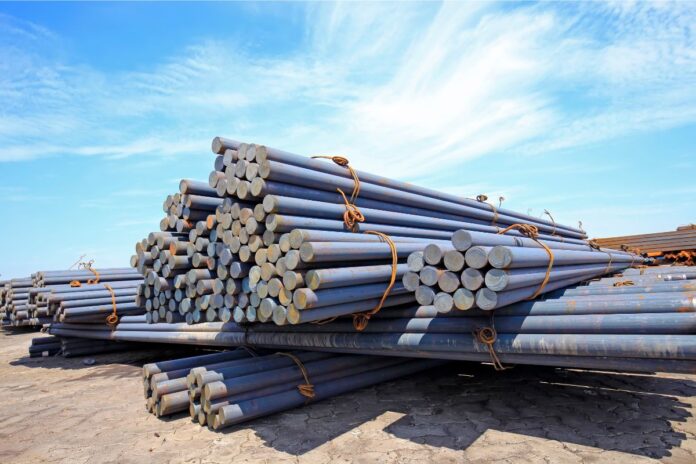
Iran Targets Steel Efficiency Through Value Chain Development

0
Iran Targets Steel Efficiency Through Value Chain Development

Iran Targets Steel Efficiency Through Value Chain Development

Iran’s steel industry is gearing up to improve its efficiency and ramp up value-added production by developing a more balanced and integrated downstream value chain. This move comes as part of the Ministry of Industry, Mining, and Trade’s broader strategy to elevate the sector’s output and productivity, according to Vajihollah Jafari, the Deputy Minister for Mines and Mining Industries.

Jafari, in his statement on Saturday, underscored that the government’s policies are heavily focused on boosting productivity within the steel sector. A key element of this approach is the development of the downstream industries, which will play a crucial role in increasing the value-added components of steel production. These efforts are aligned with the goals outlined in Iran’s Seventh National Development Plan, which prioritises industrial growth through enhanced efficiency and technological advancement. The focus on improving the steel industry’s value chain is not just about boosting production but also about addressing critical issues such as mining waste. Jafari pointed out that dealing with mining waste is a core part of the ministry’s strategic roadmap, highlighting its significance in both environmental sustainability and operational efficiency.

“The steel sector, being one of Iran’s key production industries, must address these challenges to ensure sustainable growth and productivity,” Jafari emphasized. His remarks reflect a broader push within the country to modernize the steel industry, enhance its competitive edge, and contribute significantly to the national economy. The development of a well-balanced value chain in the steel sector, according to Jafari, will not only increase efficiency but will also create more opportunities for value-added production, thus helping to meet domestic demand and boosting exports. This strategic focus aims to position Iran’s steel industry as a leading player in the global market.

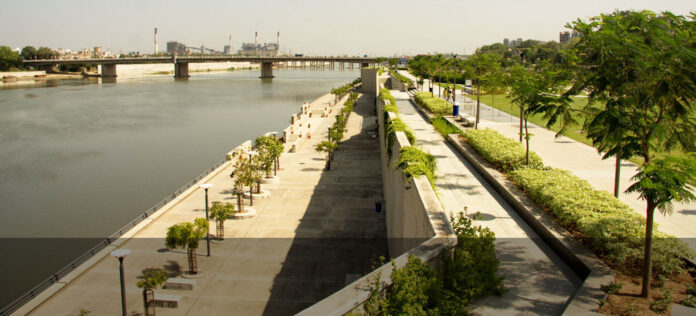
Sabarmati Riverfront to Host New Mixed-Use Development Combining Residential and Commercial Spaces

    0
    Sabarmati Riverfront to Host New Mixed-Use Development Combining Residential and Commercial Spaces
    Sabarmati Riverfront to Host New Mixed-Use Development Combining Residential and Commercial Spaces

    Sabarmati Riverfront to Host New Mixed-Use Development Combining Residential and Commercial Spaces

    The Sabarmati Riverfront in Ahmedabad is set to undergo a major transformation with the approval of a mixed-use development project. This ambitious initiative, led by the Sabarmati Riverfront Development Corporation Limited (SRFDCL), aims to create a vibrant space that blends residential apartments with commercial areas, making it a first for the region. The development is poised to bring a dynamic mix of living and business opportunities to one of the city’s most sought-after locations.

    Strategically positioned on a 5,710 square-metre plot between the Railway Overbridge and Subhash Bridge on the western bank of the Sabarmati River, the project benefits from excellent connectivity. It is in close proximity to vital transport links, including the Bus Rapid Transit (BRT) system, metro stations, and the planned bullet train network. This accessibility ensures that both residents and businesses will find the location highly convenient. The plot is also near the upcoming Olympic complex, further enhancing its value and positioning it as an ideal site for mixed-use development that integrates residential, commercial, and recreational spaces.

    The project’s design is well-balanced, with the lower floors dedicated to commercial spaces and the upper floors reserved for residential apartments. The ground floor and first four levels will house retail outlets, offices, and other business ventures, providing significant opportunities for entrepreneurs and enterprises. The upper floors will cater to the demand for high-quality living spaces, offering a unique combination of urban living and business opportunities in the heart of Ahmedabad. In terms of scale, the development will cover a total built-up area of 59,384 square metres, in line with SRFDCL’s General Development Control Regulations. The building will be capped at a height of 52.17 metres, ensuring it complements the existing skyline of the Sabarmati Riverfront while introducing a modern, attractive structure to the area. This development promises to be a defining addition to the city’s landscape.

    The financial details of the project are also clear. The base price for the development rights has been set at Rs 21,691 per square metre of built-up area, with the total base price amounting to Rs 128.80 crore. Interested developers are required to submit a deposit of 10% of the total amount, which equates to Rs 12.88 crore. The deadline for bid submissions is January 31, 2025, with the qualification bid and technical proposals to be opened on February 3, 2025. The development is expected to be completed within four years from the date of the letter of allotment (LOA), giving developers a clear timeline for project delivery. Beyond its architectural and financial aspects, the project offers significant potential for local growth and economic development. The integration of residential and commercial spaces will create a vibrant community where people can live, work, and socialize in the same precinct. For residents, the proximity of shops, offices, and essential services will provide unmatched convenience. For businesses, the project promises to attract a large customer base, benefiting from the area’s accessibility and the influx of residents and visitors.

    The project will also contribute to the ongoing efforts to rejuvenate the Sabarmati Riverfront, a major urban renewal initiative that has been central to Ahmedabad’s transformation over recent years. The success of this mixed-use development could serve as a catalyst for similar projects along the riverfront, further enhancing the city’s urban landscape and reinforcing its vision of becoming a modern metropolis that seamlessly integrates residential comfort with commercial dynamism. This mixed-use development project represents an exciting new phase in the evolution of Ahmedabad’s Sabarmati Riverfront. With its strategic location, modern design, and combination of residential and commercial spaces, the development is set to become a key hub for living and business in the city. As Ahmedabad continues to grow and modernize, such initiatives will play an essential role in shaping its future, providing a high-quality environment that supports both residents and businesses alike.

    GHMC to Implement Severe Penalties for Illegal Constructions in Hyderabad

      0
      GHMC to Implement Severe Penalties for Illegal Constructions in Hyderabad
      GHMC to Implement Severe Penalties for Illegal Constructions in Hyderabad

      GHMC to Implement Severe Penalties for Illegal Constructions in Hyderabad

      The Greater Hyderabad Municipal Corporation (GHMC) is stepping up efforts to tackle the growing problem of illegal constructions across the city. With illegal construction cases overwhelming the Telangana High Court and affecting the city’s landscape, GHMC is introducing stringent measures to combat this issue. One of the key strategies involves the development of an online portal to monitor violations, along with the imposition of heavy penalties on property owners involved in unauthorised building activities.

      In recent years, illegal constructions have become a serious issue in Hyderabad, with over 2.5 lakh writ petitions filed in the Telangana High Court in the past five years alone. To address this, GHMC has decided to implement a series of proactive measures to prevent the proliferation of such activities. A major part of the solution will be the introduction of an online portal designed to track and monitor all complaints related to illegal constructions. This portal will follow cases from the initial notice stage through to the enforcement actions taken, including the issuing of speaking orders, property sealing, and the demolition of illegal structures. In addition to the online portal, GHMC has also announced that severe penalties will be levied against property owners found violating building regulations. These penalties could reach up to 400% of the original fee, a significant increase aimed at deterring illegal constructions. Furthermore, the GHMC plans to work with the stamps and registration department to include a notation of ‘unauthorised construction’ in the encumbrance certificate (EC), which is an official document certifying the legal status of a property. This measure is expected to act as a deterrent, making it clear to potential buyers that the property is involved in illegal activities.

      GHMC officials, including Commissioner K Ilambarithi, highlighted that a large proportion of complaints received during the Prajavani programme, which is held every Monday to address public grievances, are related to illegal construction. As of this year, the civic body has demolished over 1,000 unauthorised structures, but many continue to escape the notice of authorities. Enforcement actions are often only taken after receiving complaints, which delays the process of curbing such violations. The guidelines and standard operating procedures (SOPs) being formulated by GHMC will help streamline actions against illegal constructions, and property owners who ignore the notices issued by the authorities will face criminal charges under Section 223 of the BNS Act. In addition to the hefty penalties, the inclusion of unauthorised construction details in the EC is expected to make potential property buyers more cautious and aware of any illegal activities related to the property they are considering.

      One of the most common tactics used by property owners to circumvent regulations involves initially securing permits for G+1 or G+2 structures and then illegally constructing additional floors. There are also cases where residential properties are converted into commercial establishments, allowing owners to benefit from lower residential tax rates while violating zoning regulations. With the introduction of these new measures, GHMC hopes to create a more stringent framework to control illegal construction, protect the city’s urban planning, and ensure that property buyers are well-informed about the legal status of the properties they invest in. These steps aim to make Hyderabad’s real estate market more transparent and safer for residents and investors alike.

      Meeting 2025 Real Estate Demands with Innovation

        0
        Meeting 2025 Real Estate Demands with Innovation
        Meeting 2025 Real Estate Demands with Innovation

        Meeting 2025 Real Estate Demands with Innovation

        As India’s real estate sector enters 2025, the focus is on adapting to the changing dynamics of consumer expectations, government policies, and technological advancements. The demand for quality housing continues to rise, driven by rapid urbanisation, a growing middle class, and evolving consumer preferences. Industry experts predict that 2025 will witness an acceleration in the transformation of the real estate market, with a greater emphasis on affordability, sustainability, and innovation.

        Affordable housing remains at the core of India’s real estate strategy. Despite the steady progress made in 2024, the challenge of balancing affordability with quality is expected to intensify. According to Prashant Sharma, President of Maharashtra National Real Estate Development Council (NAREDCO), schemes like the Pradhan Mantri Awas Yojana (PMAY) have played a significant role in making homeownership more accessible to middle and lower-income groups. However, developers will need to embrace cost-effective construction techniques and collaborate more effectively with policymakers to bridge the growing demand-supply gap. “Innovative solutions will be key to meeting the challenges of affordability and quality in 2025,” Sharma said.

        Another trend that is expected to gain momentum in 2025 is the growing emphasis on sustainability. As the demand for green and eco-friendly buildings increases, developers are incorporating energy-efficient designs, sustainable building materials, and advanced construction technologies. In 2024, many developers took significant strides in adopting green construction practices, and this shift is expected to deepen. Sustainability is no longer just a differentiator; it has become an industry imperative. Sharma highlighted that homebuyers and investors are increasingly looking for projects that not only offer long-term economic benefits but also promote environmental stewardship. The move towards sustainable real estate is becoming central to the evolving landscape of the Indian property market.

        Urbanisation and infrastructure development have also played a critical role in reshaping the real estate market in India. As metro expansions, expressways, and smart city projects continue to develop, there has been a surge in demand for residential and commercial spaces in metropolitan and suburban areas. Experts predict that the focus will increasingly shift towards integrated townships and mixed-use developments that cater to a growing urban population. These developments not only address the needs of the present but also create a more sustainable and interconnected future for urban India.

        Looking at the bigger picture, India’s real estate sector is rapidly gaining traction as an attractive destination for foreign investment. Regulatory reforms, coupled with a burgeoning middle class, have increased investor confidence. The private equity (PE) investments in the Indian real estate sector reached a remarkable $4.2 billion in 2024, marking a 32% year-on-year (YoY) growth. As institutional investors and sovereign wealth funds show increased interest in commercial and warehousing spaces, maintaining transparency and improving the ease of doing business will be crucial to sustaining this momentum in 2025.

        In conclusion, India’s real estate market is poised for transformative changes in 2025. With an increased focus on affordable housing, sustainability, and innovative construction practices, developers will need to stay ahead of the curve to meet the demands of a rapidly evolving market. As the country continues to urbanise and attract foreign investment, the industry must also address its sustainability challenges to ensure that the growth of the real estate sector benefits both the environment and the people it serves.

        Realty Income Redefining REITs with AI and Green Tech

          0
          Realty Income Redefining REITs with AI and Green Tech
          Realty Income Redefining REITs with AI and Green Tech

          Realty Income Redefining REITs with AI and Green Tech

          Realty Income Corporation, a leading player in the real estate investment trust (REIT) sector, is setting new benchmarks by integrating advanced technologies like artificial intelligence (AI) and data analytics into its operations. Listed on the New York Stock Exchange (NYSE), the company is known for its reliable monthly dividends and a diversified portfolio of commercial properties. However, in 2024, it has taken a bold step forward by adopting AI-driven solutions that are reshaping its asset management and acquisition strategies. This technological leap is not only enhancing operational efficiency but also positioning the company as a leader in the digital transformation of real estate investment.

          For decades, Realty Income has built its reputation through long-term lease agreements with creditworthy tenants, ensuring steady income streams. However, as the real estate landscape evolves, the company is facing new challenges and opportunities, especially in an era of data-driven decision-making. By incorporating AI technologies, Realty Income is able to enhance its ability to forecast financial trends, optimise property management, and identify emerging market shifts. One of the key advancements is the use of AI-powered predictive analytics, which enables the company to forecast fluctuations in property values, tenant behaviours, and market dynamics. This predictive capacity allows the company to stay ahead of potential disruptions and make proactive, informed investment choices, ensuring the stability of its portfolio.

          Beyond the financial and operational benefits, Realty Income is also championing sustainability, another cornerstone of its forward-thinking approach. In line with global trends towards environmental responsibility, the company is investing in smart building technologies and energy-efficient solutions across its properties. These technologies, which include intelligent heating, cooling, and lighting systems, not only contribute to sustainability but also reduce operating costs. By adopting these green building standards, Realty Income is not just future-proofing its portfolio but is also responding to growing investor demand for environmentally-conscious real estate investments. In a market that increasingly values sustainability, these efforts align with broader societal goals of reducing carbon footprints and creating more eco-friendly urban environments.

          While the integration of AI and sustainability technologies is undoubtedly a leap forward, there are challenges associated with these innovations. The initial costs of implementing advanced technology infrastructure can be substantial, and the complexity of integrating these systems requires both expertise and time. However, the potential benefits—ranging from improved operational efficiency to better market adaptability and sustainability—far outweigh the initial hurdles. As the company continues to refine its use of AI, it sets a powerful example for other REITs to follow, signalling a future where technological and sustainable investments become integral to real estate management.

          In conclusion, Realty Income Corporation’s strategic adoption of AI and sustainability practices is setting a new precedent in the REIT sector. The company is not only embracing technological advancements that improve operational efficiencies and forecasting accuracy but also advancing sustainability, aligning with global environmental standards. With its forward-thinking approach, Realty Income is reshaping how real estate investment trusts operate and paving the way for a smarter, more sustainable future in real estate.

          How Fractional Real Estate is Empowering Small Investors

            0
            How Fractional Real Estate is Empowering Small Investors
            How Fractional Real Estate is Empowering Small Investors

            How Fractional Real Estate is Empowering Small Investors

            In recent years, fractional real estate investment has emerged as a revolutionary concept, offering small investors an opportunity to tap into the otherwise exclusive and capital-heavy real estate market. Traditionally, investing in real estate required substantial capital and ownership stakes that were beyond the reach of the average investor. However, fractional investment allows individuals to own a share of high-value properties without the need for a large financial commitment. This growing trend is being embraced by both seasoned and novice investors, democratizing the real estate investment landscape.

            Fractional investment in real estate refers to a system where multiple investors pool their resources to collectively own a portion of a high-value property. Investors are then able to earn returns proportionate to their share in the property, much like holding stock in a company. This method has gained popularity due to its lower entry barriers compared to traditional real estate investments, making it accessible for people who may not have the financial capacity to buy an entire property. Platforms that facilitate fractional ownership have seen an influx of investors keen on diversifying their portfolios and securing passive income streams.

            Key cities, including Mumbai, Delhi, and Bengaluru, have seen the rise of these fractional ownership opportunities, particularly in commercial real estate. The shift is largely driven by the booming demand for office spaces, retail centres, and logistics hubs. Investors can now buy into premium office buildings or rental properties, gaining a slice of the rental income without the hassles of property management. For small investors, this represents an exciting opportunity to access lucrative sectors that were once out of reach. The fractional model also ensures liquidity, as investors can easily sell or transfer their shares, a feature that is often not available with traditional real estate investments.

            While the financial potential of fractional investment is undeniable, it also brings with it a host of sustainability-related considerations. The rise of shared ownership schemes could lead to more efficient resource use and a reduction in the environmental impact of real estate development. By pooling resources, investors are more likely to fund eco-friendly and sustainable projects that prioritize energy-efficient designs, green building certifications, and sustainable urban infrastructure. As real estate developers increasingly focus on sustainability, fractional ownership can serve as a bridge for small investors to support projects that align with eco-conscious living and contribute positively to urban growth.

            In conclusion, fractional real estate investment is not just about financial returns; it’s about making the real estate sector more inclusive and sustainable. The opportunities it presents to small investors, in terms of capital access and portfolio diversification, are significant. Additionally, as more eco-friendly projects are funded through these collective ventures, the model promises a more sustainable and responsible approach to urban development. For those looking to make a meaningful impact with their investments, fractional ownership offers both financial and ethical advantages, making it an attractive option in 2024 and beyond.


            Paradise Peak Fined INR 11.5 Lakh by Telangana RERA for violation

            0
            Paradise Peak Fined INR 11.5 Lakh by Telangana RERA for violation
            Paradise Peak Fined INR 11.5 Lakh by Telangana RERA for violation

            Paradise Peak Fined INR 11.5 Lakh by Telangana RERA

            In a significant move to uphold the regulatory framework governing the real estate sector, the Telangana Real Estate Regulatory Authority (TG RERA) has slapped an INR 11.5 lakh fine on Paradise Peak Private Limited for failing to register its 12-acre layout project in Zaheerabad. This action comes after a buyer, M Santhosh, filed a formal complaint against the developer, highlighting several discrepancies in the project’s execution, including the lack of mandatory registration required under the Real Estate (Regulation and Development) Act (RERA), 2016.

            The complaint pointed out not only the absence of registration but also alleged ongoing disputes between the landowner and the developer. These legal conflicts led to arbitration proceedings that, according to the complainant, further jeopardised the interests of prospective buyers. In the complaint, Santhosh stressed that these issues made the transaction riskier for those investing in the project, especially with the developer’s failure to comply with regulatory requirements.

            At the hearing on November 20, 2024, TG RERA found that while the complainant was not directly harmed, the developer had indeed violated key provisions of the RERA Act. The regulatory body, chaired by retired IAS officer N Satyanarayana and assisted by members K Srinivasa Rao and Laxmi Narayana Jannu, concluded that Paradise Peak’s actions breached the law governing real estate projects. Notably, the developer exceeded the legal limit for mandatory registration, as set out in Section 4 of the Real Estate (Regulation and Development) Act. In light of these findings, TG RERA directed the company to pay the imposed fine within 30 days. Furthermore, the developer was instructed to submit a formal registration application within 15 days. Until the project is fully registered, TG RERA imposed a strict prohibition on advertising, marketing, or selling any plots related to the project.

            The fine highlights the importance of compliance in the real estate sector, especially in an era where consumer protection and transparency have become paramount. The regulator emphasised that such non-compliance could pose significant risks to the real estate ecosystem, and buyers’ trust must be safeguarded at all costs. TG RERA’s decision is not only a reminder of the power of regulations but also sends a strong message to other developers about the need for accountability in project execution.

            Paradise Peak Private Limited, established in 2017 and based in Zaheerabad, is directed by Mohd Sikander Rayees and Mohd Mehboob. The company’s failure to adhere to regulatory norms has now resulted in substantial legal and financial implications. For the real estate sector, the fine imposed on Paradise Peak reinforces the critical role of RERA in regulating and maintaining transparency in the fast-evolving market. Established to protect consumers and promote trust, TG RERA’s actions resonate with its core mission to ensure compliance and promote long-term stability in Telangana’s real estate sector.

            The episode also underscores the importance of ensuring that real estate developments follow the legal framework laid out by RERA, which was designed to enhance the overall health of the industry. While disputes between developers and landowners may occasionally arise, as witnessed in this case, it is essential that such issues be resolved promptly and transparently to protect consumer interests and maintain the credibility of the industry.


            2024’s Top Real Estate Trends in India

              0
              2024's Top Real Estate Trends in India
              2024's Top Real Estate Trends in India

              2024’s Top Real Estate Trends in India

              India’s luxury real estate market experienced a monumental shift in 2024, as the demand for high-end properties surged across major cities. This growth was fueled by a shift in the preferences of affluent buyers, who now seek more than just opulence. They are looking for larger, more exclusive homes that offer an enhanced lifestyle and better quality of living. In cities like Delhi-NCR, Mumbai, and Bengaluru, the demand for premium properties reached new heights, setting the stage for the future of real estate in India.

              Between January and September 2024, India’s luxury housing market witnessed a remarkable 37.8% year-on-year increase in sales of properties priced at ₹4 crore and above. According to data from CBRE, this surge was particularly noticeable in the country’s top seven cities, with Delhi-NCR, Mumbai, and Hyderabad accounting for nearly 90% of all luxury home sales. During this period, over 12,600 luxury units were sold—an impressive jump from 9,160 units sold in the same period last year. In particular, Delhi-NCR stood out, seeing a dramatic increase in sales, from just 480 units in Q3 2023 to 2,590 units in Q3 2024. This surge reflects growing demand and confidence in the luxury housing segment as India’s economy continues to thrive.

              The appeal of luxury real estate in India is driven by a variety of factors, including a rising affluence among the country’s high-net-worth individuals (HNWIs) and an increasing desire for privacy, space, and exclusivity. The demand for premium properties is no longer limited to a select few but is now attracting a broader range of investors looking for more than just an investment opportunity. Cities like Delhi-NCR, Mumbai, and Bengaluru have become hotspots for high-end residential developments, with micro-markets such as Gurugram, Noida, and South Mumbai showing strong growth. These areas, with their proximity to commercial hubs, have become desirable locations for both living and investing, further elevating their real estate appeal.

              While the boom in luxury real estate presents promising growth, it also raises important questions about sustainability and the broader impact on urban development. The rush for luxury properties in major cities has increased the pressure on local infrastructure, with demand for essential services such as water, electricity, and waste management rising sharply. To accommodate this growth, urban planners must focus on sustainable development practices that balance luxury living with environmental considerations. This includes adopting green building technologies, reducing carbon footprints, and ensuring that new developments contribute to the overall betterment of the urban ecosystem. If handled responsibly, this boom in luxury real estate could serve as a model for future urban growth, where exclusivity does not come at the cost of sustainability.

              As we look ahead to 2025, the outlook for India’s luxury real estate market remains optimistic. With sales continuing to climb, driven by factors such as India’s growing economy and increasing disposable incomes, luxury homes are expected to become even more coveted. However, it will be crucial for developers, investors, and city planners to adopt a more sustainable approach to urban growth. As the market matures, the focus will likely shift towards integrating smart technologies, sustainable infrastructure, and eco-friendly developments. This balanced approach will ensure that India’s luxury real estate boom continues to thrive without compromising the long-term well-being of its cities and their inhabitants.

              Alibag Sees Real Estate Boom with Celebrity Investments

              0
              Alibag Sees Real Estate Boom with Celebrity Investments
              Alibag Sees Real Estate Boom with Celebrity Investments

              Alibag Sees Real Estate Boom with Celebrity Investments

              Alibag, the picturesque coastal town located an hour’s drive from Mumbai, has become a magnet for Bollywood celebrities and high-net-worth individuals (HNWIs). In 2024, this coastal destination has continued to attract significant real estate investments, further solidifying its status as a second-home haven. The town, accessible by both road and ferry from South Mumbai, has been increasingly favoured by those seeking a peaceful escape from the hustle and bustle of city life. What was once considered a serene retreat for the affluent has now begun to evolve into a potential first-home destination, attracting both domestic and international investors alike.

              Among the notable investors in Alibag’s real estate market in 2024 are iconic Bollywood stars, including Amitabh Bachchan, Kriti Sanon, and Suhana Khan. In April 2024, Bachchan made headlines when he purchased a 10,000 sq ft land parcel for ₹10 crore in Alibag’s prestigious The House of Abhinandan Lodha (HoABL) project. This purchase was part of a larger 20-acre plotted development launched earlier in 2023. Similarly, in January 2024, Bachchan made headlines again with his acquisition of land in Ayodhya, adding to his growing portfolio of investments. In a similar vein, Kriti Sanon invested ₹8 crore in a 2,000 sq ft plot in the Sol de Alibaug project, citing her desire for privacy and peace. Suhana Khan, following in her father Shah Rukh Khan’s footsteps, also joined the Alibag real estate wave with her acquisition of a 78,361 sq ft farmland in the scenic Thal village for ₹9.5 crore. These investments by Bollywood’s A-listers underline the growing allure of Alibag as a luxury real estate destination.

              Real estate experts predict that Alibag, which has predominantly served as a second-home market, has the potential to evolve into a first-home destination in the years ahead. While the coastal town remains highly attractive to those seeking holiday homes, factors such as improved connectivity, the rise in remote working, and a growing demand for more spacious living environments have led to an increase in first-time buyers. The land prices in Alibag vary significantly depending on the location, with prime spots near the Mandwa jetty commanding a premium. Plots in well-connected areas can cost between ₹2.5 crore to ₹4 crore per acre, while those closer to the jetty can range from ₹8 crore to ₹10 crore per acre. Furthermore, Emaar India’s recent announcement to develop 84 luxury villas in Alibag, with prices ranging from ₹9 crore to ₹15 crore, adds fuel to this growing trend. This new development, estimated to generate ₹700 crore in revenue, marks a new phase in the town’s real estate evolution, poised to cater to the rising demand for high-end properties.

              While the surge in real estate investments in Alibag signals growth and economic potential, sustainability and urban development remain crucial concerns. As this once-sleepy coastal town transforms into a high-demand real estate market, questions around environmental sustainability, infrastructure, and resource management become increasingly relevant. Developers must embrace green building practices and integrate eco-friendly technologies to ensure that the growing demand for luxury properties does not come at the cost of environmental degradation. Additionally, local authorities will need to invest in improving infrastructure, including transportation networks and waste management systems, to accommodate the influx of residents and tourists. Sustainable development is key to ensuring that Alibag’s real estate boom is not just a temporary phenomenon but a model for future urban growth in coastal regions.

              In conclusion, 2024 has been a transformative year for Alibag’s real estate market, with Bollywood celebrities and investors flocking to the coastal town in unprecedented numbers. As land prices rise and luxury projects take shape, the future of Alibag’s real estate market looks increasingly promising. However, to ensure that this growth is sustainable, developers, investors, and local governments must work together to balance development with responsible environmental and civic management, ensuring that Alibag retains its charm while growing into a modern and sustainable urban hub.