Home Blog Page 416

Residential and Warehousing Drive India’s Real Estate Investment Boom of USD 4.2 Billion

Residential and Warehousing Drive India’s Real Estate Investment Boom of USD 4.2 Billion

Residential and Warehousing Drive India’s Real Estate Investment Boom

In 2024, private equity (PE) investments in Indian real estate experienced a remarkable surge, reaching USD 4.2 billion—a 32% increase from the previous year. This sharp rise signals a significant shift in the preferences of global and domestic investors, who are increasingly drawn to India’s growing real estate market. Notably, the warehousing and residential sectors have been the key beneficiaries of this upswing. According to Knight Frank India’s recent report, the warehousing sector emerged as the dominant force, accounting for a substantial 45% of the total PE investments. Meanwhile, the residential and office sectors followed closely, contributing 28% and 26%, respectively.

The residential sector has seen the most notable shift, with investments doubling in 2024, reflecting a surge of 104%. The influx of USD 1.2 billion into this sector is attributed to rising end-user demand and a recovering housing market. The sector’s growth is also driven by an evolving investor focus, shifting towards under-construction properties. This trend highlights a diversification of investor strategies, with a shift from completed projects to the potential of ongoing developments. As India’s urban population continues to grow, the demand for quality housing is expected to remain strong, making residential properties an attractive investment class for private equity firms.

The warehousing sector, however, remains the star performer in India’s real estate landscape. With an astounding 136% increase in investments, from USD 684 million in 2023 to USD 1.9 billion in 2024, warehousing investments have been propelled by the booming e-commerce industry. This growth underscores the increasing need for efficient logistics and supply chain infrastructure, particularly in cities like Mumbai and Chennai, where demand for modern warehousing solutions is at an all-time high. The government’s focus on enhancing infrastructure and simplifying regulatory frameworks has also played a pivotal role in attracting both domestic and international investors to the warehousing space.

Mumbai has cemented its position as the prime destination for private equity investments, securing 50% of the total inflows into the Indian real estate market. Of the USD 2 billion invested in the city in 2024, the warehousing sector alone accounted for USD 1.5 billion. Bengaluru, with its strong economic fundamentals and status as a key business hub, followed as the second-largest recipient of PE investments, attracting USD 833 million. Despite the challenges faced by the office sector, which saw a 38% decline in investment compared to 2023, cities like Bengaluru and Hyderabad remain attractive due to their growing economies and expanding business environments.

In terms of foreign investment, the UAE emerged as the largest contributor, injecting USD 1.7 billion into Indian real estate—making up 42% of the total investment pool. Indian investors themselves followed closely, contributing USD 1.3 billion, while Singapore-based institutions contributed approximately USD 634 million. This diverse international interest speaks to the global confidence in India’s real estate market, with investors seeing long-term growth potential in the country’s rapidly expanding urban landscape.

While these developments signal a positive outlook for India’s real estate sector, sustainability remains a critical consideration for future growth. The explosive growth in warehousing and residential developments must be met with sustainable construction practices to mitigate environmental impact. Developers are increasingly adopting green building certifications, energy-efficient technologies, and waste management solutions as part of their projects. Additionally, urban planning must integrate smart infrastructure, including public transport and green spaces, to ensure sustainable growth in major cities. As the demand for real estate grows, it is imperative that future developments are designed with both economic and environmental sustainability in mind, creating spaces that not only cater to today’s demands but also preserve resources for future generations.

Real Estate in Hyderabad Outperforms Gold and Stocks

0
Real Estate in Hyderabad Outperforms Gold and Stocks

Real Estate in Hyderabad Outperforms Gold and Stocks

Hyderabad’s investment landscape in 2024 has shown a distinct preference for real estate, outperforming gold and stocks in terms of returns. As investors continue to grapple with investment choices, the city’s real estate market has emerged as the front-runner for high returns. The residential property sector in Hyderabad has seen a remarkable surge, offering investors over 26% returns in 2024. According to ANAROCK, prices have surged from ₹5,750 per square foot in the fourth quarter of 2023 to ₹7,300 in Q4 2024. This growth trajectory places Hyderabad at the forefront of India’s property market and confirms the city’s appeal to both domestic and international investors.

Hyderabad’s real estate boom is a result of consistent demand, with the city maintaining a Compound Annual Growth Rate (CAGR) of 10% in residential launches over the last decade. This stability and steady growth are further bolstered by improved infrastructure, a growing IT sector, and favourable government policies. Despite some concerns around the Hyderabad Disaster Response and Asset Protection Agency (HYDRAA), which has been under scrutiny, the real estate market remains strong. Investors seem undeterred, showing confidence in the sector’s long-term potential.

Gold, traditionally a safe investment, also performed well in 2024, albeit at a slightly slower pace compared to real estate. Gold prices increased by 21%, marking a solid return for investors. At the start of the year, 22-carat and 24-carat gold were priced at ₹58,550 and ₹63,870 per 10 grams, respectively. By the year-end, those values surged to ₹71,350 and ₹77,840, reflecting a solid appreciation in the value of the precious metal. However, even with a reduction in customs duties on gold announced by Union Finance Minister Nirmala Sitharaman, the trend of rising prices continued, showing gold’s consistent appeal in times of uncertainty.

The stock market, represented by indices like Nifty 50 and Sensex, lagged behind in 2024, delivering more modest returns. The Nifty 50 index grew by only 9.5%, while the Sensex posted a return of 8.89%. On January 1, 2024, the Nifty 50 stood at ₹21,741.9 and the Sensex at ₹72,271.94. By the end of the year, these indices had risen to ₹23,813.4 and ₹78,699.07, respectively. Although the returns were positive, they were less impressive compared to the stellar growth observed in Hyderabad’s real estate and gold markets. This highlights the relatively subdued performance of stocks in comparison to tangible assets like property and precious metals in 2024.

From a sustainability perspective, Hyderabad’s real estate growth raises concerns about urbanisation’s environmental footprint. As the city expands and more developments come up, the demand for natural resources increases, contributing to concerns about resource depletion and waste generation. Sustainable construction practices are more crucial than ever, and developers must prioritise green building standards, efficient energy use, and responsible land development to ensure that the city’s rapid growth does not come at the expense of environmental health. Similarly, while gold remains a popular asset, it’s important to consider the environmental impact of mining and ensure that ethical sourcing practices are followed. In the stock market, investors are increasingly looking at ESG (Environmental, Social, and Governance) criteria as a factor influencing their investment choices.

As 2024 draws to a close, it’s clear that Hyderabad’s real estate market remains the most attractive investment avenue for those seeking high returns. Gold also continues to be a reliable choice for investors, while the stock market’s performance underscores the importance of diversification. Going forward, investors must consider the sustainability angle, ensuring that their investments contribute positively to both the economy and the environment. With the right mix of awareness and strategy, 2025 could see even greater growth in these sectors.

High-Net-Worth Buyers Fuel Luxury Property Growth

    0
    High-Net-Worth Buyers Fuel Luxury Property Growth
    High-Net-Worth Buyers Fuel Luxury Property Growth

    High-Net-Worth Buyers Fuel Luxury Property Growth

    India’s luxury property market has seen remarkable growth in 2024, outpacing the total residential sales value across top cities from the previous year. With demand for high-end homes surging, sales in the luxury segment reached ₹4,316 crore in the first 11 months of 2024. This figure exceeds the total sales of residential properties in 2023, which stood at ₹4,036 crore, as per Anarock Research. The unprecedented growth in luxury home sales not only highlights a shift towards premium real estate but also signals the continued upward trajectory of this segment in the coming year.

    The strong performance of the luxury housing market can be attributed to the growing number of high-net-worth individuals (HNWIs) and ultra-high-net-worth individuals (UHNWIs) in India. As these wealth segments increase, there has been a corresponding demand for exclusive, lavish living spaces. According to Prashant Thakur, Regional Director and Head of Research at Anarock, several factors are driving this surge in demand, including the rise in personal wealth and the increasing preference for premium lifestyles. For many, owning a luxury home is not just a status symbol but an investment in long-term comfort and exclusivity.

    Luxury real estate developers have been quick to capitalise on this trend, stacking their portfolios with high-end residential projects to cater to this growing market. From opulent apartments to sprawling villas, developers are rolling out a wide range of products designed to meet the expectations of affluent buyers. The real estate sector has, in turn, seen the creation of gated communities that offer high-end amenities such as private pools, gyms, and landscaped gardens. These features are becoming increasingly important to homebuyers who seek both comfort and prestige. With large-scale developments in cities like Mumbai, Delhi, Bengaluru, and Gurgaon, luxury housing is expanding its reach to more regions, ensuring that this segment remains a key player in India’s real estate landscape.

    However, this rapid expansion of luxury housing also raises important sustainability concerns. While the growth of the luxury property sector provides a boost to the economy, it also puts a strain on urban infrastructure and resources. The construction of high-end homes typically requires significant environmental resources, contributing to the depletion of natural reserves. Moreover, the carbon footprint associated with such developments, including energy consumption and waste generation, is a growing challenge. As the demand for luxury homes increases, it is imperative that developers integrate sustainable practices into their projects to mitigate these impacts. Measures such as green building certifications, energy-efficient designs, and responsible sourcing of materials can help in reducing the environmental cost of this booming sector.

    In conclusion, while India’s luxury real estate market continues to thrive, the sector’s long-term sustainability must be carefully considered. The boom in sales reflects the growing economic prosperity of the country’s elite, but it also highlights the challenges of balancing growth with environmental responsibility. Developers will need to find ways to cater to the demand for luxury homes while ensuring that their projects contribute positively to the urban ecosystem. As India’s luxury housing market continues to expand, it remains crucial for stakeholders to adopt strategies that promote both economic and environmental sustainability in the years ahead.

    India’s Real Estate Shifts Focus to Premium Housing

      0
      India’s Real Estate Shifts Focus to Premium Housing
      India’s Real Estate Shifts Focus to Premium Housing

      India’s Real Estate Shifts Focus to Premium Housing

      India’s real estate sector is preparing for a major shift in 2025, with luxury and premium housing projects dominating the landscape. As affordable housing continues to lose its momentum, developers are aggressively steering their efforts toward high-end projects, eyeing a lucrative market of discerning buyers. Key players in the sector, including Delhi NCR-based M3M India and Bengaluru’s Sobha Ltd, are already planning expansive developments in the luxury and ultra-luxury segments, marking a notable trend in India’s housing market.

      M3M India, a prominent name in the real estate space, is set to unveil two luxury developments in the coming year. These projects will add to the company’s growing portfolio of high-end residential offerings, capitalising on the increasing demand for luxury homes in the metropolitan hubs. Similarly, the Gaurs Group, known for its vast range of residential and commercial developments, has outlined a series of ultra-luxury projects, including townships, with plans for a major expansion in FY26. The focus on premium and luxury homes is expected to intensify, as these segments continue to attract high-net-worth individuals (HNWIs) and investors.

      Bengaluru-based Sobha Ltd, a leader in the real estate sector, is also joining the race to expand its offerings. The company plans to launch approximately 10 million sq. ft of projects in FY26, including a foray into the uber-luxury segment. The company’s decision to venture into this high-ticket space reflects the broader trend of Indian real estate developers pivoting to cater to a more affluent demographic. As India’s urban centres grow in size and wealth, developers are recalibrating their strategies to meet the demands of premium buyers seeking lavish amenities and exclusivity.

      Despite this surge in luxury developments, affordable housing—once the darling of the real estate industry—seems to be taking a backseat. For years, affordable housing has been a significant focus for both the government and private developers, given the growing need to cater to India’s vast underprivileged and middle-income groups. However, with the growing purchasing power of urban professionals and a heightened demand for premium living spaces, affordable housing is becoming less attractive to developers looking for quick returns. The shift in focus is seen as a natural evolution of India’s real estate sector, as the market caters to the changing preferences of an increasingly aspirational society.

      From a sustainability perspective, this shift towards high-end housing raises several concerns. Luxury developments, while contributing to the economy, have a significant environmental footprint. These projects often involve large-scale construction, heavy resource consumption, and increased energy demands, which could potentially strain India’s urban infrastructure. Moreover, as developers pour resources into projects that target the upper echelons of society, there is a growing disparity in the availability of housing for the urban poor. In an era when sustainable and inclusive development is more critical than ever, this trend underscores the challenge of balancing growth with social equity and environmental responsibility.

      In conclusion, while India’s real estate sector is poised for significant growth in 2025, with a sharp focus on luxury and premium housing, the implications for affordability and sustainability cannot be ignored. Developers are increasingly aligning with the demand for upscale living spaces, but there remains a pressing need for inclusive policies that address the country’s diverse housing needs. Whether this trajectory will remain sustainable in the long run, both socially and environmentally, is something that will continue to evolve as the sector adjusts to market demands.

      Revolutionary Green Cement Sculpture Sparks Hope for Sustainability

      Revolutionary Green Cement Sculpture Sparks Hope for Sustainability
      Revolutionary Green Cement Sculpture Sparks Hope for Sustainability

      Revolutionary Green Cement Sculpture Sparks Hope for Sustainability

      A striking sculpture unveiled by Canadian artist and architect Umemoto is catching the attention of environmental advocates and sustainability enthusiasts worldwide. Comprised of bricks made from ultra-low carbon cement, the piece is not just a work of art but a powerful symbol of the future of construction and a call for change. The sculpture was created using cement produced by Cemvision, a Swedish manufacturer that has pioneered a unique, eco-friendly approach to cement production.

      Unlike traditional cement, which relies on virgin limestone, Cemvision’s process repurposes industrial waste materials—such as slag from steel production and by-products from mining. The production is also electrified, eliminating fossil fuels from the process. As a result, Cemvision’s green cement reduces CO2 emissions by up to 95%, an impressive feat given that cement production contributes roughly 8% of global CO2 emissions. Max Larsson von Reybekiel, Cemvision’s Chief Marketing Officer, views the sculpture as much more than an art installation. He sees it as a “rallying cry for change” in the construction industry, where the transition to greener materials often faces hesitation from industry players, legislators, and standard committees.

      “The main competitor isn’t other companies; it’s doubt,” says Reybekiel, emphasizing that tangible examples like the sculpture are essential to overcoming skepticism about green cement’s scalability. The sculpture, which stands proudly at Norrsken House in Stockholm—a hub for innovation and social impact—is positioned to inspire thousands of visitors, from impact entrepreneurs to thought leaders, who pass through the space every year. Reybekiel believes it is the perfect location to showcase the potential of green cement and the future of sustainable construction.

      Umemoto, who collaborated with Cemvision on this project, expressed enthusiasm about working with the material. “I was curious to see if it would feel and behave like traditional cement, which it did,” said the artist. “Learning about the scalability of green cement gave me hope. I don’t have to give up on concrete just yet.” This collaboration highlights how art and innovation can come together to challenge traditional practices and foster a broader movement toward sustainability. Green cement, according to Cemvision, can replace traditional cement in many construction applications on a commercial scale, signaling a promising shift toward a more sustainable future in building materials.

      Mangalam Cement Gains 8.08%, Leading Sector by 6.9%

      Mangalam Cement Gains 8.08%, Leading Sector by 6.9%
      Mangalam Cement Gains 8.08%, Leading Sector by 6.9%

      Mangalam Cement Gains 8.08%, Leading Sector by 6.9%

      On December 27, 2024, Mangalam Cement’s stock posted a robust gain of 8.08%, significantly outperforming its sector by 6.9%. This surge marks a continuation of the company’s positive performance, as the stock has risen 8.69% over the past three days and hit an intraday high of Rs 980, showing a solid rise of 6.69% during the session.

      The stock’s upward trajectory is supported by its position above key moving averages. Mangalam Cement is currently trading above its 5-day, 20-day, 50-day, 100-day, and 200-day moving averages, a clear indication of a strong upward trend. This performance highlights investor confidence, and the stock has seen an impressive 16.53% increase over the past month, in contrast to the broader market, with the Sensex registering a decline of 1.75% during the same period.

      While Mangalam Cement continues to show positive momentum, investors should be cautious, as MarketsMOJO has issued a ‘Sell’ call on the stock. This recommendation serves as a reminder for investors to carefully assess their positions in the stock, despite its strong recent performance. Mangalam Cement’s stock performance demonstrates resilience in a challenging market, and its continued outperformance of the sector indicates a positive outlook, but investors may want to weigh expert opinions before making decisions.

      Nippon Steel Postpones US Steel Deal Closure to 2025

      0
      Nippon Steel Postpones US Steel Deal Closure to 2025
      Nippon Steel Postpones US Steel Deal Closure to 2025

      Nippon Steel Postpones US Steel Deal Closure to 2025

      Japanese steel giant Nippon Steel has announced a delay in the closure of its acquisition of U.S. Steel, moving the deadline to the first quarter of 2025. Initially, Nippon Steel had hoped to complete the deal by the third or fourth quarter of 2024. However, the deal has encountered significant hurdles, including scrutiny from U.S. regulators. The U.S. Committee on Foreign Investment (CFIUS), which assesses national security concerns related to foreign investments, has been unable to reach a consensus on the deal. As a result, the decision has been deferred to U.S.

      President Joe Biden, who now has 15 days to make a final ruling. If no decision is made within that period, the merger could proceed without further delay. Nippon Steel remains optimistic, with a spokesperson expressing hope that President Biden will conduct a fair and thorough review of the acquisition. The company also reiterated its confidence that the deal would benefit U.S. Steel, which is a key player in the U.S. steel industry. In addition to the CFIUS review, the U.S. Department of Justice’s Antitrust Division is also assessing the merger, though no timeline has been provided for its conclusion. Nippon Steel agreed to acquire U.S. Steel in December 2023 for $55 per share, a deal valued at approximately $14.9 billion, including debt. However, the acquisition has faced resistance from the influential United Steelworkers (USW) labor union and U.S. politicians, who have raised concerns about the merger’s potential impact on American jobs and the steel industry.

      To address some of these concerns, Nippon Steel has promised to move its U.S. headquarters to Pittsburgh, where U.S. Steel is based, and to honour all agreements between U.S. Steel and the USW. Additionally, Japanese Prime Minister Shigeru Ishiba sent a letter to President Biden in November, urging approval of the deal to strengthen ties between the U.S. and Japan. The acquisition, if approved, would mark a significant step for Nippon Steel as it expands its presence in the U.S. steel market, but the ongoing regulatory review and opposition from key stakeholders are likely to shape the future of this high-profile merger.

      Sweden’s Stegra Revolutionises Steel with Green Hydrogen

      Sweden’s Stegra Revolutionises Steel with Green Hydrogen
      Sweden’s Stegra Revolutionises Steel with Green Hydrogen

      Sweden’s Stegra Revolutionises Steel with Green Hydrogen

      In 2023, the global steel industry produced nearly 2 billion metric tons of steel annually, enough to blanket Manhattan in a 13-foot thick layer. However, this production comes at a high environmental cost, with steelmaking accounting for around 8% of the world’s carbon emissions—more than aviation. Each ton of steel produced generates about two tons of carbon dioxide, a major contributor to global warming.

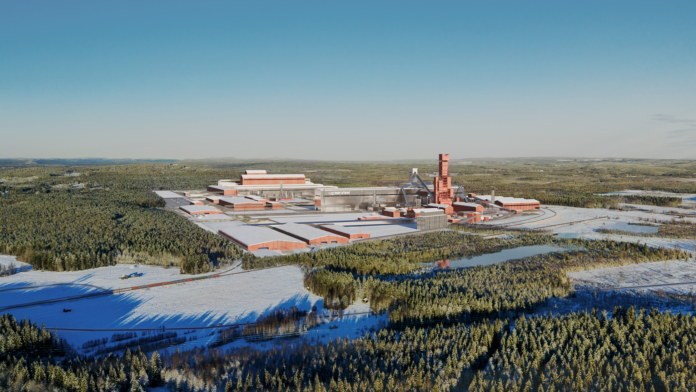
      In response to this environmental challenge, several companies are making strides toward low- or zero-emission steel production. One of the most promising is Stegra, a Swedish startup formerly known as H2 Green Steel. Established in 2020, Stegra has already raised close to $7 billion and is now building the world’s first industrial-scale green steel plant in Boden, a town in northern Sweden. Set to begin production in 2026, the plant aims to produce 2.5 million metric tons of green steel annually, with plans to increase that to 4.5 million metric tons in the future. Stegra’s innovative approach uses “green hydrogen” produced with renewable energy to convert iron ore into steel. Located in an area with abundant hydropower resources, the plant will leverage both hydropower and wind power to drive a large electrolyzer that splits water into hydrogen. This hydrogen will then be used to separate oxygen from iron ore, creating metallic iron, which is the essential building block for steel.

      This hydrogen-based steelmaking process has been successfully demonstrated at smaller pilot plants, notably by Midrex, an American company that supplies the equipment for Stegra’s plant. However, Stegra’s challenge will be scaling this technology to an industrial level, proving it can work efficiently and economically on a large scale. The creation of this green steel plant marks a significant step in the global push for sustainable manufacturing, promising to reduce the carbon footprint of one of the world’s most energy-intensive industries. Stegra’s initiative signals a future where steel production could be cleaner, helping industries worldwide meet carbon reduction goals while continuing to meet the growing demand for steel.

      Synergy Steels Fuels Growth of Real Estate with Stainless Steel

      Synergy Steels Fuels Growth of Real Estate with Stainless Steel
      Synergy Steels Fuels Growth of Real Estate with Stainless Steel

      Synergy Steels Fuels Growth of Real Estate with Stainless Steel

      India’s real estate and infrastructure sectors are experiencing a remarkable surge, with affordable housing at the forefront of this growth. Synergy Steels, a leading stainless-steel manufacturer in the country, is celebrating the dynamic demand for stainless steel driven by urbanisation, increased employment opportunities, and the growing requirement for housing. According to a report by the Confederation of Indian Industry (CII) and Knight Frank, urban centres in India will require approximately 22.2 million housing units, with 95% of this demand concentrated on affordable housing.

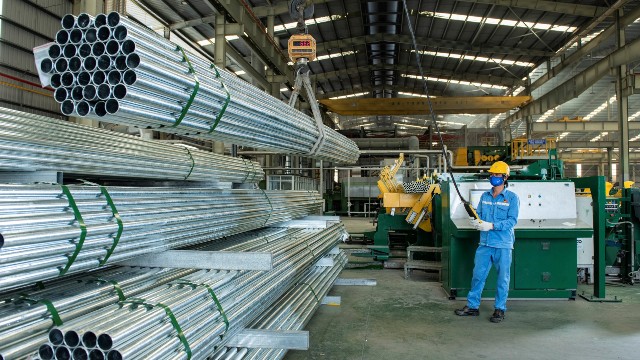
      This presents a unique opportunity for stainless steel, a versatile material, to expand its presence beyond traditional applications into emerging sectors like construction and infrastructure. The demand for housing is so substantial that India needs to construct around 96,000 affordable units daily. This growing need aligns with global trends favouring sustainable and durable materials, placing stainless steel in a favourable position due to its robust and cost-effective nature. As Subhash Chand Kathuria, Chairman of Synergy Steels, explains, the real estate sector is not just a growth engine in itself but also acts as a stimulus for other industries, creating demand for construction machinery, tools, and raw materials like stainless steel. The strength, corrosion resistance, and longevity of stainless steel make it an ideal choice for affordable housing projects and large-scale infrastructure developments.

      Synergy Steels is optimistic about India’s expanding infrastructure initiatives, especially with government-backed projects such as the approval of eight national high-speed corridor projects and the development of twelve new industrial cities under the National Industrial Corridor Development Programme (NICDP). The growth in infrastructure development is expected to create vast real estate opportunities and drive the demand for durable materials, further boosting the application of stainless steel in housing and infrastructure projects.

      The Architecture, Building, and Construction (ABC) sectors, alongside Process Industries, are projected to account for significant portions of the stainless-steel market in India. Given its 100-year service life and low maintenance costs, stainless steel is becoming the material of choice for affordable housing, civil engineering applications, and large-scale infrastructure projects. By 2047, the real estate market is forecasted to contribute 18% to India’s GDP, significantly enhancing stainless steel’s role in long-term value creation.

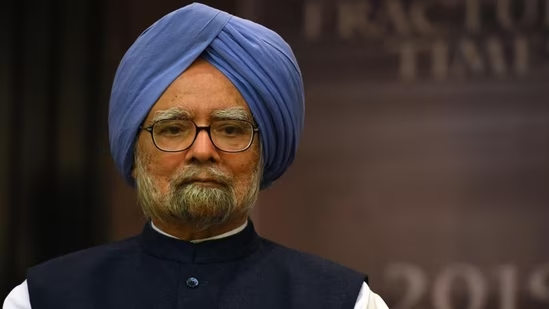
      Dr. Manmohan Singh’s Vision Strengthens Steel Expansion & HSL Revival in Visakhapatnam

      0
      Dr. Manmohan Singh’s Vision Strengthens Steel Expansion & HSL Revival in Visakhapatnam
      Dr. Manmohan Singh’s Vision Strengthens Steel Expansion & HSL Revival in Visakhapatnam

      Dr. Manmohan Singh’s Vision Strengthens Steel Expansion & HSL Revival in Visakhapatnam

      Visakhapatnam, known as the City of Destiny, has borne witness to former Prime Minister Dr. Manmohan Singh’s pivotal contributions that have shaped its industrial landscape. Among his many significant initiatives, the expansion of the Visakhapatnam Steel Plant (VSP) stands out as a major milestone, symbolising a key moment in the city’s industrial growth.

      In 2006, Dr. Singh laid the foundation for a massive expansion of VSP, with an investment of over ₹8,600 crore. Reflecting on the importance of the plant, Dr. Singh remarked that the steel produced at VSP represented the “blood, sweat, and tears of the Telugu people”. His vision was clear: to transform India into one of the world’s largest and most efficient steel producers, leveraging the country’s abundant iron ore reserves. Dr. Singh’s government recognised the turnaround of Rashtriya Ispat Nigam Limited (RINL), the parent company of VSP, as a landmark achievement. The plant, once on the brink of closure and facing disinvestment, had become profitable by 2004-05, with zero debt and a profit of over ₹2,000 crore. Dr. Singh hailed the turnaround as a demonstration that public sector enterprises (PSUs), when committed and well-managed, could thrive in competitive markets.

      Moreover, Dr. Singh’s efforts extended to Hindustan Shipyard Limited (HSL), a key asset in Visakhapatnam’s industrial infrastructure. Acknowledging the challenges faced by HSL, he assured that his government would work towards its revival. His government’s commitment to rejuvenating HSL was aimed at re-establishing Visakhapatnam as a global hub for shipbuilding, with the largest shipyard on India’s east coast. In his broader vision for India’s technological and industrial advancement, Dr. Singh also emphasised the importance of environmentally sustainable growth. During the 95th Indian Science Congress in 2008, he highlighted the need for India to adopt a proactive approach to environmental degradation as the nation modernises. He stressed that future technological and investment choices must carefully consider their environmental impact, ensuring a balance between progress and sustainability. Dr. Singh’s tenure marked a transformative period for Visakhapatnam, positioning it as a key industrial centre. His contributions in steel production, shipbuilding, and environmental sustainability continue to resonate, leaving an enduring legacy that has shaped the city’s economic landscape for years to come.