Home Blog Page 419

Nippon Steel Postpones US Steel Deal Closure to 2025

0
Nippon Steel Postpones US Steel Deal Closure to 2025

Nippon Steel Postpones US Steel Deal Closure to 2025

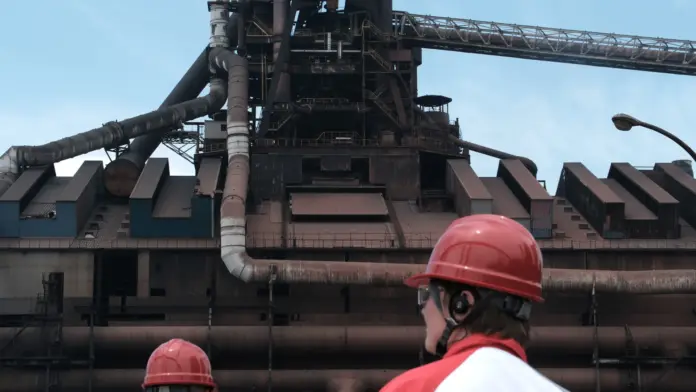
Japanese steel giant Nippon Steel has announced a delay in the closure of its acquisition of U.S. Steel, moving the deadline to the first quarter of 2025. Initially, Nippon Steel had hoped to complete the deal by the third or fourth quarter of 2024. However, the deal has encountered significant hurdles, including scrutiny from U.S. regulators. The U.S. Committee on Foreign Investment (CFIUS), which assesses national security concerns related to foreign investments, has been unable to reach a consensus on the deal. As a result, the decision has been deferred to U.S.

President Joe Biden, who now has 15 days to make a final ruling. If no decision is made within that period, the merger could proceed without further delay. Nippon Steel remains optimistic, with a spokesperson expressing hope that President Biden will conduct a fair and thorough review of the acquisition. The company also reiterated its confidence that the deal would benefit U.S. Steel, which is a key player in the U.S. steel industry. In addition to the CFIUS review, the U.S. Department of Justice’s Antitrust Division is also assessing the merger, though no timeline has been provided for its conclusion. Nippon Steel agreed to acquire U.S. Steel in December 2023 for $55 per share, a deal valued at approximately $14.9 billion, including debt. However, the acquisition has faced resistance from the influential United Steelworkers (USW) labor union and U.S. politicians, who have raised concerns about the merger’s potential impact on American jobs and the steel industry.

To address some of these concerns, Nippon Steel has promised to move its U.S. headquarters to Pittsburgh, where U.S. Steel is based, and to honour all agreements between U.S. Steel and the USW. Additionally, Japanese Prime Minister Shigeru Ishiba sent a letter to President Biden in November, urging approval of the deal to strengthen ties between the U.S. and Japan. The acquisition, if approved, would mark a significant step for Nippon Steel as it expands its presence in the U.S. steel market, but the ongoing regulatory review and opposition from key stakeholders are likely to shape the future of this high-profile merger.
Sweden’s Stegra Revolutionises Steel with Green Hydrogen

Sweden’s Stegra Revolutionises Steel with Green Hydrogen

Sweden’s Stegra Revolutionises Steel with Green Hydrogen

In 2023, the global steel industry produced nearly 2 billion metric tons of steel annually, enough to blanket Manhattan in a 13-foot thick layer. However, this production comes at a high environmental cost, with steelmaking accounting for around 8% of the world’s carbon emissions—more than aviation. Each ton of steel produced generates about two tons of carbon dioxide, a major contributor to global warming.

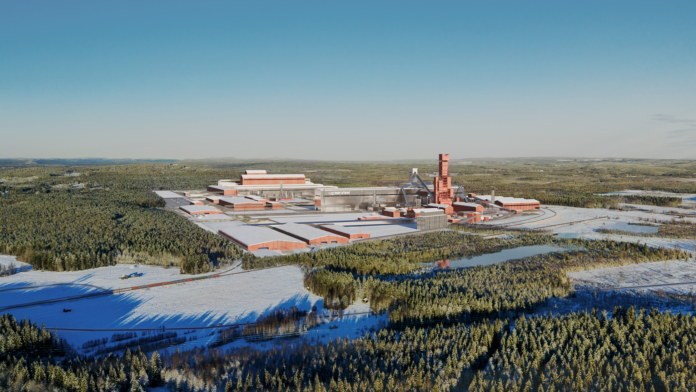
In response to this environmental challenge, several companies are making strides toward low- or zero-emission steel production. One of the most promising is Stegra, a Swedish startup formerly known as H2 Green Steel. Established in 2020, Stegra has already raised close to $7 billion and is now building the world’s first industrial-scale green steel plant in Boden, a town in northern Sweden. Set to begin production in 2026, the plant aims to produce 2.5 million metric tons of green steel annually, with plans to increase that to 4.5 million metric tons in the future. Stegra’s innovative approach uses “green hydrogen” produced with renewable energy to convert iron ore into steel. Located in an area with abundant hydropower resources, the plant will leverage both hydropower and wind power to drive a large electrolyzer that splits water into hydrogen. This hydrogen will then be used to separate oxygen from iron ore, creating metallic iron, which is the essential building block for steel.

This hydrogen-based steelmaking process has been successfully demonstrated at smaller pilot plants, notably by Midrex, an American company that supplies the equipment for Stegra’s plant. However, Stegra’s challenge will be scaling this technology to an industrial level, proving it can work efficiently and economically on a large scale. The creation of this green steel plant marks a significant step in the global push for sustainable manufacturing, promising to reduce the carbon footprint of one of the world’s most energy-intensive industries. Stegra’s initiative signals a future where steel production could be cleaner, helping industries worldwide meet carbon reduction goals while continuing to meet the growing demand for steel.

Synergy Steels Fuels Growth of Real Estate with Stainless Steel

Synergy Steels Fuels Growth of Real Estate with Stainless Steel

Synergy Steels Fuels Growth of Real Estate with Stainless Steel

India’s real estate and infrastructure sectors are experiencing a remarkable surge, with affordable housing at the forefront of this growth. Synergy Steels, a leading stainless-steel manufacturer in the country, is celebrating the dynamic demand for stainless steel driven by urbanisation, increased employment opportunities, and the growing requirement for housing. According to a report by the Confederation of Indian Industry (CII) and Knight Frank, urban centres in India will require approximately 22.2 million housing units, with 95% of this demand concentrated on affordable housing.

This presents a unique opportunity for stainless steel, a versatile material, to expand its presence beyond traditional applications into emerging sectors like construction and infrastructure. The demand for housing is so substantial that India needs to construct around 96,000 affordable units daily. This growing need aligns with global trends favouring sustainable and durable materials, placing stainless steel in a favourable position due to its robust and cost-effective nature. As Subhash Chand Kathuria, Chairman of Synergy Steels, explains, the real estate sector is not just a growth engine in itself but also acts as a stimulus for other industries, creating demand for construction machinery, tools, and raw materials like stainless steel. The strength, corrosion resistance, and longevity of stainless steel make it an ideal choice for affordable housing projects and large-scale infrastructure developments.

Synergy Steels is optimistic about India’s expanding infrastructure initiatives, especially with government-backed projects such as the approval of eight national high-speed corridor projects and the development of twelve new industrial cities under the National Industrial Corridor Development Programme (NICDP). The growth in infrastructure development is expected to create vast real estate opportunities and drive the demand for durable materials, further boosting the application of stainless steel in housing and infrastructure projects.

The Architecture, Building, and Construction (ABC) sectors, alongside Process Industries, are projected to account for significant portions of the stainless-steel market in India. Given its 100-year service life and low maintenance costs, stainless steel is becoming the material of choice for affordable housing, civil engineering applications, and large-scale infrastructure projects. By 2047, the real estate market is forecasted to contribute 18% to India’s GDP, significantly enhancing stainless steel’s role in long-term value creation.

Dr. Manmohan Singh’s Vision Strengthens Steel Expansion & HSL Revival in Visakhapatnam

0
Dr. Manmohan Singh’s Vision Strengthens Steel Expansion & HSL Revival in Visakhapatnam

Dr. Manmohan Singh’s Vision Strengthens Steel Expansion & HSL Revival in Visakhapatnam

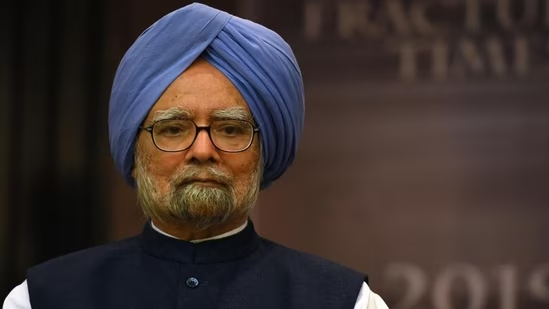
Visakhapatnam, known as the City of Destiny, has borne witness to former Prime Minister Dr. Manmohan Singh’s pivotal contributions that have shaped its industrial landscape. Among his many significant initiatives, the expansion of the Visakhapatnam Steel Plant (VSP) stands out as a major milestone, symbolising a key moment in the city’s industrial growth.

In 2006, Dr. Singh laid the foundation for a massive expansion of VSP, with an investment of over ₹8,600 crore. Reflecting on the importance of the plant, Dr. Singh remarked that the steel produced at VSP represented the “blood, sweat, and tears of the Telugu people”. His vision was clear: to transform India into one of the world’s largest and most efficient steel producers, leveraging the country’s abundant iron ore reserves. Dr. Singh’s government recognised the turnaround of Rashtriya Ispat Nigam Limited (RINL), the parent company of VSP, as a landmark achievement. The plant, once on the brink of closure and facing disinvestment, had become profitable by 2004-05, with zero debt and a profit of over ₹2,000 crore. Dr. Singh hailed the turnaround as a demonstration that public sector enterprises (PSUs), when committed and well-managed, could thrive in competitive markets.

Moreover, Dr. Singh’s efforts extended to Hindustan Shipyard Limited (HSL), a key asset in Visakhapatnam’s industrial infrastructure. Acknowledging the challenges faced by HSL, he assured that his government would work towards its revival. His government’s commitment to rejuvenating HSL was aimed at re-establishing Visakhapatnam as a global hub for shipbuilding, with the largest shipyard on India’s east coast. In his broader vision for India’s technological and industrial advancement, Dr. Singh also emphasised the importance of environmentally sustainable growth. During the 95th Indian Science Congress in 2008, he highlighted the need for India to adopt a proactive approach to environmental degradation as the nation modernises. He stressed that future technological and investment choices must carefully consider their environmental impact, ensuring a balance between progress and sustainability. Dr. Singh’s tenure marked a transformative period for Visakhapatnam, positioning it as a key industrial centre. His contributions in steel production, shipbuilding, and environmental sustainability continue to resonate, leaving an enduring legacy that has shaped the city’s economic landscape for years to come.

Gurugram Civic Body Resolves Property ID and Park Fund Complaints at Samadhan Camp

    0
    Gurugram Civic Body Resolves Property ID and Park Fund Complaints at Samadhan Camp
    Gurugram Civic Body Resolves Property ID and Park Fund Complaints at Samadhan Camp

    Gurugram Civic Body Resolves Property ID and Park Fund Complaints at Samadhan Camp

    The Municipal Corporation of Gurugram (MCG), two long-standing complaints were resolved, showcasing the civic body’s commitment to addressing resident grievances in a timely and effective manner. Among the 15 complaints received during the camp, key issues related to property tax IDs and delayed park maintenance funds were promptly addressed.

    One of the major issues that were resolved at the camp was raised by Manish Chahal, a resident of Sector 52, who had been struggling with a property tax ID duplication issue. Chahal, who had been following up on the matter for six months, explained that the duplicate property ID had caused significant inconvenience, particularly because his wife is battling cancer and he needed to focus on her medical treatment. Despite numerous visits to the MCG office and repeated complaints, the issue had remained unresolved.

    Chahal’s complaint outlined the distress caused by the prolonged delays. “Since July this year, I have continuously followed up to resolve the issue. Despite my efforts, there has been no resolution or satisfactory response to date. My wife is a cancer patient and going through multiple follow-ups in hospital, and I have to spend more time there,” his complaint stated. The issue was addressed on the spot by Akhilesh Yadav, the Joint Commissioner who chaired the meeting. Yadav immediately directed the zonal taxation officer to resolve the dispute, and within 10 minutes, the issue was resolved. This swift resolution came as a huge relief to Chahal, who had been running from pillar to post for months. Yadav emphasized during the meeting that complaints related to essential services like sewage and sanitation should be prioritized. He also suggested that estimates should be prepared for complaints that require more time to resolve, ensuring that complainants are kept updated on progress. Another complaint brought up during the Samadhan Camp came from the Palam Vihar Block-C Residents’ Welfare Association (RWA), which had been waiting for park maintenance funds for nearly nine months. The maintenance of parks in their block had been assigned to the RWA by MCG, but the funds had not been disbursed, leaving the parks in need of care and attention.

    Representatives from the RWA raised the issue with the horticulture department during the camp, seeking immediate action. This complaint highlighted how delays in fund distribution can impact local infrastructure and community spaces. Addressing the grievance, officials assured the RWA representatives that the issue would be taken up immediately, marking another positive outcome of the camp. The Samadhan Camp is part of MCG’s ongoing efforts to streamline grievance redressal processes and ensure that residents’ issues are resolved promptly. The initiative not only provides a platform for citizens to voice their concerns directly to officials but also helps in building trust between the civic body and the local community. By addressing a variety of complaints, from tax-related issues to maintenance delays, the camp plays a crucial role in improving the quality of services provided to Gurugram’s residents. The resolution of these two key complaints is just one example of how the Samadhan Camp is helping the MCG maintain its commitment to enhancing civic services. Moving forward, residents of Gurugram can continue to expect quick resolutions to their concerns as the MCG looks to improve communication, transparency, and responsiveness in addressing public grievances.

    Housing Prices at Noida Expressway Rise 66% in 5 Years

      0
      Housing Prices at Noida Expressway Rise 66% in 5 Years
      Housing Prices at Noida Expressway Rise 66% in 5 Years

      Housing Prices at Noida Expressway Rise 66% in 5 Years

      Housing prices along the Noida Expressway in Delhi-NCR have seen a remarkable 66% increase over the past five years, according to recent data by real estate consultant Anarock. The surge in property values reflects the growing demand for residential spaces in this prime location, driven by enhanced connectivity, infrastructure development, and increasing investments in both residential and commercial real estate.*

      In the September 2024 quarter, the average housing price on Noida Expressway reached Rs 8,400 per square foot, a sharp rise from Rs 5,075 per square foot in 2019. This surge is part of a wider trend in the National Capital Region (NCR), where peripheral areas such as Sohna and Dwarka Expressway also experienced significant price increases. Sohna, for instance, saw a 43% rise in average prices, climbing to Rs 5,900 per square foot, while Dwarka Expressway witnessed an astounding 93% increase, reaching Rs 10,350 per square foot. The Noida-Greater Noida Expressway, a key residential hub, strikes a perfect balance between affordability and growth potential, making it an attractive destination for mid-segment buyers and investors, said Vishal Raheja, Founder and MD of InvestoXpert.com. Despite the price rise, Noida remains a competitive option compared to more expensive markets like Gurugram and central Delhi, with average property prices now standing at Rs 1.05 crore.

      Raheja pointed out that the region’s price growth is expected to continue, with annual increases of 10-15%, bolstered by infrastructural developments like metro extensions, expressways, and the upcoming Jewar International Airport. These upgrades are expected to further enhance the area’s connectivity and accessibility, driving continued demand for housing. The Noida-Greater Noida Expressway has solidified its position as one of NCR’s most prominent luxury residential destinations in recent years. According to Salil Kumar, Director (Marketing & Business Management) at CRC Group, the region’s strategic location—close to Noida, Greater Noida, the Yamuna Expressway, and the forthcoming Noida Airport—has spurred massive interest from both buyers and investors, contributing to significant price hikes.

      Sunil Sisodiya, Founder of Geetanjali Homestate, attributes the price appreciation along the Noida Expressway to ongoing infrastructure development and seamless connectivity to major hubs. These improvements have made the area an increasingly attractive option for both end-users and investors. The trend of rising property prices is not confined to Delhi-NCR. In Bengaluru, the peripheral location of Gunjur has witnessed a 69% increase in housing prices over the last five years, with the average price rising from Rs 5,030 per square foot to Rs 8,500 per square foot. Bhavesh Kothari, Founder & CEO of Property First, highlighted that improved connectivity, affordability, and availability of large land parcels are driving demand in Bengaluru’s peripheral areas, prompting developers to launch premium residential projects with luxury amenities.

      The sharp rise in property prices in both Noida and Bengaluru’s peripheral areas underscores the growing appeal of these locations, which offer value-for-money options compared to more established, expensive regions. For investors, areas like Noida Expressway and Bengaluru’s Gunjur present significant opportunities for capital appreciation, with improving infrastructure and strategic positioning fueling the growth. Harinder Dhillon, Senior Vice President of Sales at BPTP, noted that investing in emerging hotspots like the Dwarka Expressway is now a well-calculated decision, supported by consistent growth and infrastructure development. As both Noida and Bengaluru continue to expand and modernise their infrastructure, these areas are set to remain strong performers in the real estate market.

      Star Cement Shares Surge 3% After UltraTech Stake Acquisition

      Star Cement Backs Indian Football League Growth
      Star Cement Backs Indian Football League Growth

      Star Cement Shares Surge 3% After UltraTech Stake Acquisition

      Shares of Star Cement experienced a notable uptick on Friday, rising 3.31% to ₹237.35 at 11:10 AM on the BSE. The surge in the stock price follows news that UltraTech Cement, India’s largest cement producer and a part of the Aditya Birla Group, has acquired an 8.69% stake in the company for ₹851 crore.

      UltraTech’s acquisition of 3.70 crore equity shares at ₹235 per share is seen as a strategic move to reinforce its dominance in the Indian cement market. This transaction signals UltraTech’s commitment to enhancing its market position, particularly in the growing North-Eastern region where Star Cement is a leading player. Star Cement, with a current production capacity of 5.7 million tonnes per annum (MTPA), is in the midst of a significant capacity expansion. The company aims to increase its capacity to 9.7 MTPA by the 2025-26 fiscal year, with plans to further raise this to 12 MTPA by 2027. This expansion strategy positions Star Cement for continued growth, particularly as demand for cement rises in the region.

      The company also reported an 8% growth in revenue for the previous fiscal year, reaching ₹2,911 crore, up from ₹2,705 crore the previous year. This growth highlights Star Cement’s strong operational performance despite the competitive nature of the cement industry. In addition, Star Cement announced the closure of its trading window, which will remain closed from January 1, 2025, until 48 hours after the approval of its unaudited financial results for the third quarter and nine months ending December 31, 2024. The date for the Board meeting to approve these results will be disclosed in due course. The stock of Star Cement hit a 52-week high of ₹255.95 on May 25, 2024, and reached a low of ₹169.80 on January 18, 2024, reflecting some volatility over the past year. However, with UltraTech Cement’s strategic acquisition, Star Cement’s growth prospects remain promising, and its stock is poised to benefit from the long-term expansion plans.

      Adani’s Entry Spurs Big Moves in Cement Sector

      Adani’s Entry Spurs Big Moves in Cement Sector
      Adani’s Entry Spurs Big Moves in Cement Sector

      Adani’s Entry Spurs Big Moves in Cement Sector

      The cement sector in India has witnessed a flurry of strategic acquisitions and mergers, largely sparked by the entry of the Adani Group in 2022. As major players like UltraTech Cement and Ambuja Cements continue to expand their footprints, the industry has seen a series of high-profile deals, signalling growing consolidation driven by increased government spending on infrastructure. Here’s a look at the major moves that have reshaped the landscape of India’s cement sector since Adani’s entry.

      Adani Group-Holcim AG, May 2022
      The most significant deal to date remains the Adani Group’s acquisition of Ambuja Cements and ACC from Swiss construction giant Holcim for a massive $10.5 billion. This deal marked Adani’s entry into the cement sector and has been the largest transaction in the industry to date, enabling the conglomerate to instantly become one of India’s largest cement players.

      Dalmia Bharat-Jaiprakash Associates, December 2022
      In December 2022, Dalmia Bharat strengthened its presence in central India by acquiring cement and other assets of Jaiprakash Associates for $687 million. This strategic move allowed Dalmia Bharat to increase its share in the growing central market, further intensifying competition in the sector.

      Sagar Cements-Andhra Cements, February 2023
      Sagar Cements made headlines in February 2023 with its $9.2 billion bid to acquire Jaypee Group’s Andhra Cements, as approved by a company tribunal. This acquisition was another significant development in the consolidation of India’s regional cement markets.

      Ambuja Cements-Sanghi Industries, August 2023
      In August 2023, Ambuja Cements, now part of the Adani Group, acquired an 83% stake in Sanghi Industries for $295 million. This deal was a notable move for Adani after the short-seller Hindenburg report in January 2023, marking the group’s commitment to expanding its footprint despite earlier setbacks.

      UltraTech Cement-Kesoram Industries, November 2023
      UltraTech Cement, India’s largest cement manufacturer, continued its aggressive expansion by acquiring Kesoram Industries’ cement assets for $645 million in November 2023. The deal strengthened UltraTech’s position in southern India, a key region for cement consumption and production.

      Ambuja Cements-Penna Cement Industries, June 2024
      In June 2024, Ambuja Cements acquired Penna Cement Industries for $1.25 billion, a deal that analysts believe cemented Ambuja’s place among the top three cement companies in southern India. The acquisition further consolidated Adani Group’s dominance in the region.

      UltraTech Cement-India Cements, July 2024
      UltraTech followed up its acquisition of Kesoram with a deal in July 2024, buying a controlling stake in India Cements for $472 million. After initially purchasing a 23% stake for $228 million, UltraTech completed the full acquisition, expanding its capacity and influence in the country’s southern markets.

      Ambuja Cements-Orient Cement, October 2024
      In October 2024, Ambuja Cements made another significant acquisition, agreeing to purchase nearly 47% of Orient Cement for $451 million. However, analysts have raised concerns about the regulatory approval for this deal, given its potential market impact.

      UltraTech Cement-Star Cement, November 2024
      The latest acquisition in the cement sector involves UltraTech Cement’s decision to purchase an 8.69% stake in Star Cement, valued at approximately ₹851 crore ($100 million). This deal further solidifies UltraTech’s position as the leader in India’s cement industry, adding another key asset to its extensive portfolio.

      These deals highlight the aggressive strategies of both the Adani Group and UltraTech Cement, with both players focusing on expanding capacity and market share. As the cement sector continues to grow, bolstered by infrastructure initiatives, further consolidation seems inevitable, setting the stage for more high-value transactions in the near future.

      Private Indian Airports to Invest Rs 60,000 Crore in Infrastructure by 2027

        0
        Private Indian Airports to Invest Rs 60,000 Crore in Infrastructure by 2027
        Private Indian Airports to Invest Rs 60,000 Crore in Infrastructure by 2027

        Private Indian Airports to Invest Rs 60,000 Crore in Infrastructure by 2027

        Private airports in India are embarking on a major expansion plan, committing to invest over Rs 60,000 crore by fiscal 2027, according to a recent report by CRISIL Ratings. This investment surge comes in response to the increasing demand for air travel, with an additional 65 million passengers expected annually. The growth of both domestic and international air traffic is anticipated to continue at a steady pace, further driving this large-scale infrastructure development.

        The report highlights that this planned investment represents a 12% increase over the previous period, where private airports committed Rs 53,000 crore between 2022 and 2024. The expansion is geared towards managing the rising passenger numbers, which are projected to grow at a compound annual growth rate (CAGR) of 8-9% between fiscal years 2025 and 2027. Much of this demand will be driven by business and leisure travel, alongside government initiatives like the Ude Desh ka Aam Naagrik (UDAN) scheme, aimed at making air travel more accessible to the masses.

        Manish Gupta, Senior Director and Deputy Chief Ratings Officer at CRISIL Ratings, explained that domestic air traffic, which accounts for over 80% of total passenger volume, will be a key factor in driving growth. He also noted that the UDAN scheme, which has already facilitated the operationalisation of 84 airports and 579 routes as of July 2024, will play an important role in expanding regional connectivity. This has allowed smaller regional airports to become feeders to larger metropolitan hubs, contributing significantly to the overall growth in passenger traffic. Revenue projections for private airports during the 2025-2027 period are promising. A 17% increase is expected, driven by higher passenger numbers, tariff adjustments, and the expansion of airport services. Specifically, revenue from aeronautical activities is projected to rise by 24%, while non-aeronautical revenue—which includes retail, parking, and other services—should increase by 10%. Regulatory tariff increases are expected to play a role in this growth, with aeronautical charges set to rise by 15% in the next two fiscal years.

        Ankit Hakhu, Director at CRISIL Ratings, noted that while approximately 70% of the capital expenditure (capex) will be financed through debt, the financial outlook for private airports remains strong. The anticipated revenue growth, coupled with regulated tariff increases and the expansion of non-aeronautical income streams, will support the creditworthiness of these airports. The debt service coverage ratio (DSCR), a key measure of financial health, is expected to improve to 1.45 times, a significant recovery from the lower levels seen during the pandemic. While the outlook for private airports is generally optimistic, there are potential challenges. The availability of aircraft, geopolitical tensions affecting fuel prices, and potential fluctuations in passenger volumes remain concerns for the industry. However, the increasingly stable and predictable regulatory environment offers investors greater confidence in the long-term prospects of India’s aviation sector.

        The investment in airport infrastructure reflects a broader vision for India’s aviation industry to position itself as a leading global aviation hub. Private airport operators are not only focused on increasing capacity to handle more passengers but are also prioritising enhancements in passenger experience. Upgrades to lounges, retail outlets, parking spaces, and other facilities will significantly improve the overall travel experience, making air travel more comfortable and convenient for the growing number of passengers. These investments in airport infrastructure are also expected to support India’s economic growth by improving connectivity and accessibility, ultimately benefiting both business and tourism sectors. As the aviation industry continues to grow, India’s airports are set to play an increasingly important role in fostering the country’s economic development. With the ongoing expansion of both infrastructure and services, India’s private airports are well-positioned to meet the growing demands of air travel, helping to make the country a key player in the global aviation market.

        VA Tech WABAG Wins Rs 700 Crore Order for Wastewater Treatment Plants in Zambia

          0
          VA Tech WABAG Wins Rs 700 Crore Order for Wastewater Treatment Plants in Zambia
          VA Tech WABAG Wins Rs 700 Crore Order for Wastewater Treatment Plants in Zambia

          VA Tech WABAG Wins Rs 700 Crore Order for Wastewater Treatment Plants in Zambia

          VA Tech WABAG, a global leader in water treatment technology, has been awarded a significant order worth Rs 700 crore (Euro 78 million) to design, build, and operate two advanced wastewater treatment plants (WWTPs) in Zambia. The project, funded by the European Investment Bank (EIB) and Germany’s Kreditanstalt für Wiederaufbau (KfW), marks a significant step in WABAG’s expansion into the African market. This milestone not only strengthens WABAG’s position but also contributes to the much-needed improvement in Zambia’s water and sanitation infrastructure.

          The order was issued by the Lusaka Water Supply and Sanitation Company (LWSC), with the plants being constructed in Ngwerere and Chunga. The Ngwerere plant will have a capacity of 54 million litres per day (MLD), while the Chunga plant will handle 19 MLD. The project is set to play a crucial role in improving water and sanitation in Zambia, addressing the increasing demand for clean water and effective wastewater treatment solutions. The Engineering, Procurement, and Construction (EPC) phase of the project is slated to take 36 months to complete, with a further 24 months allocated for operation and maintenance (O&M) to ensure the plants’ sustainability. A key highlight of these plants is their focus on sustainable and green energy solutions, with biogas and solar power meeting most of the energy needs of the facilities. This commitment aligns with WABAG’s broader mission to reduce the carbon footprint of water treatment processes and promote sustainability across its projects.

          Guhan Kandasamy, Head of Sales and Marketing for Africa at WABAG, expressed pride in securing the project, saying, “Through this project, WABAG is proud to contribute significantly to the Zambian government’s mission to enhance water and sanitation infrastructure, positively impacting countless lives.” The project not only aligns with Zambia’s national development goals but is expected to create lasting improvements in public health and environmental quality. Government officials in Zambia have long recognised the need for modern and sustainable sanitation solutions, particularly to combat the risks posed by waterborne diseases. The completion of these wastewater treatment plants is expected to help safeguard water quality, improve hygiene, and reduce disease transmission. Moreover, the plants are part of Zambia’s broader vision to expand access to clean water and sanitation, particularly in underserved communities.

          This development also signifies WABAG’s ongoing expansion into Africa, solidifying its position as a trusted global player in the water treatment sector. With over 1,500 water and wastewater treatment plants successfully designed and built worldwide, WABAG’s expertise is widely recognised. Through partnerships with international financial institutions such as EIB and KfW, WABAG is well-positioned to continue leading the way in providing sustainable water solutions across emerging markets. The Zambia wastewater treatment plants project is an important step forward in meeting the growing demand for clean water and effective sanitation in Africa. As WABAG continues to deliver innovative and reliable solutions, it is helping to improve public health, create a cleaner environment, and contribute to sustainable development across the continent. This project is a prime example of how technological expertise and green energy solutions can shape the future of water treatment in Africa.