Home Blog Page 425

IBM in Advanced Talks to Lease 2.6 Lakh Sq Ft in Gurugram’s TRIL Tower

0
IBM in Advanced Talks to Lease 2.6 Lakh Sq Ft in Gurugram’s TRIL Tower

IBM in Advanced Talks to Lease 2.6 Lakh Sq Ft in Gurugram’s TRIL Tower

IBM, the global technology giant, is in advanced discussions to lease 260,000 square feet of office space at TRIL Tower in Gurugram, developed by Tata Realty. This move comes as demand for Grade A office spaces in India continues to rise, driven by the return-to-office trend among major tech companies and the emergence of new demand drivers. The leasing activity highlights the dynamic shift in the commercial real estate market, especially in regions like the National Capital Region (NCR).

The surge in office space absorption has been led by the return of large corporations, particularly tech firms, back to their physical office spaces. However, new factors are contributing to this momentum. Industry experts point out that the growth of Global Capability Centres (GCCs), the rise of flexible workspace providers, the increasing presence of unicorn startups, and the expansion of Big Tech companies are key elements driving sustained demand for office spaces in urban centers like Gurugram. A notable shift is taking place with the denotification of Special Economic Zones (SEZs), which is unlocking more areas for corporate leasing. Tata Realty’s portfolio, which includes vast tracts of land under SEZ, is poised to benefit from this development, giving corporations more options to choose from. Recently, US networking company Ciena leased 135,000 square feet of office space at TRIL Tower, further cementing the tower’s status as a prime location for multinational companies. The demand for premium office spaces in Gurugram is also influenced by a strong “flight to quality” trend, where businesses are seeking better infrastructure, top-tier amenities, and institutional ownership to align with evolving workplace strategies. According to real estate experts, these factors are prompting a reevaluation of workspace needs, making well-located and well-equipped office spaces more desirable.

In 2024, the office leasing market in India is on track to hit a record high of 83-85 million square feet, marking a 13% increase over the previous year. India has emerged as a bright spot in the global office leasing market, particularly in the Asia-Pacific region, where it is expected to account for nearly 70% of the region’s net absorption by year-end. This surge is largely driven by the growing importance of GCCs, which now make up about 30% of the leasing volume in India, with expectations for further growth. As the demand for office space continues to rise, companies like IBM and Tata Realty are at the forefront of shaping the future of commercial real estate in India, meeting the needs of a fast-evolving business landscape.

Mumbai’s Real Estate Market Sees ₹105 Crore Deal in Oberoi Three Sixty West

Mumbai's Real Estate Market Sees ₹105 Crore Deal in Oberoi Three Sixty West

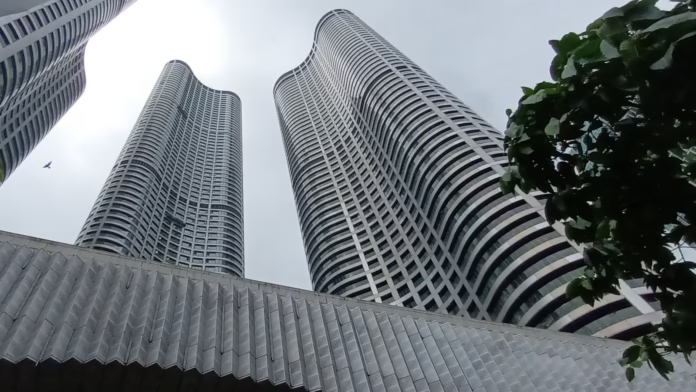
In a significant move within Mumbai’s luxury real estate market, Jagdish Master, director of Deep Financial Consultants has acquired a lavish 7,139-square-foot apartment in the exclusive Oberoi Three Sixty West project in Worli for ₹105 crore. The apartment, located on the 60th floor of the prestigious development, is one of the high-end offerings in the project by Mumbai-based real estate developer Oberoi Realty. This deal was formally registered on December 16, 2024, and the transaction is priced at approximately ₹1.48 lakh per square foot.

The luxury apartment, designed for a sophisticated lifestyle, is part of Oberoi Realty’s iconic development that features 4 BHK and 5 BHK units, duplex apartments, and penthouses. The Oberoi Three Sixty West towers, known for their panoramic views and upscale amenities, received an occupation certificate in 2022. Along with the acquisition, Jagdish Master will benefit from five designated parking spaces, and the official documentation reveals that a stamp duty of ₹3.97 crore was paid, along with a registration fee of ₹30,000.

This purchase adds to the growing list of luxury transactions in the city. In November 2024, Jagdish Master’s wife, Urjita Jagdish Master, also secured a 7,139-square-foot apartment in the same building for the same amount, ₹105 crore, located on the 59th floor. Both apartments are designed to offer unparalleled views of the city skyline, with residents enjoying top-tier facilities within the development. Although queries sent to Oberoi Realty went unanswered, and Jagdish Master could not be reached for comment, this transaction signals the ongoing appeal of Mumbai’s luxury real estate market, where ultra-high-net-worth individuals continue to make substantial investments in prime properties.

Demand for Premium Homes Surges While New Property Launches Decline in India

    0
    Demand for Premium Homes Surges While New Property Launches Decline in India
    Demand for Premium Homes Surges While New Property Launches Decline in India

    India’s real estate market in November 2024 witnessed a pronounced surge in demand, particularly in the premium and luxury housing segments. According to a recent report by Nuvama, this demand increase has significantly outpaced the pace of new property launches, marking a key trend in the country’s real estate sector. The premiumisation effect is evident, with top cities seeing an increase in property prices, especially in the National Capital Region (NCR), which recorded an impressive 44% year-on-year price surge.

    While demand for high-end properties has risen steadily, the number of new property launches has declined sharply. The report highlights that in the top seven cities, property supply by volume dropped by 53% YoY, while demand fell just 7%, underscoring a growing imbalance between supply and demand. By value, however, the supply of new properties has seen a more pronounced decrease, dropping by 44%, even as demand has surged by 16% YoY. This divergence indicates that developers are prioritising premium offerings, reflecting a broader market shift towards luxury housing.

    This surge in demand has driven up prices across major cities, including Kolkata, where prices rose by 37%, and in Mumbai Metropolitan Region (MMR) and Bengaluru, where they increased by 14-17%. The overall rise in prices is a direct consequence of the booming premium segment, which has set new benchmarks for property valuations. Unsurprisingly, sales have followed suit, with the NCR seeing a 151% YoY increase in property sales, significantly outpacing other cities such as Chennai and Kolkata. However, Hyderabad saw a decline in sales, highlighting regional variations in the property market.

    From a sustainability perspective, the growing demand for premium properties raises concerns about the long-term environmental and urban implications. As cities continue to experience rapid growth, the push for luxury housing could further strain infrastructure and resources. Developers must consider integrating eco-friendly designs and sustainable construction practices into these high-end projects. Moreover, with declining launches and increasing demand, urban planners need to ensure that future developments are aligned with smart growth principles that balance luxury with the needs of all residents. The real estate market’s future hinges on its ability to manage growth sustainably while meeting the evolving demands of affluent buyers.

    MahaRERA’s 2024 Policies Empower Homebuyers

    0
    MahaRERA’s 2024 Policies Empower Homebuyers
    MahaRERA’s 2024 Policies Empower Homebuyers

    In 2024, the Maharashtra Real Estate Regulatory Authority (MahaRERA) has firmly established itself as a crucial player in shaping a more transparent and buyer-friendly real estate environment. The year has seen the introduction of several pioneering initiatives aimed at enhancing homebuyer confidence and protecting their interests in Maharashtra’s dynamic property market. These measures come under the leadership of both former chairman Ajoy Mehta, who retired in September, and his successor Manoj Saunik, ensuring a seamless transition of homebuyer-focused reforms.

    One of the key highlights of MahaRERA’s proactive stance was the introduction of a mandate in September 2024 requiring developers to include detailed parking specifications, such as dimensions, height, and width, in sale agreements and allotment letters. This new policy addresses common grievances from homebuyers, particularly around the inadequacy of parking spaces and blocked access. Moreover, to safeguard buyers from delays in promised amenities, MahaRERA issued a directive in July 2024 requiring developers to outline precise delivery timelines and specifications for amenities in their agreements, ensuring that what is promised at the time of booking is delivered on time and as expected.

    Additionally, MahaRERA introduced an industry-first framework in April 2024 for the appointment of third-party agencies to audit construction quality at various stages of development. This measure aims to prevent common post-possession issues like water leakages and structural faults, safeguarding homebuyers from significant inconvenience. Notably, in May 2024, MahaRERA also introduced the first-ever guidelines for senior citizen housing, encompassing features such as safety measures, accessibility, and green principles. These guidelines not only reflect a growing awareness of the need for inclusive housing but also underline the regulator’s commitment to improving quality of life for all residents.

    These policies take on greater significance when viewed through the lens of sustainability and urban development. With cities like Mumbai facing rapid urbanisation and an acute housing shortage, MahaRERA’s reforms are a step towards ensuring that development meets the needs of both the environment and residents. From incorporating green building practices in senior citizen housing to ensuring that amenities and infrastructure meet exacting standards, these initiatives promote a more sustainable and responsible approach to urban growth. As Maharashtra continues to grapple with urbanisation challenges, MahaRERA’s focus on transparency and quality is a vital move towards building a real estate ecosystem that benefits all stakeholders.

    Bollywood Celebrities Lead Mumbai’s ₹400 Crore Luxury Real Estate Boom in 2024

    0
    Bollywood Celebrities Lead Mumbai’s ₹400 Crore Luxury Real Estate Boom in 2024
    Bollywood Celebrities Lead Mumbai’s ₹400 Crore Luxury Real Estate Boom in 2024

    2024 has proven to be a transformative year for India’s luxury real estate market, particularly in Mumbai, where high-end properties have become the most coveted choice for the country’s elite. Mumbai’s celebrity enclave continues to be a hotbed for premium real estate, with neighbourhoods like Bandra, Juhu, and Oshiwara emerging as the front-runners for high-profile investments. According to industry reports, Bollywood stars have collectively invested nearly ₹400 crore this year, making a mark on the city’s property scene with their latest purchases.

    Among the most prominent players in this real estate frenzy is Amitabh Bachchan, who, alongside his son Abhishek Bachchan, has been at the forefront of this investment wave. The senior Bachchan reportedly splashed out ₹76.54 crore on 10 properties spread across Mumbai’s prime areas, including Magathane, Mulund West, and Oshiwara. His son Abhishek followed suit with investments amounting to ₹30.19 crore, securing residential properties in the same high-demand locales. Adding to the fervour, actor Shahid Kapoor made a bold move, acquiring a luxurious residential property in Lower Parel for ₹58.66 crore, setting a new benchmark for the city’s premium real estate market.

    This influx of celebrity capital has not only accelerated the growth of Mumbai’s luxury real estate market but also signals a shift in how affluent individuals are investing in their future. Celebrities are no longer just investing in lifestyle homes but in long-term assets that appreciate in value. High-profile figures such as Prithviraj Sukumaran have also joined the race, spending ₹30.60 crore on a residence in Bandra, cementing Mumbai’s status as the hub for opulent properties. These investments, totalling nearly ₹400 crore in 2024, mark a significant moment in the city’s real estate history.

    However, this surge in luxury property purchases does raise questions about the sustainability of the city’s development trajectory. As celebrities and high-net-worth individuals continue to fuel the demand for upscale real estate, the environmental impact and strain on urban infrastructure must be addressed. Sustainable urban planning must become a priority as the city navigates the challenges of rapid development. Eco-friendly, energy-efficient designs are slowly becoming the new norm, with some high-end developers integrating green building features into their projects. These investments have the potential to shape not only the skyline but also the city’s approach to sustainable living, ensuring that luxury does not come at the expense of the environment.

    In conclusion, the continued investments by Bollywood celebrities in Mumbai’s luxury real estate sector reflect both a growing appetite for opulence and a subtle shift toward a more sustainable urban future. As the market continues to thrive, it is crucial for the city to embrace innovative solutions that balance luxury with long-term environmental responsibility, ensuring that Mumbai remains a model for modern, sustainable urban growth.

    Rs 15,000 Crore Investment Planned to Restore Glory of Visvesvaraya Iron & Steel Factory

    0
    Rs 15,000 Crore Investment Planned to Restore Glory of Visvesvaraya Iron & Steel Factory
    Rs 15,000 Crore Investment Planned to Restore Glory of Visvesvaraya Iron & Steel Factory

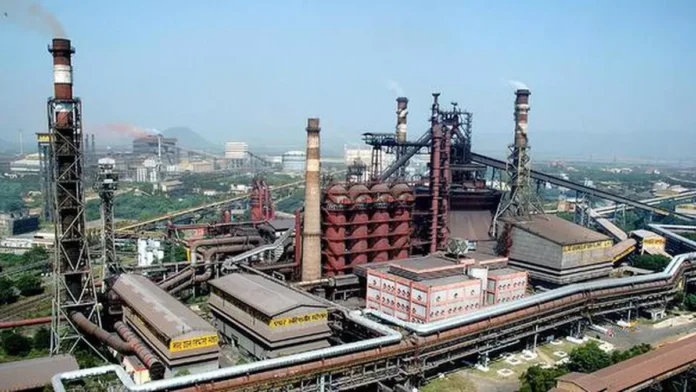
    The government has announced a substantial investment of Rs 15,000 crore to restore the historic Sir M Visvesvaraya Iron and Steel Factory (VISL) in Bhadravati, Karnataka, to its former glory. The decision was revealed by Union Minister for Heavy Industries and Steel HD Kumaraswamy during his speech at the 87th All India Kannada Literary Conference in Mandya on Sunday.

    This investment initiative is part of the government’s broader focus on fostering industrial growth and generating employment in Karnataka. Kumaraswamy expressed his confidence that the factory, once a significant source of employment, would return to its prosperous days through this revitalization effort. The Visvesvaraya Iron & Steel Factory was established in 1918 under the visionary leadership of Mysuru Maharaja Nalvadi Krishnaraja Wadiyar and the renowned engineer Sir M Visvesvaraya. Initially founded as “Mysore Wood Distillation & Iron Works,” the factory gradually evolved, becoming a producer of pig iron in 1923 and later venturing into mild steel production in 1936. It was renamed Visvesvaraya Iron & Steel Limited in 1976, honoring its illustrious founder.

    The plant, located on the banks of the Bhadra River, spans approximately 3.8 square kilometers and has a rich history of innovation and industrial development. Over the decades, it expanded its operations to include ferro-alloy production, electric arc furnaces, and a blooming and heavy section mill. The factory once played a central role in the region’s industrial landscape and employed thousands. Kumaraswamy highlighted that Prime Minister Narendra Modi had entrusted him with significant responsibilities related to the Heavy Industries and Steel portfolios. He emphasized that his efforts were focused on ensuring that the revival of VISL would benefit the people of Karnataka.

    This major investment plan aims to modernize and upgrade the infrastructure of the Visvesvaraya Iron & Steel Factory, revitalizing the legacy of Sir M Visvesvaraya and restoring the factory’s prominence in the region. The revival is expected to create new employment opportunities and stimulate economic growth, especially in the steel and manufacturing sectors. As India moves forward with its industrial and economic ambitions, the revival of such historic factories is seen as a crucial step toward building a more resilient and sustainable steel industry while preserving the rich heritage of the country’s industrial pioneers.

    Kalyani Steel Battles Hurdles Amid Rising Input Costs and Cheap Imports

      0
      Kalyani Steel Battles Hurdles Amid Rising Input Costs and Cheap Imports
      Kalyani Steel Battles Hurdles Amid Rising Input Costs and Cheap Imports

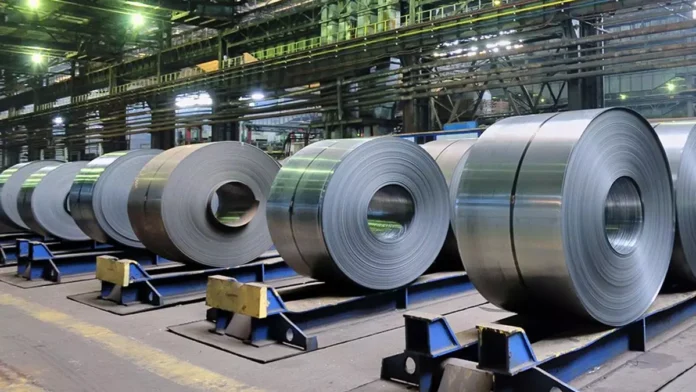
      Kalyani Steel, a leading iron and steel forging company based in Pune, is facing significant challenges as it grapples with rising input costs and the influx of cheap steel imports. According to Managing Director RK Goyal, the company’s revenues are expected to remain flat in 2025, with no substantial increase in earnings before interest, taxes, depreciation, and amortisation (EBITDA). This outlook reflects the ongoing strain from external pressures on margins and revenue growth.

      The company attributes its financial challenges to rising iron ore prices, which have surged by ₹1,000 per tonne, reaching ₹1,700-₹1,800 per tonne. Additionally, the depreciation of the rupee has increased the cost of key imports, such as ferroalloys and refractories, resulting in an overall cost increase of approximately ₹3,000 per metric tonne. Moreover, the proposed rise in iron ore duties by the Karnataka government is expected to exacerbate these cost pressures. Goyal further pointed out that the influx of cheap steel imports, particularly from China and countries with Free Trade Agreements (FTAs), is negatively affecting margins and volumes, despite the steady demand from the passenger car and two-wheeler industries.

      Kalyani Steel is pinning some hope on the proposed safeguard duties on steel imports, which are currently under investigation. These duties primarily target flat products like hot-rolled coils and sheets, but Goyal has urged that the scope of the investigation should be expanded to include specialty steel and long products. He believes that such measures could provide much-needed relief to the sector. While there is optimism surrounding government initiatives, such as the infrastructure push and increased corporate capital expenditure (capex) spending, Kalyani Steel’s growth prospects for now remain limited. “We are already operating at 100% capacity, so there won’t be significant growth in revenue. Our EBITDA margins will largely depend on market sentiment and the implementation of safeguard duties,” Goyal stated.

      Despite these challenges, Kalyani Steel’s market capitalisation has seen impressive growth, rising by 151% over the past year. However, the company remains cautious, recognising the need to navigate an increasingly complex market environment marked by rising costs and import competition. As the steel sector continues to face both domestic and global pressures, Kalyani Steel’s future performance will depend on its ability to adapt to the changing landscape and secure more favourable trade policies. The company’s strategy to address these challenges, including seeking price hikes and government support, will be crucial to maintaining its market position in the coming years.


      Steel Sector Shifts Towards Green Practices Amid Growing Global Demand

      Steel Sector Shifts Towards Green Practices Amid Growing Global Demand
      Steel Sector Shifts Towards Green Practices Amid Growing Global Demand

      China’s steel sector is undergoing significant structural shifts as companies increasingly embrace greener, high-quality practices in response to both domestic and global demands. Experts highlight a growing need for low-carbon products, particularly in downstream industries such as electric vehicles (EVs), machinery, and energy, all of which are placing increased pressure on the steel industry to meet higher environmental standards.

      The imminent inclusion of the steel industry in China’s carbon trading market, coupled with the European Union’s Carbon Border Adjustment Mechanism, has further intensified the demand for environmentally friendly steel products. These developments signal a broader global movement towards reducing carbon footprints, and steel companies are pivoting to ensure they remain competitive in this evolving market. Guan Zhijie, deputy chief engineer of the China Metallurgical Industry Planning and Research Institute, explained that the entry of the steel industry into the domestic carbon market would require companies to supply steel products with lower carbon emissions to avoid additional costs. This shift is expected to bolster the global integration of Chinese steel manufacturers, as more countries begin to implement policies that price carbon emissions.

      Despite the cost increases associated with green production practices, experts like Xiao Bangguo, deputy head of the institute, emphasize that steel companies must adapt to the changing landscape to remain viable. By upgrading product standards and refining their operational strategies, these companies can enhance their competitive edge, even in the face of global uncertainties. The transition to higher quality and environmentally sustainable practices is already underway. A recent report highlights a surge in steel consumption across sectors such as machinery, automobiles, and energy, while traditional sectors like construction and railways are seeing a decline. This trend is expected to continue, with particular growth anticipated in the aerospace, marine equipment, new energy, and EV sectors.

      The institute projects that China’s steel demand will slightly decline by 1.5% in 2025, reaching 850 million metric tons. However, some sectors, such as automotive and energy, will continue to experience growth. Steel demand from the automotive sector is expected to rise by 4%, with an estimated 59.8 million tons of steel required. Similarly, the energy sector’s steel demand is projected to grow by 1.9%, and the shipbuilding sector by 5.7%. Moreover, China’s home appliance sector is also set to benefit from policy incentives, with steel demand expected to grow by 8.4% to 19.4 million tons in 2025, driven by trade-in programs and other governmental initiatives. As the steel sector adjusts to these new demands, it is clear that the industry’s future will be shaped by its ability to innovate and adapt to global environmental and technological trends, ensuring it meets the needs of high-tech industries and supports the transition to a more sustainable economy.

      Kochi Amicus Curiae Visits Maradu to Assess Construction Limits Post-Demolition

        0
        Amicus Curiae Visits Maradu to Assess Construction Limits Post-Demolition
        Amicus Curiae Visits Maradu to Assess Construction Limits Post-Demolition

        Kochi Amicus Curiae Visits Maradu to Assess Construction Limits Post-Demolition

        Amicus Curiae Gaurav Agarwal visited the site in Maradu on Monday to assess how much construction can be allowed on the land where four flat complexes were demolished. The Supreme Court, led by Justice B.R. Gavai, had directed Agarwal to visit Maradu and submit a detailed report on the construction limits in the aftermath of the demolition. The team, which included Sub-collector K Meera, Maradu municipality chairman Antony Ashamparambil, vice-chairperson Rashmi Sanil, and other officials, was present during the visit.

        The flats in Maradu were demolished due to violations of Coastal Regulation Zone (CRZ) rules. The demolition has had a severe impact on the 343 families who were living in these complexes, and the situation has left many residents and investors in a state of uncertainty. As a result, there have been calls for immediate action to ensure that alternative housing is provided to the displaced families and that the site is redeveloped appropriately.

        During the visit, Maradu municipality chairman Antony Ashamparambil raised concerns about the lack of new investors coming to the area following the demolition. He called on the state government to take the necessary steps to construct new flats for the affected families. He argued that the failure of both the government and the previous panchayat in addressing the issue has contributed to the ongoing challenges. According to Ashamparambil, resolving the housing issue would not only address the concerns of displaced residents but also encourage more investment in the region. Additionally, Ashamparambil criticised the government for its handling of the case, particularly regarding the lack of action against K.A. Devasia, the former panchayat president, despite testimony from eight panchayat committee members against him. He noted that the Crime Branch had approached the government multiple times for permission to question Devasia, but it had been denied. This has raised questions about accountability and transparency in the case. As the Maradu situation continues to unfold, the visit by Agarwal is seen as an essential step in providing clarity on the future of the land and the affected families. With no new investors showing interest, the need for decisive action from the government remains critical to rebuilding trust and ensuring the region’s development.

        Uttar Pradesh Government to Simplify Townships Handover Process with New SOPs

          0
          Uttar Pradesh Government to Simplify Townships Handover Process with New SOPs
          Uttar Pradesh Government to Simplify Townships Handover Process with New SOPs

          Uttar Pradesh Government to Simplify Townships Handover Process with New SOPs

          The Uttar Pradesh government is taking decisive steps to simplify the often-delayed process of transferring private or developer-built townships to local civic bodies. This move comes after a series of delays and disputes between developers, authorities, and residents who have faced issues related to poor maintenance and high charges in the absence of an official handover.

          While regulations mandate that townships be handed over to municipal corporations once construction is complete, complications arise due to incomplete work, reluctance from developers, and ongoing disputes between the authorities. The situation is particularly apparent in cities such as Ghaziabad, Kanpur, and Lucknow, where several townships, including some developed by the Ghaziabad Development Authority (GDA) and private builders, have not yet been transferred to the civic bodies for management.

          Rajendra Tyagi, a five-time councillor of Ghaziabad Municipal Corporation (GMC), pointed out that developers often exploit the lack of a clear government directive to delay the handover process. This results in residents being forced to pay exorbitant maintenance charges, which are far higher than the more reasonable taxes levied by municipalities. In some cases, residents end up paying both house tax to the municipality and maintenance charges to developers, placing additional financial strain on them. To address this, the Uttar Pradesh government has decided to create a set of Standard Operating Procedures (SOPs) for the handover process. A meeting was convened in Lucknow, set to include officials from the development authorities and municipal corporations of major cities such as Ghaziabad, Kanpur, and Lucknow. The goal is to create a more streamlined, transparent process, ensuring that townships are handed over without delay or legal disputes.

          In Ghaziabad, for example, six townships developed by the GDA, including Madhuban Bapudham and Swarnjyantipuram, have been awaiting handover for over two decades. The lack of an agreement on the terms of maintenance and infrastructure upgrades has caused ongoing issues. A notable example is the prolonged standoff over the Indirapuram township, which was finally handed over to GMC in October 2024, following the payment of Rs 70 crore by GDA for necessary infrastructure upgrades. This handover had been delayed since 2016, when disagreements arose over the cost of repairs needed for roads, sewers, and streetlights in the area. For residents like Ashwini Shastri, a resident of Indirapuram, the delay in the handover process has led to unfair tax demands and maintenance issues. He described how residents were now being asked to pay house tax arrears from the last decade, despite the fact that the township had previously been managed by GDA. Shastri called for a standardised, transparent process to avoid such conflicts in the future. The government’s plan to introduce SOPs is seen as a crucial step towards resolving these ongoing issues and ensuring a smoother, quicker transition of township management to civic bodies, ultimately benefiting residents and improving the quality of life in these areas.