Home Blog Page 424

Delhi-NCR’s retail real estate market saw record leasing in 2024

0
Delhi-NCR retail real estate, retail leasing growth, real estate boom 2024, rising rents, retail investment India, retail market Delhi, commercial property Delhi-NCR, urban development, leasing market trends, real estate infrastructure
Delhi-NCR retail real estate, retail leasing growth, real estate boom 2024, rising rents, retail investment India, retail market Delhi, commercial property Delhi-NCR, urban development, leasing market trends, real estate infrastructure Delhi-NCR retail real estate, retail leasing growth, real estate boom 2024, rising rents, retail investment India, retail market Delhi, commercial property Delhi-NCR, urban development, leasing market trends, real estate infrastructure

Delhi-NCR’s retail real estate market saw record leasing in 2024

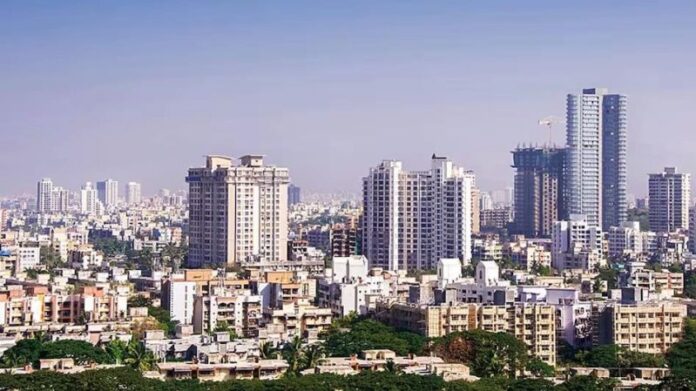
The retail real estate market in Delhi-NCR has reached unprecedented heights in 2024, driven by a surge in leasing activity, a drop in vacancy rates, and an increase in rental values. This landmark year has firmly established the region as one of India’s top destinations for retail investment. According to CBRE’s India Retail Figures H1 2024 report, retail leasing across the country grew by 7% year-on-year, totalling 3.1 million square feet, with Tier 1 cities like Delhi-NCR, Bengaluru, and Chennai leading the charge. The market’s strong performance is attributed to several key factors, including robust developer confidence, significant infrastructure improvements, and shifting consumer preferences.

In Delhi-NCR, the cities of Noida and Gurugram have taken centre stage as primary drivers of retail growth. Infrastructure developments such as the Delhi-Mumbai Industrial Corridor, the Dwarka Expressway, and the impending Jewar Airport have drastically improved connectivity, further boosting retail demand. Premium malls across the region saw vacancy rates fall to 8.3% in 2024, down from 9% the previous year, reflecting the growing appeal of quality retail spaces. High street locations such as South Extension in Delhi have seen a significant rise in ground floor retail rentals, which have surged to ₹800–₹1,000 per square foot. With limited new supply expected, these upward trends in rent are anticipated to continue.

The retail sector’s growth trajectory is further exemplified by statements from industry leaders like Ankit Sharma, VP of Leasing at Elan Group, who noted the sector’s adaptability and resilience in the face of evolving consumer needs. With strong demand in Tier 1 cities, there has also been rising activity in Tier 2 cities as brands look to tap into newer, underserved markets. This suggests that the retail real estate market is not only expanding but diversifying in its reach across urban centres in India.

From a sustainability standpoint, the retail real estate boom in Delhi-NCR reflects a changing urban landscape where increased commercial activity and improved infrastructure go hand-in-hand with smart urban planning. These developments contribute to a more sustainable city by improving connectivity and reducing congestion, thus helping to mitigate urban sprawl. However, the growth of this sector also requires thoughtful integration with environmental policies to ensure that the rapid pace of commercial expansion aligns with long-term sustainability goals. Ensuring energy-efficient construction, sustainable resource use, and eco-friendly practices in retail spaces will be essential as Delhi-NCR continues its urban transformation.
Afghanistan Invests Over $600 Million in Cement Sector

Afghanistan Invests Over $600 Million in Cement Sector

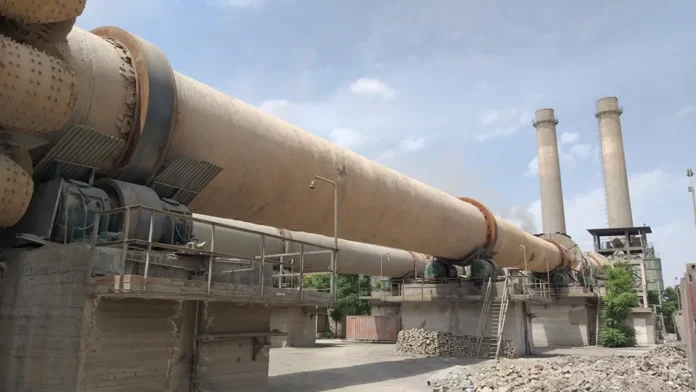
The Afghan government has made substantial investments in the country’s cement sector, with over US$600 million committed since the Taliban administration assumed power in 2021. According to the Office of the Deputy Prime Minister for Economic Affairs, this investment has been crucial in boosting local cement production, which currently stands at a reported capacity of 5 million tonnes per year.

A highlight of the recent investments includes a US$1 million renovation project at the Jabal Saraj cement plant, located in Parwan province. This project, part of ongoing efforts to upgrade the country’s industrial infrastructure, is expected to significantly enhance production capabilities. Furthermore, future investment initiatives are also planned for several key cement plants, including the Jabal Saraj facility, as well as the Temtaq cement plant in Jowzjan province and the Herat cement factory in Herat province.  These investments are seen as part of a broader strategy to improve Afghanistan’s domestic cement production, reduce reliance on imports, and support construction and infrastructure development in the country.

The government aims to increase the production capacity of its cement plants to meet local demand and promote economic growth. In the context of Afghanistan’s ongoing recovery and development, the cement sector is being positioned as a critical industry, not only for its potential to generate employment but also for its role in supporting the country’s construction sector, which is vital for infrastructure rebuilding and economic stability.

Housing Prices Surge Across Top Indian Cities as Hyderabad Sees 27% Rise in 2024

0
Housing Prices Surge Across Top Indian Cities as Hyderabad Sees 27% Rise in 2024

Housing Prices Surge Across Top Indian Cities as Hyderabad Sees 27% Rise in 2024

The real estate market in India saw significant growth in 2024, with key cities, including Hyderabad, experiencing sharp increases in housing prices. Hyderabad recorded a 27% rise, with prices reaching ₹7,300 per square foot in Q4 2024, up from ₹5,750 in the previous year. This surge places Hyderabad among the top cities for residential price growth, driven by rising demand for both luxury and affordable housing. The city’s strong performance reflects the broader national trend of increasing housing prices due to factors like urbanization and job growth.

When looking at other major cities in India, the housing price changes in 2024 paint a similar picture of increasing demand and rising costs. The National Capital Region (NCR), which includes Delhi and its surrounding areas, recorded the highest price hike, with a 30% jump in prices, from ₹5,800 per square foot in 2023 to ₹7,550 in 2024. The Mumbai Metropolitan Region (MMR), one of the country’s most expensive real estate markets, saw a 21% increase in housing prices, moving from ₹13,700 per square foot to ₹16,600. Bangalore, another key player in South India, experienced a 28% surge, with prices rising from ₹6,550 to ₹8,380 per square foot. Pune, which has been attracting growing interest from homebuyers, witnessed a more moderate 14% increase in housing prices, from ₹6,750 to ₹7,720 per square foot. Chennai, similarly, saw a 14% rise, with prices increasing from ₹5,950 to ₹6,790 per square foot. Kolkata, the only city to register the lowest increase in this group, had a rise of 13%, with prices moving from ₹5,150 to ₹5,820 per square foot.

Several key factors have been driving this surge in housing prices across India. First and foremost, rising input costs, particularly the cost of construction materials, have played a significant role in pushing up home prices. As material costs like cement, steel, and labor have risen, builders have been forced to increase prices to maintain profitability. Strong buyer demand, fueled by urbanization, job growth, and higher disposable incomes, has also contributed to the upward pressure on prices. This demand has been particularly evident in urban centers such as Hyderabad, where the growing tech industry and a booming job market have attracted more homebuyers. Additionally, the post-pandemic shift in buyer preferences has further contributed to the demand for larger and better-quality homes, especially in suburban and semi-urban areas. Luxury housing, in particular, has seen an exponential surge in demand, as people seek more spacious and comfortable living spaces.

Despite the significant rise in housing prices, the sales volume across most cities has shown a slight decline. In Hyderabad, for instance, there was a 5% drop in the number of units sold in 2024 compared to 2023. Approximately 58,540 units were sold in Hyderabad in 2024, down from 61,715 in the previous year. However, the overall sales value has seen a notable increase, with a 16% year-on-year rise across India. This trend suggests that while fewer units are being sold, the higher prices are driving substantial revenue for builders and developers. In Hyderabad, this trend is also visible, as the market has shifted toward fewer, but higher-value homes. Despite the decline in the volume of sales, the increasing prices are still generating considerable growth in the overall sales value.

Looking ahead to 2025, experts predict that the growth in housing prices across India, including Hyderabad, will likely stabilize. While prices are expected to continue rising, the pace of growth may moderate as the market adjusts to the current price levels. High demand, along with rising construction costs, will likely keep prices on an upward trajectory, but the market may see more gradual increases moving forward. Additionally, supply-side factors, such as the completion of more residential projects and the easing of input cost pressures, could contribute to a more balanced market in the coming years. The overall outlook for the Indian real estate market in 2025 appears positive, though buyers may need to prepare for ongoing price hikes in key urban centers like Hyderabad.

Primus Senior Living Sells 120 Luxury Flats in Bengaluru for ₹180 Crore Amid Strong Demand

    0
    Primus Senior Living Sells 120 Luxury Flats in Bengaluru for ₹180 Crore Amid Strong Demand
    Primus Senior Living Sells 120 Luxury Flats in Bengaluru for ₹180 Crore Amid Strong Demand

    Primus Senior Living Sells 120 Luxury Flats in Bengaluru for ₹180 Crore Amid Strong Demand

    Primus Senior Living’s latest project, Primus Darpan, has met with overwhelming success, selling all 120 senior-friendly luxury flats in just two weeks for a total value of over ₹180 crore. The project, located on Kanakapura Road in South Bengaluru, caters specifically to the growing demand for homes designed for elderly individuals seeking independent, community-focused living.

    These 120 premium flats, priced between ₹1.1 crore and ₹1.9 crore, are part of a 2.05-acre development, and the project is expected to be completed by 2027. The fast sales reflect a significant shift in the senior living market, where more elderly citizens are embracing modern, comfortable housing that offers safety, convenience, and a focus on well-being.

    Adarsh Narahari, Founder and Managing Director of Primus Senior Living, highlighted the change in attitudes among seniors, stating, “The overwhelming response to Primus Darpan reflects a significant shift, as seniors increasingly embrace the concept of independent, community-focused living that prioritizes their lifestyle, well-being, and evolving needs.” Primus Senior Living’s success with Primus Darpan aligns with the growing trend of senior citizens opting for dedicated living spaces that promote community interaction and support. In addition to the Bengaluru project, the company plans to expand, with over 3,500 senior living homes slated for development in cities like Chennai, Mumbai, Pune, Hyderabad, and Kolkata by 2027. This rise in demand for senior living spaces comes amid a broader shift in lifestyle preferences, as older adults seek independence and enhanced quality of life in their later years. With Primus Darpan setting a new benchmark, Primus Senior Living is positioning itself to lead in this rapidly growing segment of the real estate market.

    Housing sales value rises 16% in 2024, reaching ₹5.68 lakh crore, with MMR leading the surge.

    0
    Housing sales value rises 16% in 2024, reaching ₹5.68 lakh crore, with MMR leading the surge
    Housing sales value rises 16% in 2024, reaching ₹5.68 lakh crore, with MMR leading the surge

    India’s housing market has witnessed an impressive surge in sales value in 2024, with the total value increasing by 16% to ₹5.68 lakh crore, up from ₹4.88 lakh crore in 2023. Despite a slight dip in the number of units sold, the rise in property prices and an increasing demand for larger living spaces have played a crucial role in driving this growth. According to the latest report from real estate consultancy Anarock, housing sales across seven major Indian cities remained robust, with significant contributions from Mumbai and Bengaluru.

    However, the volume of sales saw a 4% year-on-year decline, with 4,59,650 units sold in 2024, compared to 4,76,530 in the previous year. This drop is largely attributed to slower project approvals, particularly during the election period. Despite this, Mumbai Metropolitan Region (MMR) led the country in housing sales, with approximately 1,55,335 units sold, marking a modest 1% rise over the previous year. Bengaluru followed closely with a 2% increase, recording 65,230 units sold.

    A significant shift was also noted in the supply of new homes. The total new launches across the top seven cities fell by 7%, from approximately 4,45,770 units in 2023 to 4,12,520 in 2024. Nevertheless, the luxury and ultra-luxury segments accounted for nearly 30% of new launches, while the affordable housing share remained relatively low at 16%. Notably, MMR and Bengaluru together accounted for 50% of the total new supply, indicating a strong preference for these urban centres.

    The surge in housing prices across the top seven cities has been noteworthy, with average prices rising by 21% year-on-year, from ₹7,080 per sq. ft. in Q4 2023 to ₹8,590 per sq. ft. in Q4 2024. This price escalation, coupled with a growing appetite for larger homes, reflects the changing dynamics of the Indian real estate market. While this surge can be attributed to increased input costs and high demand, it also raises concerns about affordability, especially for the middle-class segment. From a sustainability perspective, the rise in property prices could lead to increased pressure on urban infrastructure and greater inequality in housing access. However, with large developers planning new projects and government interventions aimed at promoting affordable housing, the outlook remains cautiously optimistic for the coming years. As the market stabilises in 2025, the focus will likely shift towards creating more sustainable and affordable housing solutions to meet the growing demand.

    MHADA extends the Konkan Board lottery deadline till January 6, 2024, with over 16,000 affordable homes for sale

    0
    MHADA lottery, Konkan Board lottery, affordable housing MMR, Mumbai affordable homes, housing lottery Maharashtra, MHADA Konkan 2024, affordable homes Virar, first-come-first-served homes, MMR affordable housing, sustainable housing in Mumbai
    MHADA lottery, Konkan Board lottery, affordable housing MMR, Mumbai affordable homes, housing lottery Maharashtra, MHADA Konkan 2024, affordable homes Virar, first-come-first-served homes, MMR affordable housing, sustainable housing in Mumbai

    In a significant development for homebuyers in the Mumbai Metropolitan Region (MMR), the Maharashtra Housing and Area Development Authority (MHADA) has extended the deadline for applications for its Konkan Board affordable homes lottery. The new deadline, which will now run until January 6, 2024, gives hopeful applicants additional time to secure a place in this highly anticipated lottery. MHADA had earlier announced an increase in the number of homes available for the Konkan Board lottery, raising the total from 12,000 to more than 16,000 affordable homes in the region.

    The 16,000 homes available in this lottery are distributed across several locations, including Virar, Thane, and Kalyan. Out of these, more than 2,200 homes will be allocated through a lucky draw, while the remaining 14,000 homes will be sold on a first-come, first-served basis, making it crucial for applicants to act quickly. These homes, priced between ₹15 lakh to ₹20 lakh, offer a more affordable option for prospective homeowners in the region, which has seen rapid growth and rising housing prices in recent years.

    The majority of the homes in the lottery are located in Thane city and district, including areas such as Kalyan, Titwala, Palghar, Raigad, Ratnagiri, and Sindhudurg. The range of prices for these homes—ranging from ₹15 lakh to ₹1 crore—reflects a broad spectrum of affordability, catering to a wide range of income groups. The availability of homes in these locations reflects MHADA’s ongoing efforts to decentralise housing development and provide affordable options in suburban and peri-urban areas, alleviating the pressure on the already overburdened Mumbai city market.

    Looking ahead, MHADA plans to conduct further lotteries to offer more affordable housing in the coming years. Notably, a lottery for 2,000 to 3,000 homes in Mumbai is expected between March and May 2024, with additional plans for around 50,000 affordable homes over the next five years. This ambitious housing initiative underscores MHADA’s commitment to addressing the growing demand for affordable homes, which has become a key issue in Mumbai’s urban development strategy. The sustainability angle here is vital, as increasing the availability of affordable housing can contribute to more equitable urban growth, reduce overcrowding, and promote better infrastructure in underdeveloped regions. As Mumbai continues to grow, the focus on such sustainable housing solutions will play a pivotal role in shaping its future urban landscape.

    PM Modi to Distribute 58 Lakh Property Cards in Rural Areas Under SVAMITVA Scheme

      0
      PM Modi to Distribute 58 Lakh Property Cards in Rural Areas Under SVAMITVA Scheme
      PM Modi to Distribute 58 Lakh Property Cards in Rural Areas Under SVAMITVA Scheme

      PM Modi to Distribute 58 Lakh Property Cards in Rural Areas Under SVAMITVA Scheme

      On December 26, 2024, Prime Minister Narendra Modi will launch a significant initiative under the SVAMITVA scheme, distributing 58 lakh property cards across more than 50,000 villages in 12 states and Union Territories. This virtual event, which marks the latest milestone in the scheme, is expected to have a transformative impact on rural India. These property cards will provide a “Record of Rights” for property owners in the village Abadi areas, ensuring legal clarity, reducing property disputes, and facilitating the use of these properties as financial assets.

      The SVAMITVA scheme, launched in 2020, aims to create and digitize land records in rural areas that were previously left undocumented. It focuses on demarcating and mapping village Abadi areas using drone technology. This not only helps in resolving ownership issues but also boosts rural property owners’ access to financial services such as bank loans. As a result, property cards issued under this scheme are now recognized by financial institutions for loan purposes. This is particularly beneficial for women, who often struggle to establish ownership rights, as the scheme ensures their properties are officially recognized. The distribution will be conducted virtually, with PM Modi addressing the event, and Union Ministers in various states will also be present to distribute the property cards locally. In Rajasthan, Union Ministers such as Shivraj Singh Chouhan, JP Nadda, and Bhupender Yadav will participate in events in cities like Jodhpur and Jaipur. In Maharashtra, Union Minister Piyush Goyal will attend events in Ahilya Nagar and Pune, while other ministers will attend events across Punjab, Jammu & Kashmir, and Madhya Pradesh.

      The distribution of these property cards is more than just a documentation exercise. It plays a crucial role in empowering rural residents, giving them formal recognition of their property rights. It enables them to leverage their land as collateral for loans, enhancing their financial inclusion and economic growth opportunities. This initiative also supports village-level planning, as accurately mapped land helps identify spaces for infrastructure development and community projects. So far, more than 2.19 crore property cards have been finalized, with 92% of drone mapping completed. The project aims to cover over 3.44 lakh villages, with full completion expected by 2026. This initiative is a significant step toward rural development and digitization, with far-reaching benefits for farmers, landowners, and communities across India. However, challenges remain, as some states like West Bengal, Bihar, and Meghalaya have yet to join the scheme. By providing clarity, security, and financial opportunities to rural property owners, the SVAMITVA scheme is expected to be a game-changer in the rural development landscape, fostering economic stability and growth.

      UltraTech Cement Partners with CleanMax for 55 MW Wind-Solar Power Worth ₹457.6 Million

      UltraTech Cement Partners with CleanMax for 55 MW Wind-Solar Power Worth ₹457.6 Million
      UltraTech Cement Partners with CleanMax for 55 MW Wind-Solar Power Worth ₹457.6 Million

      UltraTech Cement, a flagship company of the Aditya Birla Group, has announced a strategic move to source renewable energy from CleanMax’s special-purpose vehicle (SPV), CleanMax Sapphire. The company has entered into energy supply, share subscription, and shareholders agreements with CleanMax to acquire a 26% equity share, investing up to ₹457.6 million (~$5.3 million). This partnership will enable UltraTech Cement to meet its green energy needs through a 55 MW wind-solar hybrid project in Honawad, Vijayapur district, Karnataka.

      The wind-solar hybrid power plant, set to be developed on a captive basis, will exclusively supply electricity to UltraTech Cement’s operations. The share acquisition is expected to be completed within 180 days, aligning with UltraTech’s commitment to reduce its carbon footprint and comply with India’s regulatory requirements on captive power consumption. In its regulatory filing, UltraTech highlighted that the move is part of its broader strategy to optimize energy costs and fulfill its sustainability goals. In its 2023 Annual Report, UltraTech Cement disclosed that renewable energy made up 19.27% (or 650 MW) of its total energy consumption. The company has been steadily increasing its renewable energy capacity, having added 76 MW in 2023, bringing its total renewable power capacity to 345 MW.

      UltraTech has set ambitious targets to achieve 100% renewable electricity usage by 2050. Notably, its Ratnagiri cement grinding unit in Maharashtra has already transitioned to 100% renewable energy, marking a significant milestone in the company’s green energy journey. Additionally, UltraTech has invested in 345 MW of solar and wind projects across India to support its energy needs. In a further push toward sustainability, UltraTech Cement also announced that it would procure an additional 7 MW of wind-solar hybrid power from Continuum MP Windfarm, raising its total wind-solar procurement to 21 MW by October 2024.

      The shift to renewable energy is critical for industries like cement, which are among the hardest to decarbonize. According to the World Economic Forum, the global cement sector was responsible for 8% of global CO2 emissions in 2022, underlining the importance of sustainable practices within the industry. UltraTech Cement is part of the Climate Group’s RE100 initiative, reaffirming its commitment to sourcing 100% of its electricity from renewable sources by 2050. As per ICRA, green power will make up 40-42% of the total energy mix for major cement companies in India by March 2025, a notable increase from 35% in March 2023.


      Gujarat RERA Implements New Banking Rules for Developers from January 2025

        0
        Gujarat RERA Implements New Banking Rules for Developers from January 2025
        Gujarat RERA Implements New Banking Rules for Developers from January 2025

        Gujarat RERA Implements New Banking Rules for Developers from January 2025

        Starting January 1, 2025, developers in Gujarat will be required to follow new banking regulations introduced by the Gujarat Real Estate Regulatory Authority (GujRERA). The aim of these rules is to enhance financial transparency in real estate projects, ensuring that funds are used strictly for their intended purposes. Developers will now be mandated to maintain three separate bank accounts for each project, a move that is expected to prevent misuse of funds and improve project accountability.

        Under the new guidelines, all ongoing projects must migrate to a three-tier bank account system. The first account is the RERA collection bank account, where all payments made by buyers will be deposited. This account will be used exclusively for receiving payments according to the sale agreement, including charges for amenities but excluding pass-through charges and taxes. The second account, known as the RERA retention bank account, will receive 70% of the funds from the collection account. This amount will be strictly allocated for construction costs and land expenses as per the guidelines laid out in Gujarat’s Real Estate (Regulation and Development) General Rules of 2017. To withdraw funds from this account, developers must provide certificates from an architect, engineer, and chartered accountant, which must be uploaded to the GujRERA portal for verification.

        The third account, the RERA transaction bank account, will be used to transfer up to 30% of the total collections from the RERA collection account. These funds can be used for project-related expenses other than land and construction costs. GujRERA sources have stated that one of the primary reasons for these changes is to ensure better oversight, as previously some banks allowed developers to withdraw funds without verifying project progress with required certificates. With the new system, banks will also be prohibited from issuing cheque books, debit cards, or online banking services for the RERA collection bank account. Additionally, an automatic 70:30 sweep transfer will be set up to allocate funds between the retention and transaction accounts. If developers fail to comply with these new regulations or provide false information, they could face penalties of up to 5% of the total project cost. By implementing these banking rules, GujRERA aims to strengthen financial transparency in the sector, ensuring that buyer funds are safeguarded and that developers adhere to proper financial practices.

        Fitch Ratings Forecasts Steel Demand Growth in 2025

        0
        Fitch Ratings Forecasts Steel Demand Growth in 2025
        Fitch Ratings Forecasts Steel Demand Growth in 2025

        Fitch Ratings has issued a cautiously optimistic outlook for the global steel industry in 2025, predicting modest growth in steel output and demand in key markets such as North America and Europe. According to the recent report the steel sector is poised for moderate recovery, with a notable focus on ferrous scrap-importing markets like India.

        The report, led by Fitch’s Director of Metals and Mining, Yulia Buchneva, projects an overall increase in demand for steel in North America, contrasting with the challenges faced in 2024. While scrap processors may find some concerns in the report, particularly regarding lower raw material costs, the agency suggests that strategic investments in value-added production and new low-cost capacity will provide much-needed margin support for steel producers. The Chinese steel market, which has been the dominant force in global production, continues to show mixed signals. While China’s steel production is expected to remain restricted and slightly decline in the coming years, demand for steel is expected to stabilize due to a resurgence in manufacturing and infrastructure activity. However, a contraction in the property sector is likely to weigh on overall consumption. Fitch forecasts nearly flat steel demand in China in 2025, marking a shift from the market’s previous volatility.

        Of particular interest to steel recyclers in North America and Europe is the continued expansion of the steel sector in India. As the world’s largest importer of ferrous scrap, India remains a bright spot for the global steel industry. Fitch forecasts a 12 percent growth in India’s steel consumption during fiscal year 2026 (from April 1, 2025, to March 31, 2026), driven by strong public and private sector spending. This represents a significant opportunity for steel recyclers, as the country continues to ramp up its production to meet rising demand. In India, blast furnace-based steel production remains a key route for steelmakers, but the transition to more environmentally friendly electric arc furnaces (EAF) is gaining momentum. This shift is driven by both environmental concerns and the increasing demand for carbon-efficient steel, particularly in regions like the European Union, where sustainability is becoming an essential market driver.

        Meanwhile, Europe’s steel market faces a more challenging path to recovery. Real steel demand in the EU has been on the decline since 2017, except for a brief post-Covid bounce in 2021. In 2023, steel demand in the region fell by 1.4 percent, and a 3 percent drop is forecast for 2024 due to weak demand from sectors like construction and automotive, coupled with high energy prices that have undermined the competitiveness of European steel in the global market. In summary, while steel producers and recyclers in North America and Europe may face a modest recovery in 2025, India’s burgeoning steel market remains a key area of growth. With significant increases in production and consumption, India offers an encouraging prospect for both producers and recyclers in the coming years.