Home Blog Page 428

Bhilai Steel Plant to Build 200-KW Solar Power Plant at Maitri Bagh Zoo

Bhilai Steel Plant to Build 200-KW Solar Power Plant at Maitri Bagh Zoo

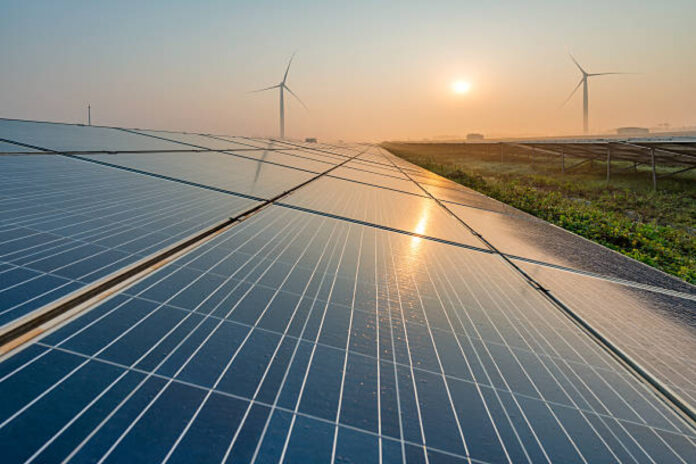
In a move to boost sustainable energy and support local infrastructure, Bhilai Steel Plant (BSP), a flagship plant of Steel Authority of India (SAIL), has announced the construction of a 200-KW elevated solar power plant at the iconic Maitri Bagh Zoo in Chhattisgarh. This project, in collaboration with the Chhattisgarh Renewable Energy Development Agency (CREDA), marks a significant step towards renewable energy adoption in the state, making it the first elevated solar power installation of its kind.

The solar plant will be strategically placed above ground level, using elevated solar panels that allow the space underneath to serve dual purposes. This innovative design will enable outdoor seating areas or storage space, along with the ability to grow fodder for zoo animals, thereby promoting eco-friendly and efficient use of available land. The electricity generated from this solar installation will supply power not only to the zoo but also to the Jawahar Udyan, a neighbouring park. The elevated solar plant, designed to be one of the tallest installations in the region, will produce an impressive 24,000 units of electricity every month, which amounts to 288,000 units annually.

The installation will feature high-efficiency monocrystalline bifacial solar modules, designed to maximize energy production by capturing sunlight from both sides of the panel. This will ensure optimum energy output while occupying a smaller land footprint. The plant’s structure will stand at a height of 3.5 meters in the front and rise to 5.5 meters at the rear, with a total weight of approximately 30 tons. The substantial height and weight of the structure are engineered to ensure stability and durability in the face of various environmental conditions. This ambitious project demonstrates Bhilai Steel Plant’s commitment to harnessing renewable energy sources and contributing to India’s broader clean energy goals.

Asian Paints at 4-Year Low Time for a Rebound in 2025

Asian Paints Growth Slows Amid Housing Demand Shift

Once regarded as a must-have in the portfolios of serious long-term investors, Asian Paints now finds itself languishing at its 4-year low, casting doubt on its immediate prospects. After enjoying dominant performance in the market for years, the company is now battling an industry slowdown, margin pressures, and increasing competition from well-funded players like Birla Opus. Analysts, however, are cautiously optimistic, suggesting that 2025 could potentially mark a comeback year for the stock.

At its peak, Asian Paints was one of the best-performing stocks in the Nifty index, and a key holding for those embracing the buy and forget approach. However, the company’s fortunes have reversed dramatically in recent years. As of the latest trading sessions, the stock has dropped by nearly 37% from its all-time high of Rs 3,590 reached in September 2022, bringing it down to around Rs 2,261. This sharp fall has translated into a Rs 1.3 lakh crore erosion in market value, highlighting the extent of the downturn. Several factors have contributed to this decline, with weak consumption and a decline in volumes in the decorative paints sector being at the forefront. Despite the festive season in October-November, analysts report a likely mid-high single-digit volume decline for the company. In addition, while price hikes of 2.5% were implemented in Q1FY25, analysts have noted that the resulting increase in trade discounts and schemes has negatively impacted pricing, preventing a significant rebound in secondary sales.

Adding to the company’s woes, Birla Opus has emerged as a strong competitor, particularly in large cities, gaining market share even during the current industry slowdown. Dealers have shown enthusiasm towards this new entrant, further limiting Asian Paints’ growth potential in the short term. As a result, firms like ICICI Securities and Nuvama have expressed concerns, with the latter suggesting that Asian Paints could grow more slowly than smaller rivals like Berger Paints and Indigo Paints due to urban slowdown and increased competition. The broader FMCG sector has also faced pressure, with the paint industry being particularly impacted by high valuations and muted earnings growth. As Rahul Shah of Motilal Oswal points out, when growth is limited to 1-2%, it is difficult to sustain high price-to-earnings multiples, especially with heightened competition.

Despite these challenges, some analysts believe that Asian Paints may soon become an attractive option for investors. Experts, including Sandip Sabharwal, predict that 2025 could see the stock hit its bottom, with competitive pressures beginning to ease and demand picking up. Once Birla Opus reaches its market share target, Asian Paints and other players may refocus on profitability, driving a potential recovery in the near future. As ICICI Securities forecasts, there could be a reversal in industry volumes by Q4FY25 or Q1FY26, providing further optimism that the stock may have reached its lowest point and could set the stage for a rebound.

China’s Steel Consumption Forecasted to Drop in 2024-2025

0
China’s Steel Consumption Forecasted to Drop in 2024-2025

According to the China Metallurgical Industry Planning and Research Institute (MPI), China’s steel demand is expected to experience a decline in the coming years. The state-backed research body has forecasted a 1.5% decrease in steel demand for 2025, following a 4.4% decline in 2024. This comes as part of an ongoing adjustment in the country’s steel consumption patterns, which are expected to hit 863 million metric tons in 2024 and drop further to 850 million tons in 2025.

The forecasted drop reflects a slowing demand in the country, which has been grappling with economic restructuring and efforts to reduce overcapacity in certain industrial sectors. A combination of factors, including slower infrastructure development and weaker demand from the construction and manufacturing sectors, are expected to contribute to the reduction in steel consumption. This dip in demand comes despite the ongoing industrial transformation in China, which has led to fluctuations in demand for raw materials. Notably, the weaker outlook for steel demand has led to a slight uptick in the price of iron ore, which has reached a four-week high. A brighter outlook for demand in China’s steel sector has led to renewed interest in iron ore markets, buoying prices as investors look for potential stability.

The steel demand slowdown has far-reaching implications for the global steel market, especially given China’s dominance as a major producer and consumer. The reduction in consumption in China, the world’s largest steel producer, is likely to impact international trade flows and global steel prices. As the country adjusts its industrial output and focuses on sustainable development, these forecasts could shape both domestic and global steel markets in the coming years. As China looks towards green transformation and economic rebalancing, the demand for steel is expected to evolve. Though 2024 and 2025 might see reductions, the longer-term outlook for steel in China could hinge on government policies aimed at modernisation, environmental goals, and infrastructure initiatives in future years.

Jaypee Homebuyers Seek NCLT Action as Construction Stalls

    0
    Jaypee Homebuyers Seek NCLT Action as Construction Stalls
    Jaypee Homebuyers Seek NCLT Action as Construction Stalls

    Jaypee Homebuyers Seek NCLT Action as Construction Stalls

    Jaypee Infratech Ltd (JIL) homebuyers have filed a petition with the National Company Law Tribunal (NCLT), raising serious concerns over Suraksha Group’s failure to fulfil its promises under the resolution plan. Despite the plan’s approval in March 2023 and its subsequent upholding by the appellate tribunal in May 2023, construction on the stalled projects has yet to resume, leaving buyers frustrated and seeking legal intervention.
    Members of the Jaypee Infratech Real Estate Allottees Welfare Society (JREAWS) allege that Suraksha, which took over JIL through insolvency proceedings, has failed to mobilise the promised Rs 3,000 crore needed for construction. They also claim the company has not deployed workers, established escrow accounts, or followed through on other stipulations set forth in the resolution plan. According to the approved plan, Suraksha was meant to resume construction within 90 days, but no progress has been made in almost a year. Ashish Mohan Gupta, president of JREAWS, stated that despite Suraksha’s promises to expedite construction from the fourth month after the plan’s approval, all work has ceased. Of the 97 towers across nine projects, tenders for only 41 towers were floated by August 2024, and construction on the remaining 56 towers is still pending. The petition also highlights the resignation of key managerial personnel in Suraksha, including the CEO and executive director, further complicating the situation. Homebuyers have also expressed concerns about increased administrative charges, with the company demanding more than Rs 8,000 per square foot for unsold units, a stark contrast to the Rs 4,575 estimate set out in the resolution plan.
    Additionally, the buyers allege that Suraksha has not shared a structural audit report conducted by IIT-Delhi, raising safety concerns about the ongoing projects. Despite Suraksha’s claims of securing funding for the projects, including a Rs 125 crore debt facility and Rs 3,000 crore credit line, construction has remained at a standstill. The next hearing is scheduled for January 8, 2025, as the homebuyers continue to press for accountability and timely delivery of their long-awaited homes.

    Govt Approves Rs 85 Cr for J&K Education Reforms

      0
      Govt Approves Rs 85 Cr for J&K Education Reforms
      Govt Approves Rs 85 Cr for J&K Education Reforms

      Govt Approves Rs 85 Cr for J&K Education Reforms

      The higher education in Jammu & Kashmir, the Central Government has sanctioned nine projects worth Rs 85 crore under the Pradhan Mantri Uchchatar Shiksha Abhiyan (PM-USHA). This initiative, approved during the third Project Approval Board (PAB) meeting on December 20, 2024, underscores the government’s mission to foster inclusivity, gender equity, and academic excellence in the region.
      The projects include Rs 20 crore allocated to Baba Ghulam Shah Badshah University in Rajouri for infrastructure upgrades. Additionally, five girls’ hostels will be established in Bandipora, Baramulla, Kulgam, Ramban, and Udhampur, each receiving Rs 10 crore. This step aims to provide safe and accessible housing for female students, ensuring gender equity in education. Three government degree colleges in Bandipora, Sogam Kupwara, and Nowshera will receive Rs 5 crore each for infrastructure development, improving facilities for students in underserved areas. These initiatives align with the National Education Policy (NEP) 2020, which prioritises equitable access to quality education and envisions a multidisciplinary learning environment. For students like Ayesha Bhat from Bandipora, these changes signify a brighter future. “The new hostel means I can focus on my studies without worrying about daily travel. This step makes education more accessible for girls like me,” she shared. Parents and local communities are equally optimistic, seeing these investments as a way to bridge long-standing regional disparities.
      The Higher Education Department of Jammu & Kashmir had proposed a comprehensive plan for 47 institutions with an estimated cost of Rs 585 crore. To date, 18 institutions have been funded under PM-USHA, amounting to Rs 155 crore across three PAB meetings in 2024. These projects reflect a broader vision of leveraging education as a driver of socio-economic transformation. Future plans under PM-USHA include curriculum reform, accreditation upgrades, and employability enhancement to align with global standards. Officials believe these measures will equip students with the skills necessary for the modern workforce. “We are committed to building an education system that anticipates future needs while addressing current challenges,” an official noted. As the region witnesses these transformative developments, residents are hopeful that improved infrastructure and inclusivity will empower students to contribute meaningfully to national and global progress. The focus remains on bridging gaps and preparing a robust education ecosystem for generations to come.

      Bharat Mobility Global Expo 2025 shaping the future of mobility innovation

        0
        Bharat Mobility Global Expo 2025 shaping the future of mobility innovation
        Bharat Mobility Global Expo 2025 shaping the future of mobility innovation

        Bharat Mobility Global Expo 2025 shaping the future of mobility innovation

        The Bharat Mobility Global Expo 2025, scheduled for January 17-22, promises to be a groundbreaking event, reflecting India’s expanding leadership in the global mobility sector. With over 1,500 exhibitors and more than 500,000 visitors expected, the Expo will cover over 200,000 square meters across three major venues in Delhi NCR, including Bharat Mandapam, Yashobhoomi in Dwarka, and the India Expo Centre & Mart in Greater Noida.
        The Expo, a key initiative led by India’s Ministry of Commerce and Industry, is set to showcase the latest innovations in the automotive and mobility sectors. With nine concurrent specialized shows, it will focus on areas such as electric vehicles (EV), connected technologies, sustainable transportation, and alternative fuels. Visitors will be able to explore a range of cutting-edge technologies, including autonomous vehicles, drones, and smart infrastructure solutions. One of the most anticipated highlights is the unveiling of new electric and hybrid vehicles by major manufacturers, including Ather Energy, Ola Electric, and international companies like Vietnam’s Vinfast. In addition, over 800 auto component manufacturers will display their products, including advancements in EV infrastructure and battery technology.
        The Expo is also set to feature dedicated country pavilions from global players like Germany, the UK, South Korea, and Japan, creating a unique platform for international collaboration. With over 34 vehicle manufacturers showcasing new models, the event promises to be a milestone for India’s growing role in the global automotive ecosystem.
        Piyush Goyal, Union Minister of Commerce & Industry, emphasized that the event reflects India’s vision to become a global hub for mobility innovation, with the theme ‘Beyond Boundaries: Co-Creating the Future of the Automotive Value Chain.’ He highlighted the importance of scaling EV production to achieve cost-effectiveness and sustainability, urging participants to engage with international players and invest in India’s thriving growth story.
        The Bharat Mobility Global Expo 2025 is set to be a pivotal event, bringing together key stakeholders to shape the future of mobility and reinforce India’s position as a leader in innovation, technology, and sustainable transportation.

        Pune real estate sees 11% November dip, strong YTD growth

        0
        Pune real estate sees 11% November dip, strong YTD growth
        Pune real estate sees 11% November dip, strong YTD growth

        Pune real estate sees 11% November dip, strong YTD growth

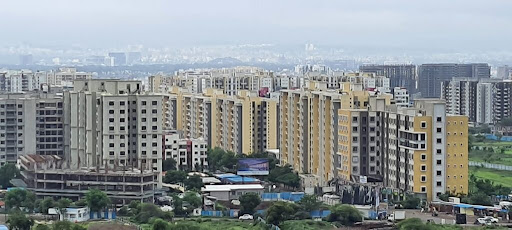
        In November 2024, Pune’s real estate market experienced an 11% year-on-year decline in property registrations, recording 13,371 transactions, alongside a 2% dip in stamp duty collections, totalling ₹475 crore. Comparatively, October 2024 saw a festive surge, registering 20,894 properties and generating ₹751 crore, marking a significant month-on-month drop of 36% in registrations and 37% in revenue. However, according to Knight Frank India, the performance aligns with the monthly average for FY24, excluding October’s outlier figures, suggesting market stability despite the November slowdown.

        The year-to-date (YTD) performance highlights Pune’s resilience, with property sales surpassing 1.72 lakh units in the first 11 months of 2024, reflecting a 25% increase compared to 2023. Stamp duty collections also soared by 35%, exceeding ₹6,479 crore. Analysts credit this growth to Pune’s affordability, robust infrastructure development, and a cultural inclination toward homeownership. Central areas such as Haveli Taluka, Pune Municipal Corporation (PMC), and Pimpri Chinchwad Municipal Corporation (PCMC) accounted for 81% of transactions, despite a slight dip in market share as peripheral regions gained traction due to new developments.

        Pune’s luxury housing segment witnessed notable growth, with homes priced above ₹1 crore rising from 12% of transactions in November 2023 to 16% in November 2024. Meanwhile, properties in the ₹50 lakh to ₹1 crore range remained the most sought-after. West Pune, comprising Mawal, Mulshi, and Velhe, emerged as a key growth area, while central locations retained dominance, illustrating evolving buyer preferences towards premium and lifestyle-driven housing options.

        Sustainability remains a cornerstone of Pune’s real estate strategy. The city’s ongoing infrastructure projects, coupled with an emphasis on eco-friendly construction and community-focused planning, underline its commitment to sustainable urban growth. As Pune continues to adapt to market dynamics, its blend of affordability, innovation, and green initiatives positions it as a model for resilient urban development.

        Bengaluru leads India’s office leasing market with mega deals in 2024

        0
        Bengaluru leads India’s office leasing market with mega deals in 2024
        Bengaluru leads India’s office leasing market with mega deals in 2024

        Bengaluru leads India’s office leasing market with mega deals in 2024

        Bengaluru reaffirmed its dominance in India’s commercial real estate market in 2024, accounting for 30% of the country’s total leasing activity in the first nine months. A staggering 12.2 million square feet of office space was transacted in the city in H1 2024, driven by tech giants, global banks, and flexible office providers. This surge reflects Bengaluru’s growing appeal as a hub for business innovation and its role in shaping India’s economic narrative.

        One of the key highlights of the year was Table Space’s acquisition of a 5.5-lakh-square-foot Grade A property, Kalyani Camellia, in Whitefield for ₹500 crore. Strategically located near two prime micro-markets, Whitefield and Outer Ring Road (ORR), the LEED Gold-certified building demonstrates the city’s focus on sustainable, world-class infrastructure. Similarly, JP Morgan Services India leased 5.6 lakh square feet in Embassy TechVillage for seven years, showcasing the IT capital’s global appeal. This high-value transaction underscores Bengaluru’s position as a magnet for international corporations.

        Adding to the momentum, ANZ Support Services extended its lease on a 6 lakh-square-foot property at Embassy Manyata Business Park for a monthly rent of ₹5.94 crore. The deal incorporated a significant escalation clause, reflecting confidence in the city’s long-term growth. Meanwhile, Honeywell Technology Solutions renewed its lease on a sprawling 5.9 lakh-square-foot office space in RMZ Ecoworld. These renewals highlight the trust that corporate giants place in Bengaluru’s dynamic ecosystem.

        Bengaluru’s rise is also tied to sustainability. LEED-certified properties and smart infrastructure have made the city a leader in eco-conscious real estate. However, the growth also places demands on civic infrastructure, calling for balanced urban planning. Policymakers must address traffic congestion and urban sprawl to sustain Bengaluru’s trajectory as India’s commercial beacon.


        Global Steel Wind Tower Market Growth Soars

        0
        Global Steel Wind Tower Market Growth Soars
        Global Steel Wind Tower Market Growth Soars

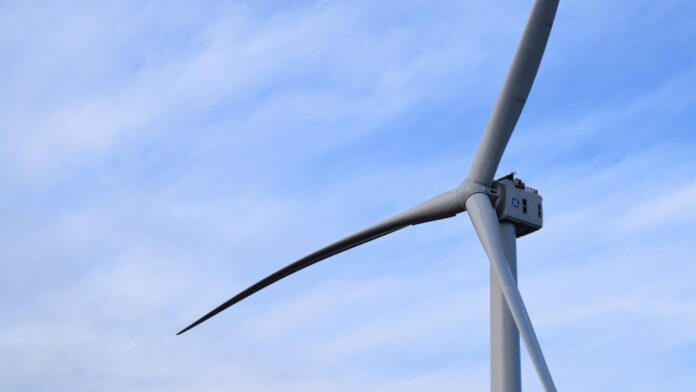
        The steel wind tower market is experiencing impressive growth as global efforts to transition to renewable energy accelerate. The market, valued at USD 29.04 billion in 2023, is expected to grow to USD 39.97 billion by 2032, reflecting a robust CAGR of 4.67% over the next decade. This surge is primarily driven by an increased focus on sustainable energy solutions and the expanding demand for wind energy infrastructure.

        Steel wind towers, which play a pivotal role in supporting wind turbines, are typically made from high-strength steel to ensure structural integrity at great heights. These towers are essential for placing turbines at optimal elevations to capture the most powerful wind currents, facilitating efficient energy production. The global shift towards renewable energy has been a significant catalyst for the market’s growth, as countries look for sustainable alternatives to fossil fuels. Several factors are contributing to the increasing demand for steel wind towers. Government policies, particularly in regions like North America and Europe, are heavily supporting the expansion of wind farms through incentives and funding. Additionally, the continuous improvement in wind turbine technology is leading to the development of larger, more efficient turbines that require more substantial and technologically advanced wind towers. This has spurred innovation in steel production and engineering to meet these evolving needs.

        The market is further buoyed by the growing adoption of smart technologies in the sector. These include monitoring systems that track turbine performance and materials designed to reduce corrosion, which enhance the longevity and efficiency of wind towers. Furthermore, emerging markets in the Asia-Pacific region are contributing to the expanding demand for wind energy solutions, further propelling the growth of the steel wind tower market. Key players in the industry, including Valmont Industries, Broadwind Energy, Siemens Gamesa, and Suzlon Energy, are capitalising on this demand. As the world continues to embrace green energy solutions, the steel wind tower market is set to play a crucial role in the global shift towards sustainable energy, contributing significantly to reducing carbon emissions and combating climate change. The robust growth of this market highlights the critical role steel plays in shaping the future of renewable energy, and companies in this space are well-positioned to capitalise on this long-term trend.

        Kazakhstan Cuts Steel Production by 6.4% in November 2024

        0
        Kazakhstan Cuts Steel Production by 6.4% in November 2024
        Kazakhstan Cuts Steel Production by 6.4% in November 2024

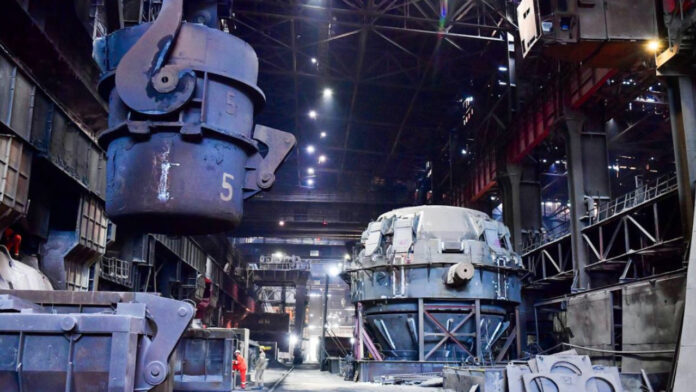
        In November 2024, Kazakhstan’s steel production experienced a 6.4% month-on-month decline, with 322,000 tons of steel produced, as reported by the Statistical Committee of the Ministry of Economy. This reduction marks a setback for the country’s steel sector, although steel output showed a 4.2% increase compared to November 2023, reflecting a year-on-year growth trend.

        The production of flat products in November also saw a decrease, falling to 205,000 tons, which was down 3.8% from the previous month and 17.7% from the same period in 2023. Despite the monthly decline, Kazakhstan’s steel sector showed overall positive growth for the year. In the January-November 2024 period, steel production increased by 10%, totaling 3.8 million tons, compared to the same period in 2023. Flat product output rose by 18.6%, reaching 2.67 million tons. In 2023, Kazakhstan’s steel production grew by 16.4% year-on-year, reaching 3.92 million tons, while the production of flat products saw a decline of 3.6%, totaling 2.45 million tons.

        Meanwhile, Qarmet Steel, one of Kazakhstan’s key producers, produced 3 million tons of steel during the first 10 months of 2024. The company plans to increase its annual steel production to 3.5 million tons by the end of 2024, up from 2.9 million tons in 2023, and expects a 10% increase in iron ore concentrate production, although coal production is expected to decline by 2%. The Kazakh investor behind the steel plant has pledged to invest $3 billion in modernizing production facilities and improving the region’s environmental sustainability, with $1.3 billion allocated for investment in 2024.