Home Blog Page 429

Steel Stocks Gain Up to 2% on Safeguard Duty Investigation Over Rising Imports

0
Steel Stocks Gain Up to 2% on Safeguard Duty Investigation Over Rising Imports

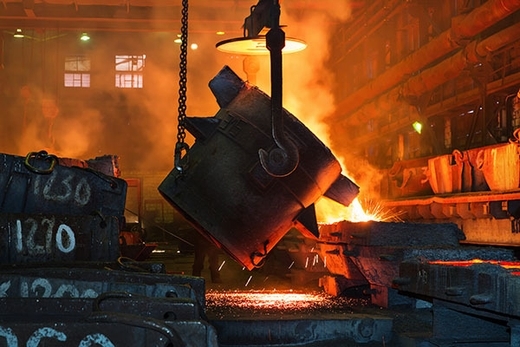
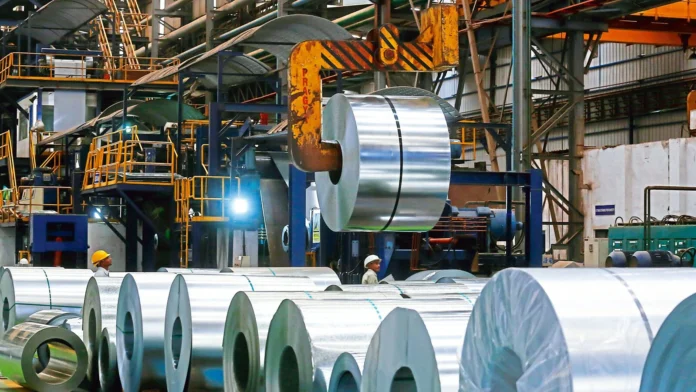
Shares of leading steel manufacturers, including JSW Steel, Tata Steel, Jindal Steel and Power, and Steel Authority of India (SAIL), saw significant gains of up to 2% on Monday, December 23, as the Indian government launched an investigation into a surge in imports of certain steel flat products. JSW Steel saw its shares rise by 2%, trading at ₹935.45 per share on the NSE, while Tata Steel also climbed 2% to ₹143.42. Similarly, SAIL experienced a 1.5% increase, trading at ₹117.94 per share. This rally follows a key development: the Directorate General of Trade Remedies (DGTR), under the Ministry of Commerce, initiated a probe into the alleged surge in imports of Non-Alloy and Alloy Steel Flat Products, which are widely used in industries such as construction, automobile, pipes, capital goods, and electrical panels.

The investigation was spurred by a formal complaint from the Indian Steel Association (ISA), which represents prominent industry players, including ArcelorMittal Nippon Steel India, JSW Steel, Jindal Steel and Power, and SAIL. The ISA has requested the imposition of safeguard duties on these imports, citing a “sharp, sudden, and significant” rise in steel imports, which, they allege, have caused “significant injury” to the domestic industry. In their application to the DGTR, the ISA claimed that the increase in imports has had a damaging impact on the domestic steel sector, particularly affecting the production of non-alloy and alloy steel flat products. These products are critical to multiple sectors, including fabrication, auto manufacturing, tractor production, and bicycle manufacturing, and any disruption in supply or unfair pricing can harm India’s domestic producers. The DGTR will examine import data from October 2023 to September 2024 and review the broader trend from 2021 to 2024 to determine the cause of the spike and the degree of injury to the Indian industry.

The inquiry will assess whether the safeguard measures, including potential duties or quantitative restrictions, are necessary to level the playing field and protect domestic manufacturers from injury caused by the rising imports. In previous sessions, steel stocks had been under pressure due to the increasing import volumes. However, the start of the government probe has sparked optimism among investors that protective measures, such as safeguard duties, could offer relief to the sector by curbing the influx of cheaper imported steel products. Safeguard duties, which are in line with World Trade Organization (WTO) rules, are trade remedies used by member countries when a sudden increase in imports threatens domestic industries. If imposed, these duties would provide a temporary buffer to the domestic steel industry, ensuring a fairer competitive environment.
Kalyani Steel Struggles with Rising Costs and Import Challenges

0
Kalyani Steel Struggles with Rising Costs and Import Challenges

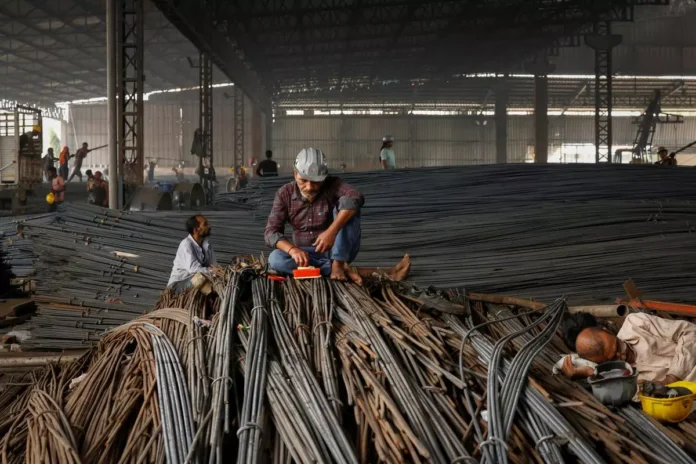
Pune-based Kalyani Steel, a key player in India’s iron and steel forging sector, is facing significant financial headwinds. As input costs rise and the market is flooded with cheap imports, the company’s margins and revenue growth have come under pressure. According to RK Goyal, Managing Director of Kalyani Steels, the company expects flat revenues for 2025, with no significant increase in earnings before interest, taxes, depreciation, and amortisation (EBITDA).

Kalyani Steel’s challenges are primarily driven by escalating input costs, particularly iron ore prices, which have surged by nearly ₹1,000 per tonne, reaching ₹1,700-₹1,800 per tonne. Additionally, the depreciation of the Indian rupee has exacerbated the cost of essential imports, including ferroalloys and refractories, adding a cumulative ₹3,000 per metric tonne to the company’s expenses. With the state of Karnataka proposing a rise in iron ore duties, costs are expected to climb even further. Despite a strong demand from sectors like passenger cars and two-wheelers, which are critical for Kalyani Steel’s operations, the company has been impacted by cheap imports from countries like China and Free Trade Agreement (FTA) nations, which are driving down prices and, in turn, compressing margins. Goyal has voiced concerns about the detrimental impact of these imports, urging for comprehensive action from the government.

In this context, India’s proposed safeguard duties, which are currently under investigation, could offer a glimmer of hope for the steel industry. However, while the proposed duties focus on flat products such as hot-rolled coils and sheets, Goyal has called for an expansion of the scope to include specialty steel and long products—segments critical to Kalyani Steel’s portfolio. Despite the challenges, Goyal remains optimistic about demand growth, particularly in light of the government’s push for infrastructure development and corporate capital expenditure (capex). However, Kalyani Steel is already operating at 100% capacity, meaning any substantial revenue growth appears unlikely in the short term.

As Goyal explains, the future of Kalyani Steel’s EBITDA margins will depend heavily on the sentiment in the steel market and the effective implementation of safeguard duties. For now, Kalyani Steel remains committed to maintaining its strong market position, but without significant relief from rising costs and imports, its growth prospects will continue to face significant challenges. The company, which has seen its market capitalisation surge by 151% over the past year to reach ₹4,959 crore, continues to grapple with broader industry pressures while seeking to navigate the current economic landscape.

TVS Emerald Expands Chennai Presence with Rs 2,800 Crore Real Estate Project

0
TVS Emerald Expands Chennai Presence with Rs 2,800 Crore Real Estate Project

TVS Emerald Expands Chennai Presence with Rs 2,800 Crore Real Estate Project

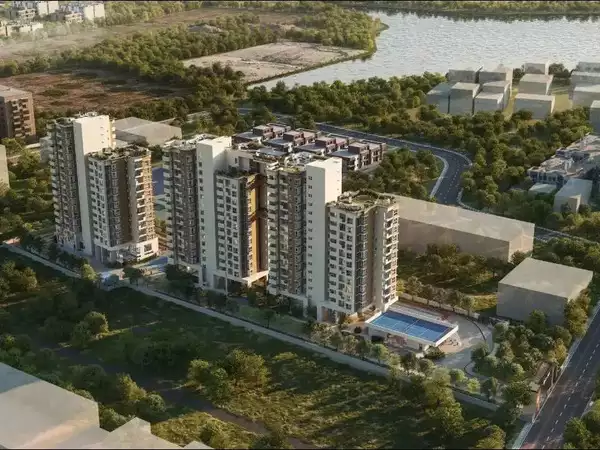
TVS Emerald, a leading player in India’s real estate sector, has made another strategic move to fortify its presence in Chennai. The company has acquired a 12-acre parcel on Radial Road, one of the city’s premium corridors, for a landmark real estate development project valued at Rs 2,800 crore. This acquisition, the third in the current fiscal year, underlines TVS Emerald’s aggressive growth strategy in high-potential urban markets like Chennai and Bengaluru.

The upcoming project will feature 2.5 million square feet of developable space, cementing TVS Emerald’s position as a key developer in the city. Sriram Iyer, Director and CEO of TVS Emerald, expressed optimism, stating, “This landmark acquisition reinforces our commitment to strategic growth and market leadership in Chennai and Bengaluru.” He added that the project aligns with the company’s vision of creating world-class properties while delivering value to stakeholders.

From a sustainability angle, the project promises to uphold TVS Emerald’s track record of developing eco-friendly residential communities. The company’s portfolio, which includes 3.6 million square feet of completed developments and 8.6 million square feet of ongoing projects, focuses on creating self-sustaining communities. By incorporating sustainable construction practices and green building technologies, the new project is expected to enhance the liveability quotient of the Radial Road corridor.

This move comes amid increasing urbanisation in Chennai, where the demand for quality housing is on the rise. However, such large-scale developments bring urban challenges, such as increased pressure on civic infrastructure. Experts urge stakeholders to prioritise collaborative planning to balance growth with sustainable urban development. TVS Emerald’s proactive approach to addressing these challenges could set a benchmark for other developers in the region.

National Sustainable Steel Association Launched to Address Sector Challenges

0
National Sustainable Steel Association Launched to Address Sector Challenges

In a significant move to address the challenges facing India’s secondary steel producers, a new national-level apex industry body has been established: the National Sustainable Steel Association (NSSA). The formation of this association marks a concerted effort by secondary steel producers, who contribute nearly 40% of the country’s steel production, to unite their fragmented voices and push for better industry policies and greater representation in government discussions.

The initiative comes at a time when the steel sector is grappling with a growing divide between primary steel manufacturers, who have been advocating for protection from cheap imports through safeguard duties, and the secondary steel sector, which faces its own set of challenges, including access to raw materials and funding for modernization. The government has already initiated steps toward introducing safeguard duties to protect primary steel makers, but secondary steel producers are seeking their own relief through the new association. The NSSA, headquartered in Delhi, aims to work as a unified voice to represent over 5,000 small and medium-sized secondary steel producers, many of whom have struggled to make an impact individually. According to Vijay Jhawar, the President of NSSA, the association’s mission is clear: to address critical issues within the sector and push for government policies that will benefit all stakeholders. “This is just the beginning of our mission to advocate for the entire steel industry,” Jhawar said, emphasizing the need for a collective effort to create a stronger voice for secondary steel units.

One of the key focuses of the NSSA will be ensuring consistent and affordable access to raw materials for its members, including direct reduced iron (DRI) units, electric arc furnaces (EAFs), and re-rolling mills. The sector is also eager to implement advanced technologies that could improve productivity and sustainability while expanding market reach. Another important agenda for the association will be working closely with the government to develop industry-friendly policies, which would help stimulate growth and tackle long-standing challenges.

However, the secondary steel sector has faced significant hurdles. It currently struggles with insufficient raw materials supply and a funding crunch for essential upgrades and modernisation. These challenges have led to a steep decline in the sector’s share of the country’s overall steel production, which has dropped from 57% in 2015 to 37% in 2023. As a result, the NSSA plans to build its membership base, with an initial target of 2,500 members nationwide in the first phase. The secondary steel sector is vital to the Indian economy, not only due to its size but also because of its role in providing affordable steel for various industries. By coming together under the NSSA, these producers hope to address the challenges they face more effectively, secure better policy frameworks, and ultimately revive their shrinking market share in the country’s growing steel industry.

India Cements Sees 11% Spike as UltraTech Cement Takes Major Stake

UltraTech Cement Announces Leadership Transition Plan

Shares of India Cements saw a remarkable surge of 11% during early trading on Monday, following the approval of UltraTech Cement Ltd’s acquisition of a controlling stake in the company by the Competition Commission of India (CCI). The approval signals a significant step forward for UltraTech Cement, a subsidiary of Grasim Industries Ltd, in its strategy to increase its market dominance in the Indian cement industry.

Under the approved deal, UltraTech Cement will acquire a 32.72% stake in India Cements from the company’s promoters, members of the promoter group, and Sri Saradha Logistics Private Limited. In addition to the promoter stake acquisition, UltraTech will also make an open offer to purchase up to 26% more of India Cements’ paid-up equity share capital. This will bring UltraTech’s total potential shareholding in India Cements to nearly 59%, effectively giving it majority control of the company. The CCI, in a press release issued on December 20, confirmed that the proposed combination meets regulatory standards and does not create unfair competition in the market. The commission’s approval is a key step in allowing the deal to proceed, with UltraTech Cement complying with the regulatory requirements related to the acquisition of stakes beyond a certain threshold.

UltraTech Cement, a leader in the manufacturing and sale of grey cement, white cement, and ready-mix concrete, is already a major player in India’s cement sector. India Cements, on the other hand, operates in the grey cement and ready-mix concrete segments, with a strong foothold in the southern region of the country. The deal will enhance UltraTech’s capacity to expand its market share and strengthen its presence in the competitive Indian cement market. This move is seen as part of UltraTech’s ongoing strategy to consolidate its position in the industry. By securing a controlling stake in India Cements, UltraTech will be better positioned to achieve synergies, optimize operations, and enhance its market penetration, all while complying with antitrust regulations to maintain a fair competitive environment.

Kanpur KMC Demolishes 180 Illegal Structures, Including 25 Permanent Constructions

0
Kanpur KMC Demolishes 180 Illegal Structures, Including 25 Permanent Constructions

Kanpur KMC Demolishes 180 Illegal Structures, Including 25 Permanent Constructions

Kanpur Municipal Corporation (KMC) has intensified its efforts to remove illegal encroachments across the city, demolishing around 180 structures, including 25 permanent constructions. The crackdown, spearheaded by KMC Mayor Pramila Pandey, focused on various areas in the city known for rampant illegal construction.

The demolition operation began on Saturday, covering areas from Bhairav Ghat crossing to KD Palace, and included parts of the Gwaltoli region. Official sources revealed that during the operation, the enforcement wing confiscated four trucks’ worth of household possessions belonging to the encroachers. These goods were seized as part of the city’s commitment to clearing illegally occupied land. This is the second such operation within a span of just two days. On Friday, KMC had already demolished 120 structures, including 40 pucca (permanent) illegal constructions, along the Sisamau Nullah. Despite facing resistance from some local residents, the Mayor remained firm, reiterating that unlawful structures would not be tolerated and would continue to be demolished.

In her address, Mayor Pramila Pandey emphasized that the KMC’s operation would not cease until all illegal structures, whether kuchcha (temporary) or pucca, were removed from critical areas such as the Sisamau drain. She issued a stern warning to residents, urging those occupying illegal spaces to vacate voluntarily, as KMC would enforce demolitions and impose penalties on violators. The mayor’s inspection didn’t end with the demolition operation. She also visited the Beconganj locality to investigate closed temples in the area. According to a recent KMC survey, over 120 temples, mostly situated in Muslim-majority areas, had been shuttered. The mayor was particularly concerned about the temples in Sunar Wali Gali, where reports indicated that more than a dozen temples had been closed off and occupied illegally.

Upon inspecting these sites, Mayor Pandey discovered that several temples had been encroached upon, with unauthorized constructions blocking access to the premises. After attempting to break the locks on the shuttered temples, the mayor called on local residents to dismantle the illegal structures encroaching on temple land. The Mayor also visited the Radha Krishna temple in the locality, which had been illegally occupied but was cleared during the operation. However, she found that the temple premises were in a state of neglect and deterioration. Pandey assured the public that the temple would be fully restored and reopened, signaling the KMC’s commitment to safeguarding religious sites from illegal occupation.

The KMC’s aggressive stance against encroachment is part of its broader strategy to improve the city’s infrastructure and urban planning. The ongoing operations aim to make Kanpur a cleaner, more organized city, free from unauthorized constructions that disrupt urban development. The municipal corporation has made it clear that the demolition operations will continue until all illegal structures across the city are removed, and penalties for violations will be enforced. With these decisive actions, KMC seeks to not only reclaim public spaces but also send a strong message about its zero-tolerance policy toward illegal encroachments. s the demolition campaign progresses, the residents of Kanpur are urged to comply with the city’s regulations to avoid further legal consequences.

Nargis Dutt Nagar Redevelopment to Draw Rs 10,000 Crore Investment in Luxury Housing and Slum Rehabilitation

Nargis Dutt Nagar Redevelopment to Draw Rs 10,000 Crore Investment in Luxury Housing and Slum Rehabilitation

Nargis Dutt Nagar Redevelopment to Draw Rs 10,000 Crore Investment in Luxury Housing and Slum Rehabilitation

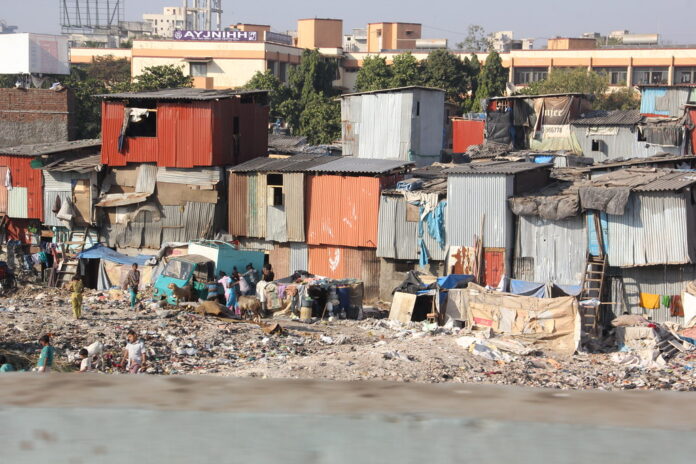
The redevelopment of Nargis Dutt Nagar, Mumbai’s largest slum enclave located in Bandra (W), is set to become a major real estate development project, with an estimated investment potential of Rs 10,000 crore. This ambitious project aims to not only rehabilitate over 1,500 slum families but also introduce a luxury residential component in the heart of one of Mumbai’s most sought-after locations.

According to property market experts, the sale component of the redevelopment project, covering about 10 lakh square feet, is expected to be worth around Rs 10,000 crore. The project is a joint venture between Omkar Developers, who will manage the rehabilitation of slum dwellers, and Godrej Properties, which will take charge of the luxury residential towers. Omkar will provide free housing to the slum families on a portion of the land, with a construction area of about 5.4 lakh square feet dedicated to their rehabilitation. The company is working in collaboration with Godrej Properties, which will develop the remaining land into high-end residential towers offering 3 and 4 BHK apartments. The luxury residences will cater to the city’s affluent market, capitalizing on the prime location in Bandra.

In addition to the residential towers, the project also promises substantial infrastructure improvements for the local community. As part of the redevelopment, a new D P Road will be constructed adjoining the project site, which will help ease traffic congestion in the area. The project will also include welfare amenities like balwadis, healthcare centers, libraries, community halls, and religious structures, all in compliance with the Slum Rehabilitation Authority (SRA) norms. While the development promises to bring significant improvements to the area, it has not been without controversy. Some residents of Nargis Dutt Nagar have expressed concerns about the transparency and fairness of the rehabilitation process. Nehal Khan, a local resident, claimed that slum dwellers have been kept in the dark about the redevelopment. He alleged that the administrator appointed by the SRA has been in charge for over five years and that no elections had been held to appoint a new society, leaving residents worried about being left out of the rehabilitation process.

The developer, however, has assured that the process is proceeding as per SRA guidelines. A spokesperson for Omkar and Godrej clarified that the Slum Rehabilitation Authority (SRA) issued a revised letter of intent on September 13, 2024, confirming the eligibility of 1,515 tenants for rehabilitation. The spokesperson added that Roshni Developers, responsible for facilitating the eligibility process, is following all stipulated norms regarding tenant eligibility and compliance. Historically, Nargis Dutt Nagar was established in the 1980s, and earlier attempts to remove the slums were met with resistance, particularly from the late Congress MP Sunil Dutt. Despite the challenges, the redevelopment project is now poised to transform the area, making it a major urban landmark while improving the living conditions for thousands of slum dwellers.

The Nargis Dutt Nagar redevelopment is a significant step towards addressing Mumbai’s housing crisis, with a mix of luxury housing for the city’s elite and rehabilitation for the underprivileged. The project is expected to enhance the local economy, create new job opportunities, and contribute to the overall urban development of Mumbai’s western suburbs. As the project moves forward, stakeholders are hopeful that the transparent and well-executed redevelopment will provide a model for future slum rehabilitation projects across Mumbai. With a projected investment of Rs 10,000 crore and long-term benefits for both the community and investors, Nargis Dutt Nagar’s transformation into a modern residential and commercial hub is poised to reshape the Bandra skyline and improve the quality of life for its residents.

HDMC to Conduct Inspection at Aryabhata Tech Park to Verify Land Use

0
HDMC to Conduct Inspection at Aryabhata Tech Park to Verify Land Use

HDMC to Conduct Inspection at Aryabhata Tech Park to Verify Land Use

The Hubballi-Dharwad Municipal Corporation (HDMC) has initiated plans to inspect the Aryabhata Tech Park (ATP), located near Navanagar, in response to concerns regarding the underutilization of land allocated to IT-BT companies. The 26-acre park, which houses 10 companies in two phases of land allotment, has come under scrutiny after allegations surfaced about improper land use, potentially leading to land withdrawals from some of the companies involved.

The inspection comes after former mayor Iresh Anchatgeri and several members of the civic body raised alarms about the slow progress of some companies, citing inadequate land utilization and incomplete operations. At the heart of these concerns are companies like Diksha Technologies, which received three acres of land at Rs 10 lakh per acre in 2008-09. Despite the initial investment, Diksha Technologies failed to meet the terms set by the HDMC and has not utilized the land as intended. In 2021, HDMC administrators considered canceling the allocation, but the general body reached a different decision in February, and the issue remains unresolved. Another company, Ion Idea Enterprises Solutions Pvt Ltd, which was allotted 1.2 acres in 2023, requested a cancellation of its land allocation, citing unsuitable terrain for construction. This has raised further questions about the viability of the land parcels in the tech park and the ability of companies to develop the space as promised. In response, HDMC Mayor Ramanna Badiger announced the formation of a house committee, comprising opposition leader Raju Kamati, floor leader Veeranna Savadi, and former mayor Iresh Anchatgeri, to assess the situation. The committee’s task will be to verify whether the companies are complying with the terms of their land allotment agreements, such as meeting investment and employment targets, and whether they have developed infrastructure as required. The panel will also check if the companies have started operations within the stipulated time frame.

“The committee will thoroughly assess the land use and determine whether the companies have adhered to the agreements. If any violations or non-compliance are found, appropriate action will be taken,” said Badiger. The inspection will ensure that the public resources are being used efficiently and transparently, in line with the city’s long-term development goals.

The findings from the HDMC inspection will play a crucial role in determining the future of the tech park. If any land withdrawals or cancellations are made, the process will likely pave the way for re-allocation to companies ready to use the land effectively. The inspection is expected to improve the overall transparency and accountability at ATP, ensuring that the park can realize its full potential as a hub for technology and business development. For the city of Hubballi and the surrounding region, the inspection is an important step in ensuring that investment and land use are aligned with economic growth targets. As the tech park continues to evolve, these measures will help ensure that it remains a viable and successful location for businesses, contributing to the city’s industrial growth and providing employment opportunities to local communities.

Andhra Pradesh to Expand Sri City with 2,000 Acres of Additional Land for Industrial Growth

    0
    Andhra Pradesh to Expand Sri City with 2,000 Acres of Additional Land for Industrial Growth
    Andhra Pradesh to Expand Sri City with 2,000 Acres of Additional Land for Industrial Growth

    Andhra Pradesh to Expand Sri City with 2,000 Acres of Additional Land for Industrial Growth

    Sri City, a flourishing integrated business city located on the border of Andhra Pradesh and Tamil Nadu, is set for a significant expansion. The Andhra Pradesh government has decided to allocate an additional 2,000 acres of land to Sri City, further enhancing its industrial capacity and growth potential. This move comes after 16 years of rapid industrial development, which has transformed Sri City from an underdeveloped region into one of Asia’s most successful models of industrial progress.

    Initially, in 2008, the Andhra Pradesh government allocated 8,000 acres of land for Sri City, located near Satyavedu and Varadaiahpalem mandals in Tirupati district. Since then, Sri City has become a hub for multinational corporations, housing 220 companies from 30 countries. These companies span various industries, including automotive, manufacturing, and consumer goods. Major industry players like Mondelez International, Colgate Palmolive, Alstom Transport, Hero MotoCorp, and Apollo Tyres have established operations here, contributing to Sri City’s cumulative exports reaching $4 billion and investments worth $4.5 billion. One of the most notable aspects of Sri City’s growth is its focus on local employment. Out of the approximately 62,000 people employed in the various industries at Sri City, a remarkable 95% of the workforce is from local villages. This has not only provided employment opportunities for the local population but has also contributed to the region’s socio-economic development.

    Chief Minister N. Chandrababu Naidu, recognizing the tremendous growth potential of Sri City, recently inaugurated 15 industrial units that attracted a total investment of Rs 1,570 crore. In line with the state government’s industrial growth strategy, the Chief Minister has directed officials to acquire an additional 2,000 acres of land for Sri City’s expansion. This new land will be located near Padirikuppam and the surrounding areas, which are strategically positioned to further strengthen the city’s infrastructure and industrial capacity.

    The decision to expand Sri City aligns with the state government’s broader goals to boost industrial growth and create employment. The Andhra Pradesh government is focused on generating 20 lakh jobs over the next five years by attracting more investments and improving the industrial landscape in the state. The expansion of Sri City plays a crucial role in realizing this ambitious goal, providing space for more industries and fostering economic development. The additional land will also pave the way for infrastructure improvements, including better transportation links and enhanced logistics capabilities, which are vital for the continued success of the business city. As Sri City continues to grow, it is expected to attract further investment and become an even more significant player in the Indian and global industrial markets. From a real estate perspective, the expansion of Sri City is a key development for the region. As the industrial area grows, there will be a surge in demand for residential and commercial spaces to accommodate the influx of workers and businesses. This will likely lead to increased property development opportunities, driving the real estate market in the Tirupati region. The Andhra Pradesh government’s decision to allocate an additional 2,000 acres to Sri City highlights the state’s commitment to industrial growth, job creation, and long-term economic development. The expansion of this integrated business city will not only strengthen Sri City’s position as an industrial hub but will also contribute to the broader development of the region, benefiting both local communities and businesses alike.

    Sterling and Wilson Renewable Energy Wins Rs 1200 Crore Solar Project in Gujarat

      0
      Sterling and Wilson Renewable Energy Wins Rs 1200 Crore Solar Project in Gujarat
      Sterling and Wilson Renewable Energy Wins Rs 1200 Crore Solar Project in Gujarat

      Sterling and Wilson Renewable Energy Wins Rs 1200 Crore Solar Project in Gujarat

      Sterling and Wilson Renewable Energy (SWREL), a leading player in the renewable energy sector, has secured a major contract worth approximately Rs 1,200 crore for the development of a large-scale solar photovoltaic (PV) project in Gujarat. This project represents a significant milestone not only for SWREL but also for India’s growing focus on sustainable energy and clean power generation.

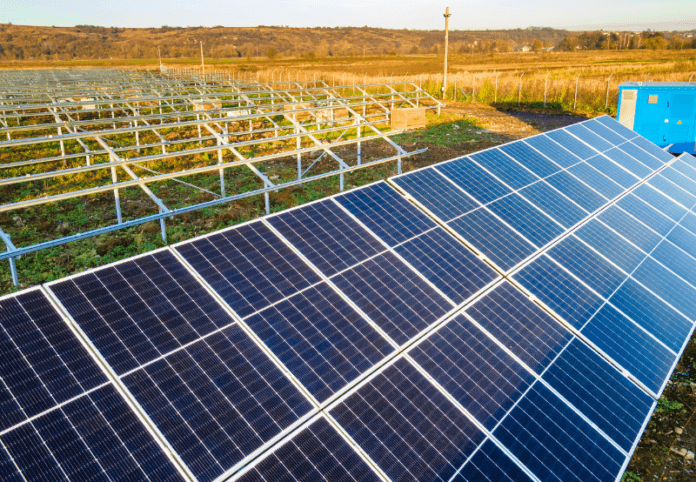
      The project involves the design, engineering, procurement, and construction (EPC) of the Balance of System (BOS) for a 500 MW (AC) solar PV plant, marking a substantial contribution to India’s renewable energy capacity. Along with the EPC services, SWREL will provide comprehensive operation and maintenance (O&M) services for the plant for a period of three years. This ensures the longevity and optimal performance of the plant, solidifying SWREL’s role in the renewable energy sector as a comprehensive service provider.

      Amit Jain, the Global CEO of Sterling and Wilson Renewable Energy Group, shared his enthusiasm regarding the project, emphasizing the importance of this order in supporting India’s clean energy transition. He noted that Gujarat, with its favorable climate for solar power generation and a robust renewable energy policy framework, is a key state for India’s renewable energy strategy. “This will support India and especially Gujarat’s transition towards clean energy,” said Jain, adding that the project contributes to the company’s broader goal of enhancing energy security, creating jobs, and driving economic growth.

      The solar PV project is a crucial step towards meeting India’s ambitious renewable energy targets. India has committed to achieving 500 GW of non-fossil fuel-based energy capacity by 2030, with solar power playing a pivotal role in reaching this goal. Gujarat, known for its large-scale renewable energy projects, continues to be at the forefront of India’s green energy revolution. From a real estate perspective, this massive solar PV project in Gujarat could have significant implications for the region’s infrastructure and development. The construction and operation of such a large-scale solar plant will likely spur growth in the surrounding areas, generating new opportunities for local real estate developments. The influx of workers during the construction phase, as well as the ongoing need for skilled professionals to manage and maintain the plant, will increase demand for housing and commercial spaces in nearby towns and cities. Moreover, as renewable energy projects gain momentum, the demand for land suitable for solar farms will grow, particularly in states like Gujarat with abundant sunny days. This opens up new avenues for real estate developers to focus on land acquisition and development of infrastructure that supports clean energy projects. Solar parks and industrial zones near renewable energy projects often attract not only local but also international investments, contributing to the overall growth of the real estate sector in these regions.

      The project also highlights the role of companies like Sterling and Wilson in leading India’s renewable energy shift, which is likely to attract attention from investors in both the energy and real estate sectors. As renewable energy becomes more integrated into the national grid, the importance of infrastructure to support these ventures—such as access roads, residential complexes for workers, and commercial zones for services and businesses—becomes increasingly evident. With SWREL’s focus on delivering a comprehensive EPC solution, the company is poised to play an integral role in Gujarat’s clean energy landscape. The successful execution of this project will likely set the stage for more large-scale solar developments in the state and beyond, further driving the integration of renewable energy into India’s future. The clean energy sector’s growth is closely tied to the real estate sector, and this project is an example of how renewable energy initiatives can lead to expanded infrastructure and development opportunities. As India pushes towards a sustainable future, collaborations between energy companies and real estate developers will become even more essential to support the transition.