Home Blog Page 453

Hyderabad Targets 17,000 Properties for Missing Rainwater Harvesting Pits

    0
    Hyderabad Targets 17,000 Properties for Missing Rainwater Harvesting Pits
    Hyderabad Targets 17,000 Properties for Missing Rainwater Harvesting Pits

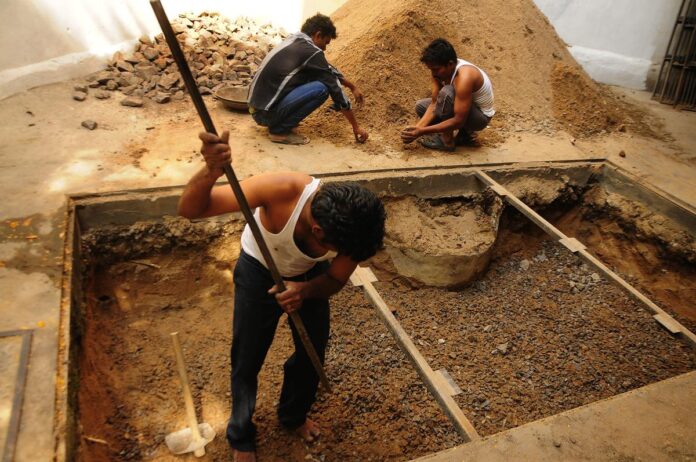
    Hyderabad’s drive towards sustainable water management is intensifying as the Hyderabad Metropolitan Water Supply & Sewerage Board (HMWS&SB) has announced that over 17,000 property owners will soon receive notices for failing to install rainwater harvesting pits. These notices come as part of a citywide effort to ensure water conservation and boost groundwater levels, crucial in the face of rising urban water demand.

    A recent survey by the water board identified 42,000 properties, each spread over 300 square meters or more, that require rainwater harvesting structures. Of these, only 22,000 buildings have implemented the necessary water harvesting systems, leaving 17,000 properties without these vital structures. The water board has set a deadline of December 31, 2024, for property owners to install the required rainwater harvesting pits. Failing to comply will result in double charges for water tanker services starting January 1, 2025. This regulation stems from the AP Water, Land, and Tree Act (APWALTA) of 2002, which originally mandated rainwater harvesting for buildings with plot areas exceeding 200 square meters. Over time, the threshold for mandatory installation was revised to 300 square meters or more, aiming to foster water conservation throughout the region.

    As part of this initiative, HMWS&SB is also targeting property owners who either lack rainwater harvesting systems or have systems that are no longer functional. Notices sent by the water board emphasize the importance of maintaining or installing these systems, which include injection wells or shafts for effective groundwater recharge. For properties with existing systems, the water board is urging owners to ensure their systems are functioning properly and are well-maintained. The water board’s consultant, J Sathyanarayana, highlighted that this is the first time such notices have been issued on a large scale, with a survey already completed for 39,000 properties out of the total 42,000 identified. The authorities are expected to finalize the survey in the next two weeks.

    Interestingly, the survey found that gated communities and large apartment complexes were generally in compliance, with well-maintained rainwater harvesting systems. In contrast, many smaller residential buildings were found lacking in both the installation and upkeep of these essential water-saving systems. This regulatory push is part of Hyderabad’s broader commitment to sustainable urban development and water conservation, ensuring that the city’s water needs are met while safeguarding precious groundwater resources for future generations.


    MahaRERA Cracks Down on 11,000 Lapsed Housing Projects Across Maharashtra

    0
    MahaRERA Cracks Down on 11,000 Lapsed Housing Projects Across Maharashtra
    MahaRERA Cracks Down on 11,000 Lapsed Housing Projects Across Maharashtra

    Maharashtra Real Estate Regulatory Authority (MahaRERA) has issued notices to over 11,000 lapsed housing projects across Maharashtra, with more than 5,230 projects in the Mumbai Metropolitan Region (MMR) alone. These notices target developers who have failed to submit mandatory project updates, such as the Occupation Certificate (OC), or request extensions to their project deadlines since their initial registration in May 2017.

    This regulatory action comes after MahaRERA noted serious delays and irregularities in the completion of various housing projects, leaving many buyers in limbo. Developers are required by law to update the status of their projects, submit an OC, or request an extension of the completion deadline as specified during their initial registration. However, many failed to meet these obligations, prompting the regulator to step in.

    Manoj Saunik, Chairman of MahaRERA, emphasized that developers must submit the OC along with Form 4 or apply for a revised deadline. If the developer fails to comply within a 30-day window, MahaRERA is forced to either suspend or cancel the project’s registration. This measure includes imposing strict restrictions on the sale and purchase of flats in these stalled projects, as well as freezing associated bank accounts.

    The Real Estate (Regulation and Development) Act, 2016, mandates that developers provide quarterly progress reports to MahaRERA, ensuring regular updates on their project timelines. For these 11,000 projects, the MMR region has seen the highest number of lapsed registrations, followed by Pune, Nashik, and other regions. The regulatory action aims to protect homebuyers from the risks associated with stalled projects, ensuring that developers adhere to their commitments. As the real estate industry grapples with delays, MahaRERA’s crackdown on non-compliant developers represents a firm step towards restoring trust and accountability in the sector. This move will likely have far-reaching effects, as developers are now under increasing pressure to either finalize their projects or seek official extensions, ensuring that the dream of owning a home does not remain unfulfilled for thousands of buyers across the state.

    Rajasthan Government Issues Notification for Development Authorities in Bharatpur and Bikaner

      0
      Rajasthan Government Issues Notification for Development Authorities in Bharatpur and Bikaner
      Rajasthan Government Issues Notification for Development Authorities in Bharatpur and Bikaner

      The Rajasthan government has issued a notification to establish development authorities in Bharatpur and Bikaner as part of its ongoing efforts to foster well-organized and planned development in its rapidly growing urban areas. The proposal for the creation of these development authorities was approved during the Cabinet meeting held on November 30, 2024.

      The aim is to manage urbanization more efficiently, especially in regions with large and expanding populations. The newly formed Bikaner Development Authority will encompass the current area of the Municipal Development Trust, along with additional areas including Napasar, Deshnok, and 185 surrounding villages. Similarly, the Bharatpur Development Authority will cover the existing area of the Municipal Development Trust and include 209 villages in its jurisdiction. This move is expected to streamline urban planning efforts and improve the infrastructure and amenities in both cities, facilitating better management of urban growth and addressing the challenges posed by the increasing population. The Rajasthan government’s initiative aligns with its broader vision of promoting sustainable urban development across the state. The creation of these authorities will allow for more effective governance, streamlined service delivery, and the creation of better living conditions for residents, addressing the growing needs of these cities. Both Bharatpur and Bikaner have witnessed significant urbanization, and the establishment of these authorities will enable the government to focus on structured development, ensuring balanced and efficient growth in these important regions.

      Noida Set to Boost Yamuna Expressway Real Estate Market with New Airport Development

        0
        Noida Set to Boost Yamuna Expressway Real Estate Market with New Airport Development
        Noida Set to Boost Yamuna Expressway Real Estate Market with New Airport Development

        The Noida International Airport (NIA) at Jewar, which is set to begin commercial operations in April 2025, is already making waves in the real estate market along the Yamuna Expressway. Following the successful completion of its flight validation tests, experts anticipate a significant boost in demand for both residential and commercial properties in the region, as infrastructure developments gather pace.

        The construction of the Noida International Airport is seen as a game-changer for real estate markets in the nearby areas, particularly for residential projects in Noida, Greater Noida, and along the Yamuna Expressway. The real estate activity is not only driven by the promise of modern airport infrastructure but also by the government’s ongoing plans for industrial parks, IT zones, medical manufacturing hubs, and even an upcoming Film City. The Yamuna Expressway, which connects Greater Noida to Agra, has long been viewed as a promising location for residential and commercial projects. However, past developments along the expressway were slow to gain traction due to a lack of infrastructure and basic amenities. The upcoming airport is expected to act as a catalyst, attracting both end-users and investors to the region. In November 2024, the Yamuna Expressway Industrial Development Authority (YEIDA) launched a housing scheme offering group housing plots, with over 1.12 lakh applications received for just 451 plots in Sector 24A. This overwhelming demand reflects the growing investor interest in the area. Experts predict that once the airport opens, thousands of residential units will be developed, and a variety of commercial properties will follow suit.

        The YEIDA is also planning a major residential township project spanning 100 acres in Sector 24A, aimed at supporting the anticipated population influx due to the new airport. This is expected to fuel additional demand for residential spaces along the Yamuna Expressway. Currently, the real estate market along the Yamuna Expressway is largely driven by investors who see the potential for high returns once the airport and other infrastructure projects come to fruition. According to Gaurav Mavi, co-founder of BOP.in, about 70% of the interest in the region is coming from investors, while the remaining 30% is from end-users. The latter are typically more cautious and prefer to buy properties once they are near completion. As the airport nears completion and more housing projects are launched in 2025, the share of end-users in the market is expected to rise. These buyers will likely be drawn by the improved connectivity, better infrastructure, and the promise of a more livable environment in the region.

        While residential projects are expected to lead the real estate growth, commercial developments will follow closely behind. Mudassir Zaidi, Executive Director at Knight Frank India, believes that the area will witness a significant rise in demand for commercial office spaces, especially as industries related to the airport, such as logistics, warehousing, and other ancillary businesses, begin to set up operations. Real estate prices have already begun to reflect the potential of the region. According to a report by Colliers India, land prices along the Yamuna Expressway have risen by 40% in the past five years, with further increases expected as the area develops. Prices are projected to increase by another 50% by 2030, driven by the airport’s completion, metro expansions, and the development of surrounding industrial hubs. The upcoming infrastructure projects are set to transform Yamuna Expressway into a highly connected hub. New metro lines and the rapid rail network will further enhance accessibility, making it easier for residents and businesses to connect with Delhi, Noida, and other key parts of NCR. These developments are expected to make the region an attractive alternative to more congested areas like Noida Extension and Greater Noida.

        As the Noida International Airport nears its opening, the region around the Yamuna Expressway is poised for significant real estate growth. Both residential and commercial properties are expected to see high demand, driven by improved infrastructure, greater connectivity, and the growing presence of industries tied to the airport. While investor interest is high now, end-users are likely to follow as the area becomes more developed and livable. In the long term, the area is expected to experience sustained growth, with land prices and property values continuing to rise. The Noida International Airport, along with other planned infrastructure projects, will undoubtedly reshape the real estate landscape along the Yamuna Expressway, offering lucrative opportunities for both investors and homebuyers alike.

        Telangana RERA Orders Aliens Developers to Complete Tellapur Project and Compensate Buyer

          0
          Telangana RERA Orders Aliens Developers to Complete Tellapur Project and Compensate Buyer
          Telangana RERA Orders Aliens Developers to Complete Tellapur Project and Compensate Buyer

          The Telangana Real Estate Regulatory Authority (TGRERA) has ordered Aliens Developers to complete the stalled Aliens Space Station project in Tellapur and deliver the flat to the buyer, Ganapathi P Gorekar, without further delay. In addition to completing the project, TGRERA has mandated the developers to pay interest at a rate of 10.95% per annum for the delay in possession, starting from December 2017, excluding the Covid-19 waiver period, until the flat is handed over.

          Gorekar had initially booked a flat in the Aliens Space Station project in 2012. Due to significant delays, an agreement of sale was signed on February 17, 2016, for ₹67 lakh. By July 2016, Gorekar had already paid ₹63.7 lakh for the flat and an additional ₹4.18 lakh in taxes, leaving only a small balance to be cleared upon possession. Despite the developers’ commitment to deliver the flat by December 2017, construction only progressed to the structural frame stage, with no finishing work done to date. Repeated assurances from Aliens Developers over the past five years have failed to result in any substantial progress. In their defense, Aliens Developers cited a series of challenges, including the 2008 global economic crisis, political instability during the bifurcation of Andhra Pradesh, financial and technical difficulties, and the impact of the Covid-19 pandemic. The developers stated that they had prioritized employee welfare during the crisis, which caused further setbacks. To revive the project, they secured ₹280 crore from investors and an additional ₹52 crore from the SWAMIH Investment Fund I, a government-backed initiative aimed at supporting stalled residential projects. Despite these challenges, Aliens Developers have assured Gorekar that the flat will be delivered at the original price of ₹67 lakh, despite similar flats now being priced at ₹1.45 crore.

          TGRERA found Aliens Developers in breach of their contractual obligations under the Real Estate (Regulation and Development) Act and ordered them to pay the accrued interest to Gorekar within 90 days. The developers were also instructed to continue paying interest for any future delays, which will accrue every three months until possession is delivered. The interest will continue until the issuance of the occupancy certificate or a partial occupancy certificate for the relevant tower. TGRERA emphasized the need for Aliens Developers to expedite construction and meet the agreed-upon timeline, underscoring the importance of complying with regulatory and contractual obligations. This ruling serves as a significant reminder of the importance of timely project completion and the legal recourse available to homebuyers in case of delays in real estate transactions.

          Kolte-Patil Developers Launches Premium Residential Project ‘La Vita’ in Navi Mumbai

          0
          Kolte-Patil Developers Launches Premium Residential Project ‘La Vita’ in Navi Mumbai
          Kolte-Patil Developers Launches Premium Residential Project ‘La Vita’ in Navi Mumbai

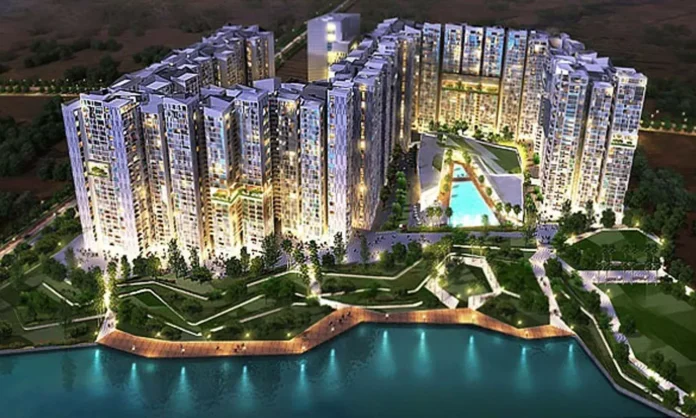
          Kolte-Patil Developers Limited (KPDL) has officially entered the Navi Mumbai real estate market with the launch of its premium redevelopment project, La Vita, located in the vibrant heart of Sector 2, Vashi. This mixed-use development is poised to elevate the region’s residential and commercial landscape, further solidifying KPDL’s position in the Mumbai Metropolitan Region (MMR).

          Spanning across a one-acre land parcel, La Vita offers luxury 2BHK apartments, some of the largest configurations available in Vashi, alongside prime retail spaces. With a Gross Development Value (GDV) of ₹300 crore, the project aims to cater to high-end buyers and investors seeking quality residential and commercial properties. The La Vita project is designed with the theme ‘Design to Inspire Life,’ blending modern aesthetics with thoughtful design elements. Its east-west orientation maximizes natural light and ventilation, while the elevated positioning offers sweeping views of the sea and surrounding hills. This combination of natural beauty and strategic design ensures residents enjoy the best of urban living. In addition to spacious homes, La Vita offers premium amenities such as a fully-equipped clubhouse, an amphitheater for gatherings, a versatile play court, a barbecue pavilion with alfresco dining areas, a dedicated jogging track, senior citizen zones, landscaped party lawns, children’s play areas, a state-of-the-art gymnasium, and a professional society management office. These features are designed to foster relaxation, recreation, and a strong sense of community, making La Vita a truly exceptional place to live.

          Vashi, a well-planned node in Navi Mumbai, is known for its strategic location, offering easy access to Mumbai and Thane through the Harbour and Trans-Harbour lines, the Atal Setu (Mumbai Trans Harbour Link), and the Delhi-Mumbai Expressway. The upcoming Navi Mumbai International Airport will further enhance Vashi’s connectivity, making it even more attractive to homebuyers and investors. As a self-sustained hub with excellent infrastructure, urban amenities, healthcare facilities, and efficient public transport, Vashi has become one of Navi Mumbai’s most sought-after locations, with proximity to major commercial and industrial zones further adding to its appeal.

          Atul Bohra, Group CEO of Kolte-Patil Developers, expressed his enthusiasm about the launch: “We are delighted to announce our entry into Navi Mumbai with this landmark redevelopment project in Vashi. This launch represents a significant milestone for our MMR portfolio, marking the start of an exciting journey in this high-potential micro-market. Vashi is a thriving residential and commercial hub with excellent infrastructure, seamless connectivity, and immense growth potential.” As Kolte-Patil Developers continues to expand its presence in the Mumbai Metropolitan Region, La Vita in Vashi stands as a testament to the company’s commitment to delivering premium properties that meet the evolving needs of modern urban living.

          Bengaluru’s Namma Metro Red Line Linking Sarjapur to Hebbal Set to Impact Property Rentals

          0
          Bengaluru's Namma Metro Red Line Linking Sarjapur to Hebbal Set to Impact Property Rentals
          Bengaluru's Namma Metro Red Line Linking Sarjapur to Hebbal Set to Impact Property Rentals

          Bengaluru’s real estate market is poised for a transformation as the city’s Namma Metro red line, connecting Sarjapur to Hebbal, gears up for construction. Following Karnataka’s cabinet approval, local brokers predict a significant rise in property rentals in the southeastern Sarjapur area and the northern Hebbal region, with an estimated increase of 10 to 30% over the next few years.

          The Karnataka state cabinet’s approval has paved the way for the Bangalore Metro Rail Corporation Limited (BMRCL) to begin pre-construction activities, such as land acquisition, utility shifting, and design work. Civil construction is expected to commence only after the union cabinet’s approval, which is anticipated by December 2025, with a projected completion timeline of five and a half years, aiming for operations by 2031. The Red Line will cover 28 stations, including five key interchange stations at Iblur, Agara, Dairy Circle, KR Circle, and Hebbal, and is expected to ease congestion in central Bengaluru. The project, estimated at ₹28,405 crore, represents the most expensive phase in Namma Metro’s history, with a per-kilometer construction cost of ₹776 crore. The metro’s connectivity will significantly boost areas in and around Sarjapur. Currently, Sarjapur’s real estate market is booming post-pandemic but lacks metro access. The new metro line is expected to drive real estate growth, with properties seeing a potential increase in demand and rental rates. As Manoj Agarwal, director at Agarwal Estates, explains, the availability of metro connectivity in the area will attract tech professionals who prefer living closer to their workplaces, and people from other parts of the city will likely relocate to southeastern Bengaluru, where infrastructure is improving. Experts predict that rentals in southeastern Bengaluru, particularly around Sarjapur, could rise by 10-20% over the next 3-4 years. With the metro announcement, an additional 10% increase in rentals is expected in the coming years.

          Northern Bengaluru, which has historically been an industrial area, has evolved into a key real estate destination due to the proximity to Bengaluru International Airport and Manyata Tech Park. This area includes micro-markets such as Hebbal, Yelahanka, and Thanisandra Main Road. Now, the metro’s introduction is expected to further boost rental demand. According to Manjesh S Rao, Chief Real Estate Officer at BrokerInBlue, the metro’s impact could lead to a 20-30% increase in rental prices in North Bengaluru. With several developers investing in these areas, including Puravankara, Shriram Properties, and Brigade Group, metro connectivity along the Ring Road will be a game changer, easing traffic and enhancing accessibility, making it even more attractive for potential tenants.  In areas like Hebbal, rental prices for a 2BHK apartment currently range from ₹30,000 to ₹35,000, and the introduction of the metro is expected to increase rental yields by a significant margin. As the Namma Metro red line promises to enhance connectivity between Sarjapur and Hebbal, Bengaluru’s rental market is set for an upward trajectory. With the metro’s impact reaching beyond the immediate catchment area, real estate experts foresee rising property demand and rental appreciation in both southeastern and northern parts of the city. The next few years will likely see Bengaluru’s real estate market becoming even more dynamic, with property values and rental prices benefiting from improved infrastructure and connectivity.

          Gurugram Overtakes Mumbai as India’s New Ultra-Luxury Real Estate Hub

          0
          Gurugram Overtakes Mumbai as India's New Ultra-Luxury Real Estate Hub
          Gurugram Overtakes Mumbai as India's New Ultra-Luxury Real Estate Hub

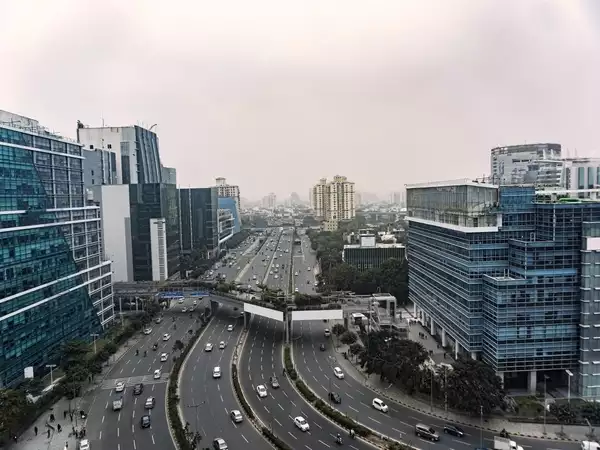
          Gurugram has overtaken Mumbai as the new ultra-luxury real estate hub. The year 2024 has been a landmark period for the luxury market, with Gurugram emerging as the go-to destination for the ultra-wealthy seeking exceptional living spaces.

          DLF’s Camellias project in Gurugram is currently the talk of the real estate world. It made headlines when Rishi Parti, CEO of Info-x Software Technology, set a national record by purchasing a 16,290-square-foot penthouse for ₹190 crore. This purchase, at ₹1,80,000 per square foot, has cemented DLF Camellias as India’s most expensive high-rise condominium, marking a significant milestone in the city’s real estate journey. This record-breaking deal has put Gurugram firmly in the spotlight, surpassing other significant transactions in cities like Mumbai and Bengaluru. High-profile deals in Mumbai include Great White Global’s ₹225 crore acquisition at Oberoi Three Sixty West, and Shreegopal Kabra’s ₹198 crore purchase in the same building. Yet, it is Gurugram that now stands as the new face of luxury living.

          Samir Jasuja, Founder of PropEquity, noted that Gurgaon has surpassed Delhi and Mumbai in luxury real estate, driven by startup entrepreneurs and industrialists seeking homes closer to their workplaces. The iconic DLF Aralias, launched 25 years ago, set the groundwork for luxury properties in the region, with prices now reaching an astonishing ₹1,80,000 per square foot in DLF Camellias. According to real estate consultancy Anarock, 2024 saw 25 ultra-luxury residential transactions, each valued above ₹40 crore, across major Indian cities. While Mumbai continues to dominate in volume, Gurugram’s signature projects like Camellias have put the city on the map as an emerging luxury real estate powerhouse.

          Industry experts suggest the growth of ultra-luxury homes is fueled by increasing wealth, a desire for lavish lifestyles, and the appeal of iconic developments. As more high-net-worth individuals seek exclusive living spaces, this trend is expected to continue well into 2025, with Gurugram at the forefront of this evolution. For now, DLF Camellias symbolizes Gurugram’s transformation into the country’s luxury real estate capital, setting new benchmarks for opulent urban living that rival the best in the world.

          Redevelopment Rush Fuels Mumbai’s Real Estate Boom Post-Pandemic

          0
          Redevelopment Rush Fuels Mumbai's Real Estate Boom Post-Pandemic
          Redevelopment Rush Fuels Mumbai's Real Estate Boom Post-Pandemic

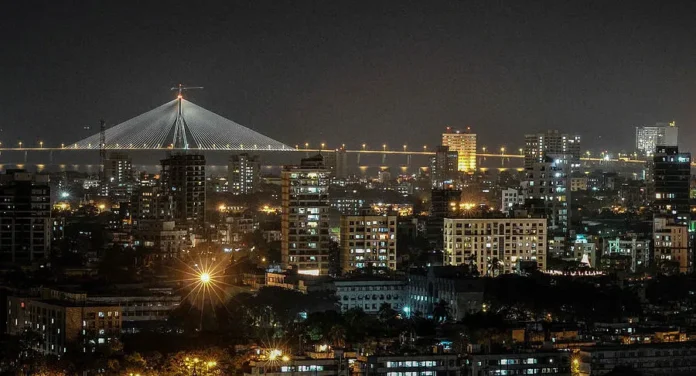
          The post-pandemic surge in Mumbai’s real estate sector is being driven by an accelerated rush for the redevelopment of old and dilapidated buildings. Once plagued by outdated infrastructure and poor amenities, these buildings are now seeing a wave of residents agreeing to redevelopment projects that promise modern living standards. The pandemic’s rush for homes has hastened the decision for many residents, making redevelopment a more appealing option.

          Amit Sawant, a resident of Navi Mumbai’s Vashi, shared his story of how a 40-year-old building in his locality is now being redeveloped. After years of living in a cramped apartment with limited amenities, Sawant and his family will soon have access to a more spacious 3BHK home. The promise of basic amenities such as a lift was a major factor in their decision to agree to the redevelopment. “The lack of basic amenities, such as lifts, parking, and proper sanitation facilities, is a key concern for those living in older buildings. Redevelopment projects offer solutions by providing modern, well-equipped homes with the amenities residents crave,” said Prashant Sharma, president of the National Real Estate Development Council in Maharashtra. According to Sharma, as of May 2024, approximately 31,000 redevelopment projects have already been approved in the city.

          Mumbai’s vast number of aging buildings, many built before the 1970s under outdated development regulations, are prime candidates for redevelopment. These structures often lack necessary safety features and amenities, which have prompted many residents to push for redevelopment. The city’s need for redevelopment is further emphasized by the prevalence of “cess properties,” where funds collected for repairs have done little to address structural issues. This often results in squatting tenants, some of whom have lived in the same property for generations, facing cramped spaces and inadequate facilities. A major concern for residents is the lack of car parking, as many buildings were constructed at a time when car ownership was low. “Now, every family has at least two vehicles, and parking is a significant issue,” said Sawant. The redevelopment boom is not just about improving the quality of life for residents but also revitalizing entire neighborhoods. “Redevelopment provides opportunities to not only improve individual homes but also rejuvenate the surrounding area with new cafes, shops, and upgraded infrastructure,” explained Ranjeet Pawar, director of Sugee Group.

          Several areas of Mumbai, including Dadar, Bandra, Santacruz, Chembur, and parts of South Mumbai like Girgaum and Grant Road, have seen the most redevelopment activity. Suburbs such as Andheri, Borivali, and Vashi are also experiencing significant redevelopment as the demand for housing continues to rise. The influx of new infrastructure, particularly metro lines and road projects like the Mumbai Coastal Road, is also accelerating the redevelopment process. Areas near metro corridors, such as Lower Parel, Bandra, and Goregaon, have seen rising property values, making them more attractive for developers. While the redevelopment trend is undeniably contributing to the city’s growth, some worry about gentrification and rising living costs. Dr. Niranjan Hiranandani, co-founder of Hiranandani Group, argues that a reduction in the premium levied on redevelopment projects could make housing more affordable. “Reducing the premium would create more affordable housing, ensuring that redevelopment projects provide a better quality of life without making them prohibitively expensive,” Hiranandani said. As Mumbai’s real estate market continues to evolve, a balanced approach between luxury and affordable housing under redevelopment projects will be crucial. While high-end areas like South Mumbai are shifting towards luxury apartments, the suburbs continue to offer more affordable options. By accommodating different income groups, the city can ensure that redevelopment benefits a wider spectrum of residents.

          Allahabad HC Overturns Orders on Sub-Lease Cancellations by YEIDA and Noida Authority

          0
          Allahabad HC Overturns Orders on Sub-Lease Cancellations by YEIDA and Noida Authority
          Allahabad HC Overturns Orders on Sub-Lease Cancellations by YEIDA and Noida Authority

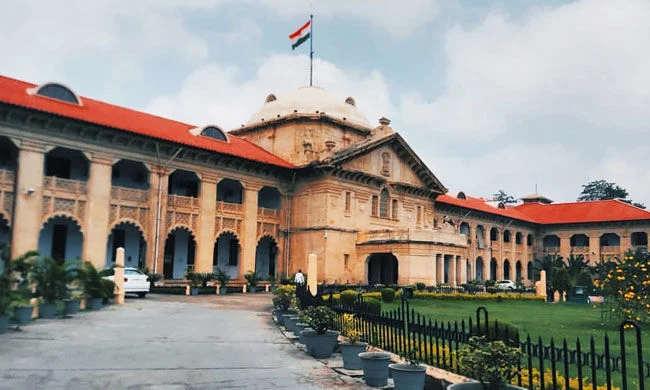
          The Allahabad High Court has recently set aside the orders issued by the Uttar Pradesh government’s principal secretary of industry, which had rejected revision petitions filed by builders UG Infrastructure Private Limited and Colourful Estate Private Limited. These petitions were challenging the cancellation of sub-leases by the Yamuna Expressway Industrial Development Authority (YEIDA) and the Noida Authority.

          In its ruling on Monday, the Lucknow Bench, led by Justice Pankaj Bhatia, directed the Uttar Pradesh government to take a fresh decision on the two revision petitions within six weeks. The decision came as the court disposed of the writ petitions filed by the builders, whose sub-leases had been canceled by the respective authorities. During the hearing, the petitioners’ lawyers argued that the principal secretary, Anil Kumar Sagar, who held the position of revisional authority, issued conflicting orders on similar petitions and unjustly denied the “zero-period” benefit to the builders. They contended that the decisions were inconsistent, with no clear explanation for the different conclusions drawn on similar matters. On the other hand, the state’s additional advocate general, VK Shahi, and chief standing counsel Ravi Singh Sisodiya defended the conflicting orders, suggesting that the facts presented before the revisional authority differed, thus justifying separate rulings. However, the bench observed that the legal circumstances in both cases were identical. It pointed out that the revisional authority had no valid reason to issue conflicting orders without recording distinct facts and providing appropriate justifications.

          In a related development, the Uttar Pradesh government removed Sagar from his role as YEIDA chairman late on Saturday. He was also relieved from additional responsibilities, including principal secretary for infrastructure and industrial development, IT and electronics, and NRI Affairs. Sagar has been placed on a waiting list for reassignment. To address appeals in the future, the state government has now appointed separate officials: Abhishek Prakash for GNIDA cases, Ramya R for Noida and GIDA, and Piyush Verma for YEIDA and UPSIDA. This court ruling marks a significant development in the ongoing legal battle between the petitioning builders and the authorities. The fresh review by the Uttar Pradesh government is expected to provide a clearer resolution to the matter.