Home Blog Page 452

Goa Real Estate Boom Fuels Land Disputes

    0
    Goa Real Estate Boom Fuels Land Disputes
    Goa Real Estate Boom Fuels Land Disputes

    Goa’s booming real estate sector is seeing unprecedented interest, driven by high demand for premium second homes and investment properties. However, the surge has also intensified land disputes, with cases of illegal land-grabbing rising significantly. Prized for its scenic beauty and tourist-friendly infrastructure, the state has witnessed a sharp uptick in real estate transactions, leaving many locals and stakeholders grappling with the fallout of aggressive land acquisition practices.

    According to industry experts, non-resident Indians (NRIs) and domestic investors have been key contributors to this real estate boom. However, a lack of transparent regulations has led to exploitative practices by unscrupulous land developers and middlemen. Data suggests that over the past year, Goa’s property registration volumes increased by nearly 25%, even as unresolved land title disputes surged by 18%. The urban-centric approach of this growth has raised concerns about its long-term impact on Goa’s socio-cultural fabric and local communities.

    Civic issues have compounded the problem. Local residents have complained about being priced out of their own neighbourhoods, with skyrocketing land values driven by speculative buying. In addition, infrastructure development, particularly in rural areas, lags behind urban expansion, further straining the state’s resources. The government has promised stricter enforcement of land laws, but effective implementation remains a challenge.

    From a sustainability perspective, Goa’s fragile ecosystem faces severe threats from unchecked urbanisation. The conversion of agricultural and forest land for real estate has triggered deforestation and biodiversity loss, intensifying environmental concerns. As Goa’s allure as a real estate hotspot grows, balancing growth with sustainability is critical to preserving its ecological and cultural heritage. Urban planning that prioritises green infrastructure and sustainable housing models will be vital for the state’s future.
    Hyderabad tops India’s residential inventory overhang in 2024

    0
    Hyderabad tops India's residential inventory overhang in 2024
    Hyderabad tops India's residential inventory overhang in 2024

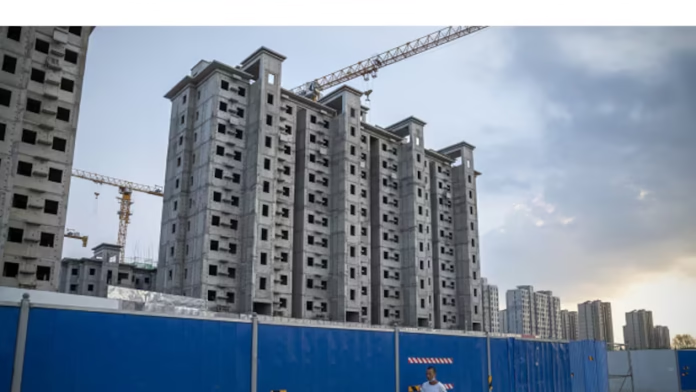
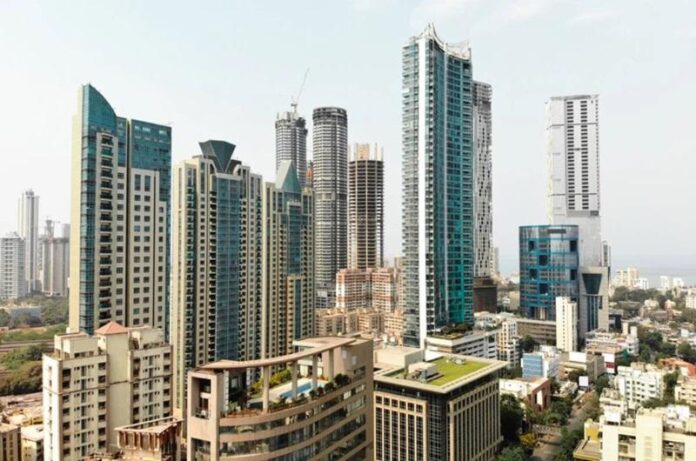
    Hyderabad has emerged as the city with the highest residential real estate inventory overhang among India’s top seven cities in 2024. According to Anarock Research, the branded residential inventory overhang in Hyderabad stood at 19 months, surpassing the national average of 14 months, the lowest in the last decade. Chennai followed with 17 months, while Delhi NCR and Kolkata recorded 16 months each. Bengaluru maintained the lowest inventory overhang at eight months during the first nine months of the year, reflecting its robust demand-supply equilibrium.

    The tepid new housing supply across Indian cities in 2024 stemmed from election-related delays in project approvals. Compared to the record-setting launches in 2023, developers faced slowdowns during both the general elections in the year’s first half and state elections in the latter half. Of the 253 million sq ft of new housing supply planned for FY25 by the top 11 listed developers, only 23%, or approximately 57 million sq ft, were introduced in the market during H1 FY25. However, with elections concluded, experts anticipate a surge in housing supply in 2025 as developers clear backlogs and expedite approvals.

    Hyderabad’s unsold inventory declined marginally over the last two years, reducing by just two months, compared to Bengaluru’s six-month drop over the same period. Hyderabad’s rapid urbanisation and significant new supply additions, however, have kept its overhang elevated. The city’s residential market has been buoyed by branded developers catering to rising demand for premium housing, but the supply has outpaced absorption.

    Sustainability concerns loom large amid Hyderabad’s real estate expansion. With burgeoning urbanisation, there is a growing need for green-certified projects and infrastructure upgrades. Developers are increasingly embracing eco-friendly designs, but civic issues, including water scarcity and traffic congestion, remain unaddressed. Integrating sustainable practices with urban planning will be critical to balancing growth and liveability.


    Luxury and Industrial Boom in 2024 Indian Realty

      0
      Luxury and Industrial Boom in 2024 Indian Realty
      Luxury and Industrial Boom in 2024 Indian Realty

      The Indian real estate market demonstrated robust performance in 2024, propelled by strong residential sales, industrial leasing, and a luxury housing boom. Buoyed by urbanisation, institutional investments, and stable economic growth, the sector is poised for further expansion in 2025. A combination of rising demand, innovative models like fractional ownership, and Tier-2 city developments have shaped the market’s trajectory.

      Key Drivers of Growth

      Residential real estate sales remained resilient despite an 11% annual rise in housing prices across eight key cities, as per Colliers. Stable interest rates and growing economic confidence supported this trend. The luxury housing segment witnessed unprecedented demand, driven by high-net-worth individuals (HNIs), non-resident Indians (NRIs), and aspirational buyers seeking premium properties in cities like Mumbai, Gurugram, and Delhi NCR.

      The industrial and warehousing sector also expanded, with 17% growth in leasing activity. Delhi NCR and Chennai accounted for 50% of the activity, driven by 3PL, FMCG, and engineering industries. Simultaneously, institutional investments surged to USD 4.7 billion by Q3 2024, with foreign investors contributing 69% of the total, further validating investor confidence.

      Emerging Trends and Challenges

      The rise of Tier-2 cities marked a notable shift, as affordable housing and infrastructure developments attracted residents and businesses. Sustainable practices, including green buildings and energy-efficient designs, gained traction across segments. However, challenges such as rising land costs, limited affordable housing supply, and urban congestion need policy interventions.

      Sustainability and Future Outlook

      Sustainability became a central theme, with developers embracing eco-friendly designs to meet global standards. As India moves toward its “Viksit Bharat” vision, the real estate sector is expected to grow at a CAGR of 7% and contribute significantly to GDP. With demand projected to reach 70 million housing units by 2030, 2025 will likely witness continued progress, shaping the sector into a cornerstone of India’s economic growth.

      Noida’s Commercial Real Estate Poised for Growth in 2025

      0
      Noida’s Commercial Real Estate Poised for Growth in 2025
      Noida’s Commercial Real Estate Poised for Growth in 2025

      Noida’s commercial real estate market is set to reach new heights in 2025, driven by rapid urbanisation, technological integration, and economic progress. In 2024, the city experienced a surge in demand for office spaces as global technology firms and multinational corporations expanded their operations. This growth trajectory highlights Noida’s emerging status as a hub for business and innovation.

      Catalysts of Transformation
      Over the past five years, Noida’s infrastructure advancements, including improved connectivity and strategic developments like the Noida International Airport in Jewar, have positioned it as a magnet for global and domestic investors. Multinational corporations have established IT hubs and data centres, further amplifying the demand for Grade A office spaces. Experts attribute this success to Noida’s well-planned development and its appeal as a cost-effective alternative to cities like Gurgaon and Bengaluru.

      Impressive Market Projections
      The Indian commercial real estate sector is projected to grow from USD 40.71 billion in 2024 to USD 106.05 billion by 2029, registering a robust CAGR of 21.10%. Noida’s contribution to this growth remains significant, as it continues to attract investments through its strategic location and favourable policies. Analysts predict 2025 will see enhanced focus on mixed-use developments, blending workspaces with retail and leisure facilities, offering holistic business environments.

      Sustainability as a Priority
      Noida’s commercial real estate market is also leaning towards eco-conscious practices. Developers are prioritising green buildings, energy-efficient designs, and waste management systems, aligning with global sustainability goals. These initiatives not only reduce environmental impact but also make commercial spaces more attractive to environmentally responsible corporations.

      Addressing Urban Challenges
      While Noida’s progress is commendable, challenges remain, including urban congestion and the need for better public transport integration. Addressing these issues through civic reforms and sustainable urban planning will be pivotal to maintaining its growth momentum in the commercial real estate sector.

      Singapore’s Thakral’s Rs 40 Crore Investment in Gurugram Real Estate

      0
      Singapore’s Thakral’s Rs 40 Crore Investment in Gurugram Real Estate
      Singapore’s Thakral’s Rs 40 Crore Investment in Gurugram Real Estate

      Singapore-based Thakral Corporation Ltd has taken a decisive step into India’s thriving healthcare and real estate markets with a Rs 40 crore investment in a Gurugram development project. This initiative aligns with the company’s vision of identifying high-growth potential sectors, marking a pivotal moment for Thakral’s diversification strategy.

      Healthcare and Residential Expansion
      The 21-acre site is slated to host a mix of residential, commercial, and healthcare facilities. With a planned built-up area of 2 million square feet, the project will include a hospital equipped with auxiliary healthcare services, catering to the region’s growing demand for quality medical infrastructure. CEO and Executive Director Inderbethal Singh Thakral emphasised that the investment reflects the corporation’s commitment to exploring ventures that align with India’s burgeoning real estate landscape and healthcare needs.

      Sustainability and Urban Growth
      Sustainability forms a key pillar of this development. The project integrates eco-friendly construction practices and prioritises resource-efficient designs, addressing urban challenges like overcrowding and healthcare accessibility. By focusing on sustainable growth, Thakral aims to reduce environmental impact while catering to Gurugram’s evolving civic needs. This initiative complements the region’s strategic urban expansion, enhancing its reputation as a preferred destination for global investors.

      Boosting Local Economy
      Thakral’s venture is expected to boost the local economy by generating employment and improving healthcare services in the region. Gurugram, a key urban hub, continues to attract investments due to its strategic location, robust infrastructure, and growing demand for residential spaces. The development is poised to transform the area, bridging gaps in medical and civic infrastructure, and setting a benchmark for sustainable urbanisation.

      Realty Sector Gains Momentum with 17 Percent Surge

        0
        Realty Sector Gains Momentum with 17 Percent Surge
        Realty Sector Gains Momentum with 17 Percent Surge

        India’s real estate sector is witnessing a remarkable rebound, with the Nifty Realty Index surging over 17% in the past month, dwarfing the Nifty 50’s modest 4% rise. Fuelled by sustained housing demand and evolving market dynamics, the sector has re-emerged as a key performer, underpinned by predictions of long-term growth. UBS projects residential pre-sales to grow at an impressive 15% compound annual growth rate (CAGR) between FY24 and FY29, signalling optimism in the property market.

        Demand Drivers and Market Evolution
        Brokerages are now bullish on the realty sector, citing record-high affordability, regulatory reforms, and a significant decline in inventory levels. Since its post-pandemic upswing in 2020, the housing market has witnessed sales doubling. Jefferies anticipates a 50% volume growth over the next five years, spurred by stabilising interest rates and robust demand. Investors are also eyeing upcoming policy announcements in the Union Budget, which could provide further stimulus. The Reserve Bank of India’s potential rate cuts are expected to enhance affordability, sustaining the market’s growth momentum.

        Sustainability as a Catalyst
        Sustainability has taken centre stage in real estate strategies, with developers integrating green technologies and energy-efficient designs to meet consumer expectations. Projects with eco-friendly features, such as rainwater harvesting, solar power systems, and sustainable construction materials, are gaining traction. These innovations address urban challenges, including resource scarcity and energy efficiency, while aligning with global sustainability goals.

        Urbanisation and Civic Growth
        India’s urbanisation, coupled with demographic shifts, is bolstering demand for residential spaces. Rising disposable incomes, a growing preference for nuclear family structures, and expanding metropolitan infrastructure are shaping real estate trends. This urban transformation is also creating opportunities for developers to enhance civic amenities, reduce urban sprawl, and integrate community-focused designs in new projects, strengthening the sector’s civic and urban appeal.

        Aditya Birla Real Estate acquires 71-acre Boisar land for ₹104 crore

        0
        Aditya Birla Real Estate, Birla Estates, Boisar, Mumbai Metropolitan Region, land acquisition, real estate growth, sustainable development, urban projects, residential, commercial spaces
        Aditya Birla Real Estate, Birla Estates, Boisar, Mumbai Metropolitan Region, land acquisition, real estate growth, sustainable development, urban projects, residential, commercial spaces

        Aditya Birla Real Estate, through its subsidiary Birla Estates Private Limited, has solidified its position as a key player in the Mumbai Metropolitan Region (MMR) realty market by acquiring a 70.92-acre land parcel in Boisar for ₹104.3 crore. This acquisition is part of the company’s aggressive strategy to expand its land bank and drive project launches in 2024.

        Boisar: An Emerging Industrial Hub
        Located in Maharashtra’s Palghar district, Boisar has grown into the largest industrial suburb within the MMR. Its strategic location and burgeoning infrastructure make it an attractive investment destination for both industrial and residential projects. The new land acquisition aligns with Aditya Birla Real Estate’s vision to tap into growth corridors in and around Mumbai, catering to the rising demand for quality housing and commercial spaces.

        Aggressive Land Acquisition Strategy
        This is the latest in a series of high-profile acquisitions by the company in 2024. In September, Birla Estates purchased a 24.5-acre parcel near Mumbai from Hindalco for ₹537 crore. Earlier in June, the company acquired a 16.5-acre plot in Pune for a ₹2,500 crore residential development. Additionally, during Q2 FY25, it secured a prime 10-acre plot in Mumbai’s Worli area, with a gross development value (GDV) of ₹14,000 crore, and a 5-acre plot in Gurugram, with a GDV of ₹1,400 crore.

        Strong Financial Performance and Growth Outlook
        The company reported a substantial on-year revenue growth to ₹254 crore in Q2 FY25, underscoring its robust market performance. By focusing on strategic acquisitions and high-GDV projects, Aditya Birla Real Estate is poised to capitalise on the growing demand in the residential and commercial real estate sectors.

        Sustainability and Urban Development
        With a focus on sustainable growth, the company’s projects integrate green building practices and infrastructure enhancements that benefit urban development. The Boisar acquisition is expected to contribute to creating environmentally conscious residential and commercial ecosystems, in line with global sustainability trends.

        Mhalunge-Maan Town Planning Scheme Set for Approval, Boosting Development

          0
          Mhalunge-Maan Town Planning Scheme Set for Approval, Boosting Development
          Mhalunge-Maan Town Planning Scheme Set for Approval, Boosting Development

          Mhalunge-Maan town planning scheme in Pune is poised to receive the necessary approvals and clearances for expedited execution in 2025. Initially announced by Maharashtra’s former Chief Minister Devendra Fadnavis in 2018 during the Magnetic Maharashtra Investor Summit, the project has faced delays due to the need for multiple approvals and revisions.

          Sources within the Pune Metropolitan Region Development Authority (PMRDA) revealed that with Fadnavis now leading both the state government and PMRDA as the chairman, the scheme will be prioritized in upcoming meetings. This marks a significant push for the project, which has remained dormant for several years due to complications such as realignments required after flood line changes. The Mhalunge-Maan project is expected to span 250.5 hectares and will directly benefit approximately 5,800 citizens who initially gave up their land for the development. The scheme, designed based on the Gujarat model, will allot 50% of the developed land back to the original landowners. The remaining land will be developed for residential, commercial, and infrastructure purposes, complete with a well-planned road network. The project, which aims to develop the area with all necessary infrastructure, will be integrated with the larger 128km PMRDA inner ring road project. This makes the Mhalunge-Maan scheme an essential part of Pune’s urban expansion plans, particularly in terms of creating sustainable, mixed-use zones along the first 32 km stretch of the ring road. Along with Mhalunge-Maan, five other town planning projects in Wadachiwadi, Autade Handewadi, Manjari Kolwadi, and Holkarwadi are also set to be fast-tracked with support from both state and central urban infrastructure funds.

          Despite the long wait, which includes changes in flood line considerations and subsequent plan revisions, the scheme’s progress is expected to accelerate with Fadnavis’ leadership. The approval of the PMRDA budget in September 2024, under Chief Minister Eknath Shinde, further paves the way for this vital project to move forward. In addition to offering infrastructure development and urban growth, the Mhalunge-Maan scheme is seen as a key revenue-generating model for the PMRDA and is set to rejuvenate areas around Pune, benefiting residents and the city’s economy.

          Thiruvananthapuram Metro Project Gets Green Light as Kerala Government Approves Crucial Reports

            0
            Thiruvananthapuram Metro Project Gets Green Light as Kerala Government Approves Crucial Reports
            Thiruvananthapuram Metro Project Gets Green Light as Kerala Government Approves Crucial Reports

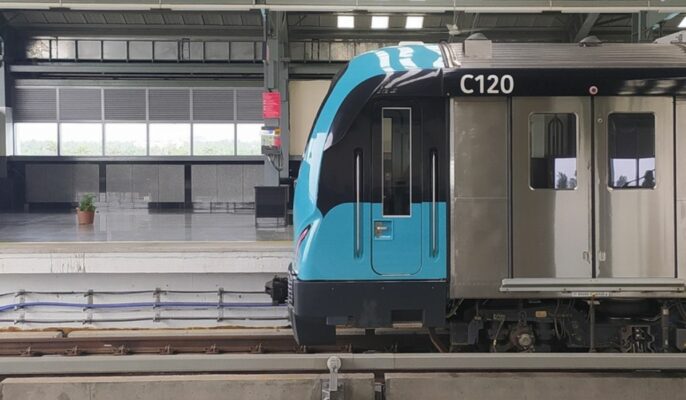
            Kerala government is poised to take a significant step towards the much-anticipated Thiruvananthapuram metro project with the likely approval of the Comprehensive Mobility Plan (CMP) and Alternate Analysis Report (AAR). These crucial reports are expected to secure the necessary funding from the Centre for the development of the metro rail system in the state capital.

            Biju Prabhakar, who oversees the metro project, confirmed that the CMP and AAR have been approved from his side. However, the final approval lies with the state government, which is expected to make a decision in the coming weeks. Sources indicate that the approval could come as early as this month. The approval of the AAR, which outlines the project’s final alignment, marks a critical milestone in the metro rail’s development. Once the state government greenlights the AAR, it will be forwarded to the Union Ministry of Urban Affairs for further consideration. The AAR also includes recommendations for a conventional or medium-model metro system and emphasizes a comprehensive overhaul of the city’s parking and traffic systems to support the metro’s implementation. Loknath Behera, the Managing Director of Kochi Metro Rail Ltd (KMRL), the executing agency for the project, expressed optimism about the state’s positive move. Behera stressed that securing funds from the Centre is pivotal for the project’s progression. However, before the plan reaches the Centre, it must receive approval from the Chief Minister’s office and the state cabinet.

            The KMRL had recently submitted a revised report to the state government, outlining the proposed metro routes and alignment, which stretches from Kazhakkoottam to East Fort, passing through significant junctions such as Sreekaryam and Medical College. The report also explores the feasibility of incorporating underground metro sections and overground systems, especially around the Medical College junction, where challenges in the alignment need to be addressed. Additionally, the Detailed Project Report (DPR) was initially set to be submitted in January 2024, but delays, including the model code of conduct, meant only an executive summary was delivered. The full DPR, which will update the revised alignments and other key details, will be finalized soon with input from the Delhi Metro Rail Corporation (DMRC). The metro project is expected to transform urban mobility in Thiruvananthapuram, contributing to the city’s infrastructure development and addressing growing transportation needs. The shift from a light metro to a medium metro model reflects the city’s recent growth and future potential, with plans for a metro yard at the Kariavattom University campus and elevated metro lines in less congested areas.

            IT Minister Announces 3 Million Sq Ft IT Complex in Coimbatore, Plan to be Ready Soon

            0
            IT Minister Announces 3 Million Sq Ft IT Complex in Coimbatore, Plan to be Ready Soon
            IT Minister Announces 3 Million Sq Ft IT Complex in Coimbatore, Plan to be Ready Soon

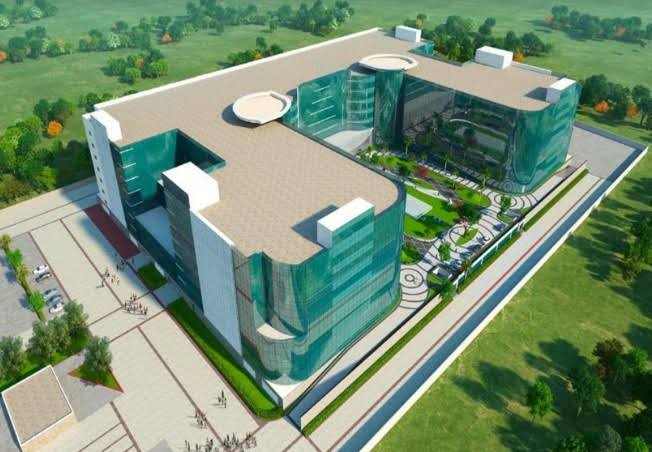
            Tamil Nadu’s IT and Digital Services Minister, Palanivel Thiagarajan, recently revealed that a detailed project plan for a massive IT complex in the city will be prepared within the next two to three months. This project, set to span a colossal 3 million square feet, will be located in the ELCOT Special Economic Zone (SEZ), providing world-class office space to meet the growing demand from IT firms in the region.

            The minister made this announcement after inaugurating iMerit’s 12th center, a company specializing in artificial intelligence (AI) data solutions. Coimbatore, known for its thriving industrial base, has also seen a surge in demand for office spaces, with the IT sector playing a crucial role in the city’s economic growth. Thiagarajan emphasized that the state government is currently in the process of selecting the right real estate marketing firm to help develop the IT complex. A detailed project plan, focusing on delivering world-class office infrastructure, is expected to be finalized within a few months. The 3-million-square-foot IT complex is a part of the state’s ongoing efforts to enhance Coimbatore’s position as an emerging IT hub. Highlighting the importance of efficient land utilization, the minister pointed out that some land parcels allocated in various ELCOT SEZs had not been developed by previous beneficiaries. The government is reclaiming these unused plots and re-allocating them to new firms to maximize the potential of available land.

            As part of the broader conversation about the future of the IT industry, Thiagarajan discussed the rising importance of AI, particularly in sectors like data feeding. He emphasized that while AI-related jobs are growing rapidly, true disruption in the workforce due to AI would likely take another 20 years to materialize. Until then, there is significant potential for job growth in data management and related fields. Additionally, the minister expressed confidence in India’s software industry, which is poised for continued global growth as more companies move operations out of China. With an abundance of skilled human resources, India is well-positioned to capture a substantial share of global opportunities in the coming years. This initiative, coupled with the ongoing development of the Elcot IT park in Coimbatore, is expected to generate thousands of jobs and provide much-needed infrastructure for the region’s growing IT sector.