Home Blog Page 457

TARC Pledges Full Cooperation as SEBI Launches Financial Audit

    0
    TARC Pledges Full Cooperation as SEBI Launches Financial Audit
    TARC Pledges Full Cooperation as SEBI Launches Financial Audit

    TARC Ltd., a prominent real estate developer, has committed to fully cooperating with the Securities and Exchange Board of India (SEBI) as the regulator initiates a financial audit of the company. Amar Sarin, the Managing Director and CEO of TARC, reassured stakeholders of the company’s operational resilience and financial stability, emphasizing that the ongoing forensic audit would not disrupt its strategic plans or operations.

    In a statement, Sarin said, “Together as a team, we continue to build on the values that define TARC’s journey while extending our full cooperation to SEBI and the forensic auditors.” The company expressed confidence that its financial foundation remains robust, even as it undergoes the scrutiny of SEBI’s audit. Despite the financial audit, TARC remains optimistic about its future. The company is focused on the ongoing development and launch of luxury residential projects across prime locations in Delhi and Gurugram. With a growing demand for luxury housing in these regions, TARC believes it is well-positioned to capitalize on emerging opportunities, leveraging its strong project pipeline.

    TARC’s ability to execute projects efficiently and deliver on time has allowed it to maintain strong cash flows from ongoing and upcoming developments. This financial strength, combined with strategic project execution, will help the company weather any challenges posed by the audit and continue on its path to growth. As TARC continues to focus on its expansion in the luxury real estate sector, its commitment to transparency and full cooperation with SEBI underscores its dedication to maintaining the trust of investors, partners, and stakeholders.

    I-T Department Raids 52 Premises of Builders and Brokers in Madhya Pradesh

      0
      I-T Department Raids 52 Premises of Builders and Brokers in Madhya Pradesh
      I-T Department Raids 52 Premises of Builders and Brokers in Madhya Pradesh

      The Income-Tax (I-T) Department launched a series of raids on 52 premises across Bhopal, Indore, and Gwalior on Wednesday, targeting builders and land brokers involved in suspicious financial activities. These raids are part of an ongoing investigation into illegal land deals and financial misconduct within the real estate sector in Madhya Pradesh.

      A large portion of the raids took place in Bhopal, with 49 properties searched, while two were located in Indore. Among those targeted were prominent figures in the construction and land brokerage industry, including well-known builder Rajesh Sharma, who has ties to high-ranking political figures. Sharma is notably associated with the construction of CM Rise Schools, a project awarded to him in Raisen. During the raids, the I-T team seized Rs 3 crore in cash, including Rs 1.2 crore from another builder. Along with the cash, the authorities also confiscated a variety of documents, mobile phones, and computer hard disks that are expected to provide further evidence of illicit transactions. Additionally, investigators uncovered 10 lockers under Sharma’s name, which contained valuable assets, including jewellery, the valuation of which is still pending.

      The raids also extended to other property dealers such as Deepak Bhavsar, Vinod Agarwal, and Rupam Shivani, who are known for their involvement in land transactions and investments in the hospitality sector. This investigation highlights the ongoing efforts of the I-T Department to clamp down on illegal land dealings and ensure transparency in the real estate industry. The seizures and evidence collected in these raids are expected to play a key role in uncovering the full scope of financial irregularities and connections between builders, brokers, and influential political figures.

      Eckart and Runaya Collaborate to Build Sustainable Aluminium Powder Plant in Orissa

        0
        India Aluminium Wire Probe Targets Imports
        India Aluminium Wire Probe Targets Imports

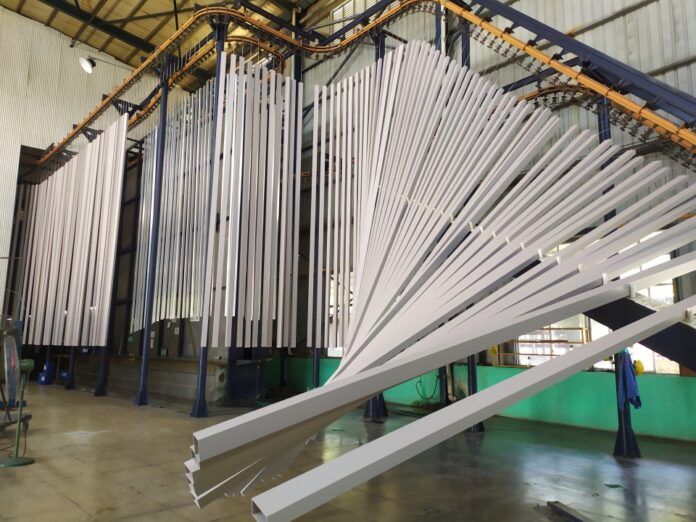
        Eckart, a renowned German company specializing in high-performance materials, has entered into a strategic joint venture with Runaya, an Indian leader in sustainable manufacturing. This collaboration will see the establishment of a cutting-edge aluminium powder plant in Orissa, aiming to produce sustainable spherical atomized aluminium granules. These granules are crucial for high-demand sectors like aerospace, solar energy, and premium effect pigments, making the partnership vital for addressing the growing global market needs.

        At the heart of this joint venture is a shared commitment to sustainability. The plant is designed to utilize recycled aluminium as its primary raw material, significantly reducing the carbon footprint. In addition, the production process will rely on renewable energy sources, further enhancing its environmental credentials. This approach not only aligns with global sustainability goals but also positions India as a competitive hub for cost-effective, advanced manufacturing solutions. Dr. Christian Przybyla, President of Eckart, expressed his admiration for Runaya’s success in implementing sustainable manufacturing processes. He noted, “By combining our expertise and leveraging India’s growth market, we aim to foster innovation and create long-term value for customers.”

        Naivedya Agarwal, Managing Director of Runaya, emphasized the transformative impact of the partnership. “This joint venture is a game-changer in the pursuit of a circular economy,” he stated. “Not only does it reshape the aluminium recycling industry, but it also highlights the power of global collaborations in solving environmental challenges.” Additionally, the two companies have signed a Memorandum of Understanding (MoU) to collaborate on the production of high-quality aluminium pigments, marking another milestone in their shared mission to innovate and push the boundaries of sustainable manufacturing. This partnership between Eckart and Runaya is set to redefine the aluminium powder sector and establish new standards in green manufacturing, contributing to both environmental sustainability and the advancement of high-tech industries globally.

        Navi Mumbai’s Airoli Housing Stock to Double by 2030, Driven by Infrastructure and Affordability

        0
        Navi Mumbai’s Airoli Housing Stock to Double by 2030, Driven by Infrastructure and Affordability
        Navi Mumbai’s Airoli Housing Stock to Double by 2030, Driven by Infrastructure and Affordability

        Navi Mumbai’s Airoli area is poised for significant real estate growth, with its housing stock expected to double to 1.85 lakh units by 2030. This surge is attributed to several key factors, including robust connectivity, competitive property prices, proximity to major business hubs, and access to essential social infrastructure, according to a report by Liases Foras.

        The report highlights that major infrastructure projects in and around Airoli will play a pivotal role in driving the real estate market. Ongoing projects such as the Airoli-Katai Naka freeway, the proposed Ghansoli Airoli Palm Beach extension, the Vikhroli-Badlapur metro line, and the Navi Mumbai International Airport, are all expected to significantly enhance connectivity and contribute to the region’s upward trajectory. Currently, Airoli has over 1,100 active real estate projects, with a combined supply of approximately 1.94 lakh units. Of this, 51% has been sold, leaving around 96,700 units available on the market. These projects offer a variety of configurations to meet the needs of homebuyers and investors alike.

        The report also notes that the housing inventory in Airoli grew by 50% from Q2 FY20-21 to Q2 FY24-25, with an annual increase of 16% from Q2 FY22-23. This growth trend, fueled by increasing demand post-COVID, is expected to continue, with the market likely to see an average CAGR of 13.5% over the next five years. Pankaj Kapoor, MD of Liases Foras, emphasized that Airoli’s development presents a “goldmine” for homebuyers, investors, and businesses. The area’s seamless connectivity, including a 30-40% reduction in travel time to business hubs, and its proximity to the upcoming Navi Mumbai International Airport, positions it as a prime destination for real estate investment. Additionally, Airoli’s vibrant IT industry, availability of commercial spaces, and excellent access to educational, healthcare, and shopping facilities add to its attractiveness as a residential and business hub. With 1BHK units starting at Rs 34 lakhs and 2BHK units averaging Rs 1.3 crore, Airoli offers a balanced alternative between upscale neighbourhoods like Ghatkopar and Vashi, and more affordable areas like Thane and Kalyan.

        As the housing market expands, the availability of affordable rental options, starting at Rs 6,500 per month for a 1BHK, further enhances Airoli’s potential for significant capital appreciation and high returns on investment.

        India Considers 25% Tax on Steel Imports to Combat Cheaper Chinese Steel

        0
        India Considers 25% Tax on Steel Imports to Combat Cheaper Chinese Steel
        India Considers 25% Tax on Steel Imports to Combat Cheaper Chinese Steel

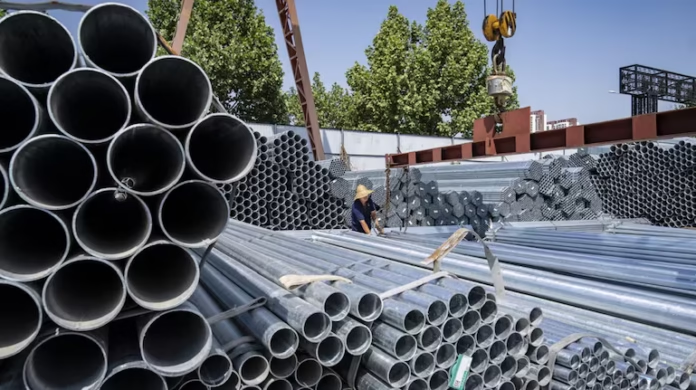
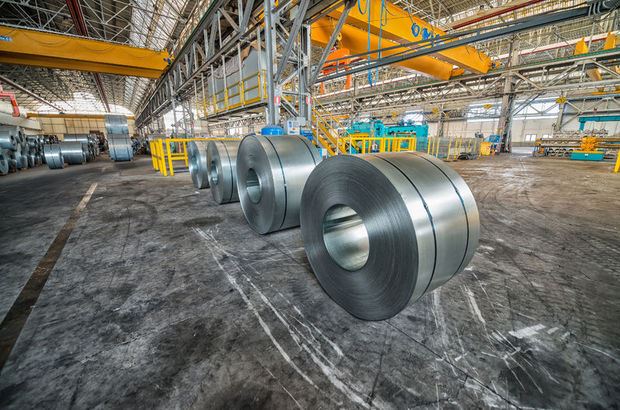
        India is contemplating the imposition of a safeguard duty of up to 25% on steel imports to curb the influx of cheaper steel, particularly from China. This move comes after growing concerns from major Indian steel producers such as JSW Steel, Tata Steel, and ArcelorMittal Nippon Steel India, who have raised alarms about the competitive pricing of Chinese steel impacting their domestic production.

        The proposal, which gained broad support at a meeting chaired by Commerce Minister Piyush Goyal on December 17, 2024, seeks to protect the domestic steel industry from the adverse effects of cheap foreign imports. Initially, small industries had opposed the idea, fearing that higher taxes would lead to increased steel prices. However, after receiving assurances that they would not be negatively impacted, especially through measures ensuring affordable raw material costs, these concerns were alleviated. As part of the proposed measures, large steelmakers would supply steel to small manufacturers at reduced prices, ensuring that they can access the material at around 20% below market rates. This arrangement, designed to shield micro, small, and medium enterprises (MSMEs), has been hailed as a key step toward supporting smaller players in the industry. The government plans to finalize the safeguard duty following an investigation by India’s Directorate General of Trade Remedies, which is currently assessing whether cheap imports from China are causing harm to domestic manufacturers. The investigation is expected to conclude within a month, paving the way for the duty’s imposition.

        India, which is the second-largest producer of crude steel globally, became a net importer of steel in the financial year ending March 31, 2024. Imports reached record highs, with a substantial share coming from China. The country’s steel industry has faced challenges as domestic production struggles to compete with the low prices of Chinese steel, exacerbating concerns over trade imbalances. The proposed safeguard duty aims to provide some relief to domestic manufacturers by making imported steel less competitive. This move is expected to offer a dual benefit: securing the interests of larger steelmakers while ensuring small industries do not bear the brunt of higher prices. With the global steel market continuing to evolve, India’s decision to introduce a temporary tax on imports reflects the country’s efforts to strike a balance between protecting local industries and maintaining affordability for smaller manufacturers.

        Endurance Technologies’ MD Buys ₹130 Crore Bungalow in New Delhi

        0
        Endurance Technologies' MD Buys ₹130 Crore Bungalow in New Delhi
        Endurance Technologies' MD Buys ₹130 Crore Bungalow in New Delhi

        Anurang Jain, the Managing Director of Endurance Technologies, has made headlines with his recent purchase of a luxurious bungalow for ₹130 crore, located on the prestigious Kautilya Marg in New Delhi. The property spans an impressive 1,350 square yards, further cementing its status as one of the most expensive residential deals in the capital city. Documents accessed from CRE Matrix, a real estate data analytics firm, reveal that Jain paid a stamp duty of ₹8.32 crore for the transaction, making it one of the highest-value residential property purchases in Delhi.

        Endurance Technologies, one of India’s largest auto component manufacturers, has been a significant player in the industry for years. This move comes amid a growing trend of high-net-worth individuals, including business owners and C-suite professionals, investing in prime real estate in New Delhi. The demand for luxury properties in Delhi remains robust despite the challenges of limited supply, with buyers willing to wait for the right opportunity to secure such coveted assets. The Jain transaction follows other notable high-value property deals in India. For instance, Rishi Parti, the director of Info-x Software Technology, purchased a 16,000 sq. ft penthouse in Gurugram’s DLF The Camellias for ₹190 crore, one of the most expensive apartment transactions in the country. Similarly, Delhi’s luxury real estate market saw a surge in sales in 2023, with 58 ultra-luxury homes (valued at ₹40 crore and above) being sold, marking a significant increase compared to just 13 transactions in the previous year.

        The growing appetite for high-end properties in Delhi, Mumbai, and Hyderabad signals a strong demand for luxury real estate, despite the rising prices. As per Pradeep Prajapati, the founder of boutique real estate consultancy Wealthvisory Capital, several similar high-value transactions are reportedly nearing completion, indicating a strong market for ultra-luxury homes in the country. Jain’s purchase further emphasizes the trend among business leaders and wealthy investors in India who are increasingly looking towards premium real estate as a secure and lucrative investment. With more such properties set to change hands in the coming months, New Delhi’s luxury property market remains a prime destination for those with the means to invest in high-end real estate.

        Tamil Nadu CM Allocates Rs 400 Crore to Accelerate Rural Housing Scheme

        0
        Tamil Nadu CM Allocates Rs 400 Crore to Accelerate Rural Housing Scheme
        Tamil Nadu CM Allocates Rs 400 Crore to Accelerate Rural Housing Scheme

        Tamil Nadu Chief Minister M. K. Stalin has announced an additional allocation of Rs 400 crore for the ‘Kalaignarin Kanavu Illam’ housing scheme, a significant move aimed at accelerating the construction of concrete homes for rural residents in the state. This new funding will be credited directly to the bank accounts of beneficiaries, enhancing the efficiency and speed of the housing project. The total amount disbursed for the project, including this latest allocation, now stands at Rs 1,451 crore.

        The ‘Kalaignarin Kanavu Illam’ scheme, named after the late Chief Minister M. Karunanidhi, is designed to provide durable concrete houses for rural families living in huts. Each house under this initiative will have a built-up area of 360 sq ft, which includes a kitchen. To ease the financial burden on beneficiaries, the state government is also providing construction materials such as cement and steel bars at subsidized rates through the state-run Tamil Nadu Cements Corporation (TNCC). The disbursal of funds follows the Direct Benefit Transfer (DBT) system, with beneficiaries receiving the amount in four instalments through a single nodal account. As of now, Rs 860.31 crore has been credited to the beneficiaries, while Rs 135.30 crore has been allocated for the construction materials required for the project.

        For the fiscal year 2024-25, the Tamil Nadu government has already issued orders for the construction of one lakh new houses under the scheme. The government plans to build a total of 8 lakh new houses by 2030 to replace the dilapidated huts that are common in rural areas. As part of the current phase, Rs 3,500 crore has been allocated at the rate of Rs 3.50 lakh per house to ensure timely progress. The scheme aims to improve the quality of life for rural residents by providing them with proper housing. It also addresses the long-standing challenge of inadequate housing in rural Tamil Nadu, where many families continue to live in substandard conditions. With the government’s active support, including the provision of essential construction materials and financial assistance, the ‘Kalaignarin Kanavu Illam’ scheme is set to make a significant impact on rural housing in the state.

        Kalpataru Projects International Raises Rs 1,000 Crore to Accelerate Global Growth

          0
          Kalpataru Projects International Raises Rs 1,000 Crore to Accelerate Global Growth
          Kalpataru Projects International Raises Rs 1,000 Crore to Accelerate Global Growth

          Kalpataru Projects International Limited (KPIL), a leading player in the Engineering, Procurement, and Construction (EPC) sector, has successfully raised Rs 1,000 crore through a Qualified Institutional Placement (QIP), marking its first equity raise in over ten years. This significant move is seen as a major step towards accelerating the company’s growth trajectory and strengthening its financial position in the global EPC market.

          Founded over four decades ago, KPIL has emerged as one of India’s largest diversified EPC companies, with expertise in sectors such as power transmission, water supply, urban mobility, railways, and oil and gas pipelines. The company’s portfolio also includes projects in highways, airports, and buildings and factories, making it a well-rounded player in infrastructure development. This QIP issue attracted substantial interest from a wide range of institutional investors, including domestic mutual funds, foreign investment funds, and insurance companies, further validating KPIL’s business model and growth prospects.

          Manish Mohnot, the Managing Director and CEO of KPIL, expressed his satisfaction with the overwhelming response to the QIP. He mentioned that the funds raised would bolster the company’s balance sheet, enhance its financial flexibility, and accelerate its expansion plans. This infusion of capital is expected to help KPIL tap into new growth opportunities, particularly in the fast-growing infrastructure and energy sectors.

          With a presence in over 30 countries and a footprint spanning 75 nations, KPIL is well-positioned to continue its global expansion. The funds from this QIP will allow the company to take on more large-scale projects and enhance its capabilities in executing complex infrastructure and construction works.

          In a competitive market, KPIL’s strategic approach to diversifying its portfolio and expanding into new regions has made it a sought-after name in the EPC industry. As it strengthens its financial position, KPIL is poised for continued growth, focusing on delivering value to its stakeholders while playing a key role in developing vital infrastructure across the globe.

          EU Reviews Steel Import Safeguards, Affecting Indian Exports

          0
          EU Reviews Steel Import Safeguards, Affecting Indian Exports
          EU Reviews Steel Import Safeguards, Affecting Indian Exports

          European Union (EU) has begun a review of its safeguard measures on steel imports, a move that could significantly impact Indian steel exporters. Currently, the EU uses an import quota system for certain steel products, which allows them to enter the region at zero or lower tariffs up to a specified limit. Once this quota is exceeded, a 25% tariff is imposed on steel products. For India, steel exports to the EU account for a significant portion of its total exports, ranging from 15% to 40%.

          This review could lead to a reduction in the tariff-free quota, potentially hurting Indian exporters, especially those focusing on key markets like Italy and Belgium, which received 22.3% and 11.2% of India’s finished steel exports in FY24. The review of safeguard measures stems from a slowdown in steel demand within the EU and a surge in steel exports from China, which has flooded global markets, including the EU. China’s steel exports have reached record highs, primarily due to weak domestic demand driven by a faltering real estate sector. Experts predict that China’s steel exports in 2024 could exceed the previous record of 112 million tonnes set in 2015. This influx of Chinese steel has resulted in a greater supply of steel in the EU market, raising concerns about the impact on the region’s domestic industry. Consequently, the EU is considering tightening its safeguard measures, which would likely reduce the volume of steel entering without tariffs.

          Indian steel exporters, particularly those in sectors like automotive and construction, are concerned about the potential effects of these changes. EU steel prices are typically higher than in other markets, making the region an attractive destination for Indian producers. However, if the safeguard quotas are reduced, it could disrupt the export dynamics and lead to higher costs for Indian steel companies looking to maintain their foothold in the EU. With the EU being one of the major export destinations for Indian steel, any shift in import policies will have a direct impact on India’s steel sector, especially as it navigates the ongoing global supply chain disruptions and fluctuating demand for steel worldwide.

          TVS Emerald Acquires Radial IT Parks for ₹575 Crore in Strategic Expansion

          0
          TVS Emerald Acquires Radial IT Parks for ₹575 Crore in Strategic Expansion
          TVS Emerald Acquires Radial IT Parks for ₹575 Crore in Strategic Expansion

          TVS Holdings Ltd’s real estate arm, TVS Emerald Ltd, has announced a significant strategic move by acquiring Radial (Phase II) and Radial (Phase III) IT Park Pvt Ltd. With a combined investment of over ₹575 crore, this acquisition marks a major milestone in TVS Emerald’s expansion strategy within the commercial real estate sector. The transaction includes the purchase of 100% equity shares and convertible debentures in both phases, with Radial (Phase II) acquired for ₹234.33 crore and Radial (Phase III) for ₹342 crore, as confirmed by a recent regulatory filing. The deal is expected to be finalised by December 31, 2024.

          The move is part of TVS Emerald’s strategy to diversify its portfolio and enhance its footprint in the burgeoning office space market. The acquisition is seen as a response to the growing demand for Grade A commercial spaces in India, particularly in cities with a robust tech ecosystem like Bengaluru, Hyderabad, and Pune. TVS Emerald’s strong position in the real estate market, combined with the high growth potential of these IT parks, is expected to contribute significantly to the company’s long-term growth trajectory and market reach.

          Strategic Impact on TVS Emerald’s Market Reach
          This acquisition not only strengthens TVS Emerald’s commercial real estate portfolio but also enables the company to tap into a rapidly growing segment of the market: IT and office space solutions. The IT sector in India is expected to continue its expansion, driving demand for office spaces tailored to the needs of technology companies. With these acquisitions, TVS Emerald is poised to leverage its established presence in the real estate market to cater to the increasing demand for commercial properties.

          Sustainability and Urban Development Perspective
          From a sustainability perspective, the acquisition of these IT parks also raises important questions about the future of urban development. As the demand for commercial office spaces increases, developers must be mindful of the environmental impact of new buildings. With a growing emphasis on eco-friendly construction, TVS Emerald has the opportunity to lead the way in integrating sustainable features into its newly acquired properties. By focusing on energy efficiency, waste reduction, and the use of sustainable materials, the company can contribute positively to urban growth while mitigating environmental impact. Additionally, the development of these IT parks aligns with the broader trend of sustainable urbanisation, which prioritises long-term growth without compromising the environment.