Home Blog Page 458

Urvashi Rautela Rents ₹6 Lakh Apartment in Mumbai’s Vile Parle

0
Urvashi Rautela Rents ₹6 Lakh Apartment in Mumbai's Vile Parle

Bollywood actress and model Urvashi Rautela has signed a temporary rental agreement for a luxurious 3BHK apartment in Vile Parle (West), Mumbai. The apartment spans 3600 sq ft and is priced at ₹6 lakh per month. The agreement is effective from January 2025 to March 2025, with an interest-free security deposit of ₹19.50 lakh. Situated in The New India CHS, JVPD, the property also includes two reserved parking spots, providing Rautela with a comfortable and spacious residence during her stay.

Rautela, who represented India at the 2015 Miss Universe pageant and has a series of prestigious pageant titles, is temporarily renting the property for personal use. The rental deal highlights a growing trend among celebrities and high-net-worth individuals in urban centres like Mumbai, who seek flexibility in their living arrangements rather than committing to permanent property ownership. With Mumbai’s real estate market known for high demand and steep prices, renting becomes an attractive alternative for those with transient housing needs.

The Rent vs. Buy Dilemma:
The ongoing rent versus buy debate in urban India is gaining more attention. Experts like Abhishek Kiran Gupta, CEO of CRE Matrix, suggest that renting provides unparalleled flexibility, allowing individuals to avoid being tied down by long-term property ownership. Gupta highlights that the cost of owning a home has increased, especially with the added burden of home loans, making renting a viable and more economical option for the younger generation. “Over the past decade, property price appreciation has been relatively muted, discouraging young buyers from investing in homes,” Gupta added.

Sustainability and the Rental Shift:
From a sustainability perspective, the rise in renting could also indicate a shift towards more sustainable urban living. Renting instead of buying can reduce the carbon footprint associated with large-scale construction, as demand for new builds decreases. Moreover, renting can often lead to more efficient use of space and resources, contributing to reduced waste in housing developments. As cities like Mumbai continue to face space shortages, this growing rental culture could be a step towards more sustainable urban living, with fewer resources tied up in long-term residential constructions.


Unlocking Real Estate’s Future Through PropTech at TEKCE

0
Unlocking Real Estate’s Future Through PropTech at TEKCE

The global real estate sector is undergoing a seismic transformation as PropTech investments are projected to soar from $37 billion in 2023 to nearly $90 billion by 2032. Leading this technological wave is TEKCE, an international real estate group with 20 offices spanning five countries. By introducing its innovative platform, MyTEKCE, TEKCE aims to revolutionise property transactions by centralising data and fostering a seamless, user-centric experience.

MyTEKCE combines cutting-edge personalisation with transparency to address inefficiencies in the real estate sector, historically mired in bureaucratic delays. Özkan Tekce, COO of TEKCE, emphasised the platform’s transformative potential, stating, “Real estate has long relied on conventional practices. MyTEKCE connects buyers and sellers with an unprecedented ease, redefining the transactional experience.” With tools like free property valuations and real-time updates for sellers, and tailored search features for buyers, MyTEKCE enhances decision-making while offering unparalleled convenience. Its multilingual support, spanning over 30 languages, underscores its global appeal and accessibility.

The sustainability angle is integral to MyTEKCE’s mission. By digitising processes, reducing paperwork, and streamlining operations, the platform contributes to lowering the industry’s carbon footprint. Further, its support for cryptocurrency payments introduces a future-ready, eco-conscious approach. Upcoming features will empower landlords to manage rentals efficiently and industry partners to leverage TEKCE’s expansive database, promoting a collaborative ecosystem in real estate.

From an urban development perspective, MyTEKCE aligns with smart city frameworks, offering tools to optimise property management in evolving metropolitan landscapes. This transformation not only addresses civic issues like transparency but also supports urban sustainability goals. As PropTech reshapes the sector, MyTEKCE exemplifies how technology and innovation can redefine traditional industries while prioritising environmental and urban advancements.

AI to Revolutionise Corporate Real Estate Functions

    0
    AI to Revolutionise Corporate Real Estate Functions
    AI to Revolutionise Corporate Real Estate Functions

    The adoption of Artificial Intelligence (AI) in corporate real estate (CRE) is emerging as a transformative trend, with the potential to redefine enterprise value and business strategy. While traditional real estate technology, such as Integrated Workplace Management Systems (IWMS), has improved operational efficiency, AI offers a significant leap forward by enabling predictive analytics, automation, and strategic decision-making. For CRE leaders, integrating AI is no longer a choice but an imperative, as it positions real estate functions as critical contributors to organisational success. Those who hesitate risk losing relevance in a rapidly evolving landscape.

    Historically, corporate real estate has been undervalued, often relegated to cost-control functions. This has limited its ability to influence broader business outcomes. However, with AI, CRE can provide data-driven insights into portfolio optimisation, market trends, and workspace utilisation. These capabilities align real estate decisions with overall business objectives, offering tangible contributions to growth, profitability, and workforce productivity. For instance, AI-powered tools can forecast future space requirements and identify underperforming assets, enabling companies to right-size portfolios and adapt to hybrid work models.

    Sustainability is another compelling dimension of AI integration in CRE. Advanced analytics can monitor energy consumption, optimise building operations, and support ESG (Environmental, Social, and Governance) goals. Technologies such as digital twins and Building Information Modelling (BIM) enhance asset management while reducing carbon footprints. By integrating sustainability into real estate strategies, companies can meet regulatory standards, attract eco-conscious investors, and create healthier work environments.

    Nevertheless, barriers to AI adoption remain. Integration challenges, fragmented data systems, and skill gaps among professionals hinder seamless implementation. To address these issues, CRE leaders must streamline technology stacks, standardise data, and invest in upskilling teams. By embracing AI, corporate real estate can shift from being a peripheral function to a driver of enterprise innovation, aligning operational goals with sustainable urban development and future-ready strategies.

    Commercial real estate to grow USD 384B by 2028, driven by AI

    0
    Commercial real estate to grow USD 384B by 2028, driven by AI
    Commercial real estate to grow USD 384B by 2028, driven by AI

    The global commercial real estate (CRE) market is poised for remarkable growth, with an estimated expansion of USD 384.46 billion from 2024 to 2028, according to recent industry insights. Driven by a compound annual growth rate (CAGR) of 4.36%, the sector is witnessing a surge in opportunities, particularly due to the robust growth of the global commercial sector. As businesses expand and economies recover post-pandemic, the demand for commercial properties continues to rise, although challenges such as remote work trends and e-commerce proliferation remain critical hurdles.

    Key players such as CBRE Group Inc., Brookfield Business Partners, and DLF Ltd. are actively reshaping the CRE landscape by integrating innovative strategies and leveraging technology. Artificial Intelligence (AI) is emerging as a game-changer, driving efficiency in property management, forecasting market trends, and enhancing customer experience. This technological adoption is creating a competitive edge for companies striving to meet evolving client expectations.

    From a sustainability perspective, the sector is progressively aligning with green building standards and ESG (Environmental, Social, Governance) criteria. Many developers are adopting energy-efficient designs and carbon-neutral practices, which resonate with global sustainability goals. These measures not only reduce operational costs but also enhance the marketability of properties in an increasingly eco-conscious world.

    However, the sector must address civic challenges such as urban overcrowding and infrastructure strain. A balanced approach that prioritises urban development alongside commercial expansion is essential. By focusing on inclusive growth, the CRE industry can cater to the needs of modern businesses while contributing to sustainable urbanisation.

    Outsourcing Transforms Corporate Real Estate Management

      0
      Outsourcing Transforms Corporate Real Estate Management
      Outsourcing Transforms Corporate Real Estate Management

      The corporate real estate (CRE) landscape is witnessing a transformative shift as financial services firms navigate complex challenges posed by economic volatility, evolving workplace norms, and growing sustainability imperatives. With post-pandemic dynamics reshaping operational strategies, the debate intensifies around whether CRE functions are better managed in-house or outsourced. For many firms, outsourcing is emerging as a strategic solution to enhance agility and reduce costs, while aligning with long-term business goals.

      Historically, outsourcing in CRE was limited to task-specific engagements with multiple vendors. However, the trend is now shifting towards forming globally integrated partnerships that involve strategic collaboration with senior in-house management. Such partnerships enable firms to adopt innovative, data-driven approaches to managing real estate portfolios while focusing on core business priorities. According to recent research by JLL, 75% of CRE decision-makers foresee a greater reliance on external partners, underscoring the growing importance of outsourcing in navigating today’s complex business environment.

      Outsourcing also brings sustainability to the forefront. Partnering with specialised firms allows companies to leverage advanced energy management systems, optimise space utilisation, and ensure compliance with green building standards. These measures contribute to a reduced carbon footprint and align with global sustainability goals, an increasingly critical aspect for both stakeholders and regulators. By adopting these practices, financial services firms not only bolster operational efficiency but also make a meaningful impact on environmental stewardship.

      While the benefits of outsourcing are compelling, firms must address potential risks, including loss of control and data security concerns. A balanced approach, with clearly defined roles and robust governance mechanisms, can mitigate these risks. The evolving CRE outsourcing model represents a paradigm shift, promising not just cost savings but also resilience in the face of unforeseen disruptions and ecological challenges.

      Golden Homes announces expansion in Tiruchirappalli, Coimbatore, and Bengaluru

      0
      Golden Homes announces expansion in Tiruchirappalli, Coimbatore, and Bengaluru
      Golden Homes announces expansion in Tiruchirappalli, Coimbatore, and Bengaluru

      Golden Homes, a prominent player in the Indian real estate sector, has unveiled its ambitious expansion strategy to broaden its footprint across Southern India. With planned developments in Tiruchirappalli, Coimbatore, and Bengaluru, the company aims to deliver projects that blend functionality, sustainability, and aesthetic appeal. The announcement comes on the heels of its latest venture, a sprawling 23-acre multi-format residential project in Kelambakkam, located in the Kancheepuram district near Chennai.

      The Kelambakkam project underscores Golden Homes’ commitment to creating spaces that are environmentally conscious and cater to the evolving needs of urban buyers. This development is expected to set a new benchmark in sustainable housing, incorporating modern design principles and green technologies. Speaking about the company’s vision, Chairman and Managing Director Balsingh George stated, “With our expertise, passion, and commitment to excellence, we are confident that Golden Homes will remain a trusted name in the real estate industry.”

      The expansion into Coimbatore, Tiruchirappalli, and Bengaluru aligns with the growing demand for high-quality housing in these burgeoning urban centres. These cities, known for their economic vibrancy and infrastructural growth, offer a fertile ground for real estate investments. By venturing into these markets, Golden Homes is poised to tap into diverse buyer demographics, from first-time homeowners to investors seeking premium residential options.

      From a sustainability perspective, Golden Homes continues to emphasise the need for eco-friendly construction practices. Their projects integrate energy-efficient technologies, rainwater harvesting systems, and green building materials to reduce environmental impact. This approach resonates with environmentally conscious homebuyers and aligns with India’s broader urban development goals of creating sustainable and liveable cities.

      As Southern India’s urban landscape evolves, Golden Homes’ expansion signifies a significant step towards addressing housing demand while promoting sustainable living. However, the surge in urban development also calls for strengthened civic infrastructure to support growing populations, a challenge that developers and local authorities must tackle collaboratively.


      Vida Realty secures OCs for three residential projects

      0
      Vida Realty secures OCs for three residential projects
      Vida Realty secures OCs for three residential projects

      Vida Realty has achieved a significant milestone by securing Occupation Certificates (OCs) for three premium residential projects: Upper East 97 in Malad (East), Roha Vatika near the BKC Annexe, and East Eden in Vile Parle (East). This achievement underscores the developer’s dedication to regulatory compliance, timely delivery, and quality construction in Mumbai’s competitive real estate landscape. These projects collectively span 2.5 acres, offering over 680 units in prime urban locations, setting a benchmark for excellence in the industry.

      In Mumbai’s increasingly discerning buyer market, timely project completion and regulatory compliance have become critical determinants of trust and credibility. Vida Realty’s latest achievement reinforces the growing preference for developers who prioritise these factors. According to Harshvardhan Tibrewala, Managing Director of Vida Realty, the delivery of these projects aligns with the company’s ethos of building not just homes but communities that elevate lifestyles. He stated, “Securing OCs for these projects signifies our commitment to quality, legal compliance, and enhancing lives through thoughtful designs.”

      The sustainability dimension is also a noteworthy aspect of Vida Realty’s projects. By adhering to modern building standards, the company ensures that its developments incorporate energy-efficient designs and eco-friendly materials. These measures contribute to reducing the carbon footprint and resonate with the city’s broader sustainability goals. Homebuyers, increasingly conscious of environmental impact, find added value in such green initiatives.

      From an urban development perspective, projects like these are pivotal in transforming Mumbai’s residential skyline. By delivering quality homes in well-connected neighbourhoods, Vida Realty contributes to addressing the city’s housing demand while enhancing urban infrastructure. However, the pressure on civic amenities such as water supply, transport, and waste management in these localities calls for collaborative efforts between developers and local authorities to ensure holistic urban growth.

      CapitaLand Sells Indian Realty Assets for $68 Million

        0
        CapitaLand Sells Indian Realty Assets for $68 Million
        CapitaLand Sells Indian Realty Assets for $68 Million

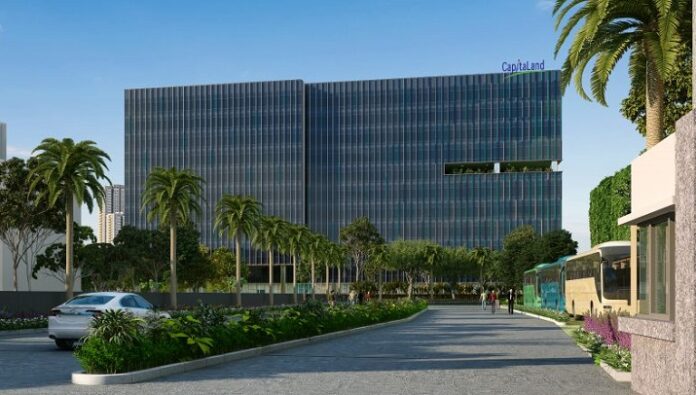
        CapitaLand, the Singapore-based real estate investment giant, has divested two office park assets in India for approximately $68 million. This strategic sale marks a significant move within India’s booming commercial real estate sector. The assets, including Chennai’s Radial IT Park, served as cornerstone investments for CapitaLand’s India-focused real estate fund launched last year. The sale reflects the growing appetite for high-quality commercial properties among Indian realty players and institutional investors.

        India’s commercial real estate market has witnessed robust growth, with leasing activity in top cities touching a record high in 2023, driven by IT, BFSI, and co-working sectors. CapitaLand’s decision to monetise these properties aligns with its strategy to optimise its portfolio while channelling capital towards newer opportunities. The transaction underscores the increasing interest of domestic developers in acquiring Grade-A assets, which offer stable returns in a market buoyed by rising demand for modern office spaces.

        From a sustainability perspective, the divestment highlights the shifting priorities of global investors like CapitaLand, which have committed to reducing their carbon footprint. The company’s India portfolio, including green-certified buildings, exemplifies the importance of sustainable practices in commercial real estate. New investors in these assets have the opportunity to incorporate renewable energy solutions and energy-efficient systems, aligning with India’s net-zero ambitions.

        Urban development remains a focal point, with transactions like these enhancing the infrastructure of cities like Chennai. Radial IT Park, for instance, plays a pivotal role in catering to the city’s growing IT sector, supporting economic growth and employment. However, real estate developers must balance commercial aspirations with civic needs, including adequate transportation and energy infrastructure, to ensure sustainable urban expansion.

        How Data Centres Are Shaping India’s Real Estate Market

          0
          How Data Centres Are Shaping India’s Real Estate Market
          How Data Centres Are Shaping India’s Real Estate Market

          The digital age has transformed data centres into the backbone of global connectivity, driving exponential growth in cloud computing, artificial intelligence, and big data analytics. As India witnesses a surge in internet penetration and digitalisation, the data centre industry is experiencing unprecedented demand. By 2025, the Indian data centre market is projected to reach $10 billion, powered by government initiatives like Digital India and growing interest from global tech giants. However, this explosive growth presents both opportunities and challenges, particularly in the realm of real estate.

          Data centres require vast amounts of space and specific infrastructure, leading to a spike in demand for strategically located properties. Tier-I cities like Mumbai, Chennai, and Bengaluru are emerging as prime locations due to their robust IT ecosystems and connectivity. However, real estate developers are now eyeing Tier-II cities, where costs are lower, and opportunities for expansion are abundant. This shift aligns with India’s growing decentralisation and offers opportunities for job creation and urban development in smaller cities.

          Despite the opportunities, the data centre industry grapples with significant challenges, especially sustainability concerns. Data centres consume enormous amounts of energy, often relying on non-renewable sources, and generate substantial heat, necessitating efficient cooling systems. Innovations like green data centres, which incorporate renewable energy and advanced cooling technologies, are critical to reducing their carbon footprint. Policies encouraging renewable energy adoption and incentives for sustainable practices could bolster the industry’s environmental credentials.

          From an urban planning perspective, the rise of data centres necessitates infrastructure upgrades, including improved power grids and better internet connectivity. While these projects promise economic growth and modernisation, they must address civic concerns such as land use conflicts and environmental impact. Sustainable development frameworks and public-private collaborations are essential for balancing technological advancement with the broader needs of society.


          Vida Realty Secures Occupation Certificates for Three Premium Projects

          0
          Vida Realty Secures Occupation Certificates for Three Premium Projects
          Vida Realty Secures Occupation Certificates for Three Premium Projects

          Vida Realty has successfully secured Occupation Certificates (OC) for three of its premium residential projects: Upper East 97 in Malad (East), Roha Vatika in BKC Annexe, and East Eden in Vile Parle (East). These developments span a total of 2.5 acres and collectively offer over 680 residential units in some of Mumbai’s most desirable neighborhoods. The achievement underscores Vida Realty’s commitment to timely delivery, regulatory compliance, and quality construction. With this, the company strengthens its reputation as a trusted developer known for delivering homes that meet legal and regulatory standards.

          The receipt of Occupation Certificates is especially significant in Mumbai’s buyer-centric market, where homebuyers increasingly prioritize developments that meet key legal milestones. Harshvardhan Tibrewala, MD of Vida Realty, commented, “Securing the OC for these three projects reflects our focus on delivering homes that are not just thoughtfully designed but also legally compliant and ready for possession.” This accomplishment highlights the company’s emphasis on timely delivery, trust, and quality, principles that remain central to its approach in building spaces that enhance lives and communities.

          Each of the three projects offers unique features: Upper East 97 in Malad (East) boasts 300 units of 2 and 3 BHK apartments in a tropical-inspired development; Roha Vatika in BKC Annexe includes 350 residences with excellent connectivity to Mumbai’s business hub; and East Eden in Vile Parle (East) offers 30 premium 2 BHK residences in a prestigious neighborhood with easy access to essential amenities. The on-time delivery of these projects sets Vida Realty apart in a market often plagued by delays, strengthening buyer confidence and ensuring residents can move in with certainty.