Home Blog Page 459

Lucknow Development Authority to Begin Plot Registration for Mohan Road Scheme

    0
    Lucknow Development Authority to Begin Plot Registration for Mohan Road Scheme
    Lucknow Development Authority to Begin Plot Registration for Mohan Road Scheme

    Lucknow Development Authority (LDA) is set to begin the plot registration process for its Mohan Road scheme, following the RERA registration of sectors 3, 4, 6, and 7 in the first phase. The LDA plans to streamline the development process as it focuses on the construction of residential plots and the expansion of essential infrastructure.

    During a site inspection on Tuesday, LDA Vice-Chairman Prathamesh Kumar directed officials to accelerate development work by enhancing machinery deployment and increasing the workforce. He specifically emphasized progress in sector-6, located on acquired land in Kaliakheda village, where road marking, surface dressing, and levelling activities were in motion. The LDA is committed to enhancing the area with key infrastructure such as roads, drains, and sewers, estimated at a cost of Rs 25 crore. This development will include 1,617 residential plots ranging from 112.50 sqm to 450 sqm in sectors 3, 6, and 7, while sector-4 will offer 22 group housing plots spread across 56 acres. A major highlight of the project is the inclusion of 18 large parks across these sectors, aimed at providing green spaces for residents. To facilitate smoother project execution, Kumar also instructed the setup of an additional site office in Kaliakheda.

    In a separate inspection of the Devpur Para housing scheme, Kumar addressed parking challenges in 1,520 SMIG and MIG flats. He directed officials to construct basement parking facilities with parks built on top. Additionally, the LDA was instructed to replace outdated playground equipment and speed up the completion of EWS buildings. Kumar cautioned officials about potential penalties for any delays exceeding two weeks in these tasks. This development initiative by the LDA is expected to cater to growing housing demands in Lucknow while enhancing infrastructure in the region.

    Kochi KCZMA Issues Guidelines to Local Bodies on Dwelling Unit Permits

      0
      Kochi KCZMA Issues Guidelines to Local Bodies on Dwelling Unit Permits
      Kochi KCZMA Issues Guidelines to Local Bodies on Dwelling Unit Permits

      Kerala Coastal Zone Management Authority (KCZMA) has issued a set of guidelines for local bodies to follow when granting permits for residential construction within coastal regulation zones (CRZ), in accordance with the 2019 CRZ notification. This move, outlined in a government order (GO) dated December 6, 2024, aims to streamline the process of residential development in designated coastal areas of Kerala.

      Under the new guidelines, local self-government institutions are authorized to issue construction permits for residential units up to 300 square meters in areas classified as CRZ II, CRZ III A, and CRZ III B. However, these approvals will be subject to compliance with conditions stipulated in the 2019 CRZ notification. The order specifies that applications for residential buildings exceeding 300 square meters, as well as non-residential constructions and the regularisation of traditional coastal dwellings, must be submitted to the KCZMA along with recommendations from the local authority. These applications must also include a signed budget estimate, scrutiny fees, and a building or site plan, including essential details such as distance from the high tide line and geo-coordinates.

      For properties located within CRZ II, any construction or road built before January 18, 2019, must be documented and included in the application plan. Applications for construction activities in CRZ categories other than CRZ II, CRZ III A, and CRZ III B, as well as for the regularisation of traditional coastal dwellings built under the 2011 CRZ notification, are to be directly submitted to the Coastal Management Authority. Furthermore, district-level committees (DLC) have been tasked with verifying construction permits and identifying violations in compliance with the 2019 CRZ guidelines. Local self-government institutions are responsible for ensuring that all guidelines are followed before granting permits. They are also required to submit reports on housing applications—whether approved, rejected, or under consideration—to the district-level committee every three months.

      The GO further empowers local self-government secretaries to issue construction permissions only if the applications comply with the rules and undergo necessary inspections. KCZMA retains the authority to cancel any construction permits that violate laws or guidelines. These measures are part of Kerala’s ongoing efforts to manage and regulate development in coastal regions, ensuring that it aligns with environmental protection and sustainable urban planning practices. The new rules aim to balance the need for development with the protection of Kerala’s delicate coastal ecosystems.

      ADB to Provide Rs 1,527 Crore Aid for Phase-II of Nagpur Metro Project

        0
        ADB to Provide Rs 1,527 Crore Aid for Phase-II of Nagpur Metro Project
        ADB to Provide Rs 1,527 Crore Aid for Phase-II of Nagpur Metro Project

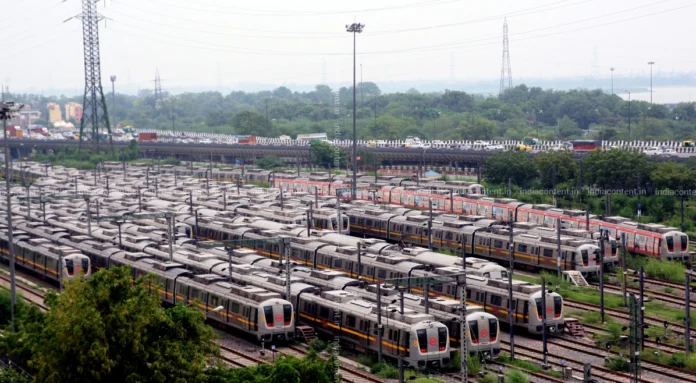
        The Asian Development Bank (ADB) has approved a Rs 1,527 crore funding package for Phase-II of the Nagpur Metro project, aimed at expanding the city’s metro network to enhance urban mobility and connectivity. This financial support will significantly boost Nagpur’s public transportation infrastructure, building on the progress made by the first phase of the metro network. Phase-II will cover an additional 14.5 kilometers, connecting more critical locations and improving overall city connectivity. The project is a collaboration between the Indian government, Maharashtra state government, and ADB.

        The ADB’s investment is part of its commitment to supporting sustainable infrastructure development across India, focusing on improving public transport systems. Phase-II of the Nagpur Metro will help reduce traffic congestion, improve air quality, and make the city’s infrastructure more resilient. The funding will primarily cover the construction of new metro lines, stations, and related infrastructure, contributing to a larger urban mobility initiative that aims to provide efficient, eco-friendly public transportation options for India’s rapidly growing cities.

        Nagpur Metro has already seen success with its first phase, and Phase-II will further expand the benefits of modern metro systems. Once completed, Phase-II is expected to offer a seamless transit experience, encouraging residents to switch to public transport, reducing dependence on private vehicles, and contributing to the city’s sustainable growth. The ADB’s funding ensures the project will proceed without delays, meeting the growing transportation demands of Nagpur.

        Reviving Musi Riverfront Balancing Development with Community Needs

        0
        Reviving Musi Riverfront Balancing Development with Community Needs
        Reviving Musi Riverfront Balancing Development with Community Needs

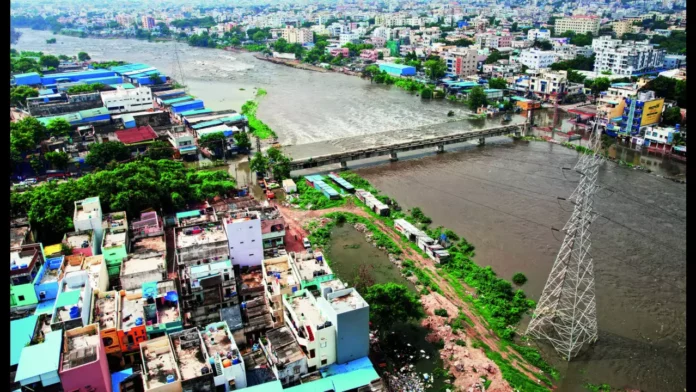
        The Musi Riverfront development project in Hyderabad, aimed at beautifying the Musi River and restoring historical structures, has raised concerns regarding the displacement of local communities and transparency in the planning process. The Telangana government’s proposal to demolish over 16,000 homes along the riverbanks has sparked heated debates, particularly as the government has yet to provide a clear, detailed project report. This has led to questions about the underlying motivations and the social and environmental consequences of the ambitious scheme.

        The government has identified several areas for redevelopment, which include the restoration of historic buildings and the creation of a tourist destination. However, this comes with the controversial decision to clear numerous residential settlements, many of which are home to economically disadvantaged families. The demolition plan has been criticised for lacking proper compensation measures for the affected residents, as well as for the absence of a thorough risk assessment. While the government’s aim to enhance the river’s aesthetic appeal and promote tourism is commendable, the process raises critical concerns about the treatment of vulnerable communities who have lived in these areas for generations.

        The project has also drawn attention for its financial planning, with the Telangana government seeking a Rs 4,000 crore loan to fund the initiative. Critics argue that this borrowing is being undertaken without sufficient project transparency or public consultation. Comparisons have been made with similar river-cleaning projects, such as the Ganga and Sabarmati revitalisation initiatives, where substantial budgets have been allocated, but the outcomes have often been slow and complex. The ongoing project in Telangana, with its focus on beautification and tourism, will likely require more than just a financial investment to ensure its long-term success and sustainability.

        From a sustainability perspective, the Musi Riverfront project presents both opportunities and challenges. While the beautification of the Musi River could contribute to urban green spaces and enhance the city’s environmental profile, the displacement of families could result in significant socio-economic impacts. The project’s success will hinge on balancing urban development with the needs of the local population and ensuring that any urban renewal is both inclusive and sustainable. A clear and comprehensive environmental and social impact assessment, alongside equitable compensation for affected communities, will be essential to the project’s long-term viability.

        Godrej Properties Empowers Women in Real Estate with CREW Initiative

          0
          Godrej Properties Empowers Women in Real Estate with CREW Initiative
          Godrej Properties Empowers Women in Real Estate with CREW Initiative

          In an industry traditionally dominated by men, Godrej Properties Limited (GPL) is rewriting the narrative by fostering gender inclusivity through its groundbreaking initiative, CREW (Collective of Real Estate Women). While women influence nearly 70 per cent of property purchase decisions, their representation in the real estate workforce lags at a mere 10–12 per cent. Recognising this imbalance, CREW aims to bridge the gap, empowering women professionals and inspiring long-term careers in a male-dominated sector.

          Launched initially in Mumbai and Pune, CREW has evolved into a national movement, with its latest expansion set for Delhi. Through networking opportunities, mentorship programmes, and skill-building workshops, the initiative addresses the isolation women often experience in this sector. “Women frequently find themselves as the lone female presence on their teams, which can discourage retention,” explains Megha Goel, Chief Human Resources Officer, Godrej Properties. CREW connects women professionals across roles, enabling them to thrive in real estate, construction, and allied fields.

          From a sustainability angle, the initiative supports economic diversity and gender equality, key components of the UN Sustainable Development Goals (SDGs). Inclusive workspaces foster innovation, enabling companies like Godrej Properties to address housing challenges more holistically. By empowering women, CREW enhances the industry’s ability to deliver sustainable and community-focused solutions. On an urban scale, initiatives like CREW hold the potential to catalyse wider societal shifts. Encouraging women to participate in real

          High-Rise Delays in Jakkur North Bengaluru’s Growth Struggles

          0
          High-Rise Delays in Jakkur North Bengaluru’s Growth Struggles
          High-Rise Delays in Jakkur North Bengaluru’s Growth Struggles

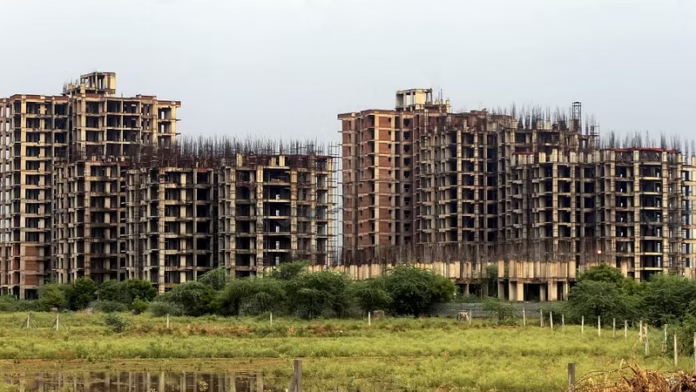
          North Bengaluru’s Jakkur, a burgeoning hub for luxury high-rises, is grappling with project delays that have left homebuyers in a bind. The region, often praised for its strategic location near Kempegowda International Airport and its burgeoning IT corridor, is now under scrutiny as numerous high-rise residential projects remain unfinished. These delays are attributed to a combination of regulatory bottlenecks, funding challenges, and infrastructure development lags.

          Developers cite approvals and permissions as a significant hurdle, with zoning regulations and environmental clearances slowing progress. Moreover, rising construction costs, fuelled by inflation and global supply chain disruptions, have compounded the issue, leaving several builders financially strained. While Jakkur was once a poster child for North Bengaluru’s real estate boom, the delays have dented its image, causing potential buyers to question the reliability of investments in the area.

          From a sustainability standpoint, the delays have a dual impact. Unfinished projects not only frustrate buyers but also exacerbate environmental concerns. Construction sites left in limbo often generate waste and become eyesores in otherwise green neighbourhoods. A shift towards sustainable practices, including the use of eco-friendly construction materials and energy-efficient designs, could mitigate some of these challenges and restore buyer confidence.

          On the civic front, the delays highlight broader issues of urban planning in Bengaluru. While demand for housing in Jakkur has surged, the supporting infrastructure—roads, drainage, and utilities—has struggled to keep pace. The lag in infrastructure exacerbates project delays and adds to residents’ woes. Policymakers must prioritise better coordination between civic authorities and developers to ensure timely delivery of projects, ensuring Jakkur realises its potential as a thriving residential hub.

          Institutional Investment in Indian Real Estate Soars to $8.87 Billion in 2024

            0
            Institutional Investment in Indian Real Estate Soars to $8.87 Billion in 2024
            Institutional Investment in Indian Real Estate Soars to $8.87 Billion in 2024

            India’s real estate sector witnessed a record-breaking year in 2024, attracting $8.87 billion in institutional investments—a staggering 51% growth compared to $5.88 billion in 2023, according to the latest report by real estate consultancy JLL India. This unprecedented surge underscores the growing investor confidence in the sector, driven by robust demand across residential, office, and warehousing assets. Notably, the year also marked a 47% increase in the number of deals, reflecting heightened deal-making activity.

            Foreign institutional investors (FIIs) played a pivotal role, contributing 63% of the total inflows. The residential sector emerged as the top asset class, capturing 45% of the investments, followed by office properties at 28% and warehousing at 23%. With 78 deals concluded, 2024 surpassed the sector’s previous high of $8.4 billion recorded in 2007, signalling a milestone year for Indian real estate.

            From a sustainability perspective, the influx of institutional funds is expected to accelerate the adoption of green building practices. Many investors are channelling their funds into sustainable developments that focus on energy efficiency, renewable resources, and eco-friendly construction. This shift aligns with global trends, where investors increasingly prioritise Environmental, Social, and Governance (ESG)-compliant projects.

            While the investment surge is a promising development for India’s urban economy, it also raises civic questions regarding equitable growth. The focus on high-value asset classes like office buildings and warehousing could widen disparities in urban infrastructure development, leaving affordable housing projects underfunded. Policymakers must balance these priorities to ensure that urbanisation benefits a broader demographic while maintaining sustainable growth.

            Luxury Housing in 2024 Redefining Wealth and Social Prestige

              0
              Luxury Housing in 2024 Redefining Wealth and Social Prestige
              Luxury Housing in 2024 Redefining Wealth and Social Prestige

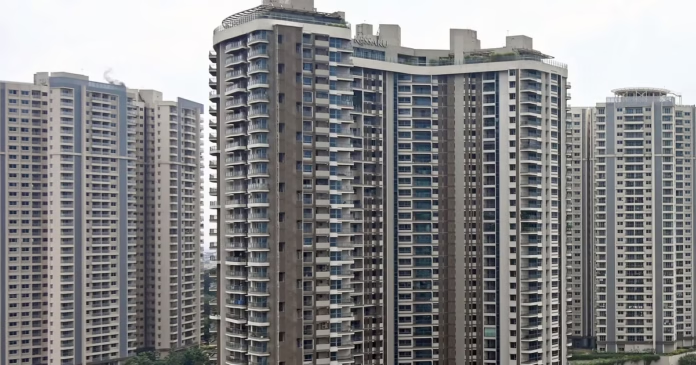
              As 2024 comes to a close, India’s luxury housing market has witnessed a remarkable transformation, emerging as the definitive status symbol for affluent buyers. From opulent penthouses in Mumbai to sprawling villas in Bengaluru, luxury real estate has become synonymous with wealth, reshaping perceptions of affluence across the country. Not just homes, these properties now signify exclusivity, design sophistication, and sustainable living—a package that has redefined aspirations in urban India.

              The demand for premium properties has soared, fuelled by a robust post-pandemic recovery in the real estate sector and the emergence of High Net-Worth Individuals (HNIs) and Ultra-High Net-Worth Individuals (UHNIs). According to Knight Frank’s Wealth Report, India saw a 14% rise in UHNIs in 2024, further driving the appetite for luxury homes. Cities like Delhi, Mumbai, and Hyderabad recorded a 20-25% surge in luxury housing transactions, underscoring the sector’s resilience despite global economic uncertainties. Buyers today prioritise smart homes, wellness features, and sustainable designs—showcasing an evolved definition of luxury.

              Sustainability has taken centre stage in luxury housing, with green architecture, energy-efficient designs, and water conservation measures being key attractions. Developers are integrating renewable energy systems, such as solar panels and rainwater harvesting, into high-end projects. Comparatively, global markets in cities like Dubai and London have also adopted similar practices, reflecting a global alignment towards eco-conscious lifestyles in elite housing.

              From a civic perspective, luxury real estate has also catalysed urban development, introducing upgraded infrastructure and creating high-value neighbourhoods. However, the rapid rise of this segment has also raised questions about housing affordability in nearby areas, drawing attention to a widening gap between socio-economic classes. Addressing this disparity remains a challenge for policymakers and urban planners as they navigate the dual priorities of development and equity.

              MCG Dismantles 20 Illegal Structures to Reclaim Seven Acres in Gurugram

              0
              MCG Dismantles 20 Illegal Structures to Reclaim Seven Acres in Gurugram
              MCG Dismantles 20 Illegal Structures to Reclaim Seven Acres in Gurugram

              Municipal Corporation of Gurugram (MCG) demolished nearly 20 unauthorized temporary structures spread across seven acres of land in Sector 62. This area, valued at crores of rupees, is part of a residential zone that is designated for both residential and commercial development.

              The demolition drive was led by RS Batth, the nodal officer for MCG enforcement, and supported by over 100 police personnel. The illegal structures dismantled included nurseries, temporary jhuggis, and an unauthorized borewell. The encroached land had been used for farming and scrap-related activities, which disrupted the city’s urban planning and development goals. During the operation, some locals raised objections, claiming that the land was part of a court dispute. However, MCG officials clarified that no stay order was in place on the property, and after a thorough investigation, it was confirmed that the land is mutated in MCG’s name, nullifying the encroachers’ claims.

              The court matter in question involves a dispute between locals and a private company, which alleged that the land was fraudulently transferred to the panchayat. However, this did not affect MCG’s legal right to take action against encroachments on the property. In addition to the demolition, MCG officials issued a final warning to illegal occupants. They were directed to vacate any remaining constructions within 24 hours. Failure to comply would result in FIRs and further demolitions.

              “We cannot tolerate illegal encroachments, as they disrupt the city’s development goals. Government land must be used to its full potential for the benefit of urban planning,” said RS Batth, emphasizing the importance of safeguarding public assets. The reclaimed land will be vital for the future development of Sector 62, promoting planned urbanization and facilitating the growth of residential and commercial infrastructure in the area. MCG has reiterated its commitment to taking strict action against illegal encroachments throughout the city, ensuring that public land is preserved for the intended development purposes.

              NCLAT Dismisses Spaze Towers’ Plea to Limit Insolvency Process to Single Project

                0
                NCLAT Dismisses Spaze Towers' Plea to Limit Insolvency Process to Single Project

                The National Company Law Appellate Tribunal (NCLAT) on Tuesday dismissed the plea filed by the former promoters of Spaze Towers to limit the Corporate Insolvency Resolution Process (CIRP) to only one project, Spaze Arrow. The real estate firm, which had been facing insolvency proceedings, had initially approached the National Company Law Tribunal (NCLT) in October 2024 following a petition from flat owners. The petition had led to the initiation of insolvency proceedings for Spaze Towers.

                The NCLAT, in its decision, rejected the request to confine the insolvency process to the Spaze Arrow project, stating that it would be unjust to exclude claims related to other projects. The tribunal noted that various claims had been filed regarding Spaze Corporate Park, a project that was incomplete despite receiving an Occupancy Certificate and Completion Certificate. Confining the insolvency process to only one project, the tribunal emphasized, would be unfair to other claimants from different projects.

                “We are not persuaded to pass an order confining the CIRP to only one project, i.e., Spaze Arrow,” the NCLAT stated, reinforcing its stance against limiting the scope of the insolvency process. The tribunal noted that Spaze Towers had failed to complete the construction of flats in Spaze Arrow as per the promised timeline, which had been set at 42 months. The company had also failed to deliver possession within the stipulated period, further justifying the insolvency process.

                The NCLT, in its earlier order, had appointed an Interim Resolution Professional (IRP) to manage Spaze Towers’ operations and placed the company under a moratorium, protecting it from creditors. The NCLT had also rejected the argument by Spaze Towers that it had settled dues with the nine petitioner allottees and thus, these individuals should not be considered financial creditors. The Spaze Arrow project, launched in 2012, was intended to be a high-end commercial complex with retail shops, showrooms, restaurants, and a tower block containing offices and serviced apartments. However, despite the buyers adhering to the agreed construction-linked payment plan between 2016 and 2019, Spaze Towers failed to deliver the project on time. The company also faced delays in obtaining necessary licenses for the project. This is the second time Spaze Towers has faced insolvency. In October 2021, another project, Spaze Corporate Park, also went into insolvency, with claims amounting to approximately Rs 600 crore. However, the company managed to settle the claims without disclosing them to the Supreme Court, leading to the CIRP process being set aside. This recent decision has now once again put Spaze Towers under scrutiny, as it faces insolvency across multiple projects, further affecting its operations and stakeholders.