Home Blog Page 463

Redevelopment Rush Fuels Mumbai’s Real Estate Boom Post-Pandemic

0
Redevelopment Rush Fuels Mumbai's Real Estate Boom Post-Pandemic

The post-pandemic surge in Mumbai’s real estate sector is being driven by an accelerated rush for the redevelopment of old and dilapidated buildings. Once plagued by outdated infrastructure and poor amenities, these buildings are now seeing a wave of residents agreeing to redevelopment projects that promise modern living standards. The pandemic’s rush for homes has hastened the decision for many residents, making redevelopment a more appealing option.

Amit Sawant, a resident of Navi Mumbai’s Vashi, shared his story of how a 40-year-old building in his locality is now being redeveloped. After years of living in a cramped apartment with limited amenities, Sawant and his family will soon have access to a more spacious 3BHK home. The promise of basic amenities such as a lift was a major factor in their decision to agree to the redevelopment. “The lack of basic amenities, such as lifts, parking, and proper sanitation facilities, is a key concern for those living in older buildings. Redevelopment projects offer solutions by providing modern, well-equipped homes with the amenities residents crave,” said Prashant Sharma, president of the National Real Estate Development Council in Maharashtra. According to Sharma, as of May 2024, approximately 31,000 redevelopment projects have already been approved in the city.

Mumbai’s vast number of aging buildings, many built before the 1970s under outdated development regulations, are prime candidates for redevelopment. These structures often lack necessary safety features and amenities, which have prompted many residents to push for redevelopment. The city’s need for redevelopment is further emphasized by the prevalence of “cess properties,” where funds collected for repairs have done little to address structural issues. This often results in squatting tenants, some of whom have lived in the same property for generations, facing cramped spaces and inadequate facilities. A major concern for residents is the lack of car parking, as many buildings were constructed at a time when car ownership was low. “Now, every family has at least two vehicles, and parking is a significant issue,” said Sawant. The redevelopment boom is not just about improving the quality of life for residents but also revitalizing entire neighborhoods. “Redevelopment provides opportunities to not only improve individual homes but also rejuvenate the surrounding area with new cafes, shops, and upgraded infrastructure,” explained Ranjeet Pawar, director of Sugee Group.

Several areas of Mumbai, including Dadar, Bandra, Santacruz, Chembur, and parts of South Mumbai like Girgaum and Grant Road, have seen the most redevelopment activity. Suburbs such as Andheri, Borivali, and Vashi are also experiencing significant redevelopment as the demand for housing continues to rise. The influx of new infrastructure, particularly metro lines and road projects like the Mumbai Coastal Road, is also accelerating the redevelopment process. Areas near metro corridors, such as Lower Parel, Bandra, and Goregaon, have seen rising property values, making them more attractive for developers. While the redevelopment trend is undeniably contributing to the city’s growth, some worry about gentrification and rising living costs. Dr. Niranjan Hiranandani, co-founder of Hiranandani Group, argues that a reduction in the premium levied on redevelopment projects could make housing more affordable. “Reducing the premium would create more affordable housing, ensuring that redevelopment projects provide a better quality of life without making them prohibitively expensive,” Hiranandani said. As Mumbai’s real estate market continues to evolve, a balanced approach between luxury and affordable housing under redevelopment projects will be crucial. While high-end areas like South Mumbai are shifting towards luxury apartments, the suburbs continue to offer more affordable options. By accommodating different income groups, the city can ensure that redevelopment benefits a wider spectrum of residents.

Allahabad HC Overturns Orders on Sub-Lease Cancellations by YEIDA and Noida Authority

0
Allahabad HC Overturns Orders on Sub-Lease Cancellations by YEIDA and Noida Authority

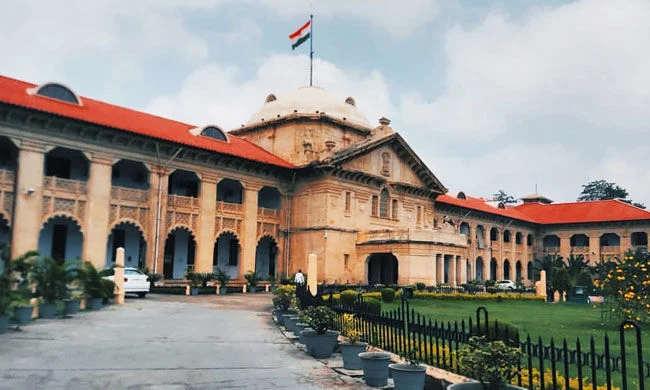
The Allahabad High Court has recently set aside the orders issued by the Uttar Pradesh government’s principal secretary of industry, which had rejected revision petitions filed by builders UG Infrastructure Private Limited and Colourful Estate Private Limited. These petitions were challenging the cancellation of sub-leases by the Yamuna Expressway Industrial Development Authority (YEIDA) and the Noida Authority.

In its ruling on Monday, the Lucknow Bench, led by Justice Pankaj Bhatia, directed the Uttar Pradesh government to take a fresh decision on the two revision petitions within six weeks. The decision came as the court disposed of the writ petitions filed by the builders, whose sub-leases had been canceled by the respective authorities. During the hearing, the petitioners’ lawyers argued that the principal secretary, Anil Kumar Sagar, who held the position of revisional authority, issued conflicting orders on similar petitions and unjustly denied the “zero-period” benefit to the builders. They contended that the decisions were inconsistent, with no clear explanation for the different conclusions drawn on similar matters. On the other hand, the state’s additional advocate general, VK Shahi, and chief standing counsel Ravi Singh Sisodiya defended the conflicting orders, suggesting that the facts presented before the revisional authority differed, thus justifying separate rulings. However, the bench observed that the legal circumstances in both cases were identical. It pointed out that the revisional authority had no valid reason to issue conflicting orders without recording distinct facts and providing appropriate justifications.

In a related development, the Uttar Pradesh government removed Sagar from his role as YEIDA chairman late on Saturday. He was also relieved from additional responsibilities, including principal secretary for infrastructure and industrial development, IT and electronics, and NRI Affairs. Sagar has been placed on a waiting list for reassignment. To address appeals in the future, the state government has now appointed separate officials: Abhishek Prakash for GNIDA cases, Ramya R for Noida and GIDA, and Piyush Verma for YEIDA and UPSIDA. This court ruling marks a significant development in the ongoing legal battle between the petitioning builders and the authorities. The fresh review by the Uttar Pradesh government is expected to provide a clearer resolution to the matter.

Steel Dynamics Forecasts Lower Q4 Profit Due to Weak Steel Prices and Mill Outage

0
Steel Dynamics Forecasts Lower Q4 Profit Due to Weak Steel Prices and Mill Outage

Steel Dynamics, one of the largest steelmakers in the U.S., has forecasted lower-than-expected earnings for the fourth quarter of 2024. The company projected earnings to be between $1.26 and $1.30 per share, a significant drop compared to analysts’ expectations of $1.62 per share. This guidance, issued on Monday, reflects challenges the company is facing due to weaker-than-anticipated steel prices and a setback from an unexpected outage at its Butler flat roll mill.

Before the market opened, Steel Dynamics’ shares fell by 3% in reaction to the earnings revision. The company attributed the decline in its forecast to the continued weakness in average steel pricing, which has affected its margins. Additionally, the mill outage at the Butler plant contributed to a decrease in production volumes, further pressuring the company’s financial outlook for the quarter. Despite the current challenges, Steel Dynamics expressed cautious optimism. The company highlighted that flat-rolled steel prices are stabilizing, and demand for steel remains steady, particularly in primary consuming sectors. Steel Dynamics anticipates an improvement in volumes in 2025, driven by a decline in interest rates and support from U.S. infrastructure initiatives and onshoring activities. These factors are expected to bolster demand for steel in the coming year. Steel Dynamics, based in Fort Wayne, Indiana, is scheduled to report its final fourth-quarter results on January 22, 2025. While the immediate outlook for the company is tempered, it remains confident that the broader economic environment and infrastructure-driven demand will support a stronger performance in 2025.

GIFT City Invites Global Bids to Build 7.54 Lakh Sq Ft Commercial Tower

0
GIFT City Invites Global Bids to Build 7.54 Lakh Sq Ft Commercial Tower

GIFT City, a cutting-edge financial hub located between Ahmedabad and Gandhinagar in Gujarat, is calling for global bids to develop a 7.54 lakh square feet commercial tower. The Gujarat International Finance Tec-City Company Ltd (GIFTCL), which is responsible for GIFT City’s development, has opened up opportunities for both domestic and international companies, as well as consortiums and joint ventures, to be a part of this ambitious project.

As co-developers, the selected bidder will be tasked with the complete lifecycle of the project. This includes designing, financing, developing, constructing, operating, and maintaining the commercial tower. The land for the project will be leased for 99 years, with the lease deed executed only after the construction is completed within a five-year timeframe. To qualify, bidders must meet financial and technical criteria. Financially, the bidder should have an average annual turnover of at least Rs 322.49 crore in the last three consecutive financial years, and a minimum net worth of Rs 161.24 crore. Technically, bidders must have experience in completing projects of commercial, residential, institutional, or mixed-use buildings, with at least one project meeting the criteria of being 500,000 sq ft or larger in size and 40 meters in height over the last six years. They should also have completed a combined construction area of at least 3.77 million sq ft during this period.

GIFT City, India’s first operational International Financial Services Centre (IFSC), has fast become a global financial hub. It already houses over 500 entities, including banks, fintech companies, and even global tech giants like Google, Oracle, and IBM. The city’s rise as a fintech and financial services destination has been accelerated by the International Financial Services Centres Authority (IFSCA), which regulates all financial services in the city. The successful bidder for this commercial tower will be able to lease or sub-lease spaces to various entities engaged in banking, insurance, asset management, IT services, and more. A pre-bid meeting is scheduled for December 27, and the financial bid submission deadline is January 31. With the deadline for bids fast approaching, this is an exciting opportunity for companies looking to be part of India’s growing financial and technological landscape.

Real Estate Market Struggles in Srikakulam District Due to Low Demand

    0
    Real Estate Market Struggles in Srikakulam District Due to Low Demand
    Real Estate Market Struggles in Srikakulam District Due to Low Demand

    The real estate sector in Srikakulam district has been facing a significant downturn over the past several years. Once a thriving market, it now suffers from stagnation, with real estate activity plummeting due to a combination of high land prices, lack of development, and growing awareness among potential buyers about the many loopholes in the market.

    The main reason for the current slump is the mismatch between the supply and demand for house sites. Despite the mushrooming growth of real estate ventures in the district, demand for house sites has not kept pace with the increasing availability of land. Many real estate developers have overestimated the potential of their ventures, resulting in an oversupply of plots that remain unsold. Another crucial factor is the rising cost of house sites in these ventures. People living in rural and semi-urban areas are increasingly opting to build homes in their own villages, where the cost of land remains far lower. This shift away from urban-based projects has significantly reduced the demand for house sites within real estate ventures, particularly as these sites are often priced beyond the reach of local residents. Moreover, many people from the district are either opting to migrate to other parts of the state in search of better opportunities or choosing to settle in their native villages, where they find it more affordable to build homes. The lack of industrial development, as well as the absence of commercial and educational institutions, has also contributed to the reduced interest in house sites. Without these crucial factors, the local economy fails to attract potential buyers who may have been considering relocating to Srikakulam for work or study.

    Despite the sharp drop in transactions, brokers continue to operate across the district. Unfortunately, their focus has shifted to exploiting unsuspecting buyers, often through deceptive practices. This exploitation is evident in the way some brokers are still pushing land sales, despite the lack of genuine demand.


    Purvankara, Oberoi Realty Rally 10%; BSE Realty Index Up 17% in One Month

      0
      Purvankara, Oberoi Realty Rally 10%; BSE Realty Index Up 17% in One Month
      Purvankara, Oberoi Realty Rally 10%; BSE Realty Index Up 17% in One Month

      Shares of Indian real estate companies experienced a notable surge in Monday’s intra-day trade, with stocks like Purvankara and Oberoi Realty rising by up to 10%. This rally comes as strong investor sentiment drives expectations for the sector’s robust growth in the coming months. Despite broader market weakness, the BSE Realty index outperformed, climbing 17% over the last month, fueled by optimism surrounding growth in both residential and commercial real estate segments.

      Purvankara, for instance, was locked at a 10% upper circuit limit at Rs 442.60. Other major players, such as Sunteck Realty, Ashiana Housing, Mahindra Lifespace Developers, and Macrotech Developers, also saw upward movement in their stock prices, reflecting strong investor confidence. The BSE Realty index closed the day up 2.6%, making it one of the top sectoral gainers, in contrast to the BSE Sensex, which declined by 0.52%. Analysts at HDFC Securities remain optimistic about the residential real estate market, driven by strong end-user demand and the delivery capabilities of established developers. They expect Grade A developers with substantial land reserves and a proven track record to continue dominating the market. A multi-regional presence is seen as key for growth and stock outperformance in the medium term. Prestige Estates and Sobha are regarded as top picks in South India, thanks to their strong market presence and strategic expansions into high-growth regions. Although challenges like regulatory delays in approvals could cause short-term supply constraints, developers such as Sobha, Prestige, and Godrej Properties in Bengaluru are well-positioned for long-term growth.

      Looking ahead, Nirmal Bang Institutional Equities projects that the real estate sector will grow at a CAGR of 9% from FY25 to FY30, with the market potentially reaching $1 trillion. This growth will likely boost the sector’s contribution to India’s GDP from 6% in FY17 to 13% by FY25E, supported by factors like rising urbanization, higher disposable incomes, and increased demand for residential, commercial, and logistics spaces. Additionally, the growing need for data centers is expected to play a significant role in the sector’s expansion. With favorable macroeconomic conditions and evolving market dynamics, the real estate sector is poised to be a leading growth driver in India’s economy, presenting promising opportunities for investors.

      Why Real Estate Is the Best Long-Term Investment Over Gold and Stocks

        0
        Why Real Estate Is the Best Long-Term Investment Over Gold and Stocks
        Why Real Estate Is the Best Long-Term Investment Over Gold and Stocks

        Indian investors often turn to three primary options: gold, stocks, and real estate. While each has its advantages, real estate stands out as the most reliable and rewarding choice for long-term value. From its proven ability to hedge against inflation to its potential for generating passive income, real estate continues to lead in securing and growing wealth over time.

        Real estate has long been recognized as an effective hedge against inflation. Over the past two decades, the Indian real estate market has seen an average annual appreciation of 8-10%, consistently outperforming inflation rates. In contrast, gold, while historically considered a safe haven asset, tends to experience volatility, with annual returns averaging 6-7% during the same period. Stocks, on the other hand, can yield substantial returns in bullish periods but are also vulnerable to economic downturns, making them less predictable over the long term. One of the key factors that sets real estate apart from gold and stocks is its tangible nature. Owning a physical asset, whether it’s a residential apartment or a commercial space, provides both security and utility. While stocks can fluctuate dramatically, and gold’s value is heavily influenced by global factors, real estate offers a consistent, intrinsic value. For example, during the pandemic, when the stock market saw significant downturns, the demand for larger homes increased, as families sought more space and security. This illustrates real estate’s resilience in uncertain times. Real estate also has a unique ability to generate generational wealth. A well-chosen property appreciates steadily over time and provides consistent rental income. In prime urban centers like Gurugram or Mumbai, rental yields can range from 2-4% annually, with even higher yields in emerging suburban markets like Noida or Pune. Unlike gold, which doesn’t produce any recurring income, and stocks, which rely on dividend payments that are subject to company performance, real estate offers reliable cash flow through rental income, making it an ideal long-term investment.

        Looking to the future, India’s real estate market is set to expand exponentially, especially in Tier 2 and Tier 3 cities. Driven by initiatives like the Delhi-Mumbai Industrial Corridor and a push for “housing for all,” the market is primed for growth. Technological advancements such as blockchain for transparent property transactions and a shift toward sustainable construction will only make real estate even more attractive. With its ability to hedge against inflation, generate passive income, and provide long-term stability, real estate remains the preferred choice for Indian investors looking to secure their wealth for generations to come.

        Noida Real Estate to Benefit from Noida International Airport on Yamuna Expressway

        0
        Noida Real Estate to Benefit from Noida International Airport on Yamuna Expressway
        Noida Real Estate to Benefit from Noida International Airport on Yamuna Expressway

        The Noida International Airport (NIA), located in Jewar along the Yamuna Expressway, is on track to revolutionize the region’s real estate market. As the airport moves closer to its 2025 opening date, experts predict it will significantly impact residential and commercial developments along the expressway. Recently, the airport completed its flight validation procedures, marking a crucial step towards its commercial operations, sparking increasing interest from both investors and end-users in surrounding real estate projects.

        Real estate experts believe that the launch of the airport will be a game-changer for the region. As major infrastructure projects and economic opportunities take shape, the Yamuna Expressway is expected to see a surge in demand for both residential and commercial properties. Notably, the Yamuna Expressway Industrial Development Authority (YEIDA) has already launched several key schemes, including a group housing plot scheme in YEIDA city, offering 20 plots in sectors 22D, 18, and 17. Once these plots are allotted, it’s estimated that up to 30,000 residential units could be developed. Additionally, YEIDA is planning a 100-acre residential township in Sector 24A, further catering to the expected growth fueled by the airport’s operations. The demand for properties in this area is already evident from the 1.12 lakh applications received for 451 residential plots in Sector 24A launched earlier this year. This overwhelming response signals growing investor confidence, as buyers are increasingly eager to secure property near the upcoming airport. Historically, the Yamuna Expressway and Greater Noida have faced challenges, with many housing projects remaining unoccupied due to limited infrastructure and liveability. However, the arrival of the Noida International Airport is set to change this dynamic. Investors are leading the charge, drawn by the area’s development potential, while end-users are expected to follow in the coming years. Experts foresee the rise of commercial developments such as office spaces, retail outlets, and logistics hubs. The availability of more affordable office spaces compared to Gurgaon and Delhi is expected to drive demand, while ancillary airport-related activities, including warehousing, will benefit from the airport’s presence. As the airport nears completion, property prices along the Yamuna Expressway have already doubled since 2020, indicating the area’s growing prominence. Vikas Tomar, Executive President of Square Yards, highlighted that developers are preparing to meet the rising demand, positioning the region for long-term growth and success.

        Worldwide Realty to Invest Rs 320 Crore in 22-Acre Project in Manesar

          0
          Worldwide Realty to Invest Rs 320 Crore in 22-Acre Project in Manesar
          Worldwide Realty to Invest Rs 320 Crore in 22-Acre Project in Manesar

          Worldwide Realty Pvt Ltd plans to invest approximately Rs 320 crore in the development of a 22-acre housing project in Manesar, Haryana. The project, named Golden Residences, is being constructed under the Deen Dayal Upadhyay Jan Awas Yojna (DDJAY) scheme of the Haryana government.

          According to Vikas Aggarwal, Chief Operating Officer of Worldwide Realty, the company has already sold several housing plots within this project and is now launching 400 independent floors for sale. The price of these floors starts at Rs 1.7 crore each. The company plans to release more independent floors in the upcoming phase. The Golden Residences project is part of a larger 180-acre integrated township called The Golden City, of which 118 acres have already been developed into an industrial park. The remaining 40 acres will be used for future developments. Aggarwal highlighted that Manesar is rapidly becoming a top destination for both homebuyers and investors, driven by increasing demand for residential and industrial space. The real estate market in the area has seen strong sales over the past three years, especially post-pandemic, with builders known for good execution benefiting the most. This project represents a major move for Worldwide Realty as it continues to contribute to the growth and development of Manesar’s real estate sector.

          UltraTech Cement Launches Pilot Project to Transport Gypsum via Inland Waterways

            0
            UltraTech Cement Launches Pilot Project to Transport Gypsum via Inland Waterways
            UltraTech Cement Launches Pilot Project to Transport Gypsum via Inland Waterways

            UltraTech Cement Limited has announced the launch of a pilot project to transport mineral gypsum via National Waterway 1, part of India’s Ganga-Bhagirathi-Hooghly river system. This marks a significant step in the company’s efforts to promote sustainable logistics. The announcement was made by Sarbananda Sonowal, the Minister of Shipping, Ports, and Waterways, at Kolkata’s G.R. Jetty.

            The gypsum consignment is being transported from Haldia Port in West Bengal to the Gaighat Terminal in Patna, Bihar, and will then be taken to UltraTech’s Pataliputra Cement Works, a cement grinding unit in Patna District. This move is aligned with the Maritime India Vision 2030 and Maritime Amrit Kaal Vision 2047, which emphasize the use of inland waterways to improve sustainability and reduce carbon footprints. K.C. Jhanwar, the Managing Director of UltraTech Cement, emphasized that innovative transport solutions are key to achieving the company’s Net Zero emissions goal by 2050. He also highlighted that the pilot project reflects UltraTech’s commitment to green logistics. In a previous initiative in April 2023, UltraTech successfully transported 57,000 metric tonnes of phosphogypsum from Paradeep Port in Odisha to its facility in Amreli, Gujarat, utilizing both inland and coastal waterways. This pilot project, leveraging National Waterway 1, is another step towards integrating sustainable transport methods in India’s logistics sector.