Home Blog Page 464

Ventive Hospitality’s Rs 1,600 Crore IPO to Open on December 20, 2024

    0
    Ventive Hospitality's Rs 1,600 Crore IPO to Open on December 20, 2024
    Ventive Hospitality's Rs 1,600 Crore IPO to Open on December 20, 2024

    Ventive Hospitality, a hospitality asset owner backed by Blackstone, is set to launch its Initial Public Offering (IPO) on December 20, 2024, which will close on December 24, 2024. The IPO will offer fresh equity shares of face value Re 1 each, with a total offering size of Rs 1,600 crore. The issue will be divided as follows: 75% of the net issue will be available for Qualified Institutional Buyers (QIBs) on a proportionate basis, 15% will be allocated to non-institutional bidders, and 10% will be reserved for retail individual bidders.

    The company may also allocate up to 60% of the QIB portion to anchor investors at their discretion, in line with SEBI regulations. The proceeds from the IPO will primarily be used for debt repayment, including the full or partial prepayment of borrowings. The company also plans to invest in its step-down subsidiaries, SS & L Beach and Maldives Property Holdings, for interest payments and subsidiary investments. Founded as the hospitality division of Panchshil Realty, Ventive Hospitality was rebranded after Blackstone acquired a 50% stake in 2017. As of September 30, 2024, the company’s portfolio includes 11 operational hospitality assets across India and the Maldives, totaling 2,036 keys across luxury, upper upscale, and upscale segments. JM Financial, Axis Capital, HSBC Securities, ICICI Securities, IIFL Securities, Kotak Mahindra Capital Company, and SBI Capital Markets are the book-running lead managers for the IPO. The offering presents a significant opportunity for investors to participate in the growing hospitality sector, backed by a strong portfolio and Blackstone’s expertise.


    Brookfield India Trust Launches QIP to Raise INR 3,500 Crore

      0
      Brookfield India Trust Launches QIP to Raise INR 3,500 Crore
      Brookfield India Trust Launches QIP to Raise INR 3,500 Crore

      Brookfield India Real Estate Trust has recently launched a Qualified Institutional Placement (QIP) to raise up to INR 3,500 crore by issuing shares to institutional investors. The company, through a regulatory filing, stated that the Issue Committee of the board of directors of Brookprop Management Services Pvt Ltd, the manager of Brookfield India REIT, approved the opening of the QIP. The floor price for the issue was set at INR 287.55 per unit, while the unit price closed at INR 290.73 per unit on the Bombay Stock Exchange.

      The funds raised through the QIP will serve multiple purposes, including debt repayment, capital expenditures, and general corporate purposes such as supporting future growth opportunities, both organic and inorganic. The company aims to use the capital for the partial or full prepayment of outstanding borrowings and funding future investments in creditworthy instruments. Brookfield India REIT currently boasts a diverse portfolio of 10 Grade A assets across key urban centres such as Delhi, Mumbai, Gurugram, Noida, and Kolkata. The total leasable area of the portfolio stands at 28.9 million square feet, which includes 24.3 million square feet of operational space, 0.6 million square feet under construction, and 4 million square feet earmarked for future development. This extensive footprint positions the trust as a significant player in the Indian commercial real estate market with substantial room for growth. The QIP follows an earlier approval by the unitholders to raise up to INR 3,500 crore through unit issuances. With this strategic move, Brookfield India REIT is looking to strengthen its financial position, reduce debt, and continue expanding its portfolio to enhance its presence in India’s competitive real estate sector.

      2025 to Witness New Growth Opportunities in Tier 2, 3 Cities for Indian Real Estate

        0
        2025 to Witness New Growth Opportunities in Tier 2, 3 Cities for Indian Real Estate
        2025 to Witness New Growth Opportunities in Tier 2, 3 Cities for Indian Real Estate

        2025 is set to be a year of consolidation and innovation for the Indian real estate sector, after a robust performance across residential, office, and industrial domains in 2024, according to a report by Colliers India. While residential and office markets may stabilise after a period of growth, industrial and warehousing sectors are expected to continue their upward trajectory, driven by increasing manufacturing output and a thriving logistics industry.

        A major shift will take place in tier 2 and 3 cities, where rapid urbanization and infrastructure developments such as industrial corridors will create new growth opportunities. The completion of key infrastructure projects in these cities is expected to catalyse significant demand in both residential and commercial real estate sectors. In 2024, leasing activity in India’s top six cities reached 47 million square feet, marking a 23% year-on-year increase. The residential market has seen strong performance with 11% annual price growth across the top eight cities, aided by stable interest rates. On the industrial and warehousing front, leasing activity in the first nine months of 2024 grew by 17%, with 20.2 million square feet leased across the top five cities. Delhi-NCR and Chennai are expected to account for nearly 50% of the leasing activity.

        Institutional investment in Indian real estate remains strong, with $4.7 billion in investments during the first nine months of 2024. This investment flow is expected to reach $5-6 billion by the year-end, with the office and industrial/warehousing sectors attracting over 70% of the total investments. Looking ahead to 2025, growth is expected not just in traditional sectors but also in alternative asset classes, including data centres, co-living, and senior housing, in response to shifting demographics and consumer preferences. These new trends reflect a broader transformation in the real estate landscape, propelled by the country’s evolving needs. The regulatory environment in India, with frameworks like SM-REITs (Small and Medium REITs) and updated RERA (Real Estate Regulation and Development Authority Act) rules, is fostering increased transparency and attracting investment. This will continue to drive fair pricing and institutionalization within the sector, enhancing the appeal for both developers and investors. With strong demand from domestic occupiers and Global Capability Centres (GCCs), the sector is poised to see significant growth in 2025, particularly in tier 2 and 3 cities, where infrastructure and industrial developments are expected to stimulate real estate opportunities across various segments.

        Odisha CM Announces Rs 4,000 Crore Cement Factory in Malkangiri

        Odisha CM Announces Rs 4,000 Crore Cement Factory in Malkangiri
        Odisha CM Announces Rs 4,000 Crore Cement Factory in Malkangiri

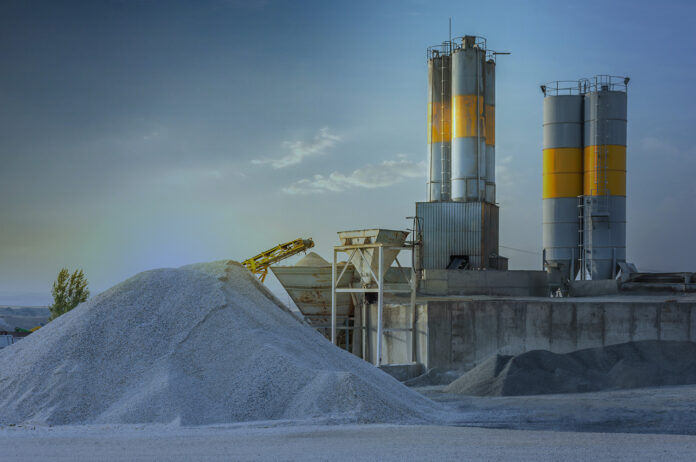
        Odisha Chief Minister Mohan Charan Majhi has announced plans to set up a mega cement factory in Malkangiri district, with an investment of Rs 4,000 crore. The factory is expected to provide employment to around 2,000 people in the region, significantly contributing to local employment and economic growth.

        During his visit to Malkangiri, the CM chaired a review meeting with district officials, including key figures like Nityanand Gand, the minister for social security and empowerment of the disabled, and Malkangiri MLA Narasinh Madakami. The CM emphasized the need for urgent implementation of development schemes aimed at enhancing the infrastructure in tribal-dominated areas, including railway development, national highways, and rural roads. In addition to industrial growth, education was highlighted as a priority, with the CM stressing the importance of appointing at least two teachers in every school to improve learning outcomes. He also outlined plans under the Jeevan Jeevika Mission, aiming to raise Malkangiri’s development to match that of Odisha’s leading districts. Majhi has instructed the district collector and southern revenue commissioner to monitor progress regularly, ensuring that projects, especially those in the cut-off areas, are fast-tracked. The cement factory is part of a larger strategy to bring significant development to Malkangiri.

        DTCP Bans Sale and Purchase in Mahira Homes’ Societies in Gurugram

          0
          DTCP Bans Sale and Purchase in Mahira Homes' Societies in Gurugram
          DTCP Bans Sale and Purchase in Mahira Homes' Societies in Gurugram

          The Department of Town and Country Planning (DTCP) has imposed a ban on the sale and purchase of properties in two societies developed by Mahira Homes Group in Sectors 103 and 104 of Gurugram. This action follows the builder’s failure to deposit External and Internal Development Charges (EDC/IDC) and resolve disputes regarding licensing documents.

          Earlier, Mahira Homes received a show-cause notice on August 11, 2023, from the DTCP, granting an opportunity to clear the dues and address the licensing issues. However, the developer ignored the notice, leading to further scrutiny. The issue deepened when landowners filed complaints, accusing the builder of using forged documents to obtain housing licenses for the projects. Mahira Homes and its partner Czar Buildwell had obtained housing licenses in 2019 and 2021, but these have now come under suspicion. In response to the builder’s negligence, the DTCP director directed the district deputy commissioner to prohibit all transactions involving land or flats within the two affected societies. This action has left more than 5,000 homebuyers in limbo, with many protesting against the stalled projects and grappling with uncertainty regarding their investments.

          Additionally, the Haryana Real Estate Regulatory Authority (H-Rera) has enlisted experts from the National Buildings Construction Corporation (NBCC) to assess the stalled projects and expedite their completion. The experts conducted site inspections to evaluate the construction progress and actual site conditions. The findings of their comprehensive report are expected to determine the next course of action. The DTCP’s decision underscores its commitment to holding developers accountable for non-compliance with housing regulations. Experts believe that such actions are crucial in protecting homebuyers’ interests and combating fraudulent practices within the real estate sector.

          Homebuyers of Gaursons Sportswood Move Allahabad HC Over Delayed Flat Registrations

            0
            Homebuyers of Gaursons Sportswood Move Allahabad HC Over Delayed Flat Registrations
            Homebuyers of Gaursons Sportswood Move Allahabad HC Over Delayed Flat Registrations

            A group of 44 homebuyers from Gaursons Sportswood, a residential project in Sector 79, Noida, has filed a writ petition in the Allahabad High Court, demanding the registration of their flats that were handed over to them five years ago. The delay in registration, which has impacted many buyers, is not due to outstanding dues—common in similar housing projects—but stems from issues related to the Sports City project as a whole.

            The Sportswood towers are part of Noida Authority’s ambitious Sports City project, which was launched in 2010. The project was designed to include 70% of the land for sports infrastructure, with the remaining land reserved for residential and commercial development. A consortium, led by Xanadu Estate Pvt Ltd, was tasked with developing the land across various sectors, including sectors 78, 79, and 101. However, a 2019 audit by the Comptroller and Auditor General (CAG) revealed significant irregularities in the development, particularly with the sports amenities that were supposed to occupy the majority of the land. The findings led to the suspension of approvals for revised maps, occupancy certificates, and registry applications for all Sports City projects in January 2021. As a result, despite having fulfilled all financial obligations, including stamp duty and farmer compensation, homebuyers in Sportswood have been unable to complete the registration process for their flats.

            One of the petitioners, Sanwarjeet Dasoundi, emphasized that the project had received a temporary completion certificate in March 2019 after meeting the construction requirements. The flats were handed over to the buyers, and the developer even received a no dues certificate from the Noida Authority. However, the failure to secure a permanent completion certificate, mainly due to policy issues surrounding the broader Sports City project, has stalled the registration process. According to UP-RERA guidelines, a completion certificate is automatically considered approved if the authorities do not process it within seven days, yet the buyers’ registry process remains on hold. The petitioners have requested the court to nullify the condition that ties sublease registration to the permanent completion certificate, urging the court to allow the registrations based on the existing approvals.

            The delay in registrations has caused significant hardships for the homebuyers, as they are unable to sell or transfer their properties due to the lack of formal ownership documentation. Additionally, concerns have grown that upcoming increases in circle rates—expected to rise by 30%—will further escalate registration costs. The Allahabad High Court bench, comprising Justices Manoj Kumar Gupta and Anish Kumar Gupta, has sought a response from the Noida Authority and scheduled the next hearing for January 10, 2025. The outcome of the case may set a significant precedent for other homebuyers in Sports City projects who are facing similar delays. The Sportswood project alone has over 800 homebuyers awaiting resolution.

            NDMC Plans Two Commercial Complexes in Delhi to Boost Infrastructure and Revenue

            0
            NDMC Plans Two Commercial Complexes in Delhi to Boost Infrastructure and Revenue
            NDMC Plans Two Commercial Complexes in Delhi to Boost Infrastructure and Revenue

            The New Delhi Municipal Council (NDMC) has unveiled plans to develop two new commercial complexes aimed at enhancing the capital’s infrastructure and generating additional revenue from its vacant land. These complexes will be built opposite Prithviraj Market and at a vacant plot adjacent to Akbar Bhawan in Chanakyapuri, two prime locations in the city.

            NDMC chairman Keshav Chandra announced these projects as part of the council’s budget proposals for the financial year 2025-26. The first project, located opposite Prithviraj Market and next to Lok Nayak Bhawan, involves redeveloping an area previously occupied by NDMC employees. The single-storey flats in this area will be demolished, and the space will be redeveloped into a commercial complex with offices and retail spaces. The project will span at least eight storeys, with approximately 1 lakh square feet of built-up area, 18-20% of which will be dedicated to retail, while the remainder will house office spaces. Demolition work is expected to begin in March 2025, with the design and feasibility studies for the project to be completed in the current financial year. Work on-site will begin after the project’s approval in the next council meeting.

            The second project involves developing a multi-storey commercial complex at a vacant site in front of Akbar Bhawan. This complex will feature four basements and 10 storeys, with 95,000 square feet of built-up area, following a similar office and retail layout as the Prithviraj Market complex. While the project had been delayed due to litigation in the Delhi High Court, the case has now been resolved, and NDMC is revising the cost estimates. The tender process for this project is expected to be completed within the next six months. In addition to these developments, NDMC is considering utilizing the open parking site for Khan Market and Prithviraj Market for the construction of an underground multi-level parking facility, which would further enhance the area’s commercial infrastructure. These initiatives are part of NDMC’s broader strategy to optimize land use, improve infrastructure, and drive revenue generation in key areas of Delhi. The developments are expected to have a significant impact on the commercial real estate landscape, attracting businesses and offering modern office and retail spaces in some of Delhi’s most sought-after locations.

            Airbus Leases 6.5 Lakh Sq Ft Office Space in Bengaluru to Boost Global Capabilities

            0
            Airbus Leases 6.5 Lakh Sq Ft Office Space in Bengaluru to Boost Global Capabilities
            Airbus Leases 6.5 Lakh Sq Ft Office Space in Bengaluru to Boost Global Capabilities

            Airbus, the European aerospace and defense giant, has leased a substantial 6.5 lakh square feet of office space in Bengaluru’s Titanium Tech Park, marking a major expansion of its operations in India. The company has signed a long-term lease for 10 years, committing to over Rs 500 crore in rental payments for the entire building.

            This new office will house Airbus’ global capability centre (GCC), focusing on supporting its worldwide innovation, technology development, and strategic initiatives. As part of the deal, Airbus has the option to expand the space by an additional 150,000 square feet after one year, which could bring the total leased area to 8 lakh square feet. The lease also includes a provision for a 15% rent escalation every three years, ensuring the lease terms are adjusted in line with market conditions. The lease agreement further provides an option to extend the contract by an additional five years, taking the total potential lease period to 15 years. Airbus is set to begin fit-out work at the site in the coming weeks, with the space expected to support a growing workforce in line with the company’s expanding role in India. Airbus has a significant and growing presence in India, which is considered the world’s fastest-growing civil aviation market. The company is deeply involved in commercial aviation, defense, and aerospace manufacturing, with an engineering centre in Bengaluru and strong partnerships with Indian suppliers such as Tata Advanced Systems and HAL.

            India’s demand for civil aircraft continues to soar, with major airlines like IndiGo and Air India placing significant orders for Airbus aircraft. In the defense sector, Airbus is involved in projects like the C295 aircraft, with the first ‘Make in India’ C295 expected to roll out from its Vadodara facility in September 2026. The deal also reflects the broader trends in India’s office real estate market, where there is robust demand, especially from global capability centres (GCCs). These centres are a key driver of commercial property absorption in the country, and the government is working on policies to further support their expansion into smaller towns and cities. With the demand for office spaces driven by global and domestic corporations, particularly in sectors like technology and manufacturing, the Indian office market is poised for continued growth. The Airbus lease underscores India’s strategic importance in the global corporate real estate landscape and highlights the country’s resilience as a hub for innovation and manufacturing.

            Ahmedabad Civic Body Uses Drums to Shame Property Tax Defaulters

              0
              Ahmedabad Civic Body Uses Drums to Shame Property Tax Defaulters
              Ahmedabad Civic Body Uses Drums to Shame Property Tax Defaulters

              The Ahmedabad Municipal Corporation (AMC) has started using drums to publicly shame property tax defaulters. The measure comes as part of a broader strategy to combat chronic non-payment of taxes and improve the city’s revenue collection.

              Despite repeated notices, threats of disconnection of water and sewer services, and other efforts, many property owners have continued to neglect their tax obligations. The AMC’s new tactic involves teams playing drums outside the homes of defaulters to drum up public pressure and encourage compliance. This unusual form of public shaming is meant to push homeowners to clear their dues by adding a social element to the issue. The decision follows the AMC’s struggle with low tax recovery rates. For the financial year 2023-24, the city collected Rs 1,679.98 crore in property taxes, but by December 2023, this amount had plummeted to just Rs 1,184.92 crore in the 2024-25 fiscal year. This represents a significant shortfall in tax revenue, which is vital for funding municipal services and infrastructure.

              In an effort to close the gap, the AMC has also proposed more drastic measures, such as the auctioning of properties owned by commercial tax defaulters. The city’s overall tax income in 2024-25 stood at Rs 1,524.20 crore, which is only 70.8% of the previous year’s Rs 2,152.82 crore. The recovery rates from property taxes and other sources have also fallen to 58.19%, prompting the need for stronger enforcement. In addition to public shaming and property auctions, other measures under consideration include sealing properties and further disconnections of water and sewer services. These steps reflect the AMC’s determination to improve property tax compliance and safeguard the city’s financial health. While the drum-playing tactic is seen as a bold and unconventional move, it highlights the pressing challenges faced by urban authorities in balancing revenue generation with maintaining public services.

              Steel Capacity Utilization in India Set to Hit 4-Year Low Amid Rising Imports

              0
              Steel Capacity Utilization in India Set to Hit 4-Year Low Amid Rising Imports
              Steel Capacity Utilization in India Set to Hit 4-Year Low Amid Rising Imports

              India’s steel industry is set to experience a significant dip in capacity utilization, forecast to fall below 80% for the first time in four years due to a surge in cheap imports. According to the Indian rating agency ICRA, the country’s steel sector, which had maintained a steady capacity utilization of over 80% from 2021 to 2024, is facing increasing challenges with imports undermining local production.

              ICRA’s Senior Vice President, Girishkumar Kadam, highlighted that the capacity utilization is expected to drop from 85% in FY2023/2024 to around 78% in FY2024/2025. This would mark the lowest level in four years for the Indian steel industry, which has otherwise benefitted from a strong post-COVID recovery, robust investments, and manageable debt levels in the last three years.The influx of cheap steel imports, especially from China, has contributed to a reduction in market share for domestic steelmakers. With China’s slowing economic growth and a shift in global steel trade flows, India has seen a rise in imports, particularly rolled steel products. Between April and October 2024, India’s imports of rolled steel products surged to a seven-year high of 5.7 million tons.

              This influx is putting pressure on the local industry, already grappling with increasing capacity expansion plans. Despite record investments—estimated at $45-50 billion for new capacity additions—there are concerns that the profitability of steel mills may not rise sufficiently to offset the growing competition from foreign imports. India, the world’s second-largest steel producer, has become a net importer of steel, a trend that began in FY2023/2024. In response to the growing import influx, the Ministry of Steel has proposed a 25% safeguard duty on certain steel products, aiming to protect local manufacturers from the adverse effects of cheap foreign imports. The situation poses a serious challenge to the Indian steel industry, as it navigates the risk of diminished profitability amidst rising global competition and a slower-than-expected demand recovery.