Home Blog Page 467

ED Seizes 19 Properties in Goa Over Alleged Land Grab Case

    0
    ED Seizes 19 Properties in Goa Over Alleged Land Grab Case
    ED Seizes 19 Properties in Goa Over Alleged Land Grab Case

    The Enforcement Directorate (ED) has seized 19 properties, worth crores of rupees, in Anjuna and Assagao, Goa, in connection with an ongoing land grab case. On Thursday, the ED provisionally attached the properties under the Prevention of Money-Laundering Act (PMLA), marking a significant move in tackling illegal land transactions and money laundering activities in the region.

    Of the 19 seized properties, 11 are located in Anjuna, while the remaining 8 are in Assagao. The provisional attachment was carried out under Sub-section (1) of Section 5 of the PMLA, which enables the ED to seize properties involved in money laundering. The order was confirmed by the adjudicating authority as per Section 6 of the PMLA. The properties, now in the custody of the ED, will remain at the agency’s disposal until further proceedings are completed. As part of the attachment process, the ED has prohibited any transfer, sale, or mortgage of these properties. All individuals are restrained from transferring or acquiring any interest in the seized properties in any manner—whether by sale, gift, mortgage, or otherwise.

    I N Asha, Deputy Director of the ED, emphasized that anyone occupying the seized premises must vacate them within 10 days of receiving the notice, as per Rule 5(2) of the PMLA. The agency also instructed that any rent or lease income generated from these properties be deposited directly into the ED’s office under Rule 5(3). The action taken by the ED is part of its efforts to curb illegal land grabs and money laundering activities in Goa, particularly in high-value areas like Anjuna and Assagao. These areas have been the subject of controversy regarding land acquisition, with numerous reports of unauthorized or illicit land transactions. The ED’s intervention in this case highlights the ongoing crackdown on money laundering and the use of illicit properties for illegal purposes. Authorities have warned that further actions will be taken as investigations continue, ensuring that such practices are halted and property rights are protected in the state.

    NGT Orders Halt on Construction Projects in Noida and Greater Noida Without Environmental Clearances

    0
    NGT Orders Halt on Construction Projects in Noida and Greater Noida Without Environmental Clearances
    NGT Orders Halt on Construction Projects in Noida and Greater Noida Without Environmental Clearances

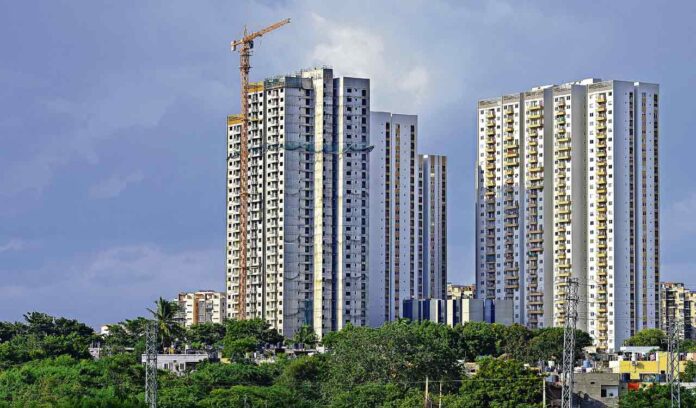
    The National Green Tribunal (NGT) has issued a crucial order barring the continuation of building projects in Noida and Greater Noida that lack the necessary environmental clearances. This ruling comes in the wake of a plea highlighting the alleged unauthorized construction of residential and commercial complexes, which has violated environmental norms. The NGT, in its order dated December 9, directed that construction activities on such projects must cease until they obtain the required clearances, including the Consent to Establish (CTE), Consent to Operate (CTO), and Environmental Clearance (EC).

    The plea, filed by BJP leader and former Municipal Corporator Rajendra Tyagi, raises concerns about large-scale illegal construction in the region, with reports of topsoil extraction and unauthorized borewells being dug. The petitioner’s counsel, Akash Vashishtha, presented extensive evidence showing the rapid development of illegal townships, villas, and apartments, alongside photographs indicating the erection of electricity poles and digging of borewells without mandatory no-objection certificates (NOCs). The NGT bench, led by Chairperson Justice Prakash Shrivastava and comprising judicial member Justice Sudhir Agarwal and expert member A Senthil Vel, noted that authorities had confirmed that some realtors continued construction without obtaining the requisite environmental clearances. The tribunal ordered that such projects should not be allowed to proceed until they comply with all necessary environmental regulations.

    Further, the NGT directed the Uttar Pradesh Pollution Control Board to prevent illegal plotting activities in areas that fall within floodplain zones, ensuring that no construction occurs in these environmentally sensitive areas without proper authorization. The petition also flagged concerns about the encroachment of over 40,000 hectares of fertile agricultural land, with more than 20,000 hectares in Greater Noida and Noida allegedly being illegally used for residential and commercial developments. These illegal activities have prompted the NGT to take swift action to safeguard the environment and ensure that builders comply with environmental norms. This order from the NGT underscores the importance of enforcing environmental regulations in urban development, particularly in rapidly growing regions like Noida and Greater Noida, where illegal construction has become a major concern. The tribunal’s ruling aims to curb the negative environmental impact and restore compliance with regulations to protect the region’s natural resources.

    Adilabad real estate sector faces sharp decline

      0
      Adilabad real estate sector faces sharp decline
      Adilabad real estate sector faces sharp decline

      The real estate sector in Adilabad has experienced a significant downturn, with property registrations in 2024 plummeting by 17,866 compared to 2023. This year recorded only 43,497 registrations, a stark decline from the 61,363 transactions registered in the previous year. In monetary terms, the sector’s income has decreased by approximately 15% compared to the previous two years, underlining the mounting challenges for stakeholders.

      In contrast, the composite Adilabad district displayed a comparatively positive trend in 2023, with registrations exceeding the 54,425 mark recorded in 2022. This discrepancy highlights the uneven recovery and growth trajectory within the region, influenced by various economic and policy factors. Stakeholders attribute the current decline to weaker economic activity, reduced consumer confidence, and tighter liquidity, which have collectively impacted demand for properties.

      From a civic perspective, the slowdown raises concerns about its ripple effects on urban development. Real estate plays a pivotal role in shaping infrastructure growth and boosting revenue for local administrations. A sustained decline could hinder planned projects and municipal improvements, delaying critical urban development initiatives. This downturn could also reduce employment opportunities in construction and allied sectors, amplifying its socio-economic impact.

      On a sustainable note, industry experts suggest leveraging this slowdown as an opportunity to pivot towards greener construction practices and eco-conscious developments. By focusing on sustainable housing and energy-efficient designs, developers could meet emerging consumer preferences while contributing to environmental goals. Such a shift may not only revitalise demand but also position Adilabad’s real estate sector as a benchmark for sustainable growth.

      Alkem promoter’s family invests in Worli property worth ₹185 crore

      0
      Alkem promoter’s family invests in Worli property worth ₹185 crore
      Alkem promoter’s family invests in Worli property worth ₹185 crore

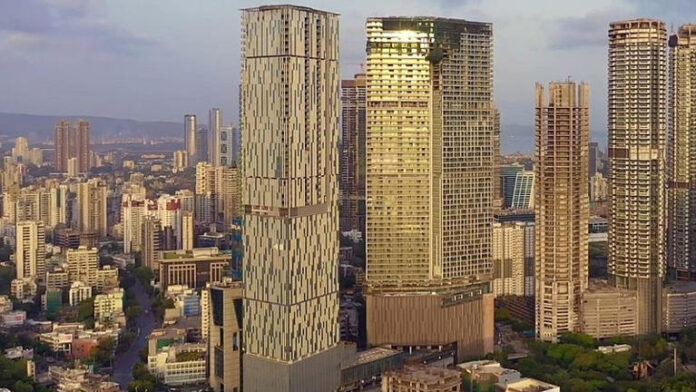
      Seema Singh, wife of Alkem Laboratories promoter Mritunjay Kumar Singh, has acquired an ultra-luxurious apartment worth ₹185 crore in Mumbai’s upscale Worli locality. The property is part of the under-construction Lodha Sea Face project by Macrotech Developers, a prominent name in Indian real estate. This high-value transaction, registered on 11th December 2024, underscores the surging demand for high-end residences in India’s financial capital.

      Spanning an expansive 14,866 sq ft, the luxury apartment occupies the 30th floor of the tower and offers nine podium parking spaces. At an impressive ₹1.24 lakh per sq ft, the transaction highlights Mumbai’s thriving ultra-luxury real estate market. The possession date for the apartment is scheduled for 31st December 2027, with an 18-month grace period for completion. Singh has made an initial payment of ₹46.50 crore, with the remaining sum structured in instalments. The deal also incurred a substantial stamp duty of ₹9.25 crore and a registration fee of ₹30,000.

      From an urban development perspective, this purchase exemplifies how Mumbai continues to attract high-net-worth individuals with its cutting-edge developments and prime locations. Lodha Sea Face, situated in one of the city’s most coveted areas, blends exclusivity with modernity, reflecting the aspirations of India’s elite. The transaction resonates with the larger narrative of Mumbai’s skyline transformation, where luxury residential towers redefine urban living standards.

      The project also commits to sustainability, aligning with contemporary architectural trends prioritising eco-consciousness. Developers are increasingly incorporating energy-efficient designs, water conservation systems, and green building certifications in their offerings. This trend not only enhances the appeal of such properties but also aligns with global sustainability goals, creating a positive impact on the city’s environment.

      Blackstone acquires Tokyo Garden Terrace Kioicho for ¥400 billion, highlighting foreign interest

        0
        Blackstone acquires Tokyo Garden Terrace Kioicho for ¥400 billion, highlighting foreign interest
        Blackstone acquires Tokyo Garden Terrace Kioicho for ¥400 billion, highlighting foreign interestBlackstone acquires Tokyo Garden Terrace Kioicho for ¥400 billion, highlighting foreign interest

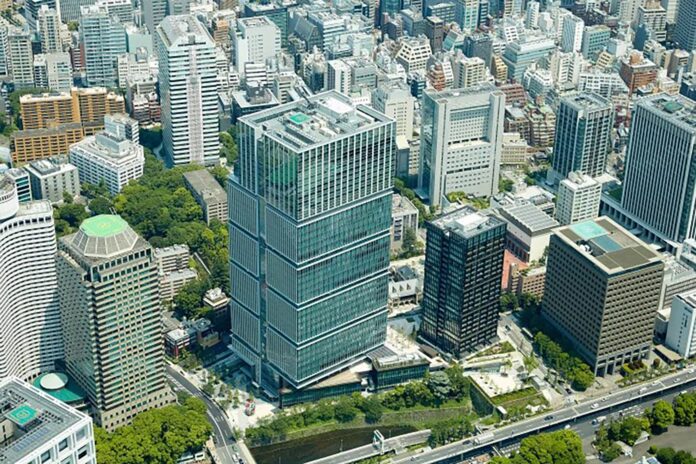
        In a record-breaking move for foreign investment in Japan, Blackstone Inc. is set to acquire Tokyo Garden Terrace Kioicho, a mixed-use development, from Seibu Holdings Inc. for approximately ¥400 billion ($2.6 billion). This landmark transaction marks Blackstone’s largest acquisition in Japan and signifies growing global interest in the nation’s real estate market, driven by the weak yen, favourable borrowing costs, and robust property performance in key metropolitan areas.

        Tokyo Garden Terrace Kioicho, a 2016 development on a historic 70-year-old Seibu site, is strategically located near government offices and the Prime Minister’s residence. This acquisition makes Blackstone one of the few foreign investors to own a prestigious Tokyo skyscraper, highlighting its growing confidence in Japan’s real estate sector. Seibu will earn a ¥260.4 billion profit from the sale and retain management of the property. Despite a turbulent global market, Japan’s commercial real estate investments surged by 21% year-on-year to ¥2.6 trillion in the first half of 2024, cementing Tokyo’s position as the world’s most active property investment city.

        From a civic perspective, this transaction emphasises the evolving landscape of urban development in Japan. While local developers traditionally retain control of prime assets, the entry of foreign investors like Blackstone could drive innovation and enhance the quality of urban spaces. The planned refurbishment of the Tokyo complex exemplifies this shift, with promises to integrate modern facilities and adapt to evolving community needs.

        Sustainability is central to Blackstone’s plans, as the company aims to enhance energy efficiency and implement green building practices during renovations. The move aligns with Japan’s increasing emphasis on sustainable urban growth and resource management. Tokyo’s recovery from pandemic-induced office vacancies, now at a four-year low of 4.16%, demonstrates resilience, further solidifying its appeal to global investors. This acquisition reflects a promising intersection of economic recovery, urban development, and sustainable innovation in the real estate sector.


        NBCC’s ₹9,500 crore rescue for homebuyers

          0
          NBCC’s ₹9,500 crore rescue for homebuyers
          NBCC’s ₹9,500 crore rescue for homebuyers

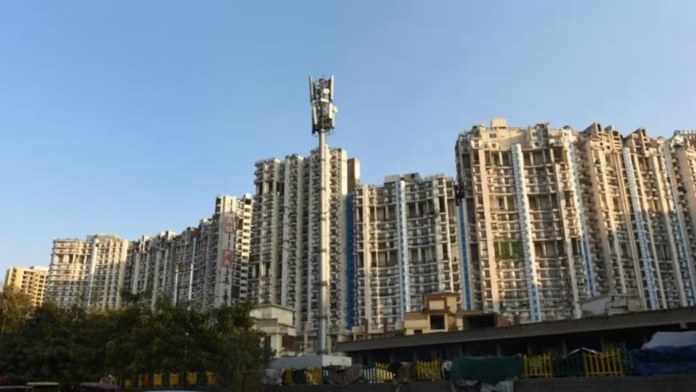
          In a landmark decision, the National Company Law Appellate Tribunal (NCLAT) has appointed NBCC (India) Ltd. as the project management consultant to complete 16 stalled projects of Supertech Ltd., bringing hope to over 50,000 affected homebuyers across Uttar Pradesh, Uttarakhand, Haryana, and Karnataka. The ₹9,445 crore project will see NBCC complete the construction within 36 months, aiming to restore trust in the real estate sector.

          The NCLAT has set March 31, 2025, as the deadline for preliminary approvals, with construction expected to commence by May 1, 2025. NBCC will manage 49,748 pending units and intends to finance the construction through ₹1,800 crore from sold units and ₹14,000 crore from unsold inventory. This transparent process, including e-tendering for contractors, seeks to rejuvenate buyer confidence. However, homebuyers demanding compensation were denied by the tribunal, which emphasised maintaining affordable costs for existing allottees as per their agreements.

          From a civic perspective, the resolution underscores the pressing need for stronger accountability in India’s real estate sector. Supertech’s stalled projects reflect a broader issue of trust deficit and regulatory gaps that have left countless buyers stranded. The establishment of Apex and Project-specific Court Committees ensures transparency in fund allocation and project execution, aiming to safeguard homebuyers’ interests. These committees will oversee project-specific accounts and financing to avoid mismanagement.

          Sustainability remains integral to this initiative. NBCC’s commitment to high-quality construction will adhere to regulatory requirements, including green building standards under RERA. By completing all 16 projects simultaneously, the move represents a shift towards sustainable urban development, prioritising social impact alongside economic recovery. This intervention not only sets a precedent for addressing housing crises but also highlights the critical role of government agencies in fostering equitable urban growth.

          Building a sustainable future through real estate

            0
            Building a sustainable future through real estate
            Building a sustainable future through real estate

            The real estate sector has become a pivotal player in advancing global sustainable development, bridging the gap between urbanisation and environmental responsibility. As urban centres expand, the industry’s alignment with Sustainable Development Goals (SDGs) has gained momentum, reflecting a shift from traditional practices to more innovative and eco-conscious strategies. From energy-efficient buildings to green construction materials, the sector is making significant strides in reducing its environmental footprint.

            According to a recent report by the Global Real Estate Sustainability Initiative, real estate contributes to 40% of global energy consumption and 30% of greenhouse gas emissions. These figures underline the urgent need for sustainable practices. Industry leaders are responding by adopting technologies like smart metering, renewable energy integration, and waste reduction strategies. For instance, green-certified buildings worldwide have increased by over 20% in the last five years, showcasing the growing emphasis on environmental sustainability.

            In urban areas, real estate projects are reshaping how cities function, integrating sustainability with social impact. Mixed-use developments, affordable housing, and eco-friendly neighbourhoods address challenges like overcrowding, pollution, and housing inequality. The emphasis on net-zero energy buildings and transit-oriented development also aligns with global climate goals. These innovations are transforming not only urban skylines but also the quality of life for residents.

            From a civic perspective, the integration of sustainable real estate into urban planning promotes long-term benefits for communities. By reducing reliance on non-renewable resources and lowering operational costs, these projects enhance liveability and economic growth. With governments incentivising green infrastructure, the industry is well-positioned to lead global efforts in creating a sustainable future. Real estate’s commitment to sustainability is not just a necessity but a moral imperative to safeguard the planet for future generations.

            Mumbai real estate’s sustainable transformation

            0
            Mumbai real estate’s sustainable transformation
            Mumbai real estate’s sustainable transformation

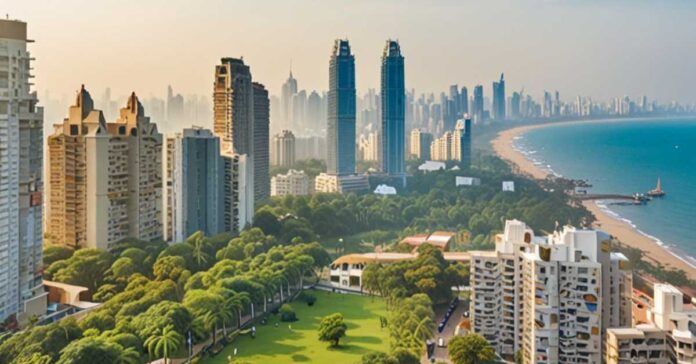
            Mumbai’s real estate market is synonymous with innovation, quality, and resilience, with Chandak Group emerging as a noteworthy contributor. Recently named among the top 10 real estate developers by an industry report, the group stands alongside stalwarts like Shapoorji Pallonji and Godrej Properties. This recognition is a testament to Chandak Group’s unwavering commitment to excellence, catering to diverse homebuyer needs with a blend of luxury and affordability.

            Spanning a legacy of over 35 years, Chandak Group has carved a niche in delivering innovative and sustainable real estate solutions. With projects covering over 12 million square feet and an upcoming pipeline exceeding 10 million square feet, the company’s impact on Mumbai’s urban growth is undeniable. Timely delivery, adherence to high construction standards, and customer trust have solidified its position in the competitive Mumbai real estate landscape.

            Sustainability remains a cornerstone of the group’s ethos. Developments like Highscape City are prime examples of their eco-conscious approach, integrating green building techniques and energy-efficient designs. This alignment with global ESG standards is not only an environmental imperative but also resonates with a growing demographic of environmentally aware homebuyers. As Mumbai grapples with challenges like overcrowding and environmental degradation, such initiatives are vital in ensuring a balanced urban ecosystem.

            From a civic and urban development perspective, Chandak Group’s projects aim to address pressing issues such as housing affordability and infrastructure bottlenecks. Their strategic developments in key city locations focus on optimising space while enhancing liveability, thus contributing to Mumbai’s broader urban renewal agenda. As the group continues to innovate and expand, it promises to reshape the city’s skyline while fostering sustainable urban growth.

            Bright future for global commercial real estate

            0
            Bright future for global commercial real estate
            Bright future for global commercial real estate

            The commercial real estate market is poised for a transformative year in 2025, driven by evolving market dynamics and renewed investor confidence. Despite divergent performances across geographies and asset classes, the overarching trend signals a positive turn in the real estate cycle. This optimistic outlook is underscored by findings from the latest Global Real Estate Sentiment survey conducted in November 2024, which recorded its most encouraging results in three years. The survey highlighted that a majority of respondents expect conditions to improve within the next six months, reflecting growing optimism among stakeholders.

            Across markets, the recovery is marked by distinct patterns. While developed economies are experiencing stabilisation in prime office spaces and industrial assets, emerging markets are witnessing accelerated demand for mixed-use developments and affordable retail spaces. The focus has shifted towards sustainable and technology-driven real estate solutions, driven by regulatory pressures and shifting consumer preferences. For instance, the adoption of green certifications and energy-efficient designs is becoming a critical factor for asset valuation and investor appeal.

            Sustainability continues to take centre stage, with ESG (Environmental, Social, and Governance) considerations influencing both new developments and retrofitting older properties. Developers are increasingly integrating renewable energy sources, smart technologies, and circular economy principles to meet regulatory requirements and cater to environmentally conscious tenants. These trends underscore the critical role of sustainable practices in reshaping urban landscapes and contributing to the global net-zero goals.

            From a civic perspective, commercial real estate is addressing urban challenges such as overcrowding and accessibility by fostering inclusive development. Mixed-use projects incorporating affordable housing, co-working spaces, and recreational areas are redefining urban growth patterns, particularly in developing nations. As 2025 unfolds, the industry’s ability to align growth strategies with urban sustainability goals will be pivotal in shaping its long-term trajectory.

            Cement Price Increases May Face Hurdles Amid Market Uncertainty

            Cement Price Increases May Face Hurdles Amid Market Uncertainty
            Cement Price Increases May Face Hurdles Amid Market Uncertainty

            The Indian cement industry is witnessing an active attempt by cement dealers across the country to raise prices in the second half of the fiscal year. However, whether these price hikes will be sustainable remains uncertain, as multiple factors, including demand recovery and industry consolidation, could significantly influence their longevity.

            Recent reports from brokerages like Jefferies and JPMorgan indicate average price hikes of 3–4%, amounting to Rs 8–12 per bag. Some regions, particularly the South and East, have experienced more substantial hikes, with prices increasing by Rs 5–50 per bag. In December, CLSA observed price hikes ranging from Rs 20–30 per bag in East and Central India, while other regions saw a more modest increase of Rs 10 per bag. However, experts are divided on whether these price hikes will be sustainable in the long term. A key issue is the lack of consistent demand growth. Cement demand in early 2024 was disrupted due to heavy monsoons, elections, and labor shortages, while November saw subdued demand owing to festivals and extreme weather conditions. Though a recovery in demand is expected by December, analysts like JPMorgan have cautioned that if demand does not pick up as anticipated, cement companies might be forced to roll back their price hikes.

            Industry observers, including Jefferies, highlight that several players in the market are still prioritising volume targets over price hikes, attempting to capture market share with lower prices. This aggressive strategy could undermine the overall pricing discipline and dampen meaningful price recovery in the short term. Consolidation within the industry also poses a challenge. Increased competitive intensity, coupled with aggressive capacity additions, could limit the scope for substantial price hikes in the near future. Nuvama, Morgan Stanley, and Jefferies all suggest that the cement market may experience sideways price movements for the rest of the fiscal year.

            Despite these challenges, analysts remain optimistic about the long-term growth prospects of the cement industry. A key factor in this optimism is the importance of price recovery. As Jefferies noted, a 1% change in prices can lead to a 4–5% change in the EBITDA of cement companies, which is more impactful than volume growth alone. Looking ahead, analysts believe that companies with pan-India franchises and cost-improving capabilities will be better positioned to weather market fluctuations. Companies like Ambuja Cement and UltraTech Cement are expected to outperform domestic peers in 2025, thanks to their strong growth visibility and cost-saving initiatives. Moreover, JPMorgan has highlighted UltraTech’s focus on consolidation as a key strength, while also favoring ACC Ltd. for its better valuations and momentum in the South.