Home Blog Page 466

Rohrdorfer’s €500K Investment in Sustainable Cement Production

Rohrdorfer's €500K Investment in Sustainable Cement Production

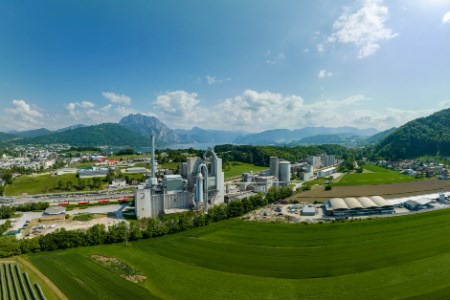
Rohrdorfer Zement GmbH is set to enhance the energy efficiency of its Gmunden cement plant with the construction of a new clinker cooler chimney, scheduled for completion in March 2025. This strategic upgrade is aimed at improving the stability and energy efficiency of the kiln system, a critical component in cement production.

The new clinker cooler chimney will play a pivotal role in reducing the outlet temperature of clinker, thereby enabling more efficient cooling. The cooler’s design focuses on achieving substantial energy savings by allowing the clinker to cool more effectively. As a result, the facility will benefit from a significant reduction in energy consumption. Antonio Marjanovic, the project manager for Rohrdorfer Zement GmbH, explained that the new chimney will not only improve operational efficiency but also contribute to the company’s sustainability goals. “By installing the new clinker cooler chimney and enhancing energy savings, we can reduce CO2 emissions by just over three kilograms per tonne of clinker produced,” Marjanovic said. “This equates to up to 1,500 tonnes of CO2 annually – the same as the emissions generated from a round-trip flight between Vienna and New York.”

The chimney will efficiently expel the heated air generated during the clinker cooling process. Since the air is purely cooling air, it does not contain harmful emissions, and is thoroughly filtered to ensure that only dust-free air is released into the atmosphere. The construction work for the new clinker cooler chimney will commence in mid-January 2025, following the approval of the project in November 2024. The project is estimated to cost around €500,000 and will be carried out by Upper Austrian company Scheuch, a leader in environmental and industrial engineering. This initiative reflects Rohrdorfer’s ongoing commitment to reducing the environmental impact of its operations, ensuring that the Gmunden cement plant remains a model of energy-efficient and sustainable cement production.


Shelar Seeks Investigation into Faulty Cement Concrete Roads

Shelar Seeks Investigation into Faulty Cement Concrete Roads

Mumbai’s recent experience with deteriorating cement concrete (CC) roads has sparked serious concerns, as cracks and structural failures have emerged within months of installation. The issue became more prominent after as reported on Thursday and Friday about the crumbling roads in Santacruz, Bandra West, Powai, and Andheri’s Lokhandwala areas. In response to the alarming situation, Ashish Shelar, the BJP’s city president and Bandra West MLA, met with the Brihanmumbai Municipal Corporation (BMC) chief, Bhushan Gagrani, on Friday, demanding a thorough investigation into the quality of these roadworks. Shelar called for the formation of a special investigation team (SIT) to probe the matter.

In a letter submitted to Gagrani, Shelar highlighted multiple complaints from citizens about the poor quality of CC roads. He specifically pointed out his visit to Bhargav Road in Santacruz, which had been featured in TOI’s earlier reports. On this stretch, the concrete layers were reportedly peeling off, and several areas had failed to meet the prescribed curing standards. Shelar further suggested that 40% of the concrete patches be randomly audited, with experts from reputed institutions such as IIT-Bombay and VJTI involved in the investigation. He stressed that any lapses in quality control, vigilance, or contractor performance should be identified and addressed promptly. This call for an audit comes amid rising complaints from residents about poorly constructed roads. In Bandra, a CC road laid just a month ago between Rajendra Kumar Chowk and Pali Market has started to deteriorate, with the surface breaking into chunks. The Pali Hill Residents Association has also raised concerns, pointing out that the road was not adequately cured.

Similarly, residents of Lokhandwala in Andheri have reported that the top layer of the Back Road has broken down. On a proactive note, an IIT-Bombay team conducted an inspection of ongoing CC roadworks in Dahisar earlier on Friday. As part of a third-party audit agreement between IIT-B and the BMC, the team scrutinised cement concrete cubes, batch reports, and receipts from ready-mix concrete suppliers. Tests on concrete temperature, slump, and flexural beams were also conducted, with recommendations for enhanced quality control measures for future CC road projects. The growing concern surrounding the poor execution of these projects calls for urgent intervention. With public trust in municipal infrastructure at stake, the BMC’s response to Shelar’s demand for an SIT investigation will be closely watched in the coming weeks.

UltraTech, Ambuja Cement Poised for Robust Gains

UltraTech, Ambuja Cement Poised for Robust Gains

The Indian cement sector is poised for a notable recovery, with demand expected to rise by 8–9% year-on-year in the second half of FY25, according to brokerage firm Motilal Oswal. The firm has reaffirmed its positive outlook for major cement players such as UltraTech Cement, Ambuja Cement, and JK Cement, highlighting a combination of factors that are expected to fuel growth in the sector.

Following a sluggish period marked by stagnant margins, cement manufacturers have recently implemented price hikes ranging from Rs 10-30 per bag. This price adjustment, which reflects a 3.5% quarterly increase, comes on the back of rising demand after the festive season and sustained government spending. Despite cement prices still being 5% lower than the same period last year, the price increases signal a positive shift in market dynamics. Motilal Oswal remains structurally bullish on the sector, with a preference for companies boasting a balanced geographical footprint, high capacity utilisation, and a proven record of expansion and successful integration. In particular, the brokerage firm is optimistic about companies with a significant presence in regions such as North, Central, and West India, which are less exposed to demand-supply mismatches and price volatility.

UltraTech Cement, the country’s largest cement producer, continues to be Motilal Oswal’s top pick in the sector. With a target price of Rs 13,700, the brokerage firm forecasts a 12% compounded annual growth rate (CAGR) in UltraTech’s consolidated volumes from FY24-27. The company is on track to achieve a capacity of 200 million tonnes per annum (mtpa) in the medium term, bolstered by strategic acquisitions and expansions. Additionally, UltraTech plans to ramp up its green energy share to 64% by FY27, further enhancing its sustainability credentials. Ambuja Cement is also expected to see significant growth, driven by its plan to expand grinding capacity to 140 mtpa by FY28. Motilal Oswal anticipates a CAGR of 13% in Ambuja’s consolidated volumes, underpinned by the company’s capacity expansion and cost-saving initiatives. The brokerage has set a target price of Rs 750 for Ambuja Cement.

Meanwhile, JK Cement, which continues to strengthen its foothold in Central India, is targeting a 50 mtpa capacity by FY30. JK Cement’s focus on energy efficiency and cost reduction initiatives is expected to drive a 9% CAGR in sales volumes, with a target price of Rs 5,300. Despite the positive outlook, Motilal Oswal highlights risks such as sustained competitive pricing, which could impact earnings estimates for FY25. However, the long-term prospects remain optimistic, with EBITDA per tonne expected to increase by up to 23% in the second half of FY25.

ACC Cement Positioned for Strong Growth and 24% Upside

ACC Cement Positioned for Strong Growth and 24% Upside

The Indian cement sector continues to be a pivotal driver of economic growth, playing a central role in infrastructure development, housing, and construction. With the government’s strong push for infrastructure projects under initiatives like Pradhan Mantri Awaas Yojna (PMAY) and the expansion of roads, railways, and housing, the sector holds immense growth potential. Although the cement sector posted a modest growth of 2-3% in Q1FY25, largely due to the Lok Sabha elections, industry experts like ICRA are forecasting a robust 7-8% growth for the full financial year, driven by surging demand from infrastructure and housing projects.

Key industry players, including UltraTech Cement, ACC-Ambuja, Shree Cement, and Dalmia Cement, are expected to boost their capacities by over 42 million tonnes by FY26, thereby increasing their combined market share from 48% in FY23 to 54% by FY26. This growth trajectory sets the stage for sustained dominance in the sector, with ACC Cement emerging as a notable contender. ACC Cement, which currently produces 89 million tonnes per annum (MTPA), has been expanding aggressively, having added 22 MTPA in the past two years. By the end of FY25, the company is expected to surpass 100 MTPA, with a longer-term goal of reaching 140 MTPA by FY28. This growth is supported by ongoing projects, with 21 MTPA already under execution.

In terms of operational efficiency, ACC has demonstrated impressive cost control, reducing its expenses by 18% since September 2022 through strategic investments in operations and infrastructure. The company’s cost leadership position strengthens its competitive edge and profitability. ACC’s Q3 2024 financial results reflect the company’s operational excellence. EBITDA (excluding other income) rose by 57.8% year-on-year (YoY) to ₹677 crore, while its net profit surged by 64.1% YoY to ₹384 crore. These strong results underscore the company’s ability to capitalize on market opportunities and improve its financial performance.

ACC has established a strong geographical presence across 31 states and union territories, covering about 75% of India’s 625+ districts. The company’s operations in the southern and eastern regions are particularly robust, with a well-integrated network of plants, terminals, and distribution channels. This extensive presence gives ACC a significant advantage in catering to the increasing demand for cement in infrastructure and housing projects across the country. KR Choksey, a leading brokerage, has issued a “BUY” recommendation for ACC Cement, with a price target of ₹2790, representing an upside potential of 24% from the current market price. Despite a slight miss in EBITDA expectations in Q2FY25, the brokerage maintains a positive outlook on the company’s long-term growth prospects, driven by strong volume growth and improved operational efficiency.

With its impressive financial growth, strategic geographical presence, and expansion plans, ACC Cement stands out as a strong contender in the Indian cement industry. Its cost leadership, coupled with a solid market position, makes it a compelling investment opportunity. The positive outlook and potential for significant returns make ACC Cement a stock to watch for investors seeking long-term growth in the cement sector.

Ambuja Cement Powers Up with 200 MW Solar

Ambuja Cement Powers Up with 200 MW Solar

Ambuja Cement, a key player in the Indian cement industry under the Adani Group, has successfully commissioned its ambitious 200 MW solar power project in Khavada, Gujarat, marking a significant leap towards its sustainability goals. This initiative is poised to help the company reduce its electricity costs by a remarkable 70%, contributing to both operational efficiency and environmental responsibility.

The solar power project, which has now begun transmission, received formal clearance from the Western Regional Load Dispatch Centre (WRLDC) on December 12, 2024. This development signals the company’s strategic push to enhance its green energy footprint in line with its broader environmental targets. Notably, Ambuja Cement plans to expand its renewable energy capacity further with an additional 806 MW expected to be commissioned in phases between March and June 2025. Of this, 156 MW of wind power will come from Khavada, while 300 MW of solar power is slated to be commissioned in Rajasthan by March 2025. The remaining 350 MW of capacity is set to be rolled out by mid-2025.

This solar project is the first phase of Ambuja Cement’s ambitious “Green Energy Project,” which entails a total investment of ₹100 billion (~$1.17 billion). This initiative aims to develop 1 GW of renewable energy capacity, combining solar and wind power, alongside 376 MW of waste heat recovery systems. The company’s Integrated Report for 2023-24 highlights that it already sources 19.1% of its energy from renewable sources, with a target to increase this to 60% by 2030.

Ambuja Cement’s green energy ambitions are set to play a crucial role in reducing its carbon footprint while ensuring cost efficiencies. The company is committing significant resources to renewable energy, setting a benchmark for the cement sector. In tandem, major competitors such as UltraTech Cement and Dalmia Cement are also advancing their green energy agendas. As the demand for sustainable business practices grows, Ambuja Cement’s strategy is expected to lead the charge towards a greener, more energy-efficient future for the Indian cement industry.

Karnataka High Court Seeks State’s Response on PIL Challenging E-Khata Mandate for Property Registration

    0
    Karnataka High Court Seeks State’s Response on PIL Challenging E-Khata Mandate for Property Registration
    Karnataka High Court Seeks State’s Response on PIL Challenging E-Khata Mandate for Property Registration

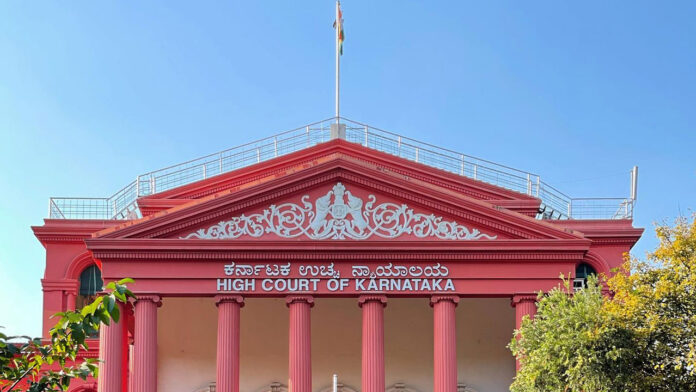
    The Karnataka High Court has directed the state government to respond to a Public Interest Litigation (PIL) challenging a circular issued on September 17, 2024, which mandates the use of e-khata for property registration. A division bench comprising Chief Justice NV Anjaria and Justice KV Aravind gave this direction after hearing the petitioner, S Gowrishankar, a Bengaluru resident.

    Gowrishankar argued that the implementation of the e-khata mandate had led to a significant 60% decrease in property registrations within Bengaluru. He cited operational challenges with the Bruhat Bengaluru Mahanagara Palike’s (BBMP) e-Aasthi rollout, which faced issues such as inadequate coverage across wards, a lack of clarity on the process, and delays in implementation. These issues have resulted in a backlog of property transactions, undermining the intended benefits of the e-khata system. The petitioner emphasized that the circular, which makes e-khata a prerequisite for property registration, introduces substantial difficulties for property owners, as many do not have access to e-khatas. In light of this, Gowrishankar requested that the e-khata requirement be relaxed as an interim measure until the system is fully functional and accessible to all property owners.

    The PIL also seeks to ensure that the mandate for e-khata should only be enforced once the BBMP confirms that all existing properties have been assigned e-khatas and that a clear, time-bound process is in place for the registration of new properties or the amendment of existing khatas. The petitioner further proposed creating categories that would allow property registration without the need for e-Swathu or e-Aasthi in cases where these systems are not yet fully operational, or when valid alternative property documents are available. E-Swathu is an online portal that maintains up-to-date records of property ownership and details within each gram panchayat jurisdiction, while e-Aasthi is a property tax information system. The petitioner has also sought directions for the urban development department to streamline the process of obtaining e-Swathu and e-Aasthi, ensuring timely issuance of necessary documents for property owners. The court’s intervention aims to address the operational gaps in the BBMP’s digital property registration system and ensure that the transition to an e-khata-based registration process does not cause unnecessary delays or hardships for property owners.

    Brookfield India REIT Secures ₹3,500 Crore Through QIP to Fuel Future Acquisitions

      0
      Brookfield India REIT Secures ₹3,500 Crore Through QIP to Fuel Future Acquisitions
      Brookfield India REIT Secures ₹3,500 Crore Through QIP to Fuel Future Acquisitions

      Brookfield India Real Estate Trust (Brookfield India REIT) has raised ₹3,500 crore through a Qualified Institutional Placement (QIP), marking a significant move towards strengthening its financial position. This capital raise will primarily focus on reducing the company’s leverage and creating room for acquiring high-quality real estate assets.

      The QIP saw strong participation from notable investors, including the International Finance Corporation (IFC) and Life Insurance Corporation of India (LIC), marking the first-ever REIT investments from these entities in India. Other prominent anchor investors included SBI Mutual Fund and ICICI Prudential Mutual Fund. The overall demand for the offering exceeded ₹5,200 crore, with ₹3,500 crore successfully allotted to investors. Alok Aggarwal, CEO and Managing Director of Brookfield India REIT, shared that the raised funds will help the trust strategically reduce its leverage, thus positioning it for future acquisitions of top-tier properties. The QIP issuance and allotment of 12.77 crore new units was approved on December 12, 2024, by the issue committee of Brookprop Management Services, which manages Brookfield India REIT. This latest fundraising comes after a similar QIP in August 2023, where Brookfield India REIT raised over ₹2,300 crore to acquire premium properties such as Brookfield’s Downtown Powai in Mumbai and Candor TechSpace (G1) in Gurugram. Brookfield India REIT’s ongoing efforts to strengthen its balance sheet and expand its portfolio align with its long-term strategy of acquiring and managing high-quality commercial real estate assets across India.

      Parliamentary Panel Recommends Boosting Assistance for PMAY-Gramin to Meet Housing Targets

        0
        Parliamentary Panel Recommends Boosting Assistance for PMAY-Gramin to Meet Housing Targets
        Parliamentary Panel Recommends Boosting Assistance for PMAY-Gramin to Meet Housing Targets

        The Parliamentary Standing Committee on Rural Development and Panchayati Raj has recommended a much-needed increase in the financial assistance provided under the Pradhan Mantri Awas Yojana – Gramin (PMAY-G). The scheme, which aims to build two crore homes by March 2029, has faced challenges due to stagnant per-unit assistance, which has remained at Rs 1.2 lakh for plain areas and Rs 1.3 lakh for hilly areas for an extended period.

        Led by Congress MP Saptagiri Sankar Ulaka, the committee pointed out that the current financial support is insufficient due to rising inflation, which impacts raw material costs, labor, and transportation expenses. This shortfall has led to incomplete houses in some cases, hampering the progress of the housing scheme. The committee emphasized that for the “Housing for All” vision to succeed, beneficiaries must receive appropriate financial support at the right time, and it urged an urgent review and hike of the per-unit assistance to help beneficiaries complete their homes. The committee also highlighted a significant issue faced by landless beneficiaries. More than two lakh such individuals are still waiting for land or assistance from state governments to construct their homes. This delay further threatens the timely completion of the housing target.

        The report also noted that while the initial target was to construct 2.95 crore houses by March 2024, 2.66 crore homes had been completed by October 2022, leaving 29 lakh homes still unfinished. To address this, the government has set an ambitious target of constructing an additional two crore homes over the next five years (2024-2029). With the scheme extended until 2029, the committee has recommended a revision of the financial assistance to meet the new goals and ensure timely project completion. It also called on the Department of Rural Development to take proactive steps in expediting construction and addressing the issue of land availability for landless beneficiaries. Additionally, the committee raised concerns about the low pension amounts under the National Social Assistance Programme (NSAP), which provides support to elderly, widows, and disabled persons from BPL households. The report noted that the pensions of Rs 200 to Rs 500 per month were inadequate given the rising cost of living. This call for increased assistance and policy reform aims to ensure that rural housing targets are met and that beneficiaries can complete their homes with the financial support they need.

        Gujarat CM Inaugurates Rs 550 Crore Atal Smart City Project in Rajkot

          0
          Gujarat CM Inaugurates Rs 550 Crore Atal Smart City Project in Rajkot
          Gujarat CM Inaugurates Rs 550 Crore Atal Smart City Project in Rajkot

          Gujarat Chief Minister Bhupendra Patel inaugurated the Atal Smart City in Rajkot on Friday, a cutting-edge urban development project under the central government’s Smart City Mission. Located in the Raiya area, this expansive initiative spans 930 acres and has been developed at a cost of Rs 550 crore.

          The Atal Smart City is designed to accommodate approximately four lakh residents, providing them with modern amenities and robust infrastructure. The project, which began on August 23, 2019, is set to be fully operational by November 19, 2024. A key highlight of the development is its focus on sustainability, with the retention of natural drainage systems and tree plantations along drains to prevent encroachment. The city’s power supply infrastructure includes power ducts, eliminating the need for overhead lines, and laying the groundwork for future development, such as double-decker buses. The road network is planned for long-term growth, with roads ranging from 18 meters to 60 meters in width to accommodate future transportation needs. The Rajkot Municipal Corporation (RMC) has developed 18.21 km of integrated roads and an 8.51 km BRTS (Bus Rapid Transit System) corridor, complete with 15 sophisticated bus stops. The city also boasts a 24/7 potable water supply system and a recycled water system, which includes two separate water lines—one for potable water and another for recycled water, expected to save 30% of potable water usage.

          The 56 MLD sewage treatment plant (STP) and tertiary treatment plant ensure efficient water treatment. The stormwater drainage system is designed to conserve rainwater, with rainwater directed to Atal Sarovar lakes for storage and reuse. Additionally, special RCC ducts have been installed for 66KV power cables and optical fiber networks, ensuring no need for road digging in the future. The city promotes eco-friendly transportation with a 14 km cycle track and footpaths, providing easy access for pedestrians and cyclists. With these advanced features, Atal Smart City in Rajkot is set to become a model for sustainable urban development, offering a modern, comfortable, and eco-friendly living experience to its residents.

          Infopark Phase III in Kerala to Showcase 300-Acre Township at Global Summit

            0
            Infopark Phase III in Kerala to Showcase 300-Acre Township at Global Summit
            Infopark Phase III in Kerala to Showcase 300-Acre Township at Global Summit

            The Kerala government is gearing up to present Phase III of Infopark at the upcoming Invest Kerala Global Summit in Kochi this February. The state’s ambitious IT park project, spanning 300 acres, aims to attract global investors and establish Kerala as a prominent hub for IT development.

            The Greater Cochin Development Authority (GCDA) has identified three potential land parcels, each covering 300 acres, in the Kizhakkambalam and Kunnathunadu areas for this prestigious project. Currently, the government is finalizing the concept designs and components for the multi-crore township, which will feature state-of-the-art IT infrastructure along with residential and commercial developments. Once the designs are completed, one of these land parcels will be selected for development. The project will be executed using a land pooling method, offering landowners 60% of the original land after implementation. The move is expected to significantly increase property values in the area, with projections indicating a rise of three to four times.

            The proposed Infopark Phase III campus will be a blend of cutting-edge IT infrastructure and modern social amenities. Unlike traditional IT parks, this township will include a mix of 200 acres dedicated to residential and commercial development, while the remaining 100 acres will be allocated for IT infrastructure. The non-SEZ area will feature essential social infrastructure, such as schools, retail facilities, and recreational spaces, ensuring a self-sustained ecosystem. The campus will also be well-connected, with direct road access to Kochi’s airport and national highways, along with self-sufficient transport systems to make commuting easier for residents and workers. “We are in talks with major investors for different components of the project. By showcasing the detailed plan at the Invest Kerala Global Summit, we hope to attract global IT companies and investors,” said a senior Infopark official. The demand for a third Infopark campus has been steadily increasing. Both the Phase I and Phase II campuses are fully occupied, with no space available for new businesses. The success of Infopark’s earlier phases has set high expectations for the third phase, and the government is optimistic about securing significant global investments to fuel Kerala’s IT growth.