Home Blog Page 471

Pimpri Chinchwad Civic Body Introduces GRAP Against Pollution

    0
    Pimpri Chinchwad Civic Body Introduces GRAP Against Pollution
    Pimpri Chinchwad Civic Body Introduces GRAP Against Pollution

    The Pimpri Chinchwad Municipal Corporation (PCMC) launched the Graded Response Action Plan (GRAP) on Wednesday, marking a significant step in addressing the city’s growing air pollution. Pimpri Chinchwad is now the first city in Maharashtra and one of the few across India to implement such a comprehensive anti-pollution strategy, combining real-time monitoring, advanced forecasting, and stringent enforcement measures.

    GRAP focuses on pollution control based on the Air Quality Index (AQI). Currently, the city is under GRAP I, with an AQI in the range of 101-300 (moderate to poor). Key actions under this phase include regular road cleaning to reduce dust, restricting illegal waste dumping, and improving traffic management to reduce vehicular emissions. The Centre for Development of Advanced Computing (CDAC) is assisting in the initiative, including providing air quality forecasts up to three days in advance. As the AQI worsens, GRAP introduces further measures under subsequent phases. For AQI levels of 301-400 (Very Poor), Phase II includes restrictions on diesel generators, enhanced road cleaning, and promoting public transport. In Phase III, for AQI levels of 401-500 (Severe), measures such as shutting down highly polluting industries and creating non-motorized zones are implemented, alongside stricter penalties for environmental violations. These measures are enforced for at least 15 days or until air quality improves.

    PCMC has already begun actions under GRAP I, such as increased road washing and waste burning prevention. Municipal Commissioner Shekhar Singh emphasized that the plan is a short-term response to prevent the city from reaching the severe AQI category. Public participation played a role in shaping the plan, with the draft put up for public feedback. However, environmental experts, including Prashant Raul of Green Army, raised concerns that pollution levels in areas like Chikhali and Moshi were higher than official readings. Experts have called for better tracking of pollution control efforts, such as fog cannons and road washers, urging stronger enforcement to tackle pollution effectively. Through GRAP, Pimpri Chinchwad is taking a proactive approach to combat air pollution, with real-time data, public involvement, and systematic enforcement to protect residents’ health and improve air quality.


    Mizoram Launches Scheme to Install Rooftop Solar Systems under PM-Surya Ghar

      0
      Mizoram Launches Scheme to Install Rooftop Solar Systems under PM-Surya Ghar
      Mizoram Launches Scheme to Install Rooftop Solar Systems under PM-Surya Ghar

      Mizoram has launched a new scheme under the PM-Surya Ghar Muft Bijli Yojana (PM-SGMBY), aiming to install rooftop solar systems for households across the state. This initiative is designed to reduce electricity expenses for consumers while fostering energy self-sufficiency and sustainable practices.

      On Wednesday, Mizoram Power and Electricity Minister Rodingliana unveiled the PM-Surya Ghar rooftop solar initiative during a press conference in Aizawl. The scheme is part of a nationwide effort by the Central Government to enable domestic power generation using solar energy, with a target to reach one crore households across India. The scheme provides subsidies to eligible households, significantly reducing the cost of installing solar systems. By generating power at home, consumers can reduce their dependency on external power sources, thus minimizing their electricity bills. The scheme is open to Indian citizens who are current electricity consumers and have a good payment record. It is exclusively available for private residential properties, excluding government or institutional buildings. To apply, interested households must ensure that their personal details match the information provided on their electricity bill.

      Applications can be made through the state portal at pmsuryaghar.mizoram.gov.in, followed by registration on the central portal, pmsuryaghar.gov.in. Once approved, applicants can select from a list of authorized vendors who will handle the installation and provide maintenance services for up to five years. The installation costs under the scheme are differentiated based on the location of the residence. In Aizawl Municipal Corporation (AMC) areas, the installation cost is set at Rs 12,000, while it will be Rs 18,000 for households located up to 200 km beyond AMC limits. This cost includes the solar system installation, and financing options are available through local banks such as SBI and MRB. As of now, 2,990 households have registered for the program, with 557 applications already receiving approval. The aim is to cover as many households as possible, helping them transition to solar energy.

      The PM-Surya Ghar initiative is expected to make a significant impact by reducing the state’s reliance on external power sources and encouraging sustainability. The government’s efforts to offer financial support through subsidies and partnerships with authorized vendors are poised to make rooftop solar systems more accessible to the residents of Mizoram. By making solar power more affordable, the program aligns with the state’s broader goals of energy independence and environmental consciousness, providing long-term benefits for the community and the state as a whole.

      India’s Housing Market Poised for Growth

        0
        India’s Housing Market Poised for Growth
        India’s Housing Market Poised for Growth

        As India’s real estate market prepares for a surge in home launches, HSBC has singled out a particular stock poised for substantial gains. The anticipated mega home launches in the first quarter of 2025 are set to inject significant momentum into the sector, and analysts are keenly watching the potential growth trajectory of several key players. According to HSBC’s latest forecast, the sector stands on the cusp of a major transformation, driven by favourable market conditions and the pent-up demand for residential properties.

        HSBC’s optimism is rooted in the continuing shift in demand dynamics, as India’s housing sector bounces back from pandemic-induced slowdowns. A mix of favourable government policies, such as the Pradhan Mantri Awas Yojana (PMAY) and increased infrastructure development, has created an ideal environment for developers to launch large-scale projects. The Q1 2025 home launches, with a focus on affordable and mid-range housing, are expected to drive a significant uptick in sales. The predicted surge in demand, coupled with attractive financing options, has made this an exciting time for investors.

        In a competitive market, however, HSBC has singled out one particular real estate stock that is set to outperform its peers. The company in question is poised to benefit from a combination of strong market fundamentals, a robust pipeline of upcoming projects, and improved consumer sentiment. With a recent upswing in property sales, the stock is seen as undervalued, making it an attractive pick for investors looking to capitalise on the anticipated market rebound.

        From a sustainability standpoint, the upcoming home launches are aligned with India’s growing focus on green building practices and energy-efficient homes. With a rising number of developers incorporating sustainable features in their projects, this new wave of launches could contribute significantly to the country’s sustainable urban growth. Additionally, the increase in housing stock is expected to support the government’s long-term goals of reducing the housing shortage, a key civic issue in many urban areas.

        CREDAI Advocates Phased Rollout of E-Khata in Bengaluru

        0
        CREDAI Advocates Phased Rollout of E-Khata in Bengaluru
        CREDAI Advocates Phased Rollout of E-Khata in Bengaluru

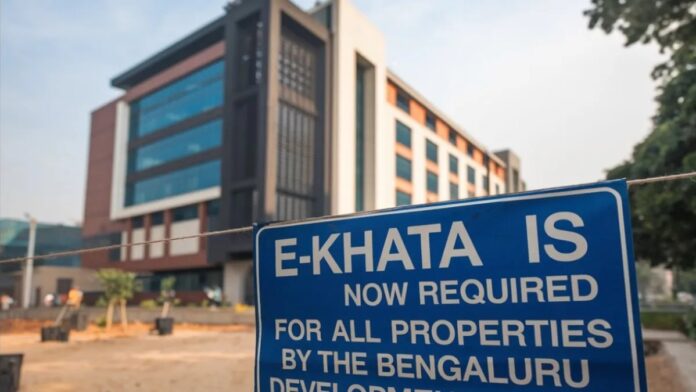
        The Confederation of Real Estate Developers’ Association of India (CREDAI) has urged the Bruhat Bengaluru Mahanagara Palike (BBMP) to implement a phased rollout of the e-khata system to address operational inefficiencies affecting the real estate sector. The mandatory e-khata process, introduced on 1 October for over 22 lakh properties, has caused significant disruptions, with a reported 60% drop in property registrations and an estimated revenue loss of ₹8,000 crore for developers in Bengaluru.

        Amar Mysore, President of CREDAI Bengaluru, highlighted the disparity between BBMP and panchayat areas, where e-khata has been functional with fewer issues. Mysore, also an executive director at Brigade Group, stressed the need for a scalable approach to avoid delays. “The system lacks urgency-based processing, leaving NRIs and mortgage applicants in limbo, while some sellers face capital gains tax due to registration delays,” he said. Despite these challenges, he commended the initiative’s potential to curb fraudulent transactions but criticised the absence of stakeholder engagement and workforce preparedness before the public launch.

        Urban connectivity improvements have amplified real estate activity in Bengaluru, making operational hiccups in e-khata a pressing civic issue. According to Mysore, document uploads and verifications remain slow, with revenue officers taking undue time despite the completion of necessary formalities. CREDAI is collaborating with BBMP and software developers to streamline processes, but new challenges continue to emerge, reflecting the need for sustained dialogue and technological refinement.

        From a sustainability perspective, a digitised e-khata system is an eco-friendly alternative to manual paperwork, reducing physical resource use. However, the initiative’s success hinges on resolving bottlenecks to ensure equitable access and seamless integration, fostering transparency in property transactions while supporting Bengaluru’s broader urban development goals. BBMP’s upcoming parallel system for sub-registrar office delays could offer much-needed relief.

        AVG Logistics Bags Rs 90 Crore Order from Cement Manufacturer

        AVG Logistics Bags Rs 90 Crore Order from Cement Manufacturer
        AVG Logistics Bags Rs 90 Crore Order from Cement Manufacturer

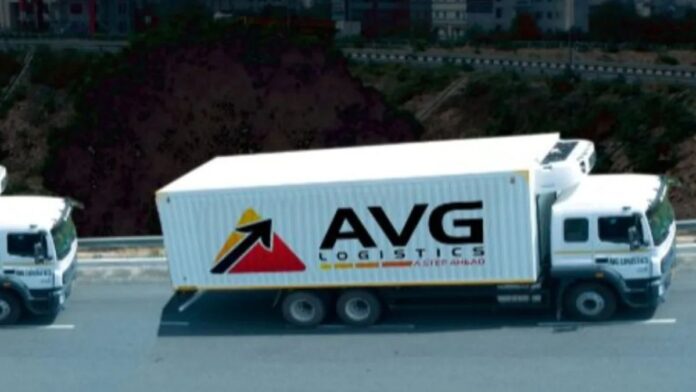
        AVG Logistics, a prominent Indian logistics solutions provider, has secured a substantial Rs 90 crore order from a leading cement manufacturing company. This deal marks a major milestone in the company’s strategic expansion into the cement sector, aligning with India’s booming infrastructure growth and urbanization.

        Under this contract, AVG Logistics will apply its expertise in managing complex logistics networks to provide tailored solutions to meet the unique demands of the cement industry. The company’s services will encompass the entire cement supply chain, from the transportation of raw materials to the delivery of finished products. The contract, which spans three years starting from Q3 FY25, is expected to contribute approximately Rs 90 crore to the company’s annual revenue. The phased execution of the deal will commence in Q3 2025, further cementing AVG Logistics’ position as a key player in the logistics space, particularly in sectors critical to India’s infrastructure development.

        The cement industry, integral to the country’s construction and infrastructure expansion, offers vast opportunities for logistics services. With ongoing infrastructure projects and rapid urbanization, the demand for efficient logistics solutions in the cement sector is expected to surge. AVG Logistics, through this strategic partnership, is poised to tap into this growing demand, optimizing supply chains and enhancing operational efficiencies. Sanjay Gupta, Managing Director & CEO of AVG Logistics, expressed enthusiasm about the deal, stating, “We are thrilled to secure this prestigious order with one of the leading cement manufacturers. This partnership is just the beginning of our strategic expansion into the cement sector, and we firmly believe it will drive significant growth for AVG Logistics. Our expertise in enhancing operational efficiency and providing seamless supply chain solutions will be key in meeting the evolving needs of the cement industry.”

        This new agreement also reinforces AVG Logistics’ long-term vision to diversify and strengthen its presence across multiple industries, offering customized and integrated logistics solutions that create value for all stakeholders. The company continues to build on its reputation as a leading multimodal logistics solutions provider, catering to the evolving needs of India’s expanding industrial landscape.

        Housing Surge in Tier 2 and 3 Cities Redefines Real Estate Landscape

          0
          Housing Surge in Tier 2 and 3 Cities Redefines Real Estate Landscape
          Housing Surge in Tier 2 and 3 Cities Redefines Real Estate Landscape

          India’s Tier 2 and Tier 3 cities are emerging as pivotal drivers of the nation’s real estate boom, transforming from serene residential locales to bustling urban hubs. With rapid urbanisation, government-backed infrastructure development, and an evolving demographic landscape, these cities are reshaping the country’s housing market. Enhanced affordability and livability, coupled with their growing appeal among homebuyers and investors, position these cities as key growth areas in the real estate sector.

          The affordability of land and housing in Tier 2 and Tier 3 cities has been a major factor attracting developers and residents alike. Government initiatives, such as Smart City Mission, Pradhan Mantri Awas Yojana (PMAY), and AMRUT, have fuelled this growth by funding urban infrastructure projects, including roads, highways, and public transportation. ANAROCK’s Consumer Sentiment Survey reveals that 26% of property buyers now prefer these cities over metros, underscoring the shift in buyer preferences. This trend also highlights the growing migration of professionals and families to these cities for a higher quality of life.

          Urban infrastructure improvements have dramatically boosted the connectivity of these cities, making them increasingly attractive for both residential and commercial purposes. The development of regional airports, metro expansions, and improved road networks has significantly enhanced accessibility. These changes are also catalysing job creation in allied sectors such as logistics, IT, and manufacturing, contributing to sustainable economic growth.

          Sustainability is a key concern as Tier 2 and Tier 3 cities grow. While urbanisation drives economic development, it also strains natural resources and infrastructure. Integrating green initiatives, eco-friendly housing, and effective waste management systems will ensure balanced growth. Developers are also increasingly adopting sustainable practices to meet both regulatory demands and consumer expectations for eco-conscious living.


          India’s Stainless Steel Demand Grows 11% in FY24

          0
          India’s Stainless Steel Demand Grows 11% in FY24
          India’s Stainless Steel Demand Grows 11% in FY24

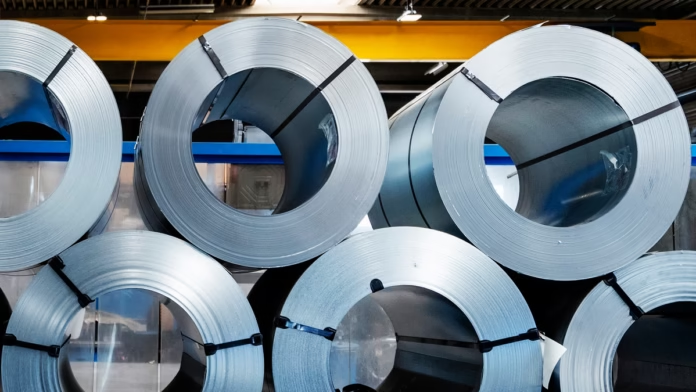
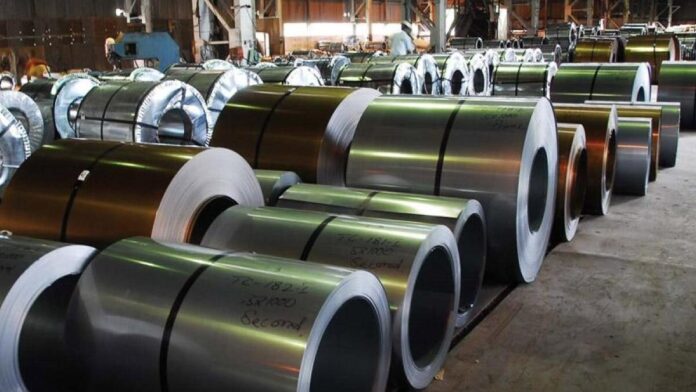
          India’s demand for stainless steel has surged, registering an impressive 11% growth in consumption, rising from 4.02 million tonnes in FY23 to 4.46 million tonnes in FY24. This growth reflects the country’s expanding industrial needs, with sectors like processing, infrastructure, and railroads driving the increased demand. Stainless steel’s unique attributes—durability, corrosion resistance, strength, and sustainability—have made it a preferred choice for a range of applications, from construction to manufacturing.

          The rising demand is also aligned with India’s ambitions to become a US$ 40 trillion economy by 2047. As industries like manufacturing, construction, and infrastructure continue to grow, the demand for stainless steel is expected to increase significantly. According to the Indian Stainless Steel Development Association (ISSDA), the per capita consumption of stainless steel in India in FY24 stood at 3.1 kg, still below the global average of 6.5 kg, but poised to increase as the economy expands. President of ISSDA, highlighted the industry’s growth, noting that the country’s increasing reliance on sustainable materials has diversified stainless steel demand across various sectors.

          Although India’s per capita consumption lags behind global figures, the country’s stainless steel production capacity is set to rise significantly—from the current 7.5 million tonnes to 12.5-12.7 million tonnes by FY2040 and 19-20 million tonnes by FY2047. This expansion will be supported by government initiatives, favorable trade policies, and a concerted focus on sustainable growth. The applications of stainless steel are diverse, covering architecture, construction, automobiles, railways, consumer durables, and the processing industry. New applications, particularly in alternative energy, ethanol production, and water storage, are further boosting demand. With these emerging uses, per capita consumption is expected to rise to between 4.5-5.5 kg by FY30, contributing to India’s development in key sectors and solidifying stainless steel’s role in the country’s industrial future.

          Steel Exchange India Considers Fundraising on Dec 18

          0
          Steel Exchange India Considers Fundraising on Dec 18
          Steel Exchange India Considers Fundraising on Dec 18

          Steel Exchange India Ltd. has announced that its board of directors will meet on December 18 to deliberate on a proposal to raise funds through various means. The company plans to raise the funds by issuing eligible securities in one or more tranches, with the fundraising potentially carried out through public and/or private offerings.

          The available options for fundraising include a Qualified Institutional Placement (QIP), preferential issue, or a further public offering (FPO), according to an exchange filing. However, the company noted that any decision will be subject to necessary approvals, including obtaining shareholder consent. To that end, the board will consider calling an extraordinary general meeting (EGM) to seek shareholder approval for the proposed fundraise. In a separate development, earlier this month, Steel Exchange India clarified in a filing that its promoter, Umashiv Garments Pvt. Ltd., had cancelled the pledge of over 25 lakh shares (approximately 0.21% of the company’s stake) with a third party. This cancellation occurred because the lender failed to accept the pledge within the specified timeframe.

          Steel Exchange India recently reported a decline in its quarterly net profit. For the quarter ending September 30, the company posted a net profit of Rs 2.72 crore, marking a 25.48% drop from Rs 3.65 crore in the corresponding period last fiscal year. On the stock market, Steel Exchange India’s shares closed at Rs 11.14 apiece, down 0.54% on the NSE, underperforming the Nifty 50 index, which saw a smaller decline of 0.13%. Despite the dip in stock price, Steel Exchange India’s stock has shown a 12.5% rise over the past year and a 6.6% increase on a year-to-date basis.

          Vraj Iron Stock Rises 8% on Plant Expansion News

          0
          Vraj Iron Stock Rises 8% on Plant Expansion News
          Vraj Iron Stock Rises 8% on Plant Expansion News

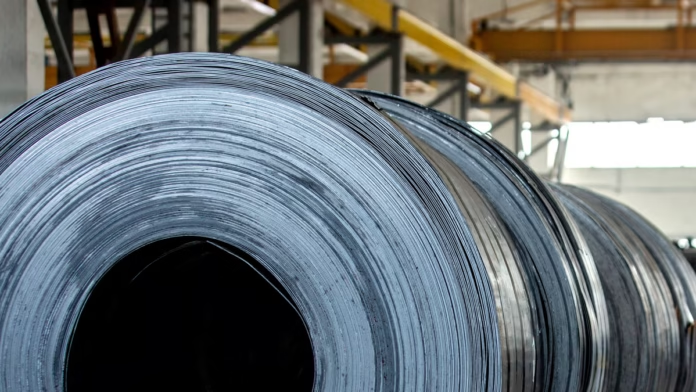
          Shares of Vraj Iron and Steel Limited, a microcap company involved in the production of Sponge Iron, TMT bars, and M.S. Billets under the brand Vraj, surged by 8% in intraday trade following an important development. The company received approval from the Chhattisgarh Environment Conservation Board for the operation of its expanded plant, propelling the stock to a high of Rs. 246.55 per share during the trading session. After a slight pullback, the stock was trading at Rs. 241.55, marking a 5.92% increase from its previous closing price of Rs. 228.05 per share.

          With a market capitalization of Rs. 796.70 Crores, Vraj Iron and Steel’s significant stock jump follows the environmental consent for its expansion project, which involves scaling up its Sponge Iron and power plant situated in Dighora village, Tehsil-Takhatpur, Bilaspur district, Chhattisgarh. The company’s approval comes at a critical time as it looks to ramp up its production capacity from 231,600 tonnes per annum (TPA) to 500,100 TPA. Additionally, Vraj plans to enhance energy efficiency with an expanded captive power plant. Founded in 2004, Vraj Iron and Steel has positioned itself as a key player in the Indian steel manufacturing sector, specialising in producing quality Sponge Iron, TMT bars, and MS billets. The company operates two advanced manufacturing facilities in Chhattisgarh and has a B2B sales model that targets industrial clients and end-users. The company aims to foster long-term customer relationships and operational excellence to meet the rising demand for steel in the domestic market.

          However, the company’s financial performance has shown some volatility. Its revenue from operations decreased by 23.64% year-on-year, falling from Rs. 116.22 Crore in Q2FY24 to Rs. 88.74 Crore in Q2FY25. Profits also took a hit, with net profit dropping from Rs. 19.69 Crore to Rs. 10.29 Crore during the same period. Despite this, Vraj Iron and Steel boasts strong return ratios, with a Return on Equity (ROE) of 33.65% and Return on Capital Employed (ROCE) of 36.60%, demonstrating solid operational efficiency. Its net profit margin stands at 13.67% as of FY24. In terms of shareholding, as of September 2024, the promoters hold a majority stake of 74.95%, followed by Foreign Institutional Investors (FII) at 0.94%, Domestic Institutional Investors (DII) at 4.49%, and public shareholders holding 19.61% of the company.

          India Faces Growing Finished Steel Import Dilemma

          0
          India Faces Growing Finished Steel Import Dilemma
          India Faces Growing Finished Steel Import Dilemma

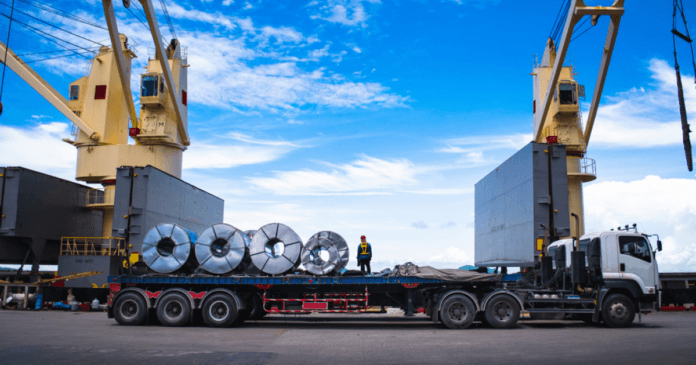
          India’s finished steel imports have witnessed a significant surge, reaching 5.768 million tonnes (MT) during the period from April to October 2024. This marks an alarming 42.1% year-on-year increase, stoking concerns within the domestic steel industry. The rapid rise in imports has raised alarms among large Indian steel producers and trade associations, who have called on the government to take protective measures. The demand is now for the imposition of additional duties on cheap steel imports to safeguard the interests of local manufacturers.

          In response, the Ministry of Steel recently proposed a 25% safeguard duty on certain steel imports, a move designed to curb the influx of cheaper foreign steel and bolster domestic production. However, this proposal has sparked dissent from the micro, small, and medium enterprises (MSMEs) sector. MSMEs argue that the additional duties would render their products uncompetitive both in domestic and international markets. They contend that rising local steel prices, exacerbated by these new duties, would further impede their ability to remain viable in an increasingly competitive global market.

          The import data for India’s finished steel paints a worrying picture. From FY20 to FY24, India’s finished steel imports grew at a compound annual growth rate (CAGR) of 5.29%. In FY24, the country turned into a net importer of finished steel, with imports reaching a staggering 8.3 million tonnes, a marked increase from 4.7 million tonnes during the Covid-19 pandemic. The trend is expected to continue, with projections suggesting that by FY25, steel imports could surpass 10 million tonnes.

          China, South Korea, and Japan have been the primary exporters, accounting for 78.6% of India’s total finished steel imports in FY24. China, in particular, has taken the lead, exporting 2.6 million tonnes in FY24 alone, followed by 1.7 million tonnes in the first seven months of FY25. While South Korea held the top position until FY23, China’s increased exports have shifted the balance. Other notable shifts include a rise in Vietnam’s share of India’s steel imports, from 1.27% in FY20 to 8.86% in FY24, while Indonesia and Germany’s shares have significantly declined during the same period.

          The growing dependence on imported steel has prompted the industry to call for a more balanced approach in policy, one that addresses the needs of both large steel producers and MSMEs. As India moves forward with its industrialisation and infrastructure development, the steel sector’s health remains critical to its long-term economic prospects. Balancing import duties, promoting domestic production, and ensuring the competitiveness of MSMEs will be pivotal in shaping the future of India’s steel industry.