Home Blog Page 475

Tier-II Cities Redefine India’s Real Estate Landscape

    0
    Tier-II Cities Redefine India’s Real Estate Landscape
    Tier-II Cities Redefine India’s Real Estate Landscape

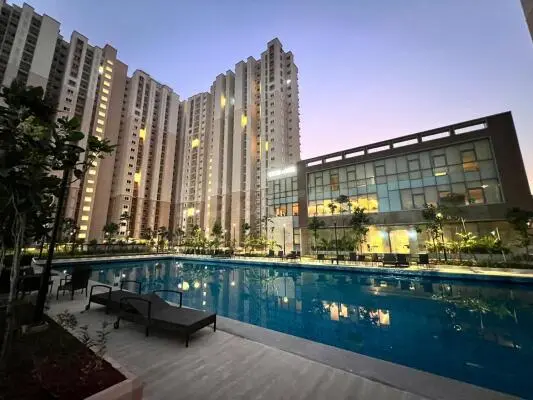
    India’s real estate market is undergoing a profound transformation, with Tier-II cities emerging as pivotal growth centres. A significant shift in consumer preferences, coupled with infrastructural advancements, has propelled cities like Lucknow, Dehradun, Chandigarh, and Ludhiana into the limelight. Recent analyses reveal that housing prices in these cities have appreciated by up to 65% since 2023, highlighting their potential as attractive alternatives to Tier-I metropolises.

    Tier-II cities stand out for their affordability and investment potential, offering substantial returns while catering to homebuyers seeking high-quality living spaces. Infrastructure developments like the construction of expressways, metro expansions, and enhanced public utilities have played a vital role in drawing attention to these regions. Cities such as Dehradun have seen housing prices rise by 14%, illustrating how urbanisation and proximity to natural beauty can create a compelling appeal. Lucknow’s diverse housing market caters to both budget-conscious buyers and luxury seekers, strengthening its position as an emerging real estate hub.

    Sustainability has become a cornerstone in these cities’ development narratives. The integration of green building practices, renewable energy systems, and eco-conscious urban planning reflects a shift towards sustainable growth. Such initiatives are in line with India’s commitment to reducing its carbon footprint and fostering balanced development. As developers invest in these regions, there is an increasing emphasis on building communities that prioritise environmental and social well-being.

    This rise is also spurring commercial and civic transformation. Many Tier-II cities are evolving into independent economic hubs, bridging the gap between rural and urban development. Improved infrastructure is not only facilitating connectivity but also enhancing quality of life, making these cities attractive for homebuyers and investors alike. With continued investments and sustainable urban planning, Tier-II cities are poised to play a transformative role in shaping the future of India’s real estate market.

    Sundream Group’s ₹2,500 Crore Expansion Across Delhi-NCR

    0
    Sundream Group's ₹2,500 Crore Expansion Across Delhi-NCR
    Sundream Group's ₹2,500 Crore Expansion Across Delhi-NCR

    Sundream Group, a prominent player in the Indian real estate sector, is poised to make a significant impact in the Delhi-NCR region with an ambitious ₹2,500 crore investment plan. Over the next 3-5 years, the group aims to launch two to three flagship projects, bolstering its portfolio in one of India’s most competitive property markets.

    These upcoming projects are expected to cater to a diverse clientele, combining luxury, functionality, and sustainability. Sundream Group’s strategic focus is on leveraging premium locations and delivering residential and commercial spaces that align with the region’s evolving urban needs. This move comes as the realty sector in Delhi-NCR continues to experience robust demand across various segments, driven by economic recovery and infrastructural advancements.

    From a sustainability perspective, the projects are anticipated to integrate eco-friendly designs and energy-efficient technologies, reflecting a growing commitment to green real estate practices. The incorporation of solar panels, rainwater harvesting systems, and energy-efficient appliances are expected to set new benchmarks in environmentally responsible construction. Such initiatives align with India’s broader goals of reducing carbon emissions and promoting sustainable urbanisation.

    The impact of this expansion on civic planning is noteworthy. The planned developments are likely to influence local infrastructure, prompting improvements in connectivity, public amenities, and urban layouts. Sundream’s investment underscores the importance of private sector participation in fostering holistic urban growth, ensuring that the real estate boom translates into long-term benefits for residents and communities.


    India’s EV Boom ₹40 Billion to Transform Real Estate

      0
      India's EV Boom ₹40 Billion to Transform Real Estate
      India's EV Boom ₹40 Billion to Transform Real Estate

      The Indian electric vehicle (EV) and ancillary industries are poised to attract an estimated USD 40 billion in investments over the next five to six years, unlocking transformative opportunities for the real estate sector. According to a recent industry report, this surge in investments, especially in the lithium-ion battery segment, is anticipated to propel growth in industrial infrastructure and urban development. Notably, the lithium-ion battery sector alone could account for two-thirds of these planned investments.

      The increasing adoption of EVs, despite being slower than initial forecasts, is expected to drive substantial demand for real estate. By 2030, this growth could lead to over 45 million square feet of real estate being allocated to EV charging infrastructure, manufacturing units, and warehousing facilities. Experts suggest that meeting India’s ambitious target of 80 million EVs on the road by 2030 will require a six-fold increase in annual EV sales from 2025 to 2030. Achieving these goals would demand significant cost reductions, increased affordability, and a rapid expansion of high-capacity production facilities for both vehicles and batteries.

      From a sustainability perspective, the emphasis on domestic EV production aligns with India’s decarbonisation goals. The development of 13,000 acres of land for industrial and warehousing purposes by 2030 could stimulate eco-friendly practices in logistics and manufacturing. This would further contribute to reducing the nation’s carbon footprint, supporting India’s net-zero ambitions. Additionally, the rise of technology-driven warehouses with advanced automation is set to strengthen the EV supply chain and bolster operational efficiency.

      Urban development is expected to witness significant shifts, with decentralised industrial hubs emerging as new growth engines. Policymakers must prioritise improving infrastructure, including reliable power supply and transportation networks, to ensure the seamless integration of these developments. Enhanced civic planning will be essential to cater to the demands of a burgeoning EV ecosystem, paving the way for a sustainable and inclusive urban future.

      Bengaluru’s Affordable Rental Spots Apartment Options Under ₹30,000

      0
      Bengaluru's Affordable Rental Spots Apartment Options Under ₹30,000
      Bengaluru's Affordable Rental Spots Apartment Options Under ₹30,000

      Bengaluru, a city synonymous with India’s IT revolution, offers an array of rental options catering to varied budgets. Despite being one of the most expensive cities in India, several areas in Bengaluru provide apartment rentals for less than ₹30,000 per month, presenting an opportunity for working professionals and families seeking affordable housing.

      Neighbourhoods like Whitefield, Electronic City, and Yelahanka have emerged as popular choices for those on a budget. Whitefield, a major IT hub, offers 2 BHK apartments at competitive prices, with rents ranging from ₹20,000 to ₹28,000. Similarly, Electronic City, another IT corridor, provides ample housing options with 2 BHK rentals starting at ₹18,000. Yelahanka, known for its greenery and proximity to the airport, offers rentals for as low as ₹15,000 for a compact 2 BHK, making it an attractive choice for families and professionals working in North Bengaluru.

      The demand for affordable housing in Bengaluru has been driven by the rising costs of living in central areas. According to a recent survey, rental prices in prime locations like Indiranagar and Koramangala often exceed ₹50,000 for a modest apartment. This makes peripheral areas not only affordable but also sustainable, as they reduce the burden on Bengaluru’s central infrastructure and promote decentralised urban growth.

      From a sustainability perspective, the preference for peripheral areas like Whitefield and Electronic City encourages balanced urban development. These areas, equipped with modern infrastructure, help reduce the strain on the city’s core and foster the growth of self-sufficient neighbourhoods. By prioritising eco-friendly construction and better waste management, such regions play a critical role in Bengaluru’s sustainable future.

      The growing popularity of these areas highlights the necessity for policymakers to address civic issues, such as improving public transport connectivity and reducing traffic congestion, to ensure seamless integration with the rest of the city. Strengthening urban planning in these neighbourhoods could significantly enhance Bengaluru’s housing market’s inclusivity and affordability.


      Real Estate Activist Raises Concerns Over Odisha Minister’s Remarks on RERA Act

        0
        Real Estate Activist Raises Concerns Over Odisha Minister’s Remarks on RERA Act
        Real Estate Activist Raises Concerns Over Odisha Minister’s Remarks on RERA Act

        In a notable development, real estate activist Bimalendu Pradhan has called upon Prime Minister Narendra Modi to address recent remarks made by Odisha’s Revenue and Disaster Management Minister, Suresh Pujari, regarding the Real Estate (Regulation and Development) Act (RERA). The Minister’s comments, questioning the Act’s applicability, have sparked discussions within the real estate community and beyond.

        At a public event, Minister Pujari reportedly questioned the compulsory nature of RERA across all states, suggesting the possibility of amending the RERA framework and other related state laws governing development authorities. A video of the Minister’s speech, shared by Pradhan on the social media platform X, has intensified the debate.

        Pradhan pointed out that RERA, enacted in 2016, explicitly states its applicability to the entire country, barring Jammu and Kashmir at the time of its enactment. He highlighted that Jammu and Kashmir has since implemented RERA, reinforcing its nationwide relevance. Pradhan also referenced the Supreme Court’s 2018 verdict invalidating the West Bengal Housing Industry Regulation Act (WB-HIRA) as unconstitutional, underscoring the legal precedence in favour of RERA.

        The activist’s intervention underscores the importance of maintaining uniformity and accountability in real estate regulations. RERA, designed to protect homebuyers and enhance transparency, has been instrumental in reshaping India’s real estate landscape. The activist’s plea to the Prime Minister seeks to prevent any dilution of the Act that could affect the interests of property buyers and investors.

        This controversy not only raises legal questions but also highlights the need for cohesive governance in the real estate sector, a critical driver of India’s urban development and economic growth.

        MHADA to Deliver 2.5 Lakh Affordable Homes in Mumbai in five years

        0
        MHADA to Deliver 2.5 Lakh Affordable Homes in Mumbai in five years
        MHADA to Deliver 2.5 Lakh Affordable Homes in Mumbai in five years

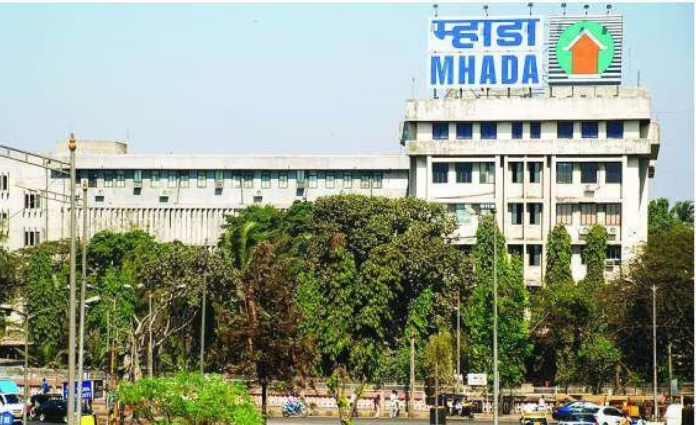
        In a move to tackle Mumbai’s acute housing challenges, the Maharashtra Housing and Area Development Authority (MHADA) has announced plans to construct 2.5 lakh affordable homes over the next five years. This initiative aligns with the broader goal of building 30 lakh homes across the Mumbai Metropolitan Region (MMR) by 2030, a target set by NITI Aayog. Of this total, MHADA will contribute 8 lakh homes, with a significant share allocated to Mumbai itself.

        MHADA’s comprehensive plan includes leveraging its 2,000 hectares of land across Mumbai and redeveloping older buildings in 114 suburban layouts. This dual strategy aims to reduce housing costs by up to 30%, making homeownership more accessible. The redevelopment focus also highlights MHADA’s commitment to modernising Mumbai’s ageing housing stock. Milind Borikar, CEO of MHADA Mumbai Board, emphasised the agency’s dedication to addressing Mumbai’s housing deficit, particularly for middle and lower-income groups.

        The urgency for affordable housing is underscored by the overwhelming demand witnessed in MHADA’s lotteries. In its most recent lottery, over 1.29 lakh applications were received for just 2,030 homes. A similar scenario unfolded in 2023, with 1.09 lakh applicants competing for 4,082 homes. These statistics highlight a stark gap between supply and demand, leaving many aspiring homeowners in prolonged uncertainty.

        Beyond ownership homes, MHADA is expanding into rental housing to cater to Mumbai’s migrant population. Rental housing initiatives, focusing on students and working women, aim to provide affordable options for transient residents. “We aim to create a holistic housing ecosystem addressing diverse needs,” stated Deputy CEO Anil Wankhede. With revised policies and partnerships with private developers, MHADA is poised to make a significant impact on Mumbai’s housing landscape.


        CA Technologies Renews Pune Office Lease for ₹12 Crore Annually

        0
        CA Technologies Renews Pune Office Lease for ₹12 Crore Annually
        CA Technologies Renews Pune Office Lease for ₹12 Crore Annually

        US-based CA Technologies Private Limited has reaffirmed its commitment to India’s burgeoning IT landscape by renewing the lease for its commercial space in Pune’s thriving Kharadi IT hub. Spanning a substantial 1.08 lakh sq ft, the office is leased from a subsidiary of Panchshil Realty, one of India’s leading real estate developers. The deal is valued at an annual rent of over ₹12 crore for the next five years, signalling robust demand in the region for Grade-A commercial spaces.

        The Kharadi area, often referred to as Pune’s IT corridor, is a preferred destination for multinational companies due to its excellent connectivity, infrastructure, and proximity to residential catchments. CA Technologies’ renewed lease not only underscores the area’s strategic importance but also reflects the company’s long-term investment in its Indian operations. Over the past decade, Kharadi has emerged as a key player in India’s IT ecosystem, with rental values steadily appreciating as corporate demand surges.

        This transaction also highlights the evolving landscape of sustainability in commercial real estate. Panchshil Realty is known for integrating green building practices into its developments. Modern IT hubs in Kharadi, including this property, are adopting environmentally responsible designs, such as energy-efficient lighting, water conservation systems, and improved waste management. Such features align with global corporations’ focus on sustainable operations.

        From an urban development perspective, the lease renewal is indicative of Kharadi’s transformation into a robust urban centre. However, the growth also brings challenges, such as traffic congestion and the need for expanded civic amenities. Policymakers and developers must continue their efforts to address these issues to ensure sustainable and balanced development.

        Scholz Promises Support for Steel Industry

        Scholz Promises Support for Steel Industry
        Scholz Promises Support for Steel Industry

        German Chancellor Olaf Scholz has committed to supporting the nation’s steel industry, promising competitive energy costs and improved international conditions for companies such as Thyssenkrupp Steel Europe, Salzgitter, and ArcelorMittal. At a meeting with labor leaders and steel executives on Monday in Berlin, Scholz reiterated the government’s resolve to assist the sector, which has faced significant challenges from low-cost competition in Asia and an unpredictable global market.

        The German steel industry has struggled for years to cope with rising costs and volatile market conditions, which have intensified the pressure on domestic manufacturers. Scholz emphasized that the government would continue to back the industry’s modernization efforts and ensure that energy prices remain competitive. As part of this, he proposed a plan to cap the cost of transporting electricity through the transmission grid at three cents per kilowatt hour. Additionally, the German government intends to finance part of the costs associated with transmission grids to prevent grid fees from rising in 2025. However, despite these assurances, Scholz faces political hurdles at home. Since the dismissal of former finance minister Christian Lindner, Scholz no longer holds a parliamentary majority, and passing such proposals will require support from opposition parties. The challenge lies in navigating the political landscape to secure the necessary backing for his plans.

        In a broader context, Scholz also urged action at the European Union level to address competitive distortions in the steel market. According to a statement from Scholz’s office, the Chancellor called on the European Commission to take strong action against market distortions caused by dumping and subsidized steel imports. He further emphasized that the EU must consider additional trade protection measures to safeguard the European steel sector from unfair competition. The call for EU intervention reflects the growing concerns within the German steel industry that without protective measures, it will continue to struggle against foreign competitors who benefit from lower production costs or government subsidies. Scholz’s efforts are seen as part of a larger strategy to ensure that Europe’s steel sector remains competitive in the face of global challenges.

        Steel Industry Struggles with Rising Imports

        0
        Steel Industry Struggles with Rising Imports
        Steel Industry Struggles with Rising Imports

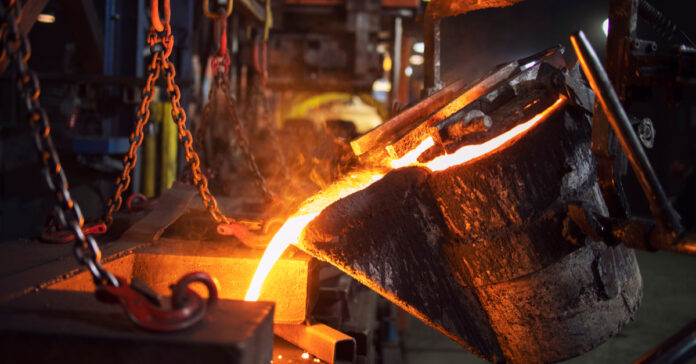
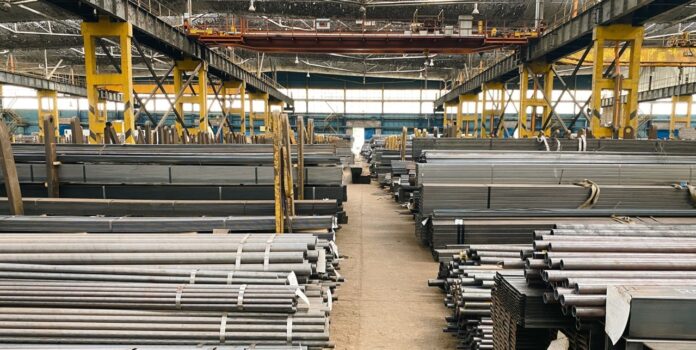
        The Indian steel industry, facing a critical juncture, is grappling with the dual challenge of rising imports and ambitious expansion plans aimed at supporting the government’s $1.4 trillion infrastructure push. While this national initiative is highly steel-intensive, the surge in imports, particularly from China, has put domestic manufacturers under significant pressure. Steel prices have been depressed, making it increasingly difficult for firms to sustain their expansion efforts and meet rising demand. Consequently, the inventory levels of steel companies have spiked from the usual 15-16 days to a concerning 30 days, indicating a market under strain.

        India, the world’s second-largest producer of crude steel, has seen a significant shift in its trade balance. Since the last fiscal year, the country has transitioned from being a net exporter of finished steel to becoming a net importer, a stark change from its status as a steel surplus nation since FY20. In response, the domestic steel industry is now calling for protective measures against the influx of cheap imports, especially from China. This is in line with actions taken by global counterparts such as the US, European Union, and Canada, which have implemented anti-dumping and safeguard duties to protect their markets. The Ministry of Steel, in a bid to shield domestic producers, has proposed a 25% safeguard duty for two years, hoping to curb the impact of cheap Chinese steel, which currently accounts for 30% of India’s imports and has surged by 35.4% year-on-year.

        However, the efficacy of such a safeguard duty is being questioned. While China is the primary target, the rise in steel imports from countries like Japan and South Korea complicates the situation. Both nations have trade agreements with India, allowing steel imports at nil duty, which means a safeguard duty would not impact these shipments. Currently, about 62% of steel imports come from countries with which India has signed free trade agreements, and the safeguard duty will not affect these volumes.

        Moreover, the process of implementing safeguard duties is time-consuming, often taking between four to six months due to the required paperwork and investigations. During this period, the industry continues to face the adverse effects of cheap imports. Additionally, the imposition of such duties could have unintended consequences for India’s engineering sector, where steel makes up 60% of production costs. The engineering industry is concerned that higher steel prices will make their exports less competitive on the global stage. Furthermore, the steel industry is seeking expedited processes for clearing steel shipments, urging the government to speed up the issuance of no-objection certificates to avoid delays in customs.

        ISSDA Urges Government Action on Stainless Steel Policy

        ISSDA Urges Government Action on Stainless Steel Policy
        ISSDA Urges Government Action on Stainless Steel Policy

        The Indian Stainless Steel Development Association (ISSDA) is intensifying efforts to secure a distinct policy framework for the stainless steel industry, calling for dedicated government action to promote the sector’s growth. With an eye on improving policy interventions and facilitating growth, ISSDA has submitted a proposal to the Ministry of Steel, seeking a separate and more focused approach for the stainless steel domain.

        Rajamani Krishnamurti, President of ISSDA, revealed that the association has already presented several drafts to the ministry, which has shown a positive inclination toward the proposal. During a recent video conference, he expressed confidence that the government will take the necessary steps to formulate a policy specific to the stainless steel industry, addressing the unique challenges and potential it holds for India’s economic landscape. Currently, stainless steel is considered part of the broader domestic steel sector, which groups various types of steel production under one policy. However, ISSDA’s call for a distinct policy stems from the sector’s growing importance and distinct dynamics, which warrant tailored interventions and support.

        The stainless steel industry in India has been witnessing robust growth, reflected in the increase in consumption over recent years. The consumption of stainless steel in India surged from 4.02 million tonnes (MT) in FY23 to 4.46 MT in FY24, marking an impressive growth of approximately 11 per cent year-on-year. The per capita consumption has similarly risen, climbing from 2.25 kilograms (kg) in FY19 to 3.1 kg in FY24. This growth highlights the rising demand for stainless steel across sectors such as construction, automotive, and consumer goods, which underscores the need for more focused government attention.

        ISSDA’s push for a dedicated policy is a strategic move to ensure that the sector receives the necessary infrastructure support, market access, and fiscal measures to continue expanding. Industry leaders believe that such a policy could propel India’s standing as a global leader in stainless steel production and consumption, benefiting a range of industries and creating jobs. The proposal is now being closely followed by key policymakers, with the Ministry of Steel indicating a readiness to engage in further discussions.