Home Blog Page 476

Lucknow Development Authority Demolishes Illegal Five-Storey Complex in Indiranagar

    0
    Lucknow Development Authority Demolishes Illegal Five-Storey Complex in Indiranagar
    Lucknow Development Authority Demolishes Illegal Five-Storey Complex in Indiranagar

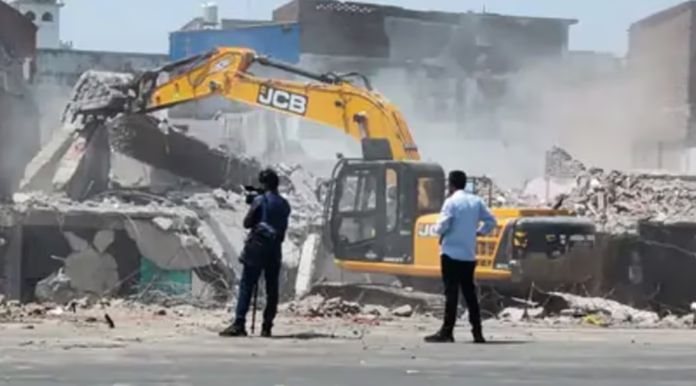
    The Lucknow Development Authority (LDA) has demolished an illegally constructed five-storey commercial complex in Indiranagar for violating building regulations and lacking the necessary approvals. The complex, which spanned approximately 10,000 sqft, included shops and 10 flats.

    The property, owned by builder Amar Agarwal, was flagged after a complaint was lodged against its unauthorized construction. Following the directive from LDA Vice-Chairman Prathmesh Kumar, a demolition operation was carried out under the supervision of Additional Secretary Gyanendra Verma and officials from Enforcement Zone-Five. In addition to the demolition in Indiranagar, LDA also carried out actions in other areas of the city, including:

    • Illegal plotting spanning 6.25 acres in Sarojininagar was demolished by Enforcement Zone-3 under the leadership of Zonal Officer Vandana Pandey.
    • Illegal plotting across four acres near Kisan Path in Mohanlalganj was also addressed.
    • Five unauthorized commercial constructions in areas like Gosainganj, Nagaram Road, and South City were sealed.

    The demolitions and enforcement actions are part of ongoing efforts to maintain compliance with building and zoning regulations in Lucknow.

    DMRC Develops Over 40 km of Underground Corridors in Phase 4 Expansion

      0
      DMRC Develops Over 40 km of Underground Corridors in Phase 4 Expansion
      DMRC Develops Over 40 km of Underground Corridors in Phase 4 Expansion

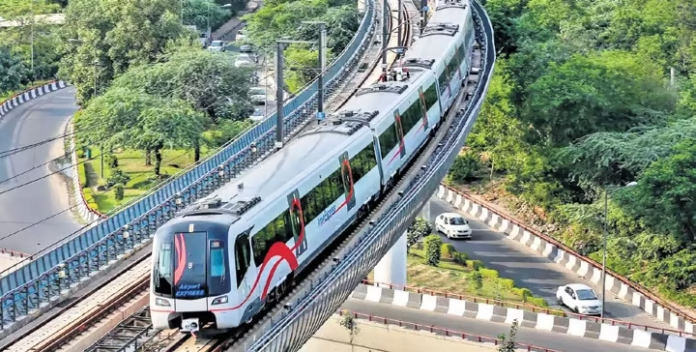
      The Delhi Metro Rail Corporation (DMRC) is undertaking the development of over 40 kilometers of underground corridors as part of its Phase 4 expansion, which is a significant portion of the overall 86 kilometers of new lines being laid across five corridors. This underground expansion represents approximately 50% of the total lines being developed in Phase 4, and it includes the construction of 27 underground stations.

      DMRC has already completed a small underground section of about 2 kilometers from Janakpuri West to Krishna Park as part of the Magenta Line extension. The new underground sections will be developed using cutting-edge technologies and will pass through challenging areas such as crowded residential and commercial zones in Sadar Bazar, Nabi Karim, Mehrauli Badarpur Road, and Ajmal Khan Park. To manage the complex tunneling work, DMRC uses Tunnel Boring Machines (TBMs), which are capable of cutting through various soil and rock types, making them ideal for congested urban areas. TBMs have been in use since Phase 1, and in Phase 3, 30 TBMs were deployed for around 50 kilometers of underground sections. A portion of the Aerocity-Tughlakabad corridor will also use the New Austrian Tunneling Method (NATM), which has been previously used successfully by DMRC in earlier phases.

      The underground sections in Phase 4 include:

      • Aerocity-Tughlakabad: Approximately 19 kilometers.
      • Janakpuri West-RK Ashram Marg: About 9 kilometers.
      • Inderlok-Indraprastha: Over 11 kilometers.
      • Majlis Park-Maujpur and Lajpat Nagar-Saket G Block: These sections will not have underground stations.

      DMRC is ensuring that the construction is closely monitored to safeguard the condition of the buildings above ground, employing necessary instrumentation for real-time monitoring of the affected areas.

      Peripheral Areas Outshine Prime Locations in Real Estate Growth

        0
        Peripheral Areas Outshine Prime Locations in Real Estate Growth
        Peripheral Areas Outshine Prime Locations in Real Estate Growth

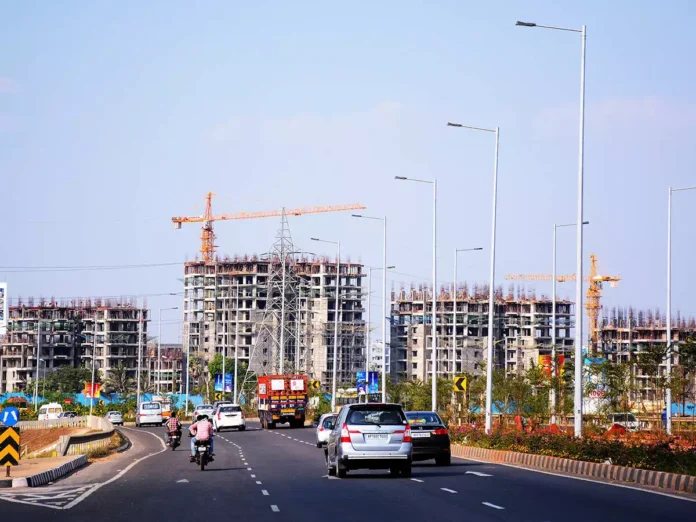
        A detailed analysis of the Indian real estate market reveals that peripheral areas in key cities have demonstrated stronger price appreciation than many prime locations over the last six years. This trend underscores the growing demand for affordable and accessible housing in well-connected yet emerging neighbourhoods.

        Bengaluru’s Gunjur has emerged as a standout, registering a remarkable 69% price hike, with average residential prices soaring from ₹5,030 per sq. ft. in 2019 to ₹8,500 per sq. ft. by Q3 2024. In contrast, the city’s prime Thannisandra Main Road saw a 62% price increase during the same period. Similarly, Noida Expressway in the NCR recorded a 66% price appreciation, while Delhi’s Dwarka Expressway showcased a stellar 93% growth, reaching ₹10,350 per sq. ft. by Q3 2024.

        In Mumbai, peripheral areas like Panvel and Virar recorded price growth of 58% each, while iconic locations such as Worli and Lower Parel showed comparatively moderate growth rates of 37% and 49%, respectively. This trend highlights the untapped potential of emerging suburbs, often driven by enhanced connectivity, infrastructure upgrades, and affordability.

        From a sustainability perspective, peripheral regions benefit from lower population density and the potential for eco-friendly development. Developers are increasingly integrating green building practices and sustainable designs in these areas, ensuring long-term environmental and urban viability. These developments not only address housing demand but also contribute to urban regeneration by fostering balanced growth.

        The civic implications of this trend are noteworthy. Rising real estate prices in peripheral areas reflect improved infrastructure, such as metro extensions and expressways, but also call for careful urban planning to prevent unchecked sprawl and strain on local resources. Policymakers and developers must collaborate to ensure these regions evolve sustainably while maintaining liveability.

        Century Real Estate Eyes ₹2,000 Crore Sales in FY25

          0
          Century Real Estate Eyes ₹2,000 Crore Sales in FY25
          Century Real Estate Eyes ₹2,000 Crore Sales in FY25

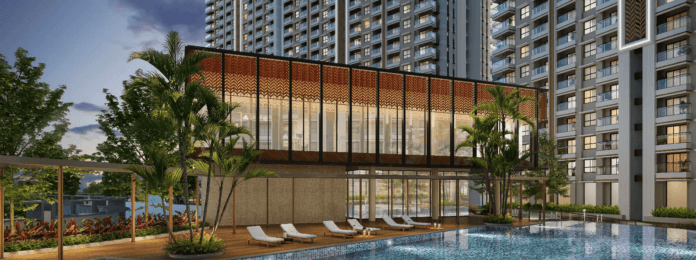
          Century Real Estate, a leading Bengaluru-based developer, has set an ambitious sales target of ₹2,000 crore for FY25, leveraging the growing demand in the luxury and aspirational housing segments. With India’s expanding affluent class and a rising preference for premium living spaces, Century aims to achieve robust growth by launching strategically located high-value projects and strengthening its brand presence.

          The real estate market in Bengaluru has witnessed a significant shift, with luxury housing sales growing by over 40% in recent years. Century Real Estate’s focus on high-margin projects caters to evolving buyer preferences for sustainable, technologically advanced, and well-connected homes. In FY24, the company recorded ₹1,500 crore in sales, driven largely by mid-segment and premium offerings. Their move to upscale projects reflects market trends where aspirational homes account for 35% of residential sales.

          Urbanisation and government infrastructure initiatives, such as metro expansion and road upgrades, have bolstered property values in Bengaluru. Additionally, Century Real Estate is adopting eco-friendly construction practices and sustainable designs to align with global environmental standards. By integrating green technologies, the firm aims to reduce its carbon footprint while delivering homes that promote energy efficiency and well-being.

          From a civic perspective, Century’s focus on urban sustainability highlights the pressing need for real estate solutions that address housing demand without compromising infrastructure quality. With Bengaluru grappling with issues such as traffic congestion and resource scarcity, the company’s projects aim to enhance liveability while contributing to urban regeneration. This dual approach of meeting market demand and prioritising sustainability sets a benchmark for responsible real estate development.

          Andhra Pradesh CRDA Approves Rs 8,822 Crore Projects for Amaravati’s Infrastructure Development

            0
            Andhra Pradesh CRDA Approves Rs 8,822 Crore Projects for Amaravati's Infrastructure Development
            Andhra Pradesh CRDA Approves Rs 8,822 Crore Projects for Amaravati's Infrastructure Development

            The Capital Region Development Authority (CRDA) in Andhra Pradesh has approved projects worth Rs 8,822 crore for the development of Amaravati, the state’s capital city. This decision was made during a meeting chaired by Chief Minister Chandrababu Naidu, focusing on the infrastructure development of Amaravati.

            As part of the initiatives, Rs 3,807 crore has been allocated for the construction of roads in areas where land has been acquired through the land pooling scheme. Additionally, Rs 4,521 crore will be invested in the development of trunk roads to improve connectivity, while Rs 492 crore will go towards constructing bungalows for Ministers and High Court judges. Earlier, the CRDA had cleared works worth Rs 11,471 crore, bringing the total approved works to Rs 20,292.46 crore. The approved projects include the development of layouts spanning 236 kilometers, covering areas like Nelapadu, Rayapudi, Ananthavaram, and Dondapadu. Furthermore, 97.5 km of trunk roads have been greenlit for construction.

            Minister P Narayana emphasized that despite calling tenders for works worth Rs 41,000 crore between 2014-2019, only projects worth Rs 5,000 crore had been completed. He noted that delays in construction led to an increase in the overall cost of projects by 25% to 28%, with building costs rising by 35% to 55%. Narayana assured that tenders for the new projects would be issued by December 15, with completion expected by the end of the month. However, some delays occurred due to legal cases involving Singapore-based designers, and decisions regarding their re-engagement will be made in consultation with the Chief Minister.

            Peripheral Pune Areas Outpace Prime Locations in Price Growth

            0
            Peripheral Pune Areas Outpace Prime Locations in Price Growth
            Peripheral Pune Areas Outpace Prime Locations in Price Growth

            In an unexpected trend, peripheral locations like Pune’s Wagholi have outperformed prime areas such as Wakad in residential price growth over the past six years. ANAROCK’s latest research reveals that Wagholi recorded a 37% price increase, while Wakad saw a 27% rise. Improved connectivity, infrastructure development, and enhanced liveability have driven the surge in Wagholi, highlighting the growth potential in peripheral areas.

            Similarly, other cities reflect this pattern. In Bengaluru, Gunjur experienced a 69% price jump from ₹5,030 per sq. ft. in 2019 to ₹8,500 per sq. ft. in Q3 2024, outpacing prime Thannisandra Main Road’s 62% growth. NCR’s Noida Expressway recorded a 66% rise, contrasting with Raj Nagar Extension’s 55% increase. However, exceptions exist, such as Delhi’s Dwarka Expressway, a prime area with a significant 93% rise, demonstrating that prime locations can still lead under the right conditions.

            Peripheral growth stems from untapped price appreciation potential, connectivity enhancements, and urban development. These areas offer affordability alongside improved amenities, driving demand among homebuyers. Meanwhile, prime locations, with earlier price escalations, often exhibit slower growth, consolidating their value.

            This trend underlines the evolving dynamics of India’s real estate market, where outlying areas increasingly rival prime locations in appeal and investment potential.

            UltraTech’s India Cements Deal Faces Competition Scrutiny

            UltraTech’s India Cements Deal Faces Competition Scrutiny
            UltraTech’s India Cements Deal Faces Competition Scrutiny

            The Competition Commission of India (CCI) has initiated a review of UltraTech Cement’s proposed acquisition of India Cements, following communication from UltraTech about the development. The company disclosed the information in an exchange filing, stating that the CCI had contacted them under Section 29 (1) of the Competition Act, 2002, regarding the deal.

            UltraTech Cement, one of India’s largest cement manufacturers, expressed confidence in the merits of the acquisition, highlighting the competitive and fragmented nature of the southern grey cement market, where India Cements operates. With more than 35 manufacturers in the region, the company believes the acquisition will not stifle competition in the sector. The acquisition deal was initially announced in July, with UltraTech agreeing to purchase a 32.72% stake in India Cements for Rs 3,954 crore. This included a 28.42% stake from the company’s promoters and a 4.30% stake from Sri Saradha Logistics. As part of the deal, UltraTech has committed to ensuring that any vertical relationships between the two companies remain non-exclusive and operate at arm’s length, as per standard business practices.

            While UltraTech remains optimistic about the approval process, the deal is still subject to regulatory clearances, which include the CCI’s evaluation of the potential impacts on market competition. The review process is standard for acquisitions in the Indian corporate landscape, especially in industries where significant mergers or buyouts could affect market dynamics. The acquisition of India Cements is part of UltraTech’s broader strategy to consolidate its position in the Indian cement industry. However, with CCI scrutiny in play, it remains to be seen whether the deal will face any changes or conditions before receiving final approval.

            Climeon Signs Order with NovaAlgoma for HeatPower 300 on Cement Carrier

            Climeon Signs Order with NovaAlgoma for HeatPower 300 on Cement Carrier
            Climeon Signs Order with NovaAlgoma for HeatPower 300 on Cement Carrier

            Climeon, the Swedish cleantech company, has secured an important order from NovaAlgoma Cement Carriers (NACC) for the installation of its HeatPower 300 waste heat recovery system. This cutting-edge technology will be deployed on a pioneering methanol dual-fuel cement carrier, marking a significant milestone for both companies and the maritime industry as a whole.

            The RINA-classed vessel, set to become a leader in sustainable cement shipping, will be the first cement carrier to incorporate the HeatPower 300 system. Climeon’s technology enables the generation of up to 300 kW of sustainable electricity by recovering low-grade waste heat from the vessel’s engine cooling water and exhaust gases. This recovery reduces fuel consumption and lowers emissions, aligning with NACC’s sustainability objectives. With the HeatPower 300, energy that would typically be lost in conventional operations is harnessed and converted into usable electricity, contributing both to environmental goals and operational efficiency. The move is a testament to the shipping industry’s increasing shift toward cleaner and more efficient technologies, as well as a direct response to tighter environmental regulations in global maritime transport.

            Francesco Costagliola, Technical Director at NovaAlgoma, emphasised the company’s commitment to leading the way in sustainable shipping practices. “At NACC, we are committed to setting a standard for sustainable, energy-efficient operations,” he said. “Integrating Climeon’s waste heat recovery technology supports our sustainability goals and helps us meet increasingly stringent environmental regulations while improving operational efficiency.” The installation of the HeatPower 300 on this dual-fuel vessel is expected to deliver both immediate and long-term economic benefits, making it a landmark development in the maritime sector. By providing a solution that captures engine waste heat regardless of the fuel used, Climeon’s system enhances the operational and environmental performance of vessels, which is especially significant for the cement industry, known for its energy-intensive logistics.

            This collaboration between Climeon and NovaAlgoma is a forward-thinking step towards a more sustainable cement shipping sector. With this integration, Climeon is showcasing the versatility of its HeatPower 300 system, which has proven effective across various types of vessels, and reinforcing its role in the transition to greener shipping solutions.

            Cement Dealers Raise Prices Nationwide as Demand Rises

            Cement Dealers Raise Prices Nationwide as Demand Rises
            Cement Dealers Raise Prices Nationwide as Demand Rises

            Cement prices have seen a notable increase across India in December, marking a shift after months of stagnation. The price hikes come amid a revival in demand from both the real estate and infrastructure sectors, with Western India experiencing the highest price increases, while other regions are also witnessing significant upticks.

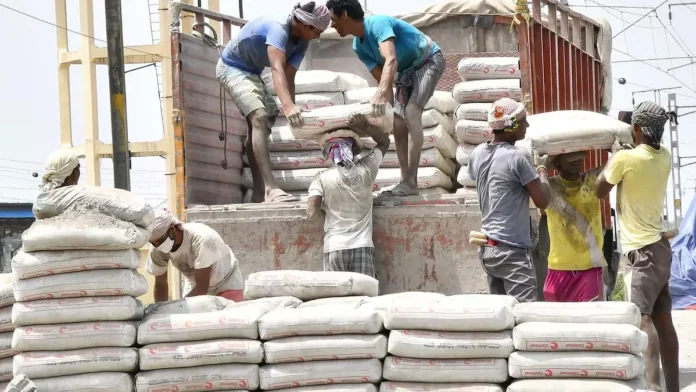
            Following a period of four to five months of flat pricing, which had put pressure on dealer margins and negatively impacted the profitability of cement companies, dealers across the country have implemented price hikes. Dealers attribute the price surge to a combination of factors, including increased demand from the real estate sector—boosted by better labour availability post-festive season—and a rise in orders from the infrastructure sector. In Western India, where cement prices are already among the highest in the country, dealers have raised prices by Rs 5-10 per 50 kg bag. This increase comes after a period of stagnant prices, with the new price range standing at Rs 350-400 per 50 kg bag, according to dealers and listings on various B2B platforms.

            Meanwhile, the southern and eastern regions have experienced even larger price hikes, though the prices in these regions remain lower than those in Western and Northern India. In southern India, cement prices were increased by up to Rs 40 per bag, pushing prices to around Rs 320 per 50 kg bag, according to a large distributor in Chennai. Eastern India, too, saw price hikes after several months of stability, with prices rising by up to Rs 30 per bag, following a recovery in real estate and infrastructure activities post-festive season.

            Dealers in Delhi have reported a Rs 20 per bag increase across all brands, with new prices ranging between Rs 340-395 per bag, depending on the quality and brand. In regions like Eastern India, the recovery of construction activity and infrastructure projects in states like Odisha and West Bengal has led dealers to raise prices to meet the demand. An InCred Equities report forecasts that cement prices will increase by Rs 10-15 per bag across all regions, as dealers anticipate a continuation of demand growth. Despite the uptick, analysts caution that severe price hikes might be difficult to implement due to the influx of new capacities coming online, as well as the larger cement manufacturers’ preference for boosting volumes and market share rather than raising prices.

            However, the market is still in the process of absorbing these price hikes, and while September’s attempted price hikes failed to take hold, analysts believe the rise in government expenditure and the end of election-related disruptions may offer some support for future price stability. As cement prices rise across the country, this trend is expected to continue into the second half of FY25, with infrastructure development and increased capital expenditure by the government providing further momentum for the industry.

            Himfed Introduces Affordable Cement Delivery Service in Sirmaur

            Himfed Introduces Affordable Cement Delivery Service in Sirmaur
            Himfed Introduces Affordable Cement Delivery Service in Sirmaur

            In a bid to provide significant relief to local consumers, Himachal Pradesh State Cooperative Marketing and Consumer Federation Limited (Himfed) has launched an affordable cement delivery service in Nahan and surrounding areas. This new initiative promises to supply cement directly to consumers’ doorsteps, offering a price much lower than the market rate, while eliminating the additional costs associated with transportation.

            In partnership with the Cement Corporation of India (CCI), Himfed is offering CCI cement at an affordable Rs 365 per bag, which is substantially cheaper than the Rs 400 or more charged by private companies. This price reduction, coupled with the convenience of home delivery, is expected to ease the burden on local consumers and facilitate the completion of various construction projects in the region. The service is initially being rolled out in Nahan and surrounding areas such as Banog, Jarja, Jabal Ka Bagh, Amwala, Sainwala, Kanshiwala, Shambhuwala, and Bankala. Himfed plans to expand this service to other parts of the Sirmaur district in the near future, offering greater accessibility to the affordable cement supply.

            Himfed operates nine stores across Sirmaur, including in Nahan, Sarahan, Jamta, Dhamla, Giripul, Nauradhar, Sangrah, Timbi, and Paonta Sahib, where it provides essential goods such as chemical and organic fertilisers, animal feed, and agricultural supplies. The cement delivery initiative is an extension of Himfed’s mission to support the agricultural community and local construction projects with affordable materials. Madan Thakur, Himfed’s Sirmaur in-charge, emphasized the importance of the service, stating, “We are providing CCI cement at Rs 365 per bag, significantly lower than the market price. This service aims to relieve our customers of the hassle of transportation and the added costs. Our goal is to sell 200 tonnes of cement this month, and we are planning to expand further across the district.”

            This is not the first time Himfed has ventured into cement distribution. From 2005 to 2010, the federation successfully supplied cement, but the service was discontinued due to unforeseen circumstances. Now, with the reintroduction of this affordable cement delivery service, Himfed has reestablished itself as a key player in addressing local construction needs. The initiative is expected to have a far-reaching impact on rural and semi-urban communities in Sirmaur, where the high costs of building materials often pose challenges for construction activities. With Himfed’s commitment to quality and affordability, this service is poised to set a new standard in cooperative marketing and make a lasting impact in the region.