
HomeUrban NewsBangaloreBengaluru Housing Costs Push Tenants To Negotiate

Bengaluru Housing Costs Push Tenants To Negotiate

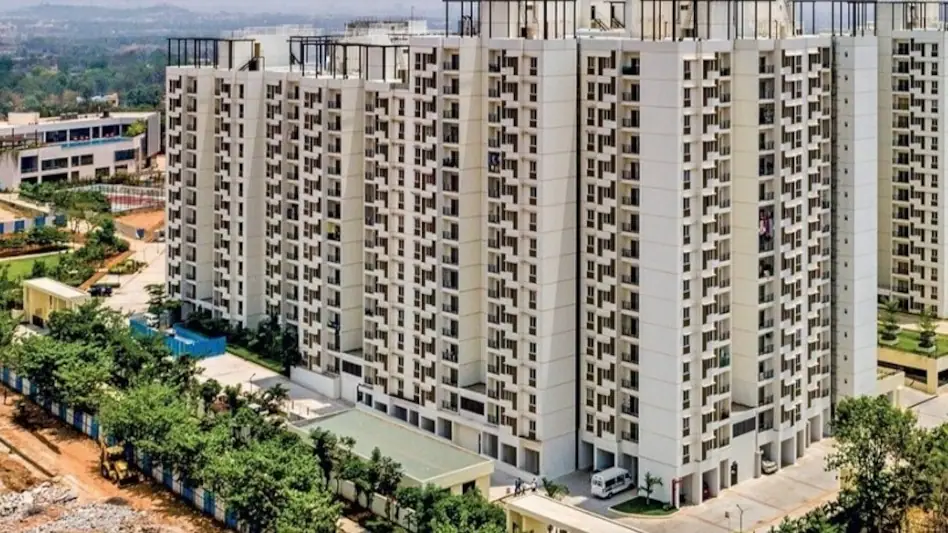
Bengaluru’s rapidly rising rental market is once again under scrutiny after tenants across several neighbourhoods reported steep rent revisions during lease renewals, highlighting the growing imbalance between housing demand and affordability in India’s technology capital. The debate has reignited questions around tenant protections, housing stability, and whether fast-growing cities require clearer rental frameworks to prevent unchecked urban cost escalation.

Across Bengaluru’s major residential corridors, renters are increasingly facing double-digit rent increases at the end of standard 11-month agreements. While annual hikes of five to seven per cent have long been considered common practice in the city’s housing market, recent demand pressures linked to employment migration, limited housing supply near technology parks, and improving office occupancy have altered pricing expectations. Legal and housing experts indicate that current rental practices largely operate through private contractual arrangements rather than a uniform rent regulation mechanism for new agreements. In effect, once a lease period concludes, landlords are generally free to renegotiate terms or seek new occupants at prevailing market rates. This has created a highly fluid rental ecosystem where pricing is increasingly dictated by local demand rather than affordability considerations.

The issue has become particularly visible in Bengaluru’s eastern and northern suburbs, where infrastructure growth and corporate expansion have intensified housing demand. Areas close to technology clusters continue to witness aggressive rent appreciation, especially for compact apartments and gated residential communities catering to professionals relocating to the city. Urban planners say the situation reflects a broader structural challenge facing rapidly expanding Indian cities. Bengaluru’s rental market, while attractive for property investors, is also exposing gaps in long-term urban housing policy. Short-duration agreements provide flexibility for owners but leave tenants vulnerable to unpredictable housing costs, relocation pressures, and frequent displacement from established neighbourhoods.Housing analysts note that the absence of transparent rental benchmarks often creates information asymmetry between landlords and tenants. In many cases, renters rely on informal broker estimates or neighbourhood comparisons to determine whether proposed increases are reasonable. This uncertainty has contributed to rising friction during lease renewals, particularly among middle-income households already coping with higher commuting, utility, and living expenses. Experts also warn that escalating Bengaluru rent hikes could reshape urban mobility patterns.

As central locations become less affordable, more residents may move towards peripheral zones with weaker public transport access, increasing dependence on private vehicles and intensifying traffic congestion and emissions. Sustainable urban growth, planners argue, requires a stronger balance between employment hubs, affordable housing supply, and reliable transit infrastructure.Real estate consultants maintain that market-led pricing remains common across India’s large metropolitan centres, especially where demand significantly outpaces available inventory. However, they add that longer-duration lease structures with pre-agreed escalation clauses could provide greater predictability for both tenants and property owners.With Bengaluru continuing to attract skilled workers and investment, the conversation around rental stability is expected to grow louder. Policymakers, urban economists, and housing stakeholders may increasingly face pressure to examine whether India’s fastest-growing cities need more balanced rental frameworks that support both investment and long-term liveability.

Also Read : Bengaluru Commercial Market Driven By Tech Firms
Bengaluru Housing Costs Push Tenants To Negotiate
RELATED ARTICLES

LEAVE A REPLY

Please enter your comment!
Please enter your name here

- Advertisment -spot_img

Most Popular

Recent Comments

DLF Expands Mumbai Residential Footprint With 0.8 Million Sq Ft New Phase

DLF Expands Mumbai Residential Footprint With 0.8 Million Sq Ft New Phase

A major residential expansion planned in Mumbai is set to add nearly 0.8 million square feet of new housing inventory, underscoring continued confidence in...
Anthurium Emerges as Central Noida Mixed Use Commercial Hub Amid Rising Occupier Demand

Anthurium Emerges as Central Noida Mixed Use Commercial Hub Amid Rising Occupier Demand

A mixed-use commercial development in Central Noida is witnessing growing business activity, reflecting broader shifts in how urban centres are integrating retail, office and...
JJ Hospital Expansion Project Moves Forward With Accelerated Land Transfer Process

JJ Hospital Expansion Project Moves Forward With Accelerated Land Transfer Process

A long-pending land transfer required for the expansion of one of Mumbai’s largest public healthcare institutions has moved forward, paving the way for additional...
Delhi Property Auctions Generate Over ₹1300 Crore Amid Strong Demand for Urban Assets

Delhi Property Auctions Generate Over ₹1300 Crore Amid Strong Demand for Urban Assets

A recent round of property auctions conducted by Delhi’s urban development authority has generated more than ₹1,321 crore through the sale of 142 assets,...
Prime Securities Enters Real Estate AIF Market With ₹1000 Crore Investment Platform

Prime Securities Enters Real Estate AIF Market With ₹1000 Crore Investment Platform

A financial services firm has entered India’s alternative investment fund market with a proposed real estate-focused platform targeting investments of up to ₹1,000 crore....