HomeLatestCoal India Growth Faces Clean Energy Test

Coal India Growth Faces Clean Energy Test

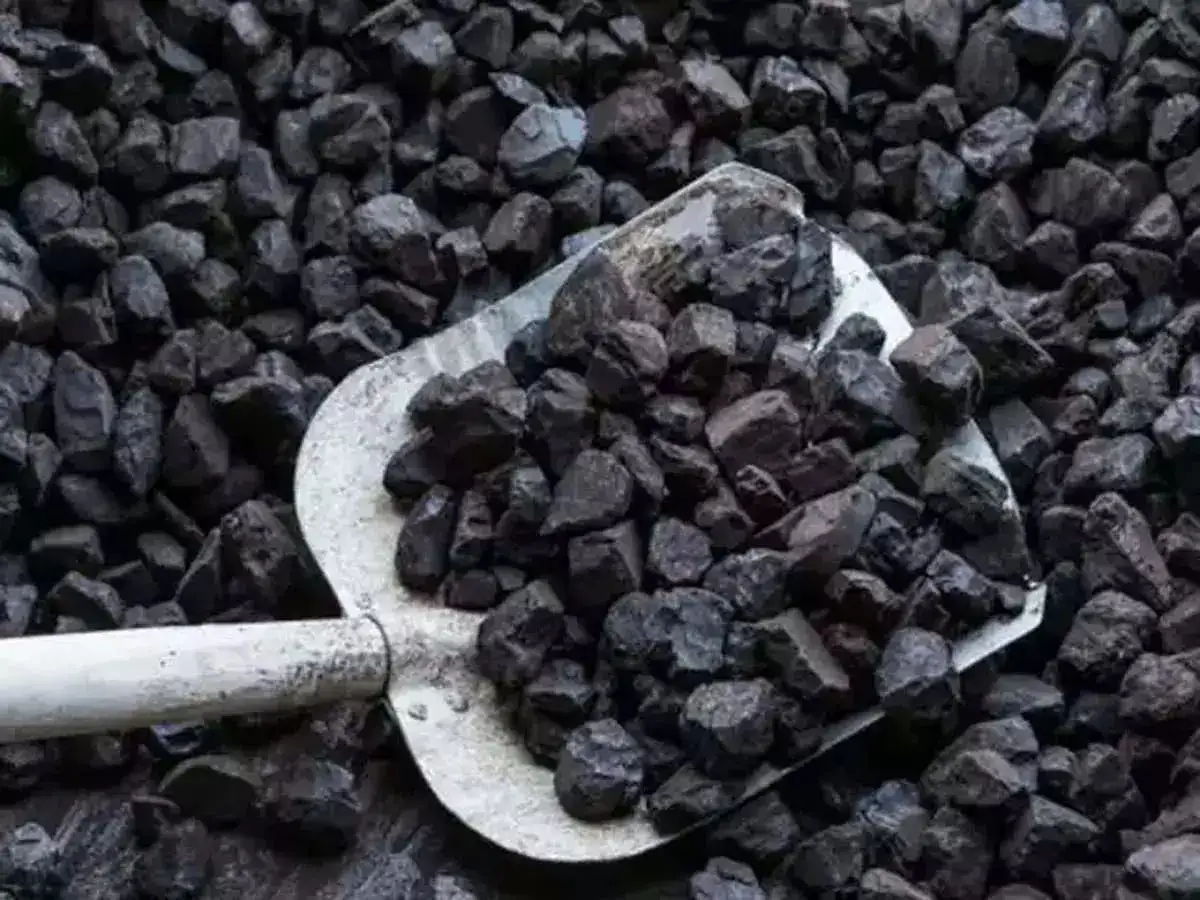
Coal India is expanding beyond its traditional mining base even as market pressures and India’s clean energy transition reshape the future of fossil fuel demand. New analysis of the state-run miner points to a company still central to power security, but increasingly aware that long-term growth will depend on diversification, efficiency and environmental adaptation.

Recent industry assessments show Coal India continuing to navigate mixed operating conditions, with softer production volumes and profitability pressure in parts of the current financial year. At the same time, the company remains one of the most significant pillars of India’s domestic energy supply chain, serving utilities that power homes, industries and transport systems. The company’s importance is especially visible during climate stress events. India’s peak electricity demand recently crossed 256 gigawatts amid intense heatwave conditions, prompting higher coal and gas-fired generation to stabilise supply. That underscores how coal still acts as a fallback source when weather extremes strain grids and renewable output varies. For cities, this reliance has direct implications. Urban economies depend on uninterrupted electricity for metro rail systems, water pumping, cooling demand, hospitals, telecom towers and commercial districts. When demand surges in summer, reliable fuel availability becomes not just an industrial issue but a civic one.

Yet the future is more complicated. Coal India has been pursuing projects in renewable energy, fertilisers, coal gasification and critical minerals, according to recent reports. These moves suggest recognition that mining revenues alone may not define the next decade for state resource companies. Critical minerals in particular could become strategically important. India’s push into batteries, electric mobility, grid storage and solar manufacturing will require secure access to copper, lithium, cobalt and rare earth-linked supply chains. A mining enterprise with existing logistics capability may be positioned to participate in that transition if policy frameworks remain supportive.At the same time, legacy risks remain substantial. Many coal assets face rising extraction costs, environmental compliance burdens and pressure to rehabilitate mined land. Air quality concerns in mining belts and coal-consuming cities also continue to shape public policy debates. Analysts note that operational efficiency and cleaner production practices will matter as much as output volumes going forward.

There is also a social dimension. Coal regions support large workforces and local economies. Any energy transition that overlooks reskilling, new industries and community investment could deepen regional inequality. That means diversification plans need to create replacement opportunity, not only balance-sheet resilience.For Coal India, the near-term outlook may still be supported by domestic electricity demand and industrial consumption. But the medium-term benchmark is changing—from tonnes extracted to how effectively the company helps India manage a lower-carbon industrial shift.

The company’s trajectory now mirrors India’s broader energy challenge: keeping power affordable and reliable today while building a cleaner system for tomorrow. Whether that balance can be sustained will shape not only corporate outcomes, but the resilience of rapidly growing cities.

Also Read: Komatsu India Deal Signals Mining Upgrade

Coal India Growth Faces Clean Energy Test
RELATED ARTICLES

LEAVE A REPLY

Please enter your comment!
Please enter your name here

- Advertisment -spot_img

Most Popular

Recent Comments

DLF Expands Mumbai Residential Footprint With 0.8 Million Sq Ft New Phase

DLF Expands Mumbai Residential Footprint With 0.8 Million Sq Ft New Phase

A major residential expansion planned in Mumbai is set to add nearly 0.8 million square feet of new housing inventory, underscoring continued confidence in...
Anthurium Emerges as Central Noida Mixed Use Commercial Hub Amid Rising Occupier Demand

Anthurium Emerges as Central Noida Mixed Use Commercial Hub Amid Rising Occupier Demand

A mixed-use commercial development in Central Noida is witnessing growing business activity, reflecting broader shifts in how urban centres are integrating retail, office and...
JJ Hospital Expansion Project Moves Forward With Accelerated Land Transfer Process

JJ Hospital Expansion Project Moves Forward With Accelerated Land Transfer Process

A long-pending land transfer required for the expansion of one of Mumbai’s largest public healthcare institutions has moved forward, paving the way for additional...
Delhi Property Auctions Generate Over ₹1300 Crore Amid Strong Demand for Urban Assets

Delhi Property Auctions Generate Over ₹1300 Crore Amid Strong Demand for Urban Assets

A recent round of property auctions conducted by Delhi’s urban development authority has generated more than ₹1,321 crore through the sale of 142 assets,...
Prime Securities Enters Real Estate AIF Market With ₹1000 Crore Investment Platform

Prime Securities Enters Real Estate AIF Market With ₹1000 Crore Investment Platform

A financial services firm has entered India’s alternative investment fund market with a proposed real estate-focused platform targeting investments of up to ₹1,000 crore....