HomeLatestDelhi Leads 85 Percent Jump in Luxury Home Sales Across Seven Major...

Delhi Leads 85 Percent Jump in Luxury Home Sales Across Seven Major Cities

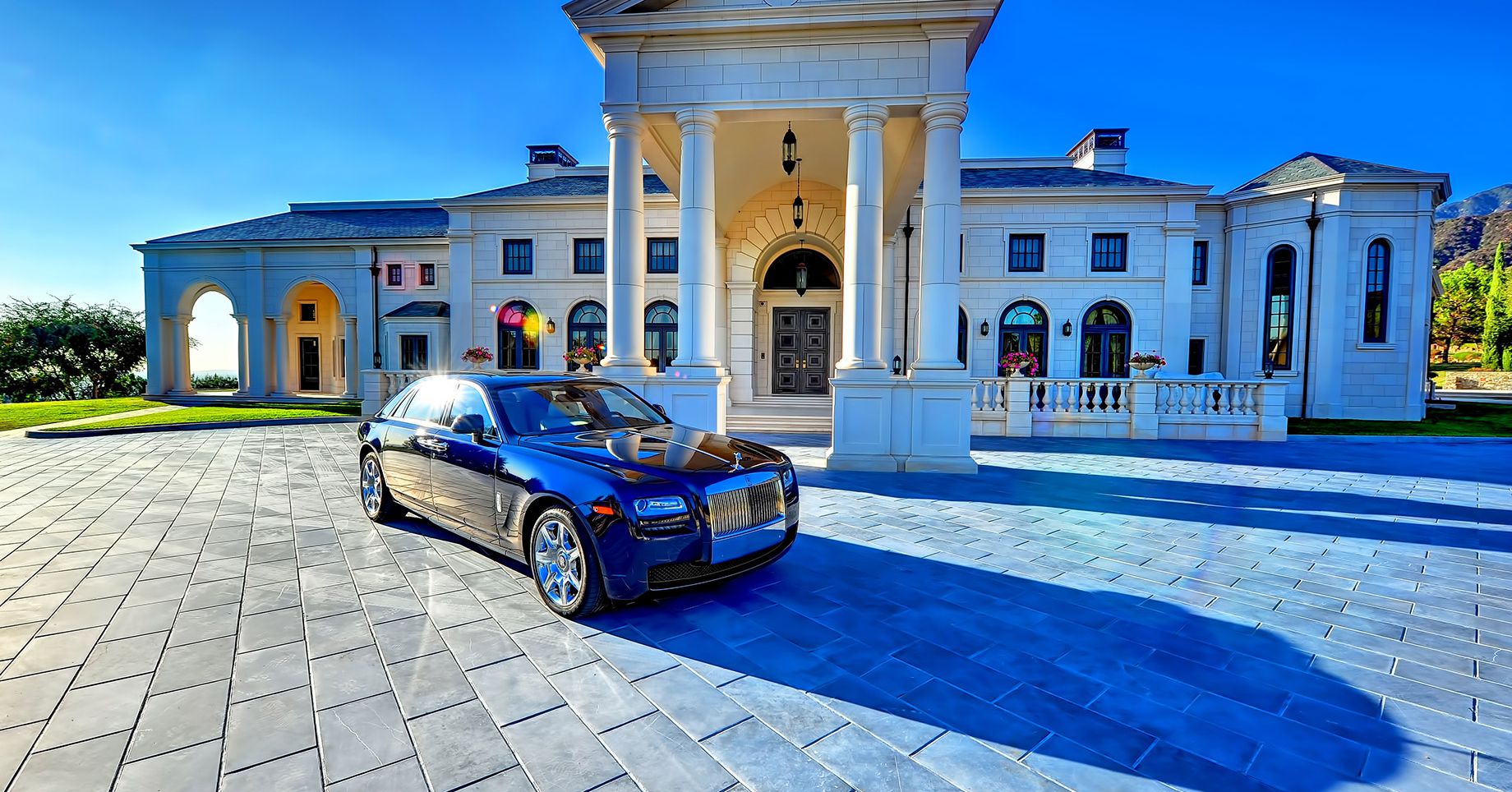
India’s luxury residential market has posted a sharp upswing in the first half of 2025, with sales of high-end homes rising 85% year-on-year across the top seven metropolitan regions. The trend, driven primarily by Delhi-NCR, underscores the continued appetite for premium real estate assets and the resilience of the segment amid macroeconomic uncertainty.

Between January and June 2025, over 7,000 luxury housing units priced between ₹4 crore and ₹6 crore were sold, according to data compiled by a commercial real estate advisory in partnership with a national trade body. Of these, Delhi-NCR alone accounted for 4,000 units, registering a staggering threefold jump over the same period last year and representing 57% of the total luxury sales. Mumbai ranked second in volume, reflecting the broader trend of urban wealth consolidation and a shift in investor sentiment towards tangible, high-value real estate. Experts attribute the spike in luxury housing demand to rising disposable incomes among India’s upper-middle class, an increasing preference for larger spaces, and strong investment sentiment driven by stable home loan rates and limited luxury inventory.

The report suggests that buyers in this segment are increasingly drawn to ultra-modern amenities, eco-conscious architecture, and proximity to green spaces—reflecting a wider shift towards sustainable and smart living. While affordable housing continues to face regulatory and financing headwinds, the high-end segment appears insulated from broader volatility, offering developers a stronghold for revenue diversification. Interestingly, the rise in premium housing transactions coincides with a parallel increase in branded residences, a trend that reflects growing consumer aspirations. Developers are increasingly focusing on bespoke housing options, integrated townships, and gated communities equipped with wellness-focused infrastructure, aligning with post-pandemic lifestyle shifts.

With Delhi-NCR leading the charge, industry insiders believe the current momentum is likely to sustain into the second half of the year. The luxury real estate segment, once viewed as a niche market, is now positioning itself as a bellwether for India’s evolving urban consumption pattern.

Also Read: Delhi Enhances Rail and Namo Bharat Services for Kanwar Yatra Devotees
Delhi Leads 85 Percent Jump in Luxury Home Sales Across Seven Major Cities
RELATED ARTICLES

LEAVE A REPLY

Please enter your comment!
Please enter your name here

- Advertisment -spot_img

Most Popular

Recent Comments

Mumbai Jogeshwari Redevelopment Restart Brings Long Awaited Relief

Mumbai Jogeshwari Redevelopment Restart Brings Long Awaited Relief

0
A long-stalled housing redevelopment in Jogeshwari, Mumbai, has moved towards revival after the state housing authority lifted a stop-work order that had frozen construction...
L&T Arm Begins Work On Green Data Hub In Navi Mumbai

L&T Arm Begins Work On Green Data Hub In Navi Mumbai

0
Navi Mumbai has taken another step towards becoming a national digital infrastructure hub with the initiation of construction for a large-scale data centre campus...
Navi Mumbai Approves Concessional Ulwe Plot For Major Temple

Navi Mumbai Approves Concessional Ulwe Plot For Major Temple

0
A strategically located land parcel in Navi Mumbai has been cleared for public religious use following a state cabinet decision that signals how urban...
Mumbai Region Records Highest Land Deal Activity Across India In 2025

Mumbai Region Records Highest Land Deal Activity Across India In 2025

0
The Mumbai Metropolitan Region has emerged as India’s most active land acquisition market in 2025, underscoring its continued dominance in real estate-led urban expansion....
Mumbai Slum Redevelopment Rehouses Thousands Of Displaced Families

Mumbai Slum Redevelopment Rehouses Thousands Of Displaced Families

0
Mumbai’s ability to expand roads, metro lines, tunnels, and public institutions over the past three decades has relied heavily on a less visible but...