HomeLatestDLF Expands Mumbai Housing Presence Through New Residential Development

DLF Expands Mumbai Housing Presence Through New Residential Development

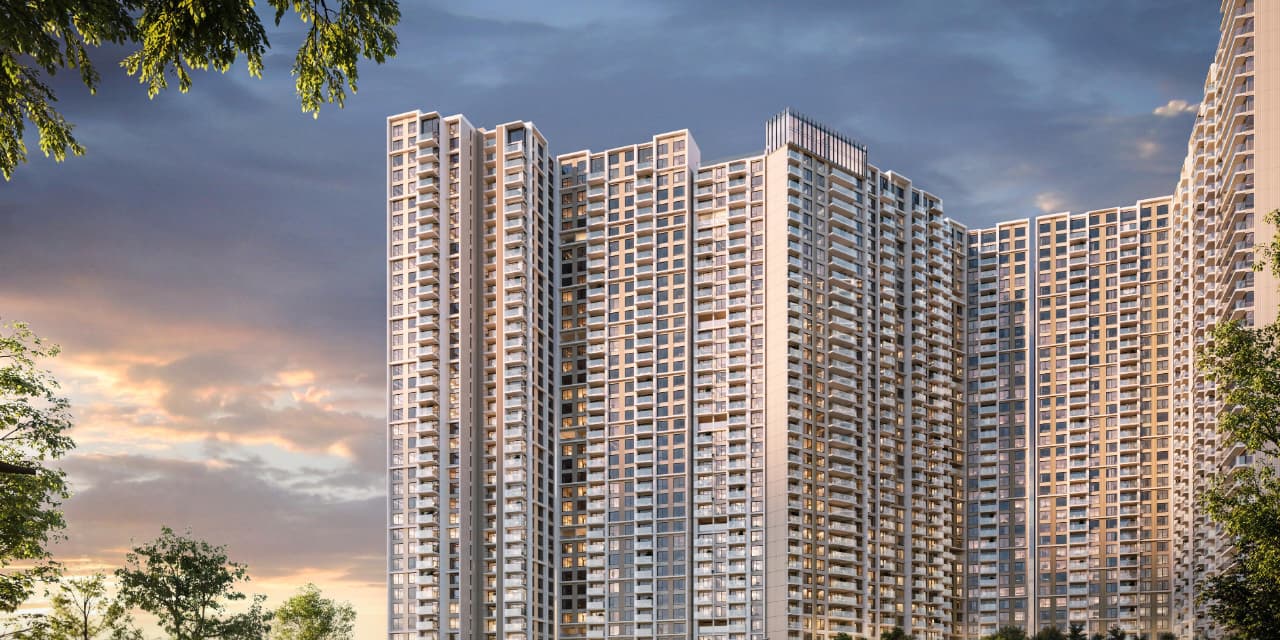
India’s financial capital is witnessing renewed competition for residential development opportunities as one of the country’s largest real estate companies expands its presence in Mumbai through a new housing-focused venture. The move reflects growing confidence in the city’s residential market, where constrained land availability, infrastructure upgrades and sustained housing demand continue to attract major investments despite high development costs.

The latest expansion comes at a time when Mumbai’s housing sector is undergoing significant transformation. Redevelopment activity, transit-led growth corridors and the reuse of ageing urban land parcels are creating fresh opportunities for developers seeking long-term positions in the country’s most expensive property market. Industry analysts suggest that large developers are increasingly pursuing partnerships and redevelopment models rather than relying solely on conventional land acquisitions. The Residential Development project is expected to add to a pipeline of new housing supply in a city where demand remains strong across several market segments. While premium and upper-mid-income housing have dominated recent launches, urban planners argue that every large-scale residential investment also carries broader implications for infrastructure capacity, mobility patterns and public services. Mumbai’s development landscape has changed considerably over the past decade. Metro rail expansion, coastal infrastructure projects and improved regional connectivity have reshaped investment priorities across multiple neighbourhoods. Areas once considered peripheral are increasingly being integrated into the city’s economic network, encouraging developers to explore locations that can support higher residential density while remaining connected to employment centres.

Experts note that Residential Development in Mumbai now extends beyond constructing housing units. Projects are increasingly evaluated on their ability to provide integrated urban environments, including open spaces, mobility access, water management systems and energy-efficient building design. As climate-related challenges such as flooding, heat stress and infrastructure pressure intensify, new developments face growing expectations regarding resilience and environmental performance. The entry and expansion of larger developers also signals an ongoing consolidation within the real estate sector. Regulatory reforms, stricter compliance requirements and changing buyer preferences have encouraged institutional capital to favour projects backed by established execution capabilities. This trend is reshaping how housing is financed, planned and delivered across major metropolitan markets.

For residents, the long-term impact of such investments will depend on more than sales performance. Housing growth influences transport demand, public infrastructure utilisation and neighbourhood liveability. Urban specialists emphasise that successful Residential Development should contribute not only to housing supply but also to more balanced and inclusive urban growth. As Mumbai continues to absorb population growth and economic activity, the challenge for both public authorities and private developers will be ensuring that new residential projects align with broader city-building objectives. The next phase of urban expansion is likely to be judged not only by the number of homes delivered, but by how effectively those developments support sustainable, connected and resilient communities.

Also Read: Oberoi Realty Commits ₹268.50 Crore To Bandra East Urban Development
DLF Expands Mumbai Housing Presence Through New Residential Development
RELATED ARTICLES

LEAVE A REPLY

Please enter your comment!
Please enter your name here

- Advertisment -spot_img

Most Popular

Recent Comments

Ladakh Farming Transition Targets Chemical Free Future

Ladakh Farming Transition Targets Chemical Free Future

Ladakh has moved to prohibit the use of chemical fertilisers across the Union Territory as part of a broader strategy to expand organic farming...
Odisha Chemical Investments Reshape Manufacturing Growth

Odisha Chemical Investments Reshape Manufacturing Growth

Odisha has emerged as one of India’s fastest growing destinations for chemical and petrochemical manufacturing,attracting investment commitments of nearly ₹2 lakh crore over the...
India Steel Financing Supports Industrial Expansion Plans

India Steel Financing Supports Industrial Expansion Plans

Vedanta has disclosed the creation of a share encumbrance involving its iron and steel business as part of arrangements linked to a US$1 billion...
Panyam Cements Corporate Governance Enters Transition Phase

Panyam Cements Corporate Governance Enters Transition Phase

Panyam Cements has announced a change in its compliance leadership following the resignation of its Company Secretary and Compliance Officer,effective 18 July 2026. While the...
India Aluminium Import Duty Debate Intensifies

India Aluminium Import Duty Debate Intensifies

Industry groups representing India’s downstream aluminium manufacturers have renewed calls for a reduction in import duties on primary aluminium,arguing that lower raw material costs...