Experts debate air pollution role in property rates
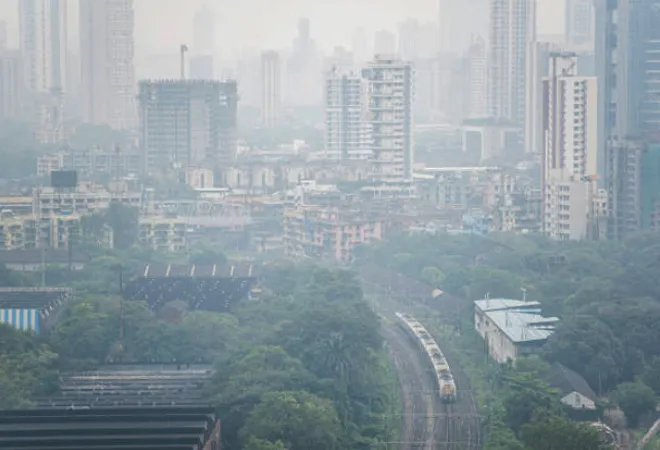
Renowned entrepreneur and Zerodha co-founder Nithin Kamath has reignited a critical discussion on whether property prices should be linked to air quality levels. In a recent post, he argued that areas with high Air Quality Index (AQI) readings should witness lower real estate prices, given the health risks associated with pollution. Kamath’s proposition raises significant questions about urban planning, sustainability, and the long-term livability of Indian cities. His concerns stem from first-hand observations of deteriorating air quality in premium locations, such as Mumbai’s Bandra and Bengaluru’s J.P. Nagar, where AQI levels exceeded 160 and 120, respectively. With the average AQI in many Indian cities often crossing the ‘poor’ category, his idea challenges traditional property valuation models that focus primarily on demand, infrastructure, and location.
Despite Kamath’s compelling argument, real estate experts remain sceptical about such a model impacting pricing dynamics. Property rates are typically dictated by land scarcity, infrastructure, connectivity, and employment hubs, making it difficult to incorporate air quality as a pricing determinant. Historical trends suggest that even in highly polluted areas like Delhi-NCR, real estate values have remained resilient due to economic growth and urban expansion. However, his proposal does open the door for integrating environmental considerations into property valuation, particularly as homebuyers become more conscious of their health and well-being. The concept of ‘green premiums’—where eco-friendly, low-pollution zones command higher prices—has already gained traction globally.
From a sustainability perspective, Kamath’s proposal aligns with the urgent need to incorporate environmental factors into urban planning. Countries such as the Netherlands and Sweden have successfully introduced green city policies that incentivise sustainable housing. Indian cities, facing relentless urbanisation and rising pollution levels, could benefit from similar measures. If local governments integrate AQI-linked incentives, developers may prioritise green infrastructure, leading to cleaner, healthier living spaces. Furthermore, if environmental risks are factored into home loans or property taxation, it could encourage a shift towards better urban air quality management.
The debate over AQI-based property pricing reflects a broader civic and urban challenge—balancing economic growth with sustainability. Indian cities continue to expand at an unprecedented pace, but with worsening pollution levels, urban dwellers are forced to choose between convenience and health. Kamath’s suggestion highlights the pressing need for a multi-faceted approach where real estate development, environmental sustainability, and public health are given equal weight. While immediate policy shifts may not be on the horizon, his proposal fuels a much-needed discourse on creating a more sustainable urban future.