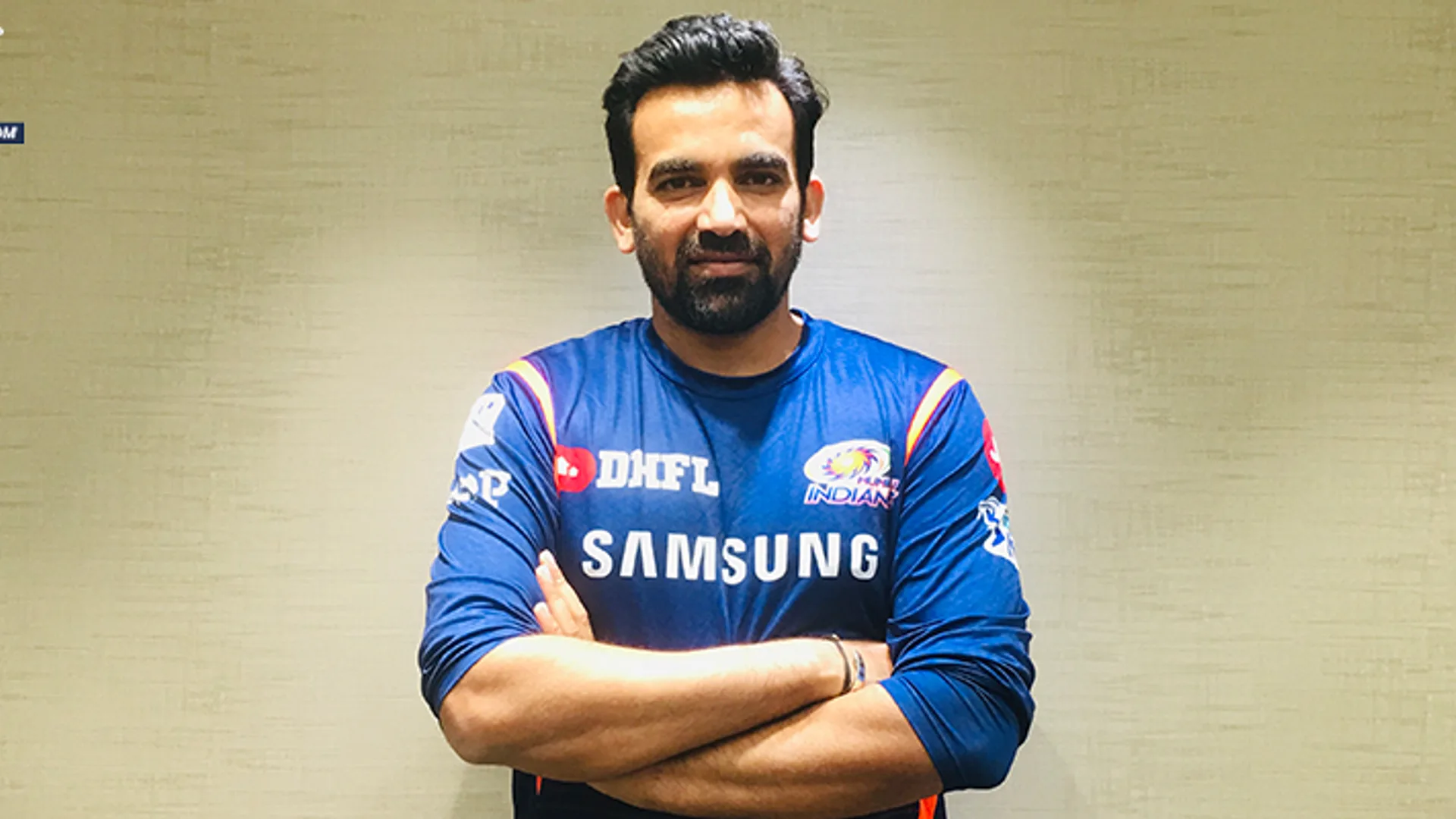
Former Indian cricketer Zaheer Khan ₹11 Crore Apartment Purchase Reflects Mumbai Luxury Housing Boom
Former Indian cricketer Zaheer Khan, along with his wife Sagarika Ghatge and brother-in-law Shivjeet Ghatge, has invested in Mumbai’s high-end residential market, purchasing a luxury apartment in Indiabulls Sky on Elphinstone Road for ₹11 crore. This premium property, spanning 2,158 sq ft carpet area, comes with three dedicated parking spaces, reflecting the demand for ultra-premium living spaces in Mumbai’s real estate landscape.
The transaction, which was officially registered on 10th February 2025, aligns with the broader trend of celebrities and high-net-worth individuals (HNIs) investing in Mumbai’s upscale housing segment. The deal also underlines Lower Parel’s enduring appeal as a prime real estate hub, given its proximity to commercial districts such as Bandra-Kurla Complex (BKC) and Nariman Point. As per market reports, the current resale price in Indiabulls Sky stands at ₹49,096 per sq ft, underscoring the project’s exclusivity in Mumbai’s high-end property market.
Luxury Housing Market Gains Momentum
The purchase by Zaheer Khan and his family is not an isolated case but part of a broader trend of high-value transactions in Mumbai’s luxury real estate market. Over the past year, similar premium properties in Lower Parel, Prabhadevi, and Worli have witnessed rising demand, with transactions frequently crossing the ₹20 crore mark. In October 2023, former Paytm Payments Bank MD Surinder Chawla purchased a duplex in Indiabulls Sky Forest for ₹20 crore, reinforcing the demand for luxury residences in this micro-market.
The rising appetite for high-end real estate can be attributed to several key factors, including Mumbai’s status as a global financial hub, sustained infrastructure growth, and the growing preference for spacious homes with world-class amenities. Developers continue to target HNIs, offering properties with bespoke interiors, skyline views, and integrated smart home solutions. The presence of Bollywood actors like Abhishek Bachchan and Shahid Kapoor, as well as author Amish Tripathi, in Lower Parel further validates the area’s luxury positioning.
Sustainability and Smart Housing in Mumbai’s High-End Market
As Mumbai’s luxury real estate segment expands, the emphasis on sustainable development is also increasing. High-end residential projects, including Indiabulls Sky, are adopting green building certifications, energy-efficient lighting, and rainwater harvesting systems. The drive towards net-zero energy consumption and carbon-neutral infrastructure is gaining traction, with developers integrating solar power, high-performance glass facades, and smart water management systems to cater to eco-conscious buyers.
Given the global push for sustainable urban living, it is expected that Mumbai’s premium housing sector will continue embracing green technologies. Developers are being encouraged to align with RERA sustainability mandates, ensuring that high-end properties not only offer luxury but also contribute to reducing the city’s environmental footprint. The growing preference for sustainable and wellness-focused living spaces is set to shape the next phase of Mumbai’s real estate evolution.
Urban Development and Mumbai’s Changing Real Estate Landscape
The influx of premium housing projects in Lower Parel and its adjacent localities is reshaping Mumbai’s urban fabric. Once an industrial district, Lower Parel has transformed into a bustling residential and commercial hub, attracting real estate investors, corporate professionals, and celebrities alike. The area benefits from seamless connectivity via the Mumbai Metro, Eastern Express Highway, and upcoming infrastructure projects like the Mumbai Coastal Road.
However, rapid urbanisation also brings challenges, including rising property costs, congestion, and strain on civic infrastructure. While premium residential towers add to Mumbai’s skyline, experts caution that unplanned development could lead to long-term sustainability concerns. Civic authorities must balance real estate expansion with enhanced public amenities, green spaces, and efficient waste management solutions to ensure that Mumbai’s property boom remains viable and environmentally responsible.
Zaheer Khan’s real estate investment is not just a high-profile transaction but a reflection of Mumbai’s evolving luxury housing sector, urban transformation, and the increasing influence of sustainability in real estate decisions.