
GB Realty bets on North India property demand


New development can reduce pressure on established city centres when it is supported by transport, utilities, public amenities and employment opportunities. Without those links, however, peripheral housing can increase dependence on private vehicles and lengthen daily journeys.The GB Realty investment also comes amid growing attention to the environmental performance of new housing. Large residential developments carry long-term demands for electricity, water, cooling and waste management. Green-building measures can reduce some of these pressures, but their effectiveness depends on actual operational performance rather than certification alone.Urban planners note that North India’s climate creates additional design challenges. Hotter summers, water stress and intense rainfall can affect housing, roads and drainage systems. New projects therefore need stronger heat management, efficient water use, stormwater planning, shaded public spaces and reliable power systems.

RELATED ARTICLES
- Advertisment -
Recent Comments

India Real Estate Enters A Technology Led Shift
India’s real estate sector is entering a larger and more technology-driven growth cycle, with its market value projected to reach $1 trillion by 2030....
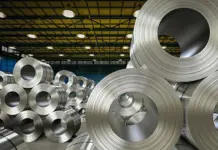
India Steel Prices Climb As Construction Demand Returns
India’s steel market is entering a firmer phase, with prices of scrap, ingots, rebar and sponge iron moving higher across key trading centres. The...

UltraTech Pushes Cleaner Power Into Cement Production
UltraTech Cement’s integrated unit in Chhattisgarh has been meeting its full monthly electricity requirement through renewable power and waste heat recovery since April 2026,...
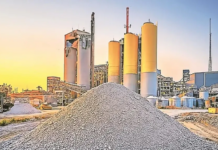
India Industrial Transition Reshapes Cement Sector
India’s industrial landscape is seeing a fresh push towards restructuring, with coal resources being assessed for fertiliser production and a major cement consolidation moving...
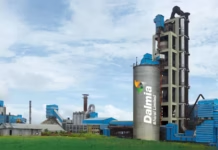
Dalmia Cement Shifts Tamil Nadu Freight Electric
Tamil Nadu is seeing a shift in how industrial freight moves, with Dalmia Cement deploying 24 heavy-duty electric trucks on the roughly 140-kilometre corridor...