
HomeLatestIndia cement price hike signals demand imbalance

India cement price hike signals demand imbalance

India’s construction sector is facing a fresh cost push as cement manufacturers move to raise prices by up to ₹30 per bag in May, even as underlying demand shows signs of weakness. The development underscores a growing imbalance between input costs and consumption trends, with implications for housing affordability and infrastructure delivery across urban regions.

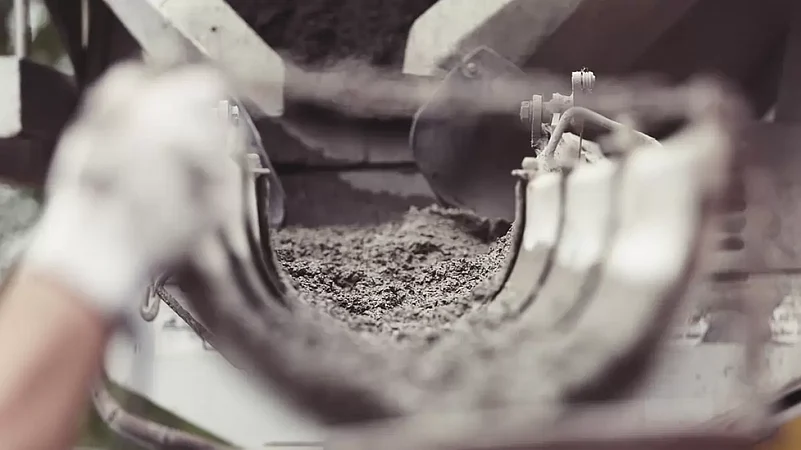
Industry estimates indicate that companies are attempting staggered price increases this month, with initial hikes ranging between ₹10 and ₹25 per bag across several regions. While price revisions are not uncommon at the start of the construction season, the current move stands out because it comes amid uneven demand recovery and excess capacity in parts of the market.For manufacturers such as Ambuja Cements and other large players, rising fuel, logistics, and packaging costs have intensified pressure on operating margins. Analysts tracking the sector note that price adjustments are increasingly being used as a defensive tool to protect profitability rather than a reflection of strong consumption. Recent trends show that cost escalation linked to energy inputs continues to outpace the industry’s ability to pass on expenses fully to buyers. From an urban development perspective, the timing is significant. Cement remains a core input in concrete—the most widely used building material globally—making it central to housing, transport infrastructure, and public works. Even modest increases in per-bag pricing can translate into higher project costs at scale, particularly for affordable housing and municipal infrastructure projects operating under tight budgets.

The broader demand environment, however, remains mixed. While infrastructure spending and government-led projects continue to support baseline consumption, seasonal slowdowns and regional disparities have limited pricing power. Analysts suggest that in some markets, weak demand could prevent full absorption of the proposed hikes, forcing companies to recalibrate pricing strategies in the coming weeks. This tension between rising costs and fragile demand reflects a deeper structural challenge within the cement sector. Capacity additions over recent years have outpaced utilisation in several regions, leading to supply-demand imbalances. At the same time, urban expansion and infrastructure investment are expected to sustain long-term demand growth, creating a cyclical pattern where short-term price volatility coexists with long-term optimism. For cities, the implications extend beyond industry balance sheets. Higher cement prices can ripple through the real estate value chain, influencing construction timelines, developer margins, and ultimately homebuyer costs. Urban planners also highlight that rising material costs could slow smaller projects or delay upgrades in public infrastructure, particularly in Tier 2 and Tier 3 cities where financing flexibility is limited.

Looking ahead, the sector’s trajectory will depend on how effectively companies balance pricing discipline with demand realities. As India’s urbanisation accelerates, the ability to stabilise construction costs while transitioning to lower-carbon building materials will remain critical to ensuring that growth in the built environment remains both inclusive and sustainable.

Also Read: Ambuja Cements growth reflects India building cycle

India cement price hike signals demand imbalance
RELATED ARTICLES

LEAVE A REPLY

Please enter your comment!
Please enter your name here

- Advertisment -spot_img

Most Popular

Recent Comments

Godrej Properties Gains From Housing Demand

Godrej Properties Gains From Housing Demand

India’s residential property market continued to show resilience in the January–March quarter, with listed developer Godrej Properties reporting a sharp rise in earnings amid...
Uttar Pradesh Expressway Reshapes Emerging Property Markets

Uttar Pradesh Expressway Reshapes Emerging Property Markets

The opening of the 594-kilometre Ganga Expressway between Meerut and Prayagraj is beginning to alter development patterns across Uttar Pradesh, with early signs of...
MahaRERA Tightens Oversight On Delayed Disclosures

MahaRERA Tightens Oversight On Delayed Disclosures

Maharashtra’s housing sector is facing heightened regulatory scrutiny after thousands of ongoing residential developments failed to comply with mandatory disclosure norms under the state’s...
India coal gasification push reshapes energy strategy

India coal gasification push reshapes energy strategy

India is accelerating its push towards coal gasification as part of a broader effort to secure energy supplies and reduce dependence on volatile global...
India coal sector faces Coal India structural strain

India coal sector faces Coal India structural strain

India’s largest coal producer, Coal India Limited, is facing a widening gap between operational performance and the country’s rising energy demand, underscoring structural challenges...