
HomeLatestIndia coal agreements signal shift in energy strategy

India coal agreements signal shift in energy strategy

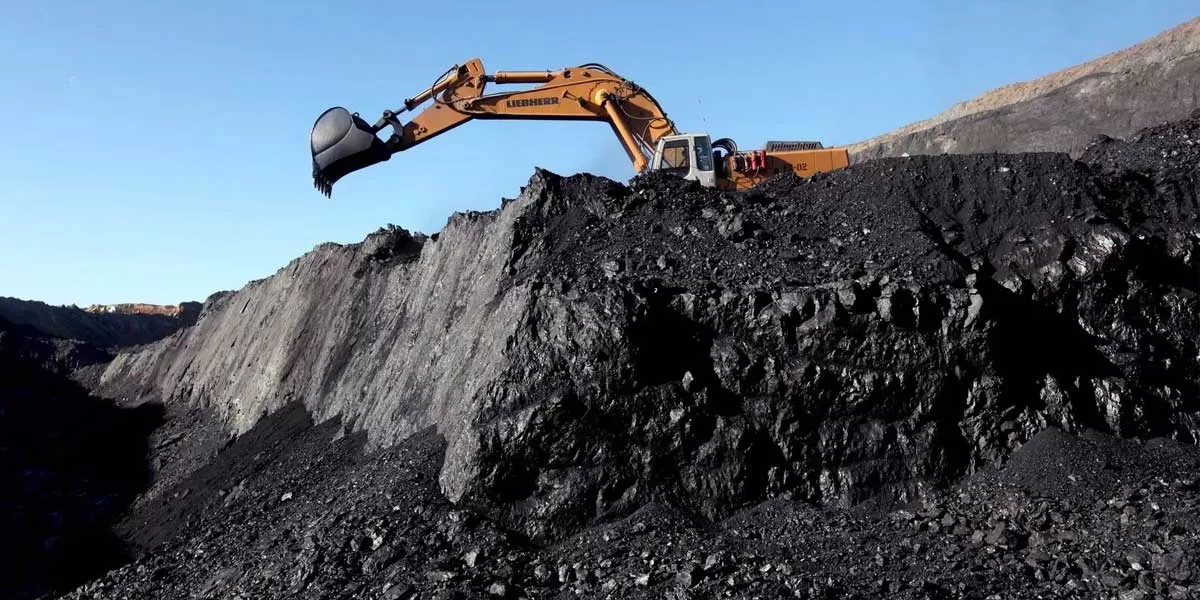
India has signed its first set of commercial coal mine development agreements incorporating underground coal gasification (UCG), marking a structural shift in how the country plans to utilise its coal reserves. The agreements, executed by the Ministry of Coal with private developers, cover four coal blocks across Andhra Pradesh and Odisha and are part of the latest round of commercial mining auctions. 

The development introduces UCG provisions into India’s commercial mining framework for the first time, allowing coal to be converted into synthetic gas while still underground. This approach enables access to deeper or technically challenging coal seams that are otherwise difficult to mine using conventional methods. Companies including Reliance Industries Limited and Axis Energy Ventures India Private Limited have secured these blocks, signalling growing private sector participation in India’s evolving energy landscape. For policymakers, the move is closely tied to energy security and industrial self-reliance. Coal continues to play a central role in India’s energy mix, particularly as demand rises alongside urbanisation and industrial growth. By enabling gasification, authorities aim to reduce dependence on imported fuels and expand domestic production of syngas—used in fertilisers, chemicals, and industrial processes. From an urban development perspective, the implications extend beyond energy. Reliable access to industrial feedstock supports sectors such as steel, cement, and construction—core drivers of infrastructure expansion. As cities grow and require more housing, transport systems, and utilities, the availability of consistent energy inputs becomes critical to maintaining project timelines and cost stability.

At the same time, underground coal gasification is being positioned as a relatively lower-impact alternative to traditional mining. Because the process converts coal in situ, it can reduce surface disruption and limit the need for large-scale excavation. Recent policy guidelines also emphasise scientific planning, groundwater monitoring, and post-mining rehabilitation to address environmental risks. However, experts caution that UCG is not without challenges. The technology requires careful management to prevent groundwater contamination and ensure controlled emissions. Its long-term viability will depend on regulatory oversight, technological capability, and alignment with India’s broader climate commitments.The agreements also reflect a broader transition in the coal sector—from extraction-focused operations to value-added energy production. By linking mining with downstream industrial use, India is attempting to reposition coal as part of a more diversified energy and manufacturing ecosystem.

Looking ahead, the success of these projects will hinge on execution. If implemented effectively, underground coal gasification could unlock previously inaccessible reserves while supporting industrial growth. Yet, as cities expand and climate pressures intensify, the challenge will be to balance energy security with environmental responsibility—ensuring that resource-driven development aligns with the long-term goal of more resilient and sustainable urban systems.

Also Read: India paint mixing market shifts toward premium demand

India coal agreements signal shift in energy strategy
RELATED ARTICLES

LEAVE A REPLY

Please enter your comment!
Please enter your name here

- Advertisment -spot_img

Most Popular

Recent Comments

Chennai Housing Market Sees Sharp Premium Growth

Chennai Housing Market Sees Sharp Premium Growth

India’s residential property market continued its upward trajectory in the first four months of 2026, with housing sales rising alongside a sharp increase in...
IGBC Hyderabad Expands Sustainable Building Leadership

IGBC Hyderabad Expands Sustainable Building Leadership

Hyderabad’s push toward climate-responsive urban growth received another institutional signal this week after the Indian Green Building Council appointed Venu Vinod as co-chairman of...
Casagrand Rajendra Nagar Project Expands Urban Edge

Casagrand Rajendra Nagar Project Expands Urban Edge

Hyderabad’s western urban corridor is witnessing another wave of large-scale housing expansion as a major private developer announced a 35-acre residential township in Rajendra...
MHADA Mumbai Flats See Fresh Price Cuts

MHADA Mumbai Flats See Fresh Price Cuts

Mumbai’s affordable housing market has received a significant pricing correction after the Maharashtra Housing and Area Development Authority revised rates for more than 1,200...
Square Yards Growth Mirrors Urban Housing Demand

Square Yards Growth Mirrors Urban Housing Demand

India’s expanding housing markets and rising demand for organised property services pushed digital real estate platform Square Yards past the Rs 2,000 crore revenue...