HomeLatestIndia Coal Deal Opens New Fuel Path

India Coal Deal Opens New Fuel Path

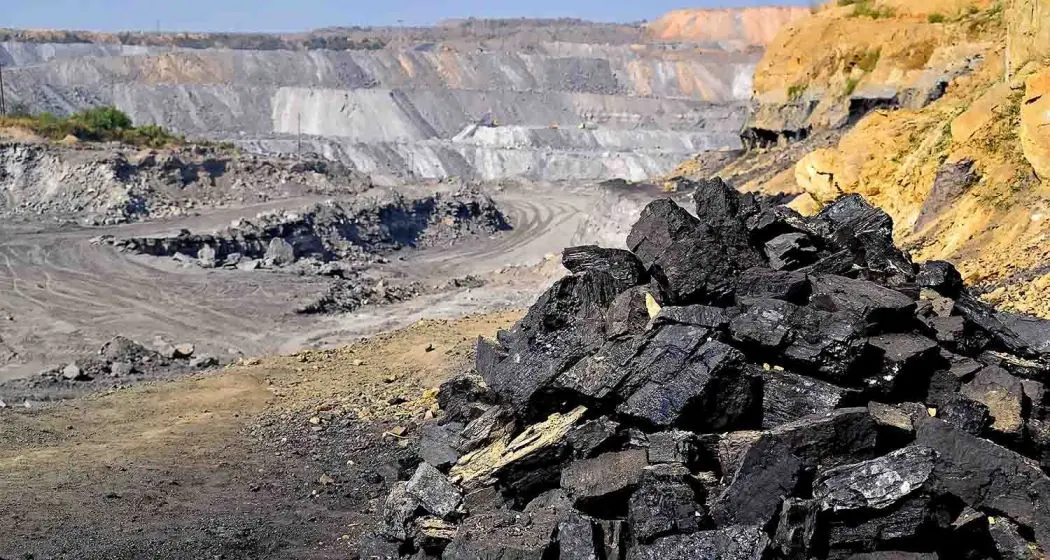
India has signed its first commercial coal block agreements with built-in underground coal gasification provisions, marking a policy shift that seeks to extract deeper coal reserves while producing cleaner industrial fuel. The move matters for cities and industry as India balances rising energy demand, import dependence and long-term decarbonisation pressures.

The Ministry of Coal executed development and production agreements for four mines awarded under the 14th round of commercial coal auctions. The blocks were secured by Reliance Industries and Axis Energy Ventures India, with assets located across Andhra Pradesh and Odisha. Two of the mines are fully explored, while two remain partially explored. What makes the agreements notable is the inclusion of Underground Coal Gasification for the first time in India’s commercial mining programme. The process converts coal seams below ground into synthetic gas rather than extracting solid coal through conventional mining. That gas can then be used for industrial energy, chemicals and fertiliser production. For urban India, the implications stretch beyond mining districts. Synthetic gas can support domestic production of urea, ammonia, methanol and other industrial feedstocks used in manufacturing, logistics and infrastructure systems. Reduced dependence on imports may help stabilise input costs for sectors linked to construction, transport and agriculture. The government argues that India coal gasification can unlock reserves that are too deep, thin or technically difficult to mine economically.

In theory, that widens the usable resource base without expanding surface mining footprints at the same scale. For land-constrained regions, that could lower some disruption linked to open-cast extraction. However, energy specialists caution that underground gasification is not a zero-emissions solution. While it may reduce some surface impacts, it still depends on fossil resources and requires careful oversight of groundwater, methane leakage and carbon intensity. Earlier government documents have also flagged environmental and technical challenges, including subsidence and contamination risks. That creates a policy tension. India needs reliable fuel for power, fertilisers and industry, especially as cities expand and demand for electricity, mobility and housing materials rises. At the same time, national climate goals increasingly favour renewable energy, electrification and cleaner industrial systems.The four new agreements also highlight the changing role of private companies in the mining sector. Since commercial coal auctions began, the government has used competitive bidding to attract capital, technology and faster production timelines. Officials say signed agreements across auction rounds now cover 138 mines with large combined capacity potential. 

For planners and investors, the next test will be execution. If India coal gasification projects deliver lower-cost industrial fuel with stronger environmental controls, they may become a bridge technology during the energy transition. If costs rise or ecological risks intensify, the pressure to move faster toward renewables and storage will only increase.

Also Read: Coal India Profit Boost Signals Energy Demand

India Coal Deal Opens New Fuel Path
RELATED ARTICLES

LEAVE A REPLY

Please enter your comment!
Please enter your name here

- Advertisment -spot_img

Most Popular

Recent Comments

India Aluminium Sector Faces Raw Material Challenge

India Aluminium Sector Faces Raw Material Challenge

India’s smaller aluminium manufacturers are facing mounting financial pressure as rising raw material costs continue to erode competitiveness, prompting industry bodies to seek policy...
NMDC Steel Governance Move Supports Growth Plans

NMDC Steel Governance Move Supports Growth Plans

NMDC Steel has announced a key leadership change in its corporate governance structure with the appointment of a new Company Secretary and Compliance Officer,...
Tata Steel Earnings Reflect Infrastructure Momentum

Tata Steel Earnings Reflect Infrastructure Momentum

India’s expanding infrastructure pipeline helped Tata Steel Q1 Results reflect stronger domestic operational resilience during the first quarter of FY27, even as international operations...
Shree Cement Earnings Signal Cement Sector Challenges

Shree Cement Earnings Signal Cement Sector Challenges

Shree Cement has reported a weaker financial performance for the opening quarter of FY27, with standalone net profit declining year on year despite continued...
Shree Cement Board Meets On Quarterly Performance

Shree Cement Board Meets On Quarterly Performance

Shree Cement’s board is scheduled to meet on Q1 FY27 results this week, with investors closely watching the company’s financial performance amid evolving cement...