HomeLatestIndia Construction Sites Embrace Robotics For Safety

India Construction Sites Embrace Robotics For Safety

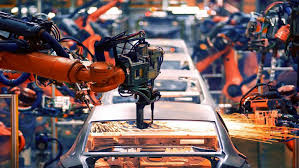
India’s construction sector is undergoing a digital transformation as builders increasingly deploy robots and autonomous systems to improve safety, enhance productivity and tame chronic labour shortages on sites. From mechanised bricklaying bots to AI-driven survey drones and wearable tech that tracks worker safety, this technological shift is redefining how urban infrastructure and buildings are constructed. The change arrives at a critical inflection point for a sector integral to city growth and sustainable development. 

In sprawling metropolitan projects and fast-paced mid-tier city developments alike, construction robotics are being deployed for tasks that are repetitive, hazardous or precision-sensitive. If a decade ago most on-site technology focused on basic heavy machinery, today’s innovations — such as autonomous brick-laying machines, robotic welders and sensor-equipped drones — are helping reduce accident risk, cut down rework, and compress project timelines. This represents a meaningful leap in addressing two persistent urban challenges: workplace safety and quality assurance.Safety technologies are among the early adopters. Wearables that monitor vital signs, proximity sensors that detect unsafe movement, and AI-enabled cameras that flag compliance gaps are becoming common on large sites. Coupled with robotic equipment that can operate in environments that pose significant risk to human workers, these systems are reducing the incidence of falls, crush injuries and fatigue-related errors. For a sector where manual labour still predominates, the infusion of robotics signals a shift toward higher safety standards and stronger operational discipline.

Productivity enhancements are also palpable. Autonomous surveying drones, for example, can map a site in hours which traditionally took days using manual instruments. Robotic bricklayers maintain exact placement tolerances and consistent mortar application, reducing material waste and variability — a benefit that not only tightens quality control but also supports cost-efficiency. In a sector historically challenged by budget overruns, such precision and predictability can improve project viability, particularly for large-scale housing and transit infrastructure.Urban planners and construction economists note that this evolution dovetails with India’s broader urbanisation goals. Cities expanding across tier-two and tier-three regions are demanding faster delivery of housing and public works, even as labour mobility tightens. Robotics and automation can alleviate bottlenecks, especially during peak demand cycles, helping bridge supply-chain inefficiencies and mitigate disruptions that previously slowed progress or inflated costs.

Adoption, however, is uneven. Larger real estate developers and infrastructure contractors are eyeing robotics as strategic differentiators, often backed by dedicated technology teams and partnerships with robotics vendors. Smaller contractors face adoption barriers due to upfront capital costs, skills gaps, and integration challenges with existing workflows. This divide raises questions about equitable access to the productivity benefits of automation across the construction ecosystem.A growing number of Indian startups and research labs are stepping in to localise robotic solutions, tailoring hardware and AI algorithms for India’s diverse climatic and ground conditions. These efforts are testing new models of collaboration between tech innovators and construction stakeholders, pointing toward an industrial ecosystem where data analytics, machine vision and autonomous hardware converge to meet real-world building challenges.

There remains, too, a social dimension: as robotics take on more site tasks, workforce reskilling will be crucial. Upskilling programmes that shift labour from manual roles toward machine operation, data interpretation and safety coordination can ensure that technology augments rather than displaces livelihoods — a key consideration for inclusive, people-centric urban development.As India’s cities grow and the demand for resilient, affordable infrastructure intensifies, robotic and AI-driven systems are poised to move from early experimentation to mainstream deployment. If integrated with thoughtful policy frameworks and training initiatives, these technologies could help deliver safer, smarter and more sustainable construction outcomes across the country.

Also Read: Mumbai Infra Market Raises Debt Ahead of IPO

India Construction Sites Embrace Robotics For Safety
RELATED ARTICLES

LEAVE A REPLY

Please enter your comment!
Please enter your name here

- Advertisment -spot_img

Most Popular

Recent Comments

Yugen Infra Plans ₹2000 Crore Integrated Township Across 500 Acres Near Goa

Yugen Infra Plans ₹2000 Crore Integrated Township Across 500 Acres Near Goa

A large-scale township planned near Goa is poised to reshape development patterns across a rapidly urbanising section of western India, with an estimated investment...
Dharavi Redevelopment Project Targets Rehabilitation Of Nearly 10 Lakh Residents In Mumbai Urban Renewal Push

Dharavi Redevelopment Project Targets Rehabilitation Of Nearly 10 Lakh Residents In Mumbai Urban Renewal...

Mumbai’s long-awaited transformation of Dharavi has entered a crucial stage, with redevelopment plans expected to provide formal housing and rehabilitation support to nearly one...
DLF Advances Next Mumbai Housing Phase With More Than 8 Lakh Sq Ft Of New Supply

DLF Advances Next Mumbai Housing Phase With More Than 8 Lakh Sq Ft Of...

Mumbai's residential property market is poised for another significant addition to its housing inventory, with plans underway for the next phase of a large-scale...
Smartworks Signs ₹35 Crore Managed Office Agreement For More Than 400 Seats In Mumbai

Smartworks Signs ₹35 Crore Managed Office Agreement For More Than 400 Seats In Mumbai

Mumbai’s commercial real estate market continues to witness strong demand for managed workplaces, with a Japanese financial services subsidiary securing more than 400 office...
TCS Commits ₹1420 Crore To Retain 15 Lakh Sq Ft Office Space In Chennai

TCS Commits ₹1420 Crore To Retain 15 Lakh Sq Ft Office Space In Chennai

A significant long-term office leasing commitment in Chennai has reinforced the city's position as one of India's most important technology and business destinations. The...