HomeLatestIndia Float Glass Demand Rises With Green Buildings

India Float Glass Demand Rises With Green Buildings

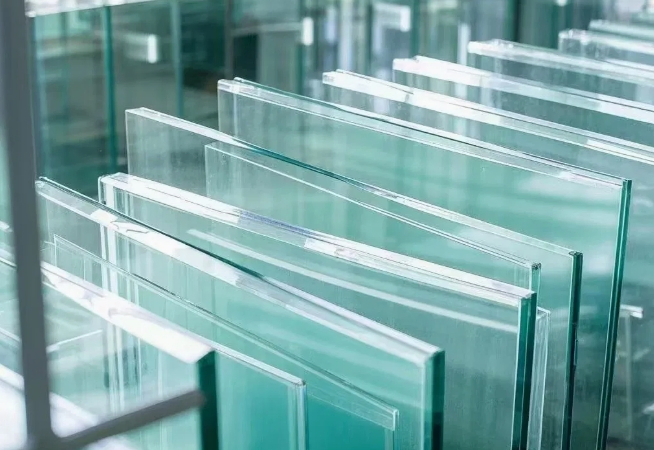
India’s construction sector is increasingly turning to advanced glazing materials as green building standards and energy-efficient design reshape the country’s urban landscape. Industry analysts say the demand for float glass—a core material used in windows, façades and architectural glazing—is expected to grow steadily over the coming decade as sustainable building codes and modern design trends gain momentum.

Float glass, produced through a molten glass “float bath” process that creates flat, uniform sheets, forms the backbone of modern architectural glazing systems. It is widely used in commercial towers, residential windows, glass façades and interior partitions. The growing push for energy-efficient buildings is accelerating demand for higher-performance variants such as coated, tinted and Low-E (low emissivity) glass, which improve insulation and reduce solar heat gain. Globally, demand for float glass is expected to expand through 2035 as stricter energy-efficiency standards and green building certifications encourage the use of advanced glazing technologies. Policies promoting energy-efficient building envelopes—such as international green building frameworks and local sustainability standards—are encouraging architects and developers to adopt high-performance glass solutions that improve thermal efficiency. 

India is expected to be a major contributor to this growth. Rapid urbanisation, expanding infrastructure programmes and rising commercial real-estate development are creating strong demand for architectural glass. Industry estimates suggest the domestic float glass market reached about ₹152.7 billion in 2025 and could grow significantly over the next five years as construction activity increases. Architectural applications dominate the sector, accounting for a large share of consumption as glass becomes a defining feature of modern buildings. Office towers, retail complexes and transport hubs increasingly incorporate glass façades to maximise natural light and enhance building aesthetics. At the same time, energy codes and sustainability frameworks are pushing developers toward glazing systems that improve thermal performance and reduce cooling loads in tropical climates.

Another factor driving the float glass market is the growth of solar energy infrastructure. Solar photovoltaic modules require specialised high-transmission glass to protect solar cells while allowing maximum light penetration. As India expands its renewable energy capacity, demand for solar glass is expected to increase alongside conventional architectural applications.Automotive manufacturing also contributes to market expansion. Vehicle production requires large quantities of float glass for windshields, windows and safety glazing, creating a parallel demand stream for domestic glass manufacturers.

However, the sector faces several operational challenges. Float glass manufacturing is highly energy-intensive, relying on continuous high-temperature furnaces and raw materials such as silica sand and soda ash. Volatility in energy prices and raw-material supply can therefore affect production costs and industry margins. Despite these challenges, analysts believe India’s float glass industry is well positioned for long-term growth. With cities expanding vertically and sustainable construction gaining policy support, high-performance glazing materials are likely to become an integral component of future building design.

For India’s urban development agenda, the rise of float glass signals a broader shift toward materials that combine architectural aesthetics with energy efficiency—an increasingly important requirement as cities strive to balance rapid growth with climate-responsive building practices.

Also Read: India Construction Costs Face Energy Price Pressure

India Float Glass Demand Rises With Green Buildings
RELATED ARTICLES

LEAVE A REPLY

Please enter your comment!
Please enter your name here

- Advertisment -spot_img

Most Popular

Recent Comments

L & T Realty Expands Into Gurugram Market

L & T Realty Expands Into Gurugram Market

0
A major land transaction in Gurugram is signalling a fresh phase of high-end housing expansion in the National Capital Region (NCR), as a leading...
India Property Market Steadies As Costs Rise

India Property Market Steadies As Costs Rise

0
India’s real estate sector is entering a phase of moderated expansion after several years of rapid growth, as rising costs, global instability, and cautious...
India Real Estate Sees Smaller Deal Sizes Surge

India Real Estate Sees Smaller Deal Sizes Surge

0
India’s real estate sector entered 2026 with a notable divergence: transaction activity has increased, but the financial scale of those deals has contracted sharply....
Hyderabad Real Estate Pivots To Shadnagar Corridor

Hyderabad Real Estate Pivots To Shadnagar Corridor

0
Hyderabad’s urban footprint is steadily extending southward, with Shadnagar emerging as a focal point for plotted housing developments. This shift reflects changing buyer preferences...
Bengaluru Office Park Deal Reflects Leasing Stability

Bengaluru Office Park Deal Reflects Leasing Stability

0
A significant capital infusion into a large office campus in Bengaluru is reinforcing the city’s position as a magnet for institutional investment in income-generating...