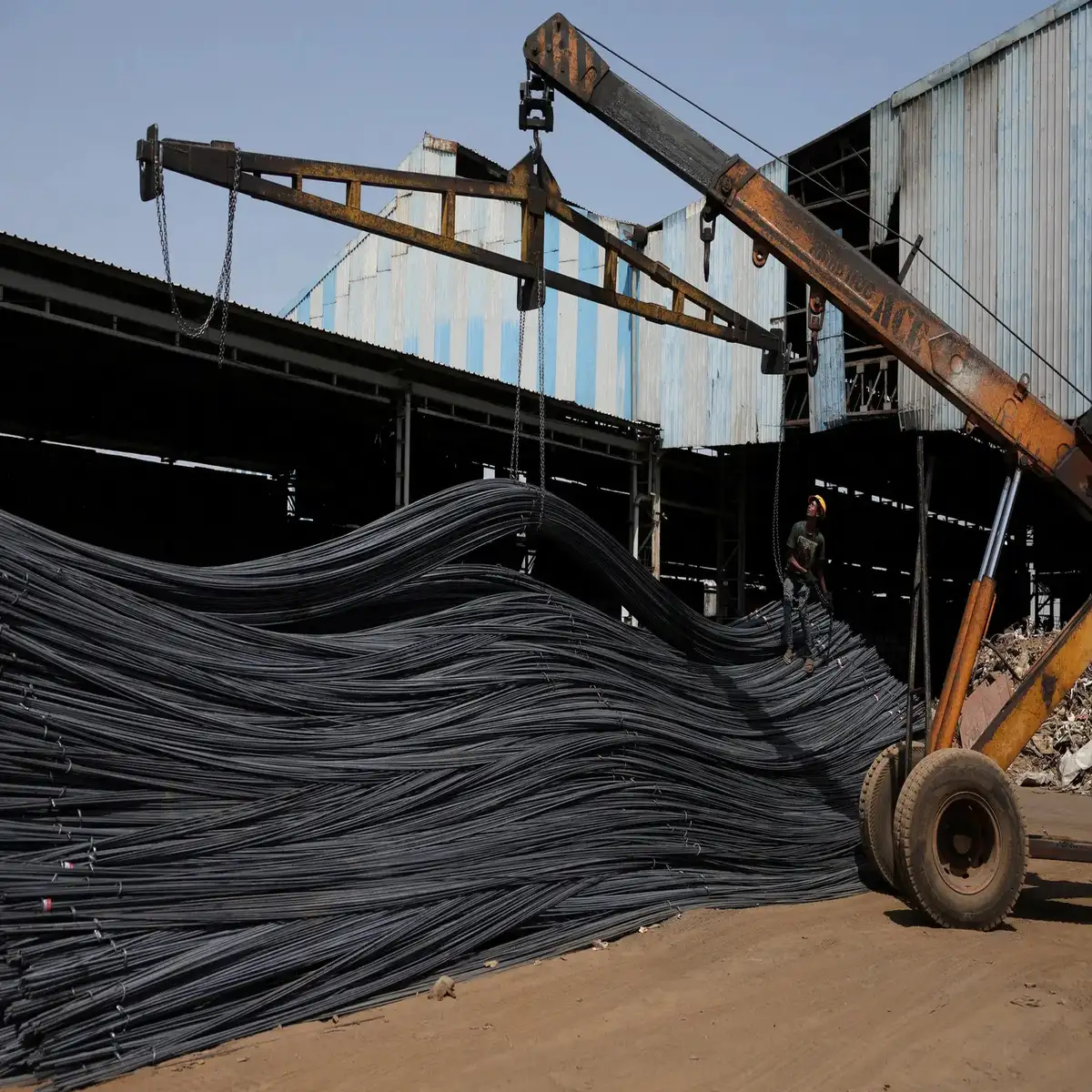
India’s construction equipment market witnessed a modest decline in demand during FY26 as slower infrastructure execution, delayed public spending and uneven urban project activity affected machinery procurement across the country. The downturn is raising concerns within the broader infrastructure ecosystem, particularly as cities continue to depend on large-scale construction to address housing shortages, transport congestion and climate adaptation needs.
Industry estimates indicate that sales of excavators, loaders, cranes and road-building equipment fell marginally during the financial year after several years of expansion driven by highway construction, industrial corridors and urban infrastructure upgrades. Analysts attribute the slowdown to delayed project approvals, prolonged election-related disruptions in some regions and cautious capital expenditure by contractors amid rising financing costs.
The construction equipment market plays a critical role in India’s urban transformation agenda. Machinery demand is closely tied to the pace of metro rail expansion, affordable housing projects, logistics parks, flood-control systems and renewable energy infrastructure. A decline in equipment deployment often signals broader stress within the infrastructure pipeline, especially in cities where mobility upgrades and public utility projects are already struggling to keep pace with population growth.
Experts tracking the sector said contractors have become increasingly selective about fresh investments due to payment delays and fluctuating raw material costs. Smaller operators, particularly in tier-two and tier-three cities, are facing pressure from tighter credit conditions and underutilised fleets. Some urban infrastructure projects have also shifted timelines because of land acquisition disputes, environmental clearances and changing procurement priorities.
The slowdown in the construction equipment market arrives at a sensitive moment for India’s infrastructure ambitions. Several state governments are attempting to accelerate road expansion, urban redevelopment and industrial infrastructure while simultaneously managing fiscal constraints and climate resilience commitments. Urban planners argue that infrastructure quality — rather than just construction speed — is becoming central to long-term economic productivity and citizen wellbeing.
Environmental concerns are also reshaping the sector. Sustainability experts note that future infrastructure spending will increasingly require low-emission machinery, electrified construction fleets and resource-efficient project execution. While adoption remains limited, some contractors are gradually exploring fuel-efficient equipment and digital monitoring systems to reduce operational costs and environmental impact.
Despite the decline, industry observers expect demand to stabilise over the next few quarters if public infrastructure spending regains momentum. Major railway upgrades, renewable energy corridors, water management systems and urban transit projects remain in the pipeline, particularly in fast-growing metropolitan regions. However, analysts caution that sustained recovery will depend on faster project clearances, predictable financing mechanisms and stronger coordination between urban authorities and contractors.
For rapidly expanding Indian cities, the health of the construction equipment market extends beyond industrial sales figures. It directly influences the speed at which roads are repaired, housing is delivered and essential civic infrastructure reaches communities. As governments pursue future-ready urban growth, balancing infrastructure expansion with environmental accountability is likely to shape investment decisions across the sector.
Read More : County Group Revives Delayed Gurugram Projects
India Infrastructure Slowdown Hits Equipment Demand