HomeLatestIndia RERA Reforms Reshape Homebuyer Confidence

India RERA Reforms Reshape Homebuyer Confidence

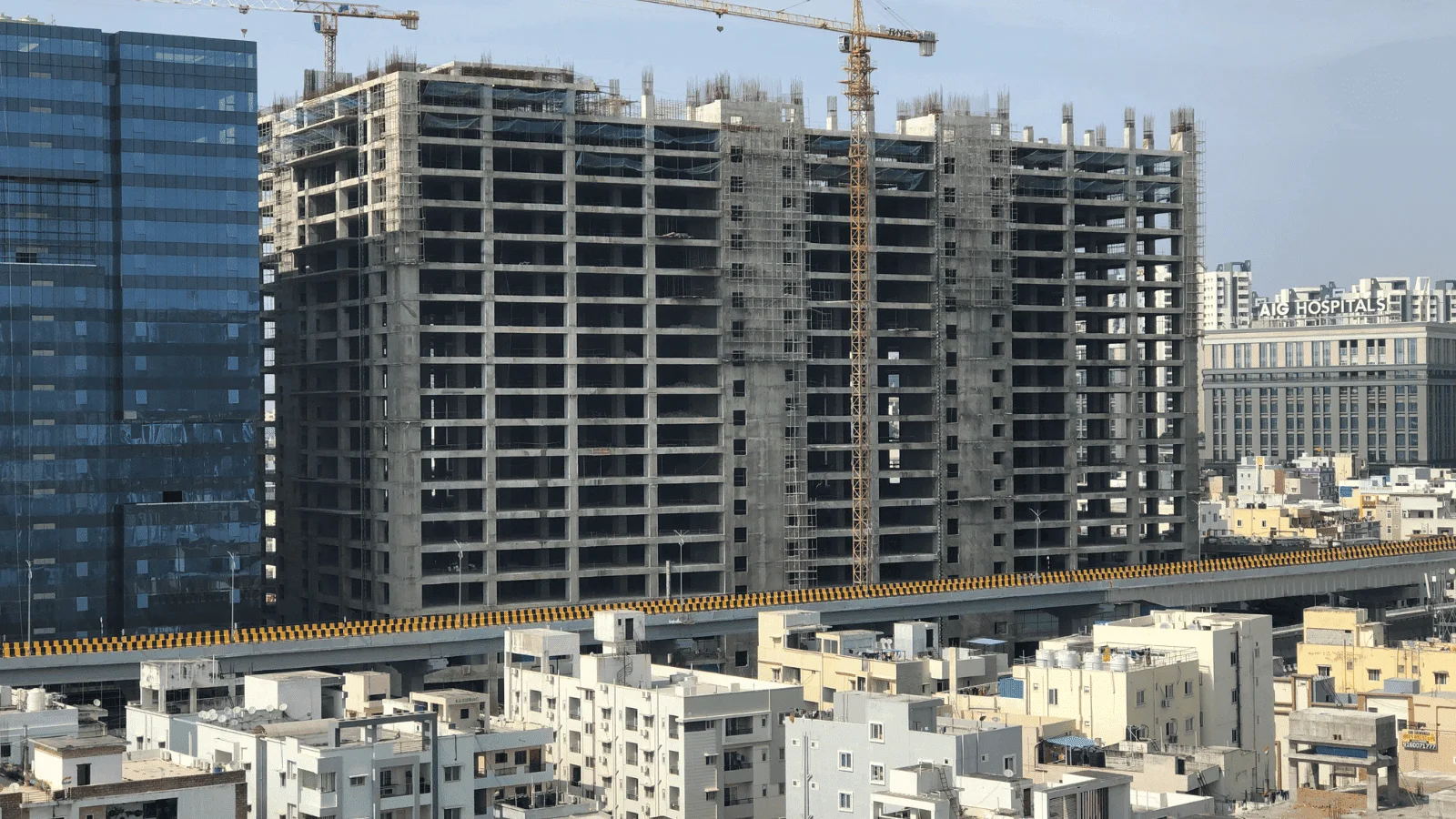
India’s real estate sector is entering a more regulated and transparent phase nearly ten years after the Real Estate Regulation and Development framework began reshaping housing markets across the country. The reforms, introduced to address chronic delays, opaque financing practices, and weak buyer protections, are now influencing how citizens evaluate property purchases and how developers manage urban housing projects.

The introduction of mandatory project registration, escrow-linked financing, and disclosure norms has gradually altered market behaviour in major cities including Mumbai, Bengaluru, Hyderabad, Pune, and Delhi NCR. Industry analysts say the regulatory framework has improved financial discipline in a sector once associated with stalled construction and uncertain delivery timelines. A major structural change came through the requirement that a large share of funds collected from buyers be reserved for the same project rather than diverted elsewhere. Urban finance specialists note that this mechanism has reduced liquidity misuse and created stronger links between construction progress and capital deployment. The result has been greater predictability for under-construction housing developments, especially in high-density urban regions where delayed projects historically disrupted both household finances and city planning.

The evolution of the RERA framework has also strengthened protections for homebuyers entering the under-construction housing segment. Restrictions on advance payments, legally standardised agreements, and compensation provisions linked to delayed possession have helped reduce asymmetry between developers and purchasers. Housing sector observers say this has encouraged more middle-income buyers to re-enter the formal property market after years of caution. Beyond consumer protection, the RERA ecosystem has contributed to a more data-driven housing market. Buyers today can access project approvals, land records, construction milestones, and litigation details through state-level digital portals before making investment decisions. Urban planners believe this increased visibility has improved accountability while pushing developers towards more compliant and professionally managed business practices. The transformation carries wider implications for sustainable urban growth. Real estate experts tracking metropolitan expansion argue that transparent project execution reduces the likelihood of abandoned developments, speculative land locking, and inefficient infrastructure use.

More predictable delivery cycles also help cities better coordinate transport networks, utilities, and public services around new residential clusters.However, challenges remain uneven across states. Regulatory enforcement, approval timelines, and dispute resolution systems continue to vary significantly, limiting the effectiveness of reforms in some emerging urban centres. Policy experts suggest that faster digital clearances and stronger coordination between urban local bodies and state regulators will be necessary to further stabilise the sector. Even with these gaps, the broader transition is evident. India’s property market is increasingly being viewed as a more trackable and institutionally governed asset class rather than an opaque investment space driven by informal practices. For homebuyers navigating rising urban housing costs and climate-linked infrastructure pressures, regulatory certainty is becoming as important as location and pricing in long-term property decisions.

Also Read : India Commercial Property Bets Gain Momentum
India RERA Reforms Reshape Homebuyer Confidence
RELATED ARTICLES

LEAVE A REPLY

Please enter your comment!
Please enter your name here

- Advertisment -spot_img

Most Popular

Recent Comments

IGBC Hyderabad Expands Sustainable Building Leadership

IGBC Hyderabad Expands Sustainable Building Leadership

Hyderabad’s push toward climate-responsive urban growth received another institutional signal this week after the Indian Green Building Council appointed Venu Vinod as co-chairman of...
Casagrand Rajendra Nagar Project Expands Urban Edge

Casagrand Rajendra Nagar Project Expands Urban Edge

Hyderabad’s western urban corridor is witnessing another wave of large-scale housing expansion as a major private developer announced a 35-acre residential township in Rajendra...
MHADA Mumbai Flats See Fresh Price Cuts

MHADA Mumbai Flats See Fresh Price Cuts

Mumbai’s affordable housing market has received a significant pricing correction after the Maharashtra Housing and Area Development Authority revised rates for more than 1,200...
Square Yards Growth Mirrors Urban Housing Demand

Square Yards Growth Mirrors Urban Housing Demand

India’s expanding housing markets and rising demand for organised property services pushed digital real estate platform Square Yards past the Rs 2,000 crore revenue...
Bengaluru Data Parks Reshape Growth Corridors

Bengaluru Data Parks Reshape Growth Corridors

Karnataka’s push to build large-scale digital infrastructure across Bengaluru, Mysuru and Mangaluru is beginning to reshape the State’s urban growth map, with planners and...