HomeLatestIndia Steel Strategy Shifts Towards Value Products

India Steel Strategy Shifts Towards Value Products

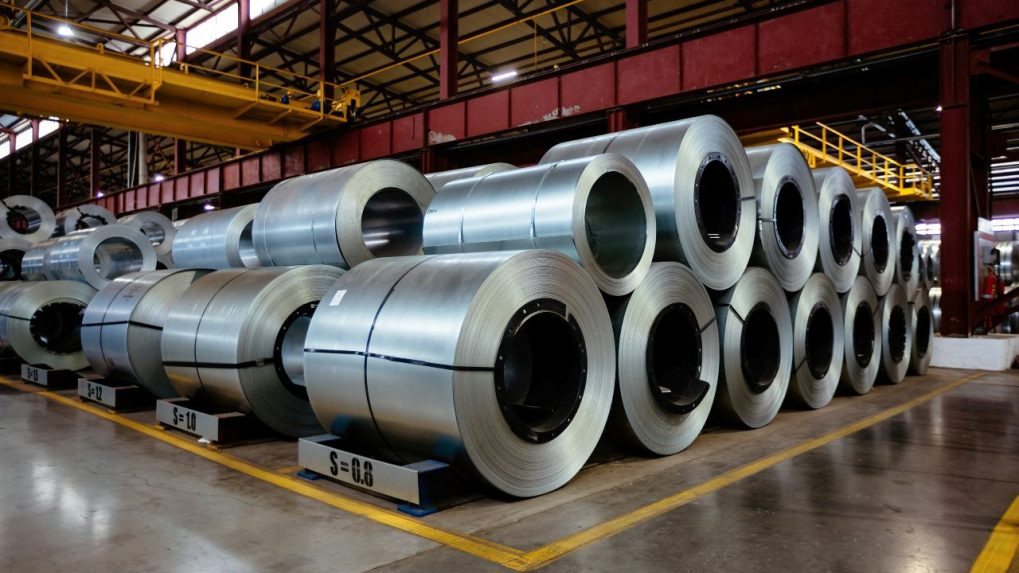
India’s largest steelmakers are increasingly looking beyond expanding crude steel output and are instead prioritising value added manufacturing to strengthen earnings and improve capital efficiency. Tata Steel has indicated that its next phase of growth will place greater emphasis on downstream steel processing, a strategy that could reshape supply chains supporting housing, transport, automotive production and urban infrastructure across the country.

The company’s leadership has signalled that future investments will increasingly target facilities that convert primary steel into specialised products for construction, engineering, consumer goods and mobility sectors rather than relying solely on new blast furnace capacity. Industry analysts say such an approach enables manufacturers to generate higher returns from existing steel production while responding to changing market demand for advanced and customised materials.The renewed focus on downstream steel comes as India continues to witness sustained investments in highways, rail corridors, industrial parks, renewable energy projects and urban redevelopment. These projects require steel products engineered for specific applications, including coated sheets, high-strength structural components, precision tubes and specialised construction materials.Expanding domestic processing capability could also reduce dependence on imported finished steel products and strengthen local manufacturing ecosystems.

Experts note that downstream facilities generally require lower capital expenditure than integrated steel plants while creating additional employment opportunities across fabrication, engineering services and industrial clusters. This can encourage broader participation by micro, small and medium enterprises that supply components, undertake fabrication work and support regional manufacturing networks. For cities developing industrial corridors, such investments may stimulate economic activity without the scale of environmental disruption associated with entirely new primary steel complexes.The downstream steel strategy also aligns with wider changes taking place across the global metals industry. Steel producers are under growing pressure to improve profitability while reducing emissions and resource consumption. Making better use of existing steel output through higher-value processing can improve material efficiency and reduce waste across supply chains. Urban planners argue that advanced steel products also contribute to longer-lasting buildings, resilient transport infrastructure and more efficient renewable energy installations, supporting cities seeking to balance development with sustainability objectives.

Market observers caution, however, that downstream expansion alone will not shield manufacturers from cyclical fluctuations in construction demand, global trade uncertainties or raw material costs. Continued investment in research, product innovation and cleaner production technologies will remain essential if Indian producers are to compete in increasingly sophisticated domestic and export markets.For India’s infrastructure-led growth agenda, the shift towards specialised steel manufacturing represents more than a corporate investment decision. It reflects the gradual evolution of the country’s industrial base from volume-driven production to value creation through technology, processing and innovation. As governments accelerate urban infrastructure delivery and industrial development, the ability to produce advanced steel domestically could strengthen supply resilience while supporting more resource-efficient and climate-conscious construction practices.

Also Read : Tata Steel Earnings Reflect Infrastructure Momentum
India Steel Strategy Shifts Towards Value Products
RELATED ARTICLES

LEAVE A REPLY

Please enter your comment!
Please enter your name here

- Advertisment -spot_img

Most Popular

Recent Comments

Zuari Agro Chemicals Faces Softer Quarterly Demand

Zuari Agro Chemicals Faces Softer Quarterly Demand

Zuari Agro Chemicals reported a weaker financial performance for the opening quarter of the financial year, with revenue declining to around ₹6 billion as...
Uttar Pradesh Cement Capacity Expansion Supports Infrastructure

Uttar Pradesh Cement Capacity Expansion Supports Infrastructure

India’s cement manufacturing landscape has entered another phase of expansion after Birla Corporation increased its installed cement capacity to 21.4 million tonnes annually following...
India Aluminium Extrusion Demand Drives Urban Growth

India Aluminium Extrusion Demand Drives Urban Growth

India’s aluminium extrusion market is poised for sustained expansion as demand from construction, transport, renewable energy and manufacturing sectors approaches 858,000 tonnes, reinforcing the...
India Steel Sector Gains Investment Grade Recognition

India Steel Sector Gains Investment Grade Recognition

India’s largest steel producer has secured a global investment-grade credit rating from Moody’s, a move expected to strengthen access to international capital as the...
India Office Leasing Driven By Large Occupiers

India Office Leasing Driven By Large Occupiers

India's commercial office market is witnessing a decisive shift towards larger workplace transactions, with high-value leasing deals accounting for a majority of office absorption...