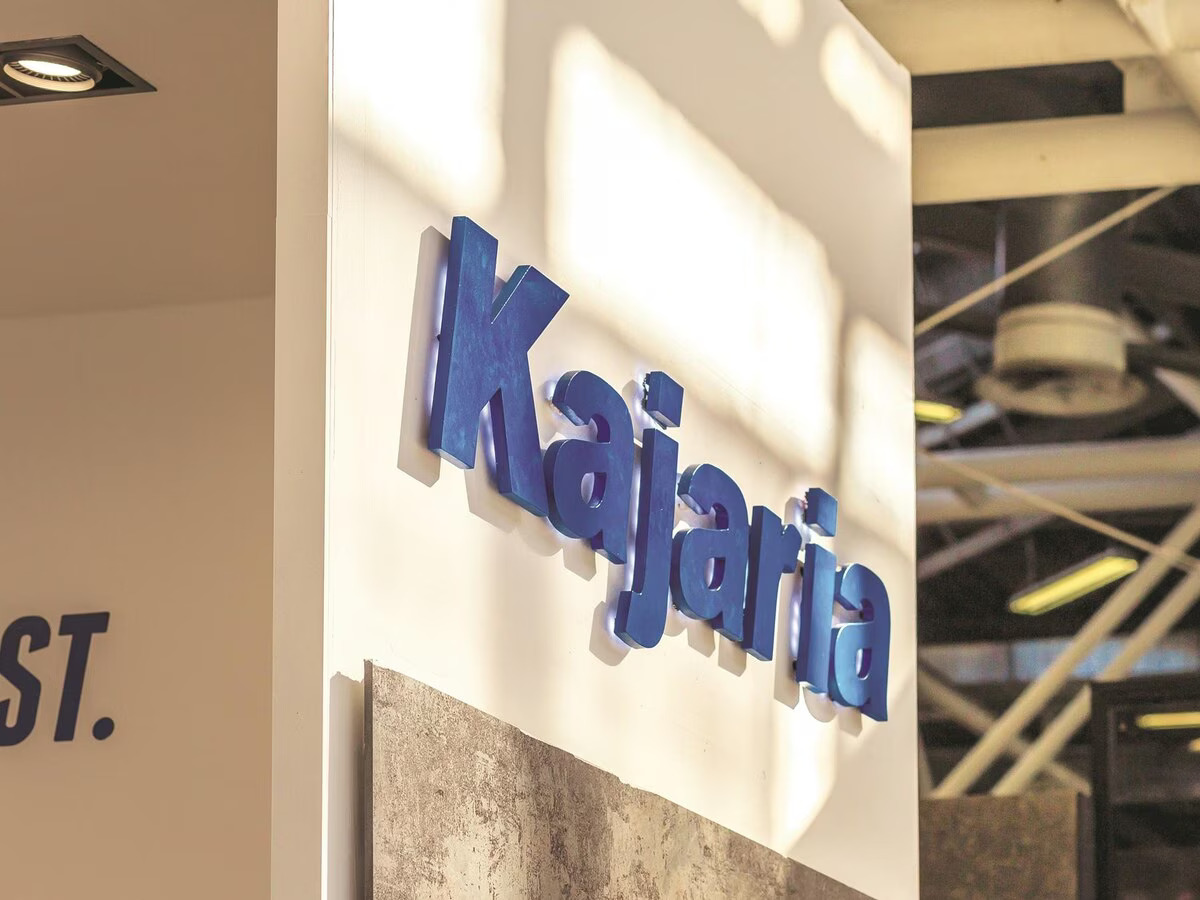
Kajaria Tiles, a major player in the global tiles market, has posted an impressive turnover of Rs 470 million in the first half of the current fiscal year, driven by its operations in Nepal.
The company, through its joint venture with the Nepali business house Ramesh Corp, has positioned itself as a key contributor to the growing tile manufacturing sector in the region. This success marks a significant milestone for Kajaria Tiles in Nepal, which has been gaining ground as a competitive player in the local and regional market. The India-based company’s operations in Nepal are part of its strategic expansion following the Nepal government’s increased import duties on tiles. As per the recent changes in customs policy, the government raised the import duty on tiles from 30 percent to 40 percent, compelling Indian manufacturers to look for production options within the country. With a favourable policy environment that includes a 5 percent customs duty on raw materials, the entry of Indian companies into Nepal’s tile manufacturing sector has been a direct response to the rising costs of imports.
Kajaria Tiles, which has set up its plant in Bardaghat, Nawalparasi, is now 50 percent owned by Indian investors, with the rest of the stake held by Nepali investors. The plant is equipped to meet the growing demand for tiles in Nepal and neighbouring regions, where Kajaria is known for its premium quality and wide variety of tile products. In the six-month period ending March 31, 2025, Kajaria reported a turnover of Rs 479 million, contributing significantly to the company’s overall revenue from the South Asian market. For the entire fiscal year, the company projects total revenues of Rs 948 million, showcasing the rapid growth in its operations. According to experts from ICRA Nepal, Kajaria Tiles’ business has expanded at a solid pace, aided by a rising demand for locally produced tiles in Nepal. During the first half of the year, the company’s profit margin stood at 18.7 percent. While this figure is promising, industry insiders point out that there is ample room for growth if Kajaria can increase its sales in the coming months. The focus will likely remain on expanding its reach in domestic markets and exploring new export opportunities within the region.
One of the critical factors driving Kajaria’s success in Nepal is the local government’s policy, which has created a conducive environment for domestic tile production. With the government’s focus on encouraging local manufacturing through reduced duties on raw materials and support for businesses in the form of infrastructure development, Indian companies like Kajaria Tiles are finding Nepal to be a valuable base for production. The company’s local production has not only mitigated the impact of increased customs duties but has also contributed to the country’s economic growth, offering job opportunities and fostering industry development. Despite these advantages, experts have warned that any potential policy shifts could alter the business landscape in Nepal. As the global trade environment remains unpredictable, fluctuations in government policy could introduce risks for foreign investors. This risk of policy changes is something that Kajaria and other foreign investors are carefully monitoring as they expand their operations.
Kajaria Tiles’ foray into Nepal’s manufacturing landscape also reflects broader trends in the region’s industrial growth. Three years ago, the first full-scale domestic investment in tile production was initiated by Nepovit Tiles in Birgunj, marking the beginning of a new era for the country’s industrialisation. Since then, several more manufacturers have set up plants, contributing to the diversification of Nepal’s industrial sector. However, Kajaria’s entry into the market with its global brand recognition has added a level of competition that is expected to drive further advancements in production and technology. Looking ahead, Kajaria Tiles is poised to strengthen its position in Nepal and South Asia by leveraging its robust supply chain, innovative product offerings, and strategic partnerships with local businesses. The company is focusing on sustainability and eco-friendly practices in its production processes, aligning with global trends towards carbon-neutral manufacturing. This focus on sustainability is not only in line with the global push for reducing the environmental footprint of industries but also resonates with local consumers who are becoming increasingly aware of the need for eco-friendly products in their everyday lives.
Moreover, the potential for Kajaria Tiles to expand its market share in Nepal is significant. Experts believe that as urbanisation continues in the region, there will be an ever-growing demand for quality building materials, particularly in residential and commercial construction. Kajaria’s capacity to offer affordable, durable, and aesthetically appealing tiles positions the company well to capture a larger portion of this market. As India’s manufacturing giants, like Kajaria, continue to invest in Nepal, it is clear that the region holds immense potential for industrial growth. By fostering a conducive business environment and supporting local manufacturing, Nepal is positioning itself as an attractive destination for foreign investments. However, maintaining stability in policies will be key to ensuring long-term growth and securing future investments in the country’s industrial sectors.
Also Read : https://homesbuildings.com/mumbai-homebuyers-turn-to-western-suburbs/