HomeLatestMeghalaya Coal Ban Deepens Jaintia Crisis

Meghalaya Coal Ban Deepens Jaintia Crisis

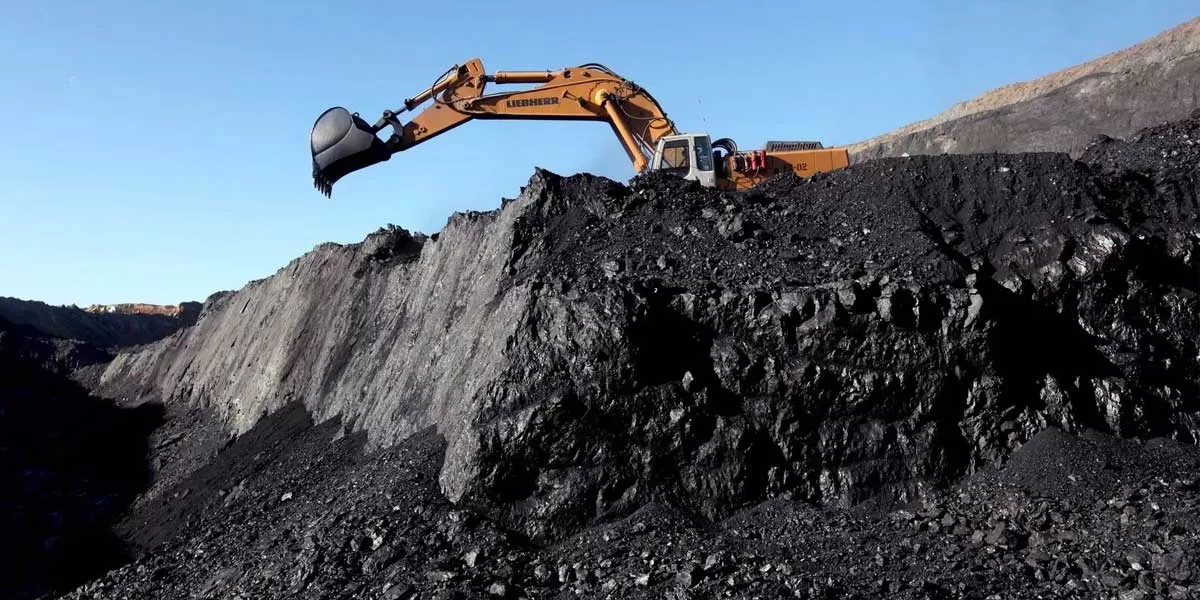
Fresh warnings from Meghalaya’s East Jaintia Hills have renewed attention on the economic fallout of prolonged coal restrictions in one of India’s most resource-dependent districts. A legislator from the ruling alliance has called for urgent intervention, saying livelihoods in the coal belt are deteriorating as mining activity remains disrupted and enforcement tightens. The issue matters beyond a local political debate: it highlights how regions built around extractive industries struggle when economic transition plans lag behind regulation. 

East Jaintia Hills has long depended on coal-linked income, from direct mining work to transport, loading, repair services, roadside commerce and household spending generated by the sector. Since the National Green Tribunal’s 2014 ban on rat-hole mining—imposed over safety and environmental concerns—the district has faced repeated cycles of restriction, partial reopening attempts and legal uncertainty. The latest pressure appears sharper following stricter enforcement after a deadly explosion in an illegal coal mine earlier this year. Authorities subsequently intensified raids, registered criminal cases and seized large volumes of illegally mined coal in East Jaintia Hills. That has reinforced the rule of law, but also exposed how much of the local economy still depends on informal extraction networks. For households, the impact is immediate. Residents in coal districts often rely on seasonal or contract work rather than salaried employment. When mining slows, spending falls quickly across markets, transport operators lose freight demand, and youth outmigration can rise. Local representatives say thousands of families are facing acute financial strain. 

The larger policy challenge is balancing three competing goals: environmental protection, worker safety and economic survival. Rat-hole mining has been widely criticised for hazardous tunnel conditions, child labour risks and severe ecological damage, including polluted rivers and unstable landscapes. Yet a blanket shutdown without viable replacement industries can deepen poverty in districts with limited formal employment alternatives.There are signs of diversification. Community groups and local programmes have promoted farming, horticulture and livestock as substitute livelihoods. But these sectors typically generate lower and slower income than coal booms once did, making transition politically difficult. Industry experts say Meghalaya needs a clearer middle path: faster approvals for scientifically regulated mining where legally feasible, strict environmental monitoring, transparent royalty flows to communities, and parallel investment in roads, skills training, tourism and agro-processing. Without that mix, enforcement alone may suppress illegal activity temporarily without resolving economic distress.For cities and consumers elsewhere in the Northeast, the outcome also matters because Jaintia Hills has historically supplied fuel to regional industries such as cement and small manufacturing. Supply disruptions can ripple into material costs and logistics chains.

The East Jaintia Hills debate is therefore not only about coal. It is about whether India’s mineral regions can move from unsafe extraction toward lawful, lower-impact prosperity. Until that transition is credible, pressure for reopening old models is likely to persist.

Also Read: SECL Mining Upgrade Targets Coal Recovery

Meghalaya Coal Ban Deepens Jaintia Crisis
RELATED ARTICLES

LEAVE A REPLY

Please enter your comment!
Please enter your name here

- Advertisment -spot_img

Most Popular

Recent Comments

India Construction Waste Crisis Demands Early Action

India Construction Waste Crisis Demands Early Action

As India accelerates infrastructure delivery and urban expansion,experts are calling for a fundamental shift in how the construction industry addresses material waste. The issue has...
India Construction Growth Climbs Global Rankings Fast

India Construction Growth Climbs Global Rankings Fast

India has strengthened its position as one of the world’s most influential construction markets,with its contribution to global building activity rising sharply amid sustained...
India Infrastructure Push Reshapes Future Urban Networks

India Infrastructure Push Reshapes Future Urban Networks

India is continuing to channel significant public investment into transport networks,industrial capabilities and advanced manufacturing as policymakers seek to sustain economic momentum while preparing...
KD Industries Merger Reflects Circular Economy Push

KD Industries Merger Reflects Circular Economy Push

A proposed corporate restructuring in India’s metal and manufacturing sector is drawing attention to the increasing role of sustainability led business models in industrial...
India Building Sector Adapts To Technology Shift

India Building Sector Adapts To Technology Shift

India’s construction sector is undergoing a significant structural shift as digital technologies, sustainability requirements and changing urban needs reshape how buildings and infrastructure are...