HomeLatestNashik Concrete Supply Powers Highway Upgrade

Nashik Concrete Supply Powers Highway Upgrade

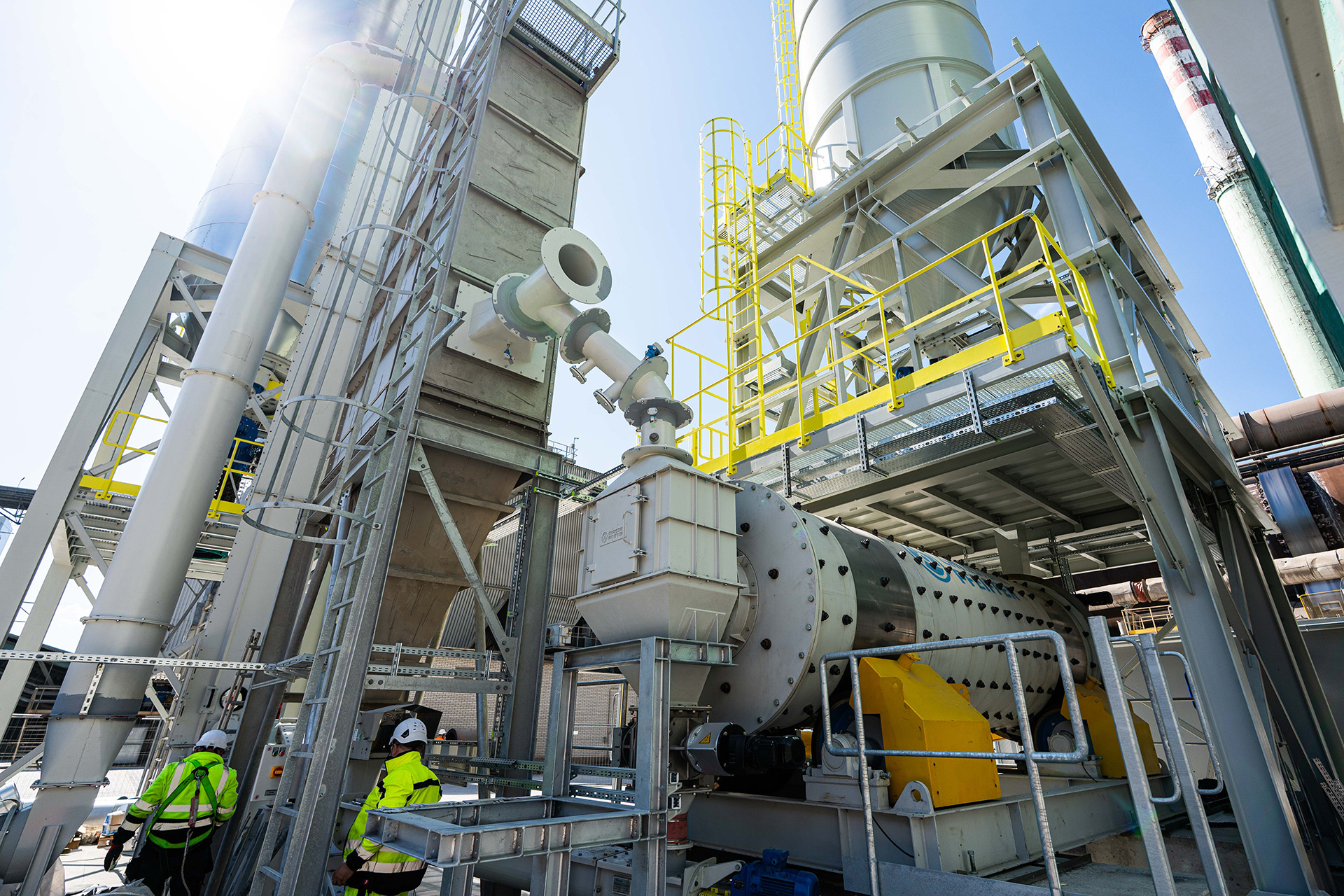
A major highway upgrade in Maharashtra is highlighting how industrial-scale concrete production is becoming central to India’s next generation of road building. Two batching facilities deployed for the 56-kilometre Nashik–Aurangabad corridor supplied around 165,000 cubic metres of material, underlining the growing role of highway concrete supply in faster and more durable transport construction. 

The project involved widening an existing two-lane route into four lanes while replacing conventional bituminous surfacing with rigid concrete pavement. That transition matters beyond one corridor. Across India, transport agencies are increasingly evaluating concrete roads for routes with heavy freight traffic because of longer lifecycle performance, lower maintenance frequency and resilience under high axle loads. At the centre of the operation were high-capacity batching plants capable of producing 130 cubic metres per hour each. Such output levels allow contractors to maintain continuous paving schedules, especially on time-sensitive road projects where delays can raise labour, fuel and traffic management costs. Reliable highway concrete supply also reduces inconsistencies that can occur when material is sourced from multiple smaller plants. Concrete quality is particularly critical for road assets expected to last decades. Pavement-grade mixes require tight control over water content, aggregate grading and cementitious materials to avoid premature cracking or uneven wear. In this case, the production included Dry Lean Concrete, Pavement Quality Concrete and structural grades used for associated works. 

The environmental question, however, remains significant. Cement is among the most carbon-intensive building materials, meaning wider adoption of concrete roads must be paired with cleaner production methods. The project used Ground Granulated Blast Furnace Slag (GGBS), an industrial by-product that can partially replace cement in mixes while improving durability. Experts say supplementary materials, recycled aggregates and efficient logistics are essential if concrete expansion is to align with lower-emission infrastructure goals. For cities and regions, dependable concrete supply chains have broader implications. Roads connect agricultural markets, industrial clusters and urban centres, but poorly managed batching operations can also create dust, truck congestion and land-use conflicts. Future planning will need designated industrial zones, water recycling systems, covered storage yards and cleaner fleet movement to minimise the neighbourhood impact of construction materials.The Nashik–Aurangabad route is expected to improve travel times and strengthen regional freight links across Maharashtra. Yet its wider significance lies in what it reveals about India’s infrastructure model: roads are no longer shaped only by engineering design, but by the efficiency and sustainability of the material systems behind them. 

As national highway investment continues, the next competitive edge may come not from pouring more concrete, but from producing better concrete with lower environmental cost and fewer disruptions for nearby communities.

Also Read: Pune RMC Crackdown Reshapes Concrete Supply

Nashik Concrete Supply Powers Highway Upgrade
RELATED ARTICLES

LEAVE A REPLY

Please enter your comment!
Please enter your name here

- Advertisment -spot_img

Most Popular

Recent Comments

India Construction Waste Crisis Demands Early Action

India Construction Waste Crisis Demands Early Action

As India accelerates infrastructure delivery and urban expansion,experts are calling for a fundamental shift in how the construction industry addresses material waste. The issue has...
India Construction Growth Climbs Global Rankings Fast

India Construction Growth Climbs Global Rankings Fast

India has strengthened its position as one of the world’s most influential construction markets,with its contribution to global building activity rising sharply amid sustained...
India Infrastructure Push Reshapes Future Urban Networks

India Infrastructure Push Reshapes Future Urban Networks

India is continuing to channel significant public investment into transport networks,industrial capabilities and advanced manufacturing as policymakers seek to sustain economic momentum while preparing...
KD Industries Merger Reflects Circular Economy Push

KD Industries Merger Reflects Circular Economy Push

A proposed corporate restructuring in India’s metal and manufacturing sector is drawing attention to the increasing role of sustainability led business models in industrial...
India Building Sector Adapts To Technology Shift

India Building Sector Adapts To Technology Shift

India’s construction sector is undergoing a significant structural shift as digital technologies, sustainability requirements and changing urban needs reshape how buildings and infrastructure are...