Odisha Metal Investment Expands Industrial Value Chains
A new aluminium processing facility has begun operations in Odisha,marking another step in India’s efforts to expand value added metal manufacturing and strengthen domestic supply chains.
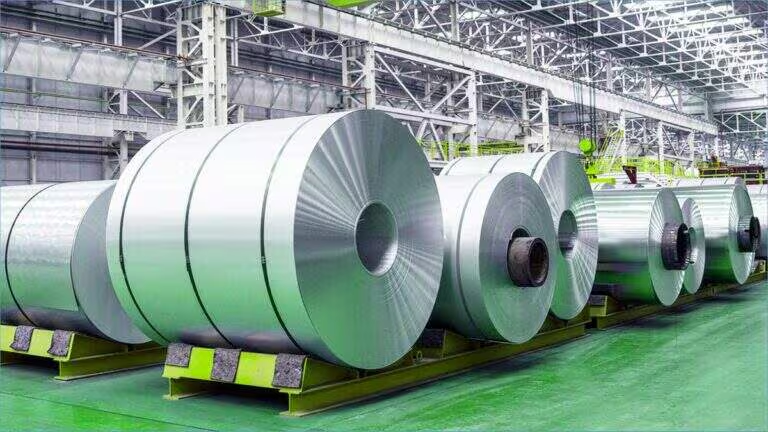
The Odisha aluminium foil facility, developed by Shyam Metalics with an investment of about Rs 800 crore, is expected to enhance production of downstream aluminium products while complementing another flat rolled products (FRP) plant that is scheduled to begin operations later this year.Located in one of India’s key mineral and industrial corridors, the project reflects a broader shift from exporting raw materials towards manufacturing higher-value engineered products. Aluminium foil and flat rolled products are widely used across packaging, construction, renewable energy, transport, consumer goods and electrical applications, sectors that continue to expand alongside India’s urban and industrial development.Industry analysts believe the Odisha aluminium foil facility could improve the resilience of domestic manufacturing by reducing dependence on imported processed aluminium products. As infrastructure projects and real estate developments increasingly require lightweight, durable and recyclable materials, expanding domestic processing capacity is becoming an important component of India’s industrial strategy.
The commissioning of the foil unit also coincides with progress on the company’s aluminium flat rolled products facility, which is expected to become operational in September. Together, the two plants represent an integrated approach to downstream manufacturing, allowing greater value addition within the country instead of relying primarily on primary metal production.
For Odisha, the investment carries wider economic implications beyond industrial output. Manufacturing projects of this scale typically generate employment during both construction and operations while supporting ancillary industries such as logistics, engineering services, equipment maintenance and warehousing. Economists note that downstream metal processing also creates opportunities for small and medium enterprises that supply components, fabrication services and industrial support.
Urban planners emphasise that stronger domestic production of processed aluminium can support India’s transition towards more resource-efficient cities.Aluminium’s lightweight properties, corrosion resistance and recyclability make it increasingly relevant for modern buildings, public transport systems, power infrastructure and clean energy installations. However, specialists caution that the environmental performance of new industrial facilities will depend on efficient energy use, responsible water management and greater adoption of renewable power in production processes.
The Odisha aluminium foil facility also highlights the growing emphasis on moving higher up the manufacturing value chain rather than relying solely on commodity production. As global demand shifts towards advanced materials and sustainable industrial practices, Indian manufacturers are investing in specialised processing capabilities that can improve competitiveness in both domestic and export markets.Looking ahead, industry observers will monitor the successful commissioning of the upcoming flat rolled products plant and its integration with the newly operational foil facility. Together, these investments have the potential to strengthen eastern India’s industrial ecosystem while supporting construction, infrastructure and manufacturing sectors that increasingly require high-quality, value-added aluminium products produced through more efficient and environmentally responsible processes.