HomeLatestPanipat Real Estate Growth Reshapes Haryana Cities

Panipat Real Estate Growth Reshapes Haryana Cities

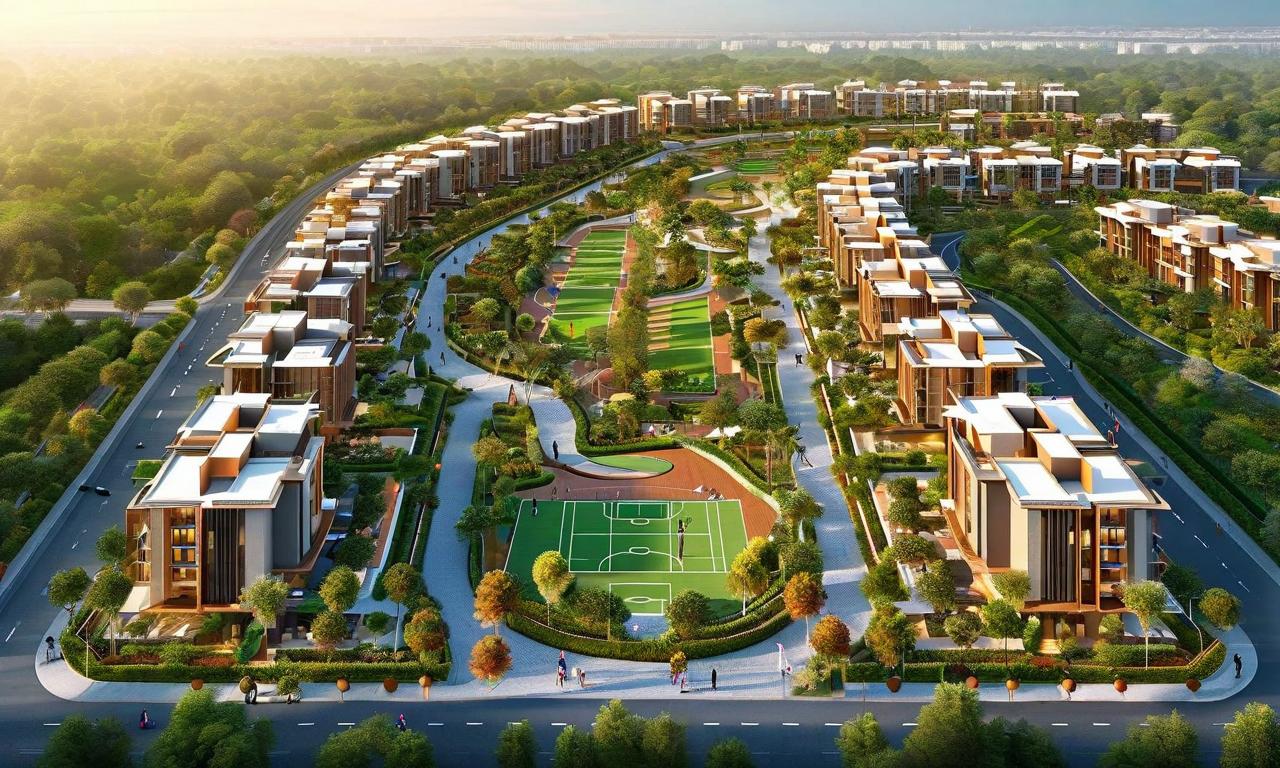
Improved transport infrastructure, expanding industrial activity and relatively affordable land values are positioning Panipat as one of Haryana’s emerging urban growth centres, attracting fresh interest from homebuyers, developers and investors. The evolving Panipat real estate growth story reflects a broader shift beyond traditional property hotspots, raising both opportunities and challenges for sustainable urban expansion across northern India.

Long recognised for its textile and manufacturing industries, Panipat is now witnessing increased residential and mixed-use development as connectivity with the National Capital Region continues to improve. Upgraded highways, regional transport investments and expanding economic corridors are strengthening the city’s accessibility, encouraging businesses and residents to consider Panipat as an alternative destination within Haryana’s growing urban network.

The Panipat real estate growth trend also reflects changing buyer preferences. Rising property prices in larger metropolitan markets have prompted households and investors to explore cities offering comparatively affordable housing, improved civic infrastructure and the potential for long-term capital appreciation. Developers are responding by planning residential communities, integrated townships and commercial projects aimed at serving both local residents and migrants linked to industrial employment. Urban economists note that this pattern mirrors a wider transition taking place across India, where Tier II and emerging cities are increasingly absorbing investment that was once concentrated in major metropolitan areas. Diversifying economic activity can reduce development pressure on large cities while creating new employment opportunities closer to regional populations, provided infrastructure keeps pace with growth. However, urban planners caution that rapid expansion must be guided by comprehensive planning rather than speculative development. As Panipat attracts greater real estate investment, authorities will face increasing pressure to strengthen public transport, water supply, sewage treatment, solid waste management and social infrastructure such as schools, healthcare facilities and public spaces. Without these parallel investments, population growth could strain civic services and reduce the long-term quality of urban living.

Environmental experts also emphasise the importance of integrating climate resilience into future development. Green building standards, efficient stormwater drainage, renewable energy adoption, urban green spaces and sustainable mobility systems can help ensure that new neighbourhoods remain resilient to rising temperatures and extreme weather while reducing environmental impacts associated with urban expansion. Market observers believe Panipat’s strategic location between Delhi and Chandigarh provides an economic advantage that may continue to attract logistics, manufacturing and service-sector investment. As employment opportunities diversify, demand for housing and commercial spaces is expected to evolve alongside improvements in regional infrastructure. Looking ahead, the success of Panipat real estate growth will depend not only on the pace of investment but also on the quality of urban governance. Balanced planning that aligns housing, infrastructure, environmental protection and economic development will determine whether the city becomes a resilient regional growth centre capable of delivering long-term benefits for residents, businesses and future generations.

Also Read: Meghna Infracon Finishes Mumbai Riviera Redevelopment Project
Panipat Real Estate Growth Reshapes Haryana Cities
RELATED ARTICLES

LEAVE A REPLY

Please enter your comment!
Please enter your name here

- Advertisment -spot_img

Most Popular

Recent Comments

India Chemical Exports Target Puts Infrastructure To Test

India Chemical Exports Target Puts Infrastructure To Test

India is targeting a much larger role in global chemicals trade, with exports potentially reaching $76–81 billion by 2030 under a government-backed industrial roadmap....
Asian Paints Promoter Pledge Falls Amid Financing Reset

Asian Paints Promoter Pledge Falls Amid Financing Reset

A sizeable change in the pledged shareholding of Asian Paints has brought promoter financing back into focus, with 3.42 crore shares released from an...
India Steel Earnings Gain Raises Questions On Core Demand

India Steel Earnings Gain Raises Questions On Core Demand

Mumbai based Rishabh Digha Steel and Allied Products reported a modest rise in net profit for the June quarter,but the headline improvement conceals a...
India Cement Price Pressure Tests Urban Construction

India Cement Price Pressure Tests Urban Construction

India’s cement market is entering a difficult stretch in FY27, with higher fuel and raw-material expenses increasingly offsetting better realisations. The squeeze comes as...
India GCC Expansion Could Reshape Smaller Cities

India GCC Expansion Could Reshape Smaller Cities

India’s Global Capability Centre ecosystem is entering a broader geographic phase, with companies expected to establish nearly 1,380 new centres and generate about 1.18...