HomeLatestPower Derivatives And Coal Spot Exchange Shape Energy Planning

Power Derivatives And Coal Spot Exchange Shape Energy Planning

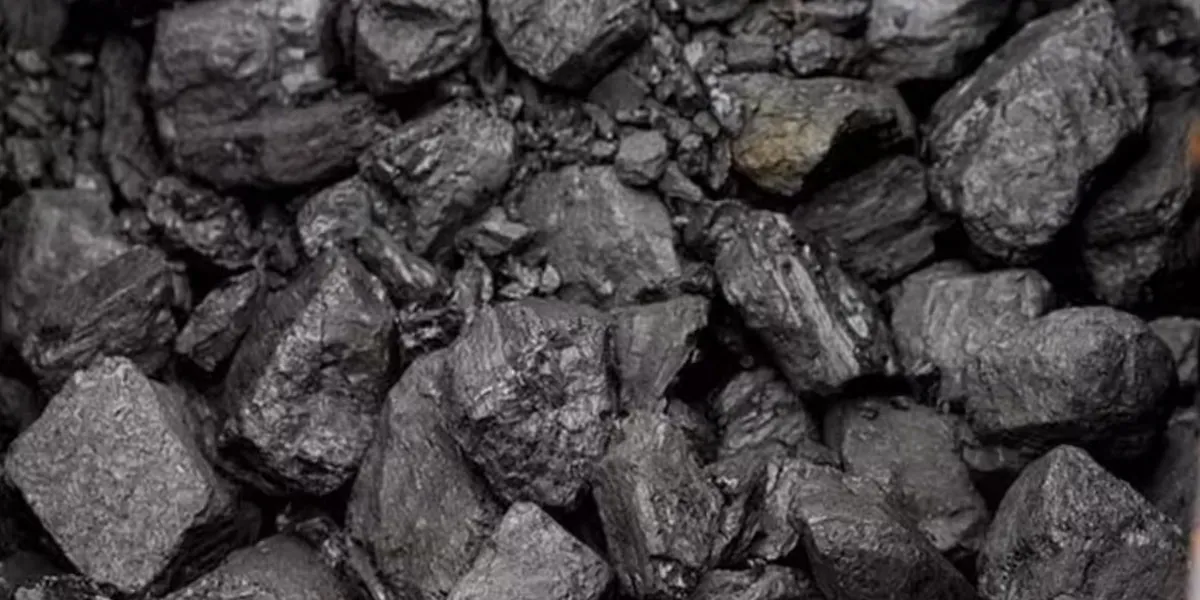
India’s energy governance ecosystem is positioning itself to deepen market structures for electricity trading and introduce a dedicated spot exchange for thermal coal, marking a strategic pivot that could reshape how power, urban utilities and infrastructure developers manage energy supply risks and pricing transparency. Policymakers and market operators see these expansions as potential tools to enhance efficiency, integrate renewables and provide clearer price signals for long-term planning across the power value chain.

The proposed electricity futures framework — a platform for trading contracts tied to future delivery of power — aims to give generators, distributors and large consumers hedging instruments against price volatility. In an era where renewable energy integration and peak demand patterns introduce complexity into grid management, forward-looking contracts can offer visibility on future supply conditions, improving planning for distribution utilities and reducing the need for ad-hoc procurement practices.Alongside this, the move to establish a dedicated spot market for coal seeks to address long-standing operational challenges in India’s thermal fuel segment. A spot exchange is intended to facilitate immediate delivery contracts for coal, helping power producers and industrial users access fuel “on demand” while reducing dependence on long-term tie-ups that may not align with real-time operational requirements. By improving transparency in coal procurement, industry strategists believe pricing fidelity and logistical alignment could strengthen supply chain management for energy infrastructure projects.

Energy planners highlight that such market innovations have implications beyond trading desks. Urban infrastructure — particularly in fast-growing metropolitan regions — relies heavily on efficient power supply and stable fuel logistics for water systems, transportation, industrial clusters and municipal services. A more predictable energy market ecosystem allows city authorities and infrastructure owners to better coordinate capacity planning, manage peak loads and forecast operational costs over multi-year horizons.Moreover, as India accelerates its climate commitments and grid decarbonisation agenda, transparent price signals from futures and spot markets can support the integration of renewables. Forward contracts, for instance, enable distribution companies to hedge against intermittency risks associated with solar and wind generation, reducing the need for expensive recourse generation and improving financial planning for green power portfolios.

However, industry analysts emphasise that successful implementation requires robust regulatory frameworks and risk management systems to prevent market distortions. For electricity futures to deliver value to end users and utilities, complexities around settlement mechanisms, delivery obligations and grid balancing protocols must be harmonised with operational realities of India’s largely state-run power distribution framework.Coal, while still a critical fuel source for baseload capacity, is part of a transitional phase in India’s energy landscape. Establishing a spot exchange could support smaller power producers and industrial clusters by improving market access and price transparency, but must be complemented by investments in cleaner energy infrastructure and logistics efficiency to align with long-term sustainability goals.

Urban energy planners also point out that improved market infrastructure alone cannot resolve distribution inefficiencies or transmission bottlenecks, which are often binding constraints in urban grids. Complementary reforms — such as grid modernisation, real-time dispatch optimisation, and targeted infrastructure funding — are essential for the full benefits of enhanced market platforms to reach city utilities and urban residents.As India’s energy markets evolve, the interplay between new trading mechanisms and infrastructure planning will be key in shaping resilient, efficient and climate-aligned power systems that underpin both economic growth and sustainable urbanisation.

Also Read: Dhanbad Toxic Gas Leak Sparks Safety And Urban Health Concerns

Power Derivatives And Coal Spot Exchange Shape Energy Planning
RELATED ARTICLES

LEAVE A REPLY

Please enter your comment!
Please enter your name here

- Advertisment -spot_img

Most Popular

Recent Comments

Hyderabad RERA Grievance Cell Aims To Ease Disputes

Hyderabad RERA Grievance Cell Aims To Ease Disputes

0
A new institutional mechanism aimed at easing real estate disputes has been introduced in Hyderabad, where the state regulator has operationalised a dedicated support...
India Urban Growth Hit By Supply Chain Shock

India Urban Growth Hit By Supply Chain Shock

0
India’s growing dependence on imported energy and critical materials has moved from a strategic concern to an immediate economic risk, after recent geopolitical disruptions...
India Construction Costs Challenge Real Estate Expansion

India Construction Costs Challenge Real Estate Expansion

0
A sharp rise in construction costs across India’s real estate sector is beginning to reshape how urban retail and residential projects are planned, financed...
Gujarat Tourism Growth Drives New Rann Hotel Project

Gujarat Tourism Growth Drives New Rann Hotel Project

0
A new hospitality project planned in the Rann of Kutch region of Gujarat is set to expand the state’s tourism infrastructure, even as it...
NCR Real Estate Shifts Along New Transit Corridors

NCR Real Estate Shifts Along New Transit Corridors

0
A decisive shift is underway in the National Capital Region (NCR), where infrastructure corridors are increasingly dictating the direction of urban growth. In 2026,...