Visakhapatnam Steel Plant’s Workforce Shrinks Dramatically
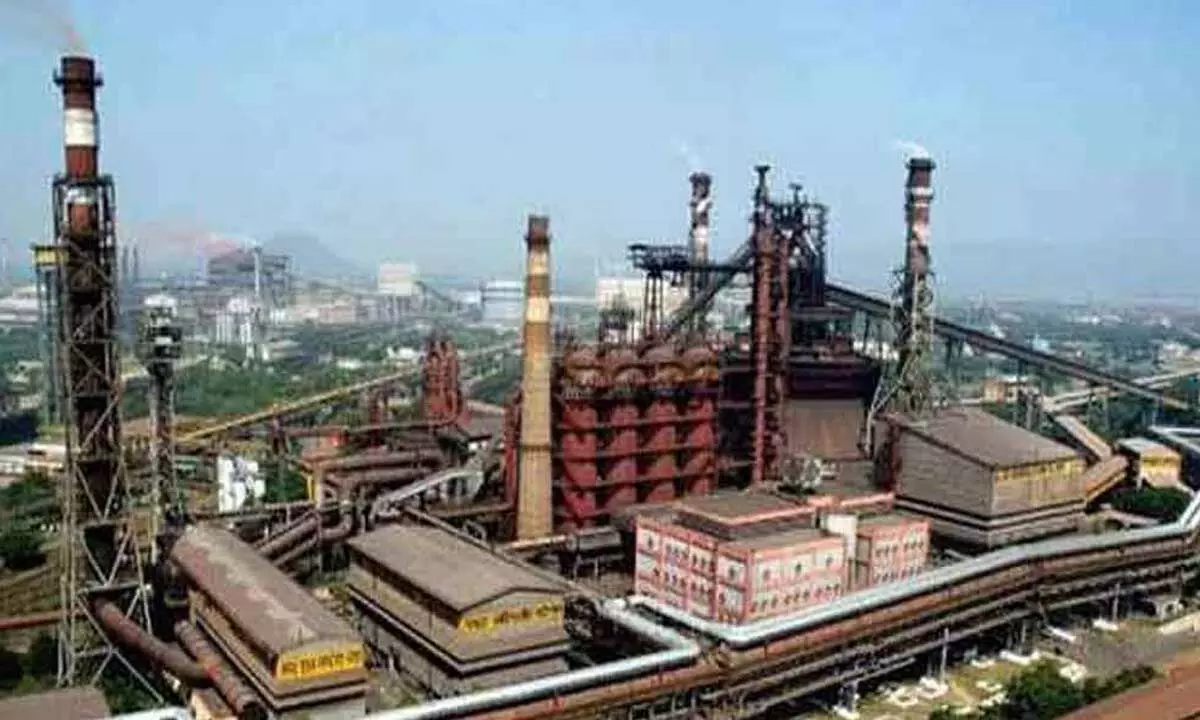
In a move that has raised eyebrows across the industrial landscape, a staggering 1,600 employees of Rashtriya Ispat Nigam Limited (RINL), the corporate entity managing Visakhapatnam Steel Plant (VSP), have opted for the Voluntary Retirement Scheme (VRS) introduced by the management.
This includes 660 executives and 940 non-executives, a significant portion of the plant’s workforce of 12,300 employees, of which 3,900 are executives. The VRS was rolled out in alignment with the Ministry of Steel’s guidelines, targeting employees aged 45 years or older, with the window for applications closing on January 31. According to informed sources, approximately 4,000 employees met the eligibility criteria, and it is expected that around 1,200 applications will be processed. The overall financial package for the VRS is estimated to be approximately ₹506 crore. Applicants are anticipated to receive their sanction notices, alongside a month’s service notice, by mid-February.
The scale of VRS applications comes as a surprise, especially following the Union government’s announcement of an ₹11,442 crore financial package for the steel plant. Despite the financial infusion, many employees have cited persistent dissatisfaction with the scheme’s terms. Union representatives suggest that employees’ growing frustrations stem from prolonged financial difficulties, stress from rising workloads, delayed salary payments, and health concerns. The Visakhapatnam Steel Plant’s once-robust turnover of ₹28,000 crore and an operating profit of ₹940 crore, which stood strong prior to the government’s disinvestment plan in early 2021, has not been sufficient to prevent the exodus. V. Srinivasa Rao, general secretary of the Janashakti Mazdoor Sabha, has been vocal about the mass retirements, stating that the plant’s dwindling workforce will struggle to maintain operations at full capacity.
Furthermore, a long-standing concern among employees is the upcoming challenges in managing three blast furnaces. The third furnace is scheduled to be revived in mid-2025, but with a significantly reduced workforce, existing employees will face mounting pressure. As one anonymous employee put it, “We are forced to work under extreme stress, trying to manage the plant’s operations with fewer people.” The continued loss of senior employees could signal deeper structural issues at the steel plant, potentially impacting its long-term operational viability unless management steps in with more sustainable reforms.