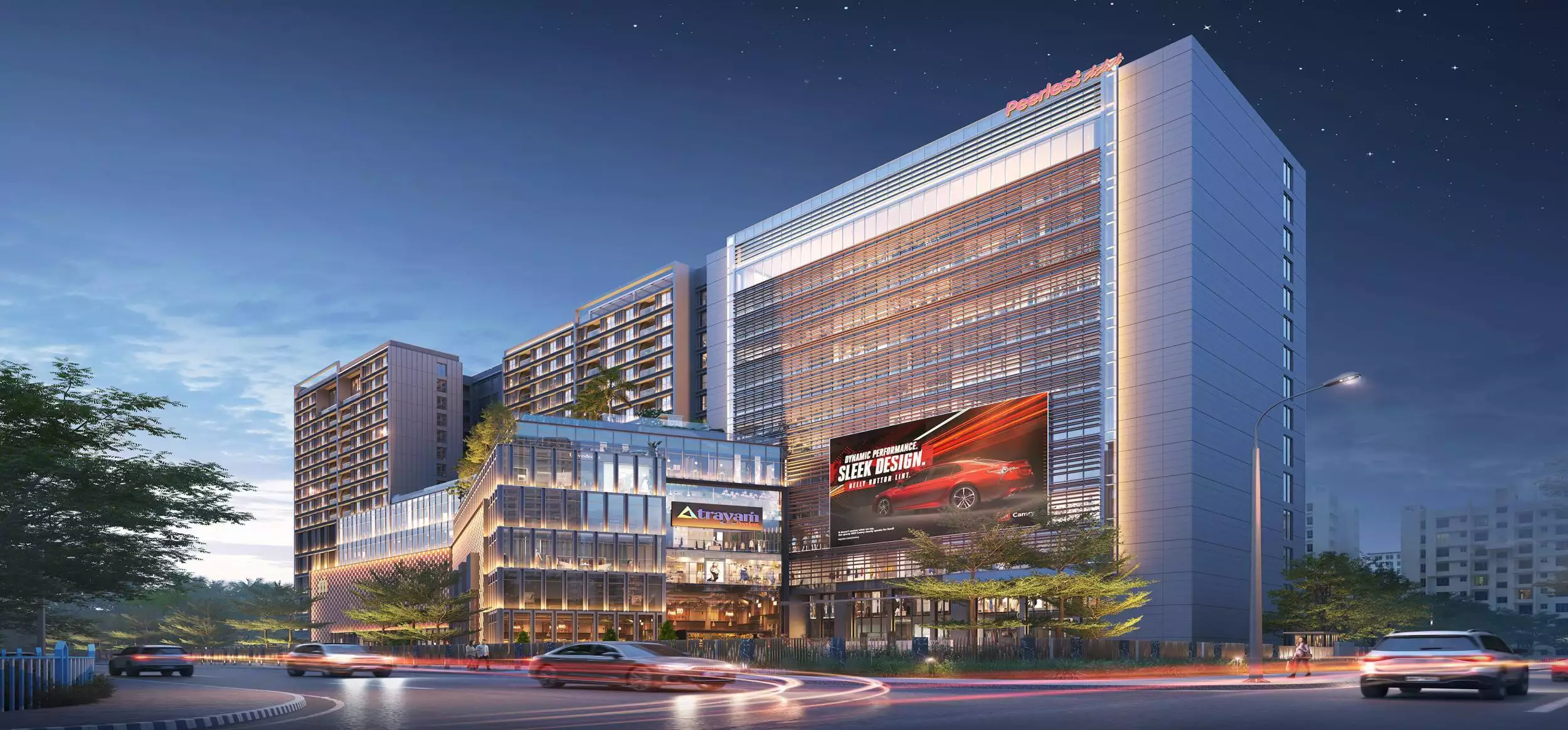
Kolkata’s housing sector is once again under the spotlight as West Bengal approaches a politically charged electoral outcome that could reshape investor confidence, infrastructure spending, and the broader urban economy. While sections of the business community anticipate that a new administration may accelerate approvals and attract fresh capital, urban economists argue that the city’s long-term real estate recovery depends on deeper structural reforms rather than electoral momentum alone.
The discussion has gained traction amid renewed interest in the West Bengal real estate market, particularly after recent residential sales data showed moderate improvement despite a slowdown across several major Indian cities. Market analysts note that Kolkata’s property sector has remained comparatively subdued for over a decade, with lower price growth and weaker institutional investment than peer metropolitan regions such as Bengaluru, Hyderabad, Pune and Chennai. Urban development specialists say the city’s challenge is rooted in employment generation and economic diversification. Unlike southern technology hubs that benefited from sustained expansion in information technology, finance and startup ecosystems, Kolkata has struggled to attract large-scale private investment capable of generating high-income urban jobs. This has limited inward migration and reduced demand for both residential and commercial space.
Industry observers believe that political stability and stronger coordination between the state and central governments could improve market sentiment, particularly in infrastructure-linked sectors. However, planners caution that investor optimism alone cannot transform the West Bengal real estate market unless backed by transparent governance, faster project clearances, and long-term urban planning.Recent housing data reflects a mixed but gradually improving picture. Residential sales in Kolkata rose modestly during the first quarter of 2026, even as several larger cities witnessed declining transactions. Affordable and mid-income housing continued to dominate demand, highlighting the city’s dependence on end-user buyers rather than speculative investment. At the same time, higher-value housing categories recorded notable growth from a small base, indicating emerging interest in premium residential projects.
Urban policy experts argue that future growth will rely heavily on transport infrastructure and liveability improvements. Expansion of metro rail corridors, road upgrades, flood-resilient drainage systems, and climate-sensitive urban planning are increasingly viewed as critical to attracting businesses and retaining skilled professionals. Without these interventions, the city risks losing competitiveness to faster-growing urban centres.Environmental planners also point out that Kolkata’s future development model must balance growth with resilience. The metropolitan region faces rising climate pressures including heat stress, waterlogging, wetland degradation and pressure on peri-urban ecosystems. Real estate expansion without stronger ecological safeguards could intensify long-term urban vulnerabilities. Economists tracking eastern India’s urban markets say the coming years will determine whether Kolkata can reposition itself as a modern services-driven economy or continue to lag behind newer growth corridors across the country. For residents, the outcome will not only influence housing affordability and jobs, but also shape the quality, sustainability and inclusiveness of the city’s future urban development.
West Bengal Real Estate Faces Turning Point